REVIEW · BAYEUX
Bayeux: Normandy D-Day Landing Beaches Full-Day Guided Tour
Book on GetYourGuide →Operated by GOLD BEACH COMPANY · Bookable on GetYourGuide
D-Day hits different when you stand on the exact ground. This small-group Bayeux tour links the biggest landing beaches to clear, human stories you can actually hold onto as the day moves from Sainte-Mère-Église to Utah and onward.
I especially like the way the English live guide guides you site to site, building meaning instead of just naming places. And I like the focus on tribute—standing where men and women sacrificed everything, with time to read the names and take it in.
One possible drawback: it’s a full day with set visit windows, so if you want to linger forever at one beach, you’ll need patience.
In This Review
- Key Points You’ll Care About
- Turning Bayeux Into a D-Day Field Trip
- The Van Ride That Actually Teaches Something
- Sainte-Mère-Église: A Village Where WWII Stories Start Locally
- Utah Beach and Lunch: Where the Day Slows Down on Purpose
- Pointe du Hoc: Short Visit, High Meaning
- Omaha Beach and the Landing Beaches: A Guided Reality Check
- Price and Value: What $176 Buys in a Long Day
- Who This Tour Fits Best
- Should You Book This Bayeux D-Day Tour?
- FAQ
- Where do I meet for the tour?
- Is the tour in English?
- How big is the group?
- What main sites does the tour cover?
- How long is the tour?
- Is lunch included with the tour?
- What is included in the price?
- What is the price per person?
- Is there free cancellation?
- Does the tour offer reserve now, pay later?
Key Points You’ll Care About
- Up to 10 people keeps the van ride personal and questions actually get answered
- Omaha Beach + Pointe du Hoc + Utah Beach + Sainte-Mère-Église in one long, organized day
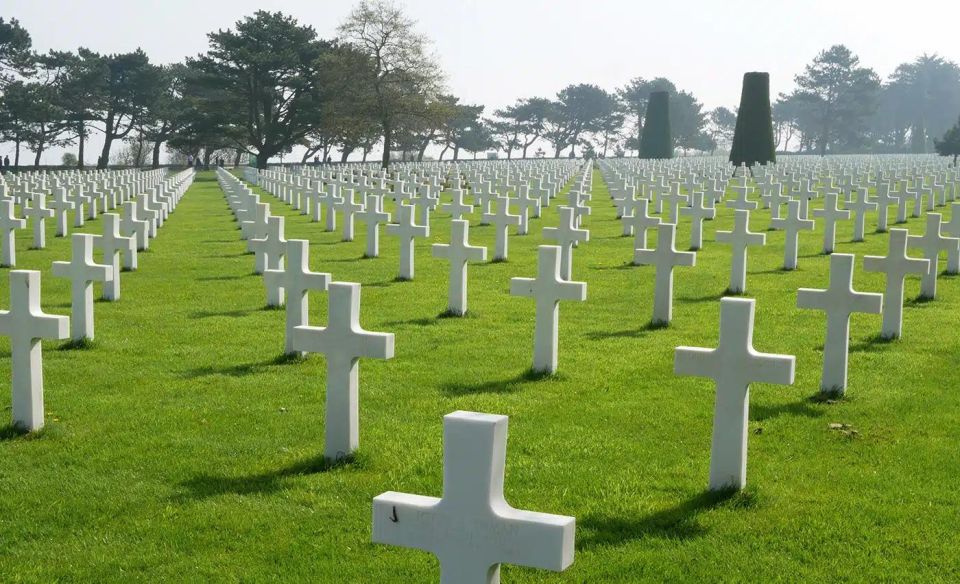
- Tribute-focused moments where you can read names and absorb what the ground represents
- Guide-led context that connects the beaches to the larger Normandy campaign, not just one spot
- Lunch break included in timing only, so plan on buying your own food and drinks
Turning Bayeux Into a D-Day Field Trip
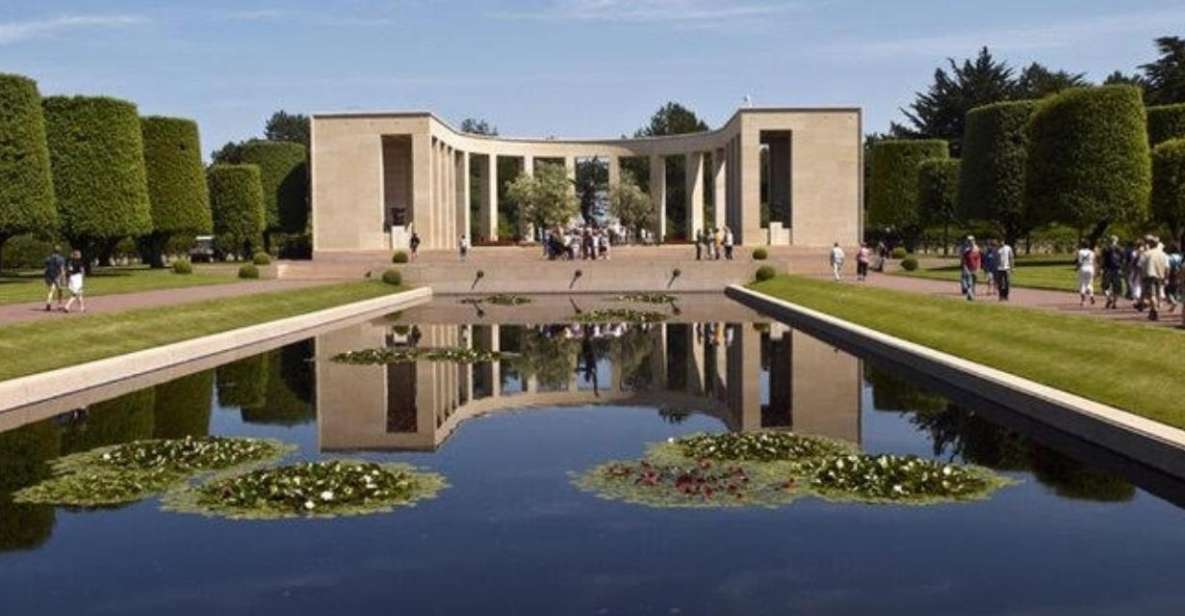
Bayeux is a great base for Normandy history, and this tour is built to make the most of a limited time window. You meet at Place de Québec in Bayeux, then you’re on the road for most of the day. The overall duration runs about 510 to 570 minutes (roughly 8.5 to 9.5 hours), which means you should plan on a long day from start to finish rather than squeezing it between other activities.
That long stretch matters. Normandy driving takes time, and these sites are spread out. A guided van day is the practical answer if you’re trying to see multiple key points without renting a car or playing navigation roulette on unfamiliar roads. It also keeps you from losing daylight to getting lost, parking, or hunting down the best angles on your own.
This is also an American-focused Operation Overlord experience. You’ll feel that in how the day is structured and in the kind of questions guides tend to handle. In reviews, guides were praised for setting the record straight on what happened and why it mattered, instead of treating it like a movie set. If you’re the kind of person who wants context—why the landings were planned the way they were, and what the outcomes meant—this format works.
You can also read our reviews of more guided tours in Bayeux

The Van Ride That Actually Teaches Something
The tour uses a van for the heavy lifting: a pickup and then multiple drives between stops, with short transfer breaks so you’re not stuck in transit the whole time. Early on, you get about 45 minutes of driving before Sainte-Mère-Église, then another short transfer, and so on throughout the day.
Here’s the practical part: the best van tours don’t waste the drive. The guides on this kind of outing typically use travel time to connect locations, explain what you’re about to see, and answer questions as they come up. Reviews mention guides who made car rides feel like part of the lesson, not dead time. Names that came up include Alex, Eric, Igor, Alec, James, Lucas, Kate, Lukas, and Adrian—people described them as historians or local experts with strong command of the material.
For you, that means you should prepare for “active sightseeing.” Bring layers. Normandy weather changes quickly, and you’ll be outdoors around memorials and viewpoints. Comfortable shoes are worth it too, even when the itinerary doesn’t demand long hikes—because when you’re standing on historical ground, you tend to walk a bit more than you planned.
Also: since food and drinks aren’t included, that lunch break is a timing moment more than a catered meal. If you’re prone to getting hungry, bring a snack for the in-between times, or be ready to buy something simple during the lunch stop.
Sainte-Mère-Église: A Village Where WWII Stories Start Locally
Your day’s first major stop is Sainte-Mère-Église, with about 1 hour on-site. This is the kind of place where the town itself feels tied to the events, not just the distant beach line. In reviews, people highlighted how guides brought in local perspective—stories about people who lived there and what the invasion meant to the community.
What I like about starting here is pacing. You’re not rushing immediately to the famous shoreline. Instead, you get to frame the day with a village setting first, which makes later stops feel less like separate attractions and more like parts of one enormous operation.
In Sainte-Mère-Église, you can expect guided context and time to explore. Some reviews mention stops connected to the airborne theme, including the Airborne Museum, and describe it as interactive and worth the effort. Your exact experience can vary based on the schedule your guide runs, but if this topic matters to you, this is the stop where it tends to land.
Practical tip: use this hour strategically. Look for a few moments to stand quietly, then use your guide’s explanations to link what you see today to the events from 1944. That shift—from scenery to story—is the heart of why a guided tour is better than a self-drive for most people.
Utah Beach and Lunch: Where the Day Slows Down on Purpose
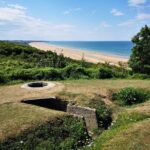
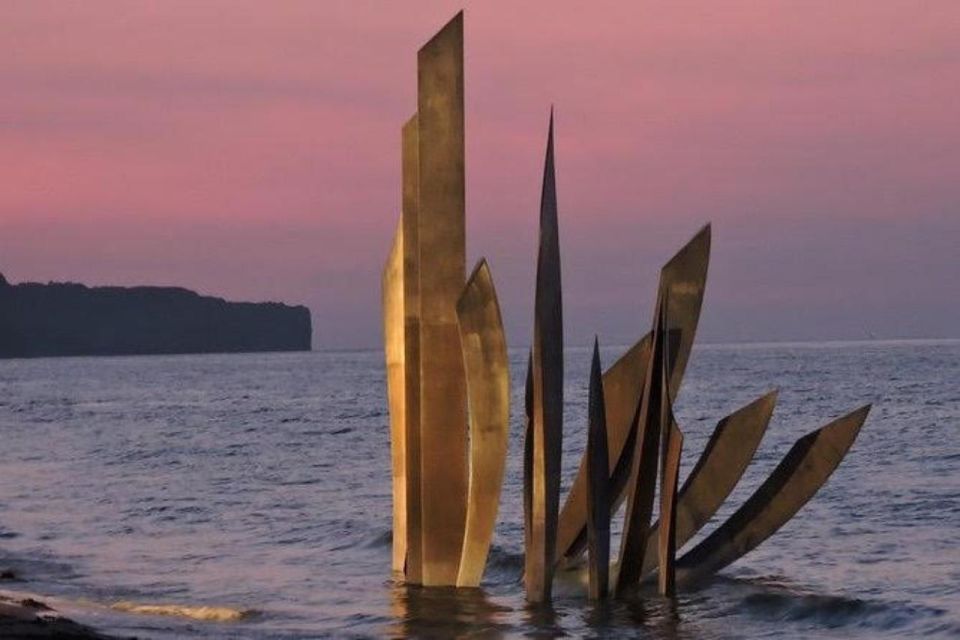
Next is Utah Beach, with about 1.5 hours and a lunch break during that segment. Utah Beach is one of the key landing areas, and the time here is long enough that you can take it in without feeling rushed the whole time.
This stop is valuable for a simple reason: you’re given time to look, then time to understand. Guides typically explain the logic behind what you’re seeing—how the operation unfolded and what the beach represented in the overall campaign. Reviews also praised guides for placing emphasis on the early “first yards” of landing, and for connecting logistics to outcomes you might already know from books.
For you, the best way to use this time is to split it mentally:
- Spend the first part orienting yourself to the shoreline and memorial setting.
- Spend the second part letting your guide’s narrative tie it together.
Then comes lunch. Since food and drinks are not included, treat lunch as your chance to reset. If you’re vegetarian, picky, or trying to avoid long waits, consider carrying a quick snack earlier so lunch options don’t become stressful.
Pointe du Hoc: Short Visit, High Meaning
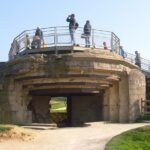
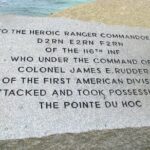
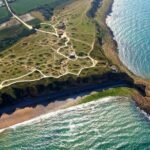
After lunch, the itinerary moves to Pointe du Hoc for about 45 minutes. This is a shorter stop, but it usually carries big weight. Expect dramatic terrain and an explanation that focuses on why this location mattered in the battle story.
The advantage of a guided stop here is that you don’t just see a viewpoint—you understand what kind of fighting and planning people faced around this stretch. Reviews described guides who answered tougher questions and corrected common myths, and Pointe du Hoc is exactly the type of place where that kind of detail helps.
The tradeoff is time. Forty-five minutes disappears faster than you think when you’re reading, looking for viewpoints, and trying to take pictures. If you’re the type who likes to do a lot of solo wandering, set a realistic pace before you arrive and make sure you spend time both listening and walking.
A few more Bayeux tours and experiences worth a look

Omaha Beach and the Landing Beaches: A Guided Reality Check
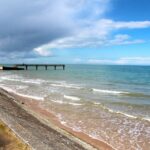
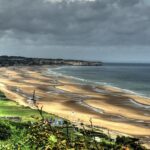
Then you reach Omaha Beach, with about 1 hour, followed by another 1 hour at the broader D-Day Landing Beaches area. This portion of the day is where the emotional effect tends to hit hardest, because Omaha is one of the names that many people arrive already knowing.
But knowing a place name is not the same as understanding what it meant at ground level. The best guides use Omaha to do three things:
- Explain what each landing area represented in the overall plan
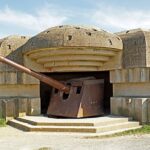
- Show why the terrain and defenses mattered
- Connect the battlefield story to the human cost
In reviews, many people singled out how guides kept a strong level of respect for those who fought, including descriptions of guides who dispelled misconceptions and emphasized both courage and horror. People also mentioned that standing on the ground put events into better perspective than reading about them alone.
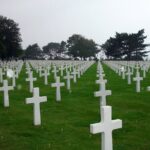
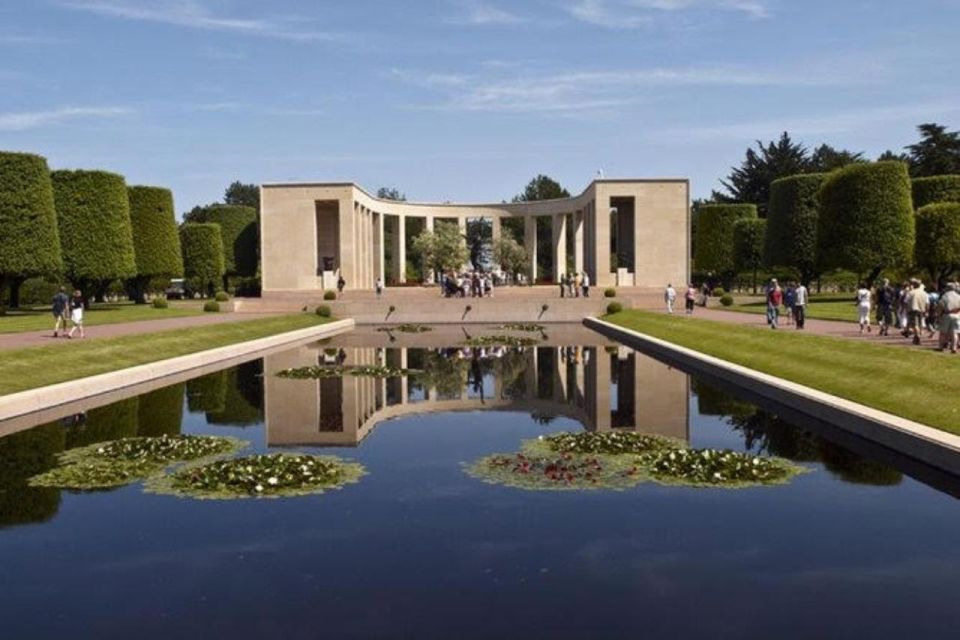
You might also find that some versions of this tour include an additional visit tied to American remembrance, such as the Normandy American Cemetery in Colleville-sur-Mer. While the core itinerary you’re given emphasizes Omaha, Pointe du Hoc, Sainte-Mère-Église, and Utah Beach, the reviews include cemetery moments and moving tributes. If visiting the cemetery is a must for you, it’s worth asking before you go so your day matches your priorities.
Practical tip: at Omaha and the final landing-beside areas, use your guide’s timing. Don’t spend the entire hour only taking photos. Leave space for reflection and for reading any names or memorial text you’re directed toward.
Price and Value: What $176 Buys in a Long Day
At $176 per person, this is not a bargain-bin excursion. It’s also not priced like a luxury tour. The value comes from three clear things you’re getting:
- A live English guide who handles the story, the pacing, and the on-the-spot questions
- Transportation all day in a van, which saves you time and hassle
- A small group limited to 10 participants, which makes it feel less like a cattle-call
In reviews, people repeatedly framed the cost as fair because the day runs from a morning start through evening timing, with transportation and guide time included. The transport quality also gets a solid approval score, with 88% giving it a perfect rating. For most visitors, that matters because comfort and smooth logistics reduce the mental load of a heavy day.
Is it worth it? If you’re deciding between driving yourself and doing a guided day, ask yourself what you want most:
- If you want the freedom to linger, skip stops, and roam without structure, self-driving may fit.
- If you want meaning, names, and context delivered clearly while someone else handles the route, this guide-led format usually feels like the better deal.
Also remember: food and drinks are not included. Budget for lunch and any snacks. That’s the one add-on that can surprise people who assume lunch is covered just because lunch timing is part of the schedule.
Who This Tour Fits Best
This is a strong match for history lovers who want the D-Day story structured and explained with respect. Reviews point to guides who handled deeper questions calmly and who offered both factual clarity and emotional context. If you’re bringing a teenager, there’s at least some precedent for guides getting reluctant learners interested—often by telling stories that connect the operation to individuals.
It’s also good for Americans or anyone focused on the U.S. role in Operation Overlord. The stop choices are built around the core American landing narrative: Utah Beach and Omaha Beach, with Pointe du Hoc and Sainte-Mère-Église framing the wider battle picture.
If you hate structured days and prefer quiet museum pacing, this may feel a bit brisk in certain spots, especially with set windows like 45 minutes at Pointe du Hoc or 1 hour at Omaha. In that case, you might consider a slower, more focused add-on day later—rather than trying to extract every ounce from this one full tour.
Should You Book This Bayeux D-Day Tour?
If you want a single, well-organized day that covers the big D-Day sites with a guide-led story and an obvious tone of remembrance, I think you should book. The small group size, the English-speaking format, and the fact that you’re taken from beach to beach without route-finding headaches make it a practical way to experience Normandy’s most famous WWII ground.
I’d only hesitate if you’re the type who needs unlimited time at one memorial point, or if you’re very sensitive to long days with outdoors time. Otherwise, this is the kind of tour that turns names from a book into a place you can stand in—and that shift is exactly what you came to Normandy for.
FAQ
Where do I meet for the tour?
Meet your guide at Place de Québec in Bayeux.
Is the tour in English?
Yes. The live tour guide is English.
How big is the group?
The group is small, limited to 10 participants.
What main sites does the tour cover?
The tour visits Sainte-Mère-Église, Utah Beach, Pointe du Hoc, and Omaha Beach, plus a segment for the D-Day Landing Beaches.
How long is the tour?
The duration is listed as 510 to 570 minutes.
Is lunch included with the tour?
Lunch timing is included in the schedule, but food and drinks are not included, so you’ll need to purchase your own.
What is included in the price?
The price includes the guide and the tour of key D-Day battle sites.
What is the price per person?
The price is $176 per person.
Is there free cancellation?
Yes, free cancellation is available up to 24 hours in advance for a full refund.
Does the tour offer reserve now, pay later?
Yes. Reserve & pay later is offered, so you can book your spot and pay nothing today.