REVIEW · GRENOBLE
Sports canyoning in the Vercors near Grenoble
Book on Viator →Operated by Yes We Canyon · Bookable on Viator
Your adrenaline starts before you even drop. This sports canyoning trip in the Vercors near Grenoble takes you into the Ecouges canyon for a full mix of rope skills and water play.
I love the straightforward, confidence-building approach: you get a clear briefing right before the descent, and the route is known for delivering varied action, not just one big moment.
Second, I really like the focus on proper gear and comfort. You’ll wear a 5mm neoprene wetsuit (plus neoprene socks), and you’ll be fitted with the key safety pieces like harness and helmet. That equipment matters here because you’re moving fast through wet, slippery, and sometimes exposed sections.
One consideration before you book: this is not for everyone. If you can’t swim, don’t plan on forcing it, and you also need solid physical fitness because some drops can feel high and the pace is active.
In This Review
- Key things I’d circle before you go
- Sports canyoning in the Vercors: what you’re really signing up for
- Starting at Saint-Gervais: simple meeting point, clear setup
- Gear details that affect comfort (and confidence)
- The short walk to the river: use it to reset your head
- Safety briefing: why the technique talk matters here
- Abseiling, jumps, and slides in the Ecouges canyon
- Abseiling (rappelling): trust the system, move with intention
- Jumps: adrenaline, but with progression
- Slides: where the day starts feeling like play
- The group size (max 10) and the pacing you’ll feel
- Language and guide style: why English matters for learning speed
- Price and value: is $90.70 worth it?
- Weather and fitness: the two filters to respect
- Who should book this sports canyoning trip?
- Should you book? My practical call
- FAQ
- Where does the sports canyoning start?
- How long is the tour?
- What safety gear is provided?
- What if I can’t swim?
- What’s the physical requirement?
- Is this offered in English?
- What’s the weather situation?
Key things I’d circle before you go
- Max 10 people keeps the group manageable on rope moves and water sections
- Provided 5mm neoprene setup means you’re not shopping for cold-water gear first
- A briefing focused on progression techniques helps you handle abseils, jumps, and slides
- Ecouges Canyon is a true mix of moves rather than one long rappel
- English is offered, so you’re not stuck guessing during safety instructions
Sports canyoning in the Vercors: what you’re really signing up for
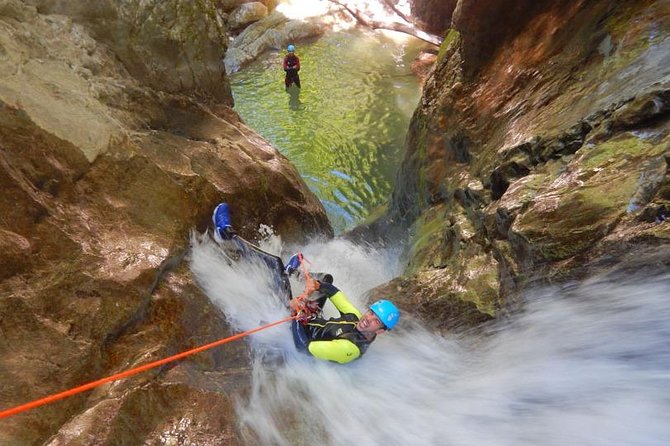
This experience is built for people who want more than a casual nature walk. You’re going to work through a sports-style canyon descent with real vertical elements (abseiling) and optional-feeling thrill elements (jumps and slides), all under a guide’s control. The point isn’t to watch from the bank—it’s to participate, learn the progression, and move with your group.
The canyon route here is the Ecouges. That matters because you’re not just in the mountains—you’re in a narrow water corridor where the rock, water, and rope work all connect. In practical terms, you’ll be switching between moving on wet footing, listening for cues, and trusting technique on the next obstacle. That change of gears is the fun part.
The best sign? The experience has an extremely high recommendation rate and a strong score, with feedback that calls it both fun and challenging. One review specifically praises how a guide named Marvin helped a young participant (Ben, age 11) go from nervous to turning it into the highlight of the trip. That doesn’t mean it’s easy—but it does suggest the coaching style can help you handle nerves and follow instructions.
You can also read our reviews of more tours and experiences in Grenoble.

Starting at Saint-Gervais: simple meeting point, clear setup
You meet at the Saint Gervais car park area at 35 D35, 38470 Saint-Gervais, France. The return is back to that same spot at the end, so you’re not dealing with a complicated drop-off and pickup shuffle after you’ve gotten wet and tired.
From the start, the day’s structure is practical. Your guide finds you, then you gear up with equipment provided by the instructor. You’re not expected to guess what you need to bring beyond being ready to get in the water and handle a full activity block.
You should expect that early time is mostly about getting correctly fitted and oriented. That’s not wasted time. In canyoning, a snug harness fit and the right suit setup affect comfort and safety for the rest of the descent. If you’ve ever had gear that pinched or shifted in wet conditions, you’ll understand why getting it right at the start pays off later.
Gear details that affect comfort (and confidence)
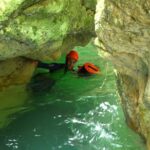
This trip provides the essentials, and that’s a big value point. You’ll use a 5mm neoprene wetsuit and neoprene socks, plus a harness and a helmet. Shoe is optional, which is interesting—so you’ll want to pay attention during fitting and listen to your guide’s advice for what will work best for the canyon conditions.
Here’s what the provided kit means for you:
- Less pre-trip shopping and planning, which matters if you’re only doing this activity once
- A wetsuit thickness (5mm) that’s built for cold-water exposure
- Helmets and harnesses that are designed for canyon work, not improvised “sport-like” gear
I also like that the equipment list is clear, not vague. When you know you’ll have the right pieces, you can focus on the real task: learning movement skills and staying relaxed when water, rock, and rope all come at you fast.
One small mental note: you’ll likely feel bulky at first. Neoprene does that. But once you’re actually in motion, it becomes part of your comfort—warmth and grip over time.
The short walk to the river: use it to reset your head
After meeting, you’ll take a short walk—about 15 minutes—to access the river. That stretch is brief enough that you won’t cool down too much, but long enough for your guide to get everyone focused and moving in a calm rhythm.
This walk also gives you a chance to check your own readiness. Are you comfortable moving over uneven ground while wearing your kit? Are you mentally ready to follow instructions quickly? In sports canyoning, you’re not the lone actor. You’re part of a controlled sequence, so being alert matters.
When you reach the start point, you get a briefing on information and progression techniques you’ll use during the descent of the Ecouges canyon. This is the moment to ask questions if anything feels unclear. You don’t want to figure things out mid-obstacle when you’re already wet and moving.
Safety briefing: why the technique talk matters here
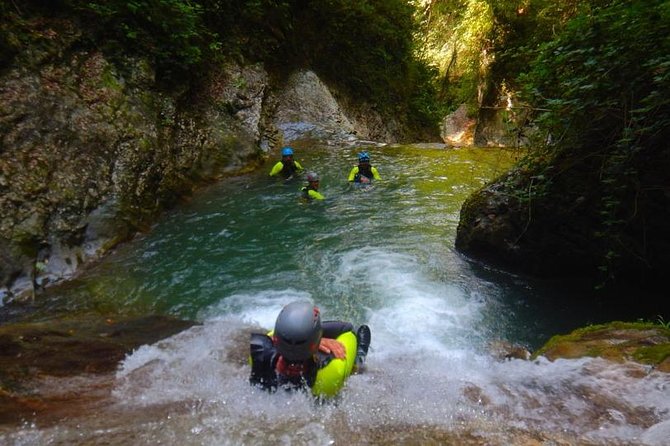
The canyon descent isn’t just about adrenaline. It’s about technique. The guide briefing covers how you progress through the descent—especially for rope elements like abseiling and the water dynamics for jumps and slides.
Even if you’ve done anything like climbing or ropes before, canyoning has its own rules. Gravity doesn’t change, but the environment does: wet rock, slippery holds, and water effects on your timing. The briefing helps you translate “I can do the move” into “I can do the move safely, with the right body position, at the right moment.”
Also, your guide controls the pace and spacing of the group. With a maximum of 10 travelers, it’s small enough that instructions can stay specific. That reduces the common stress of sports activities where you spend half the day waiting and half the day unsure what you’re supposed to do next.
If you’re going with kids, this part matters even more. A coach who can keep instructions simple and give reassurance at the right moments can turn panic into participation—as shown by that guide Marvin story.


Abseiling, jumps, and slides in the Ecouges canyon
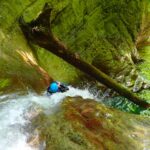
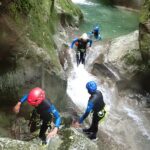
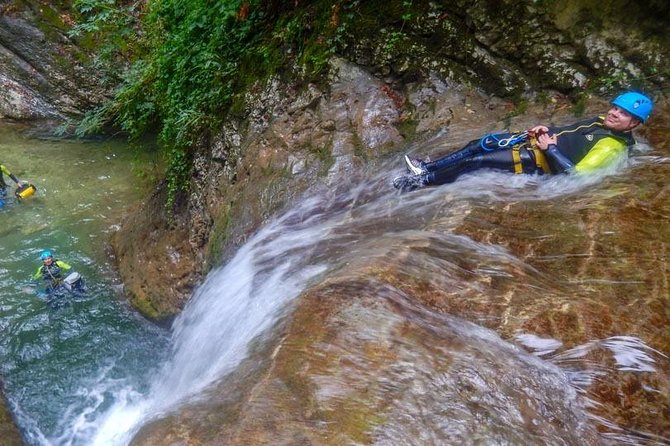
Now for the heart of the day: the descent itself. This route is described as one of the most beautiful canyoning courses in the Vercors, and it delivers a concentrated set of skills in a single run. Expect abseiling, jumps, and slides—all connected as part of one progression.
Abseiling (rappelling): trust the system, move with intention
Abseiling is where technique shows up immediately. You’ll rely on your harness and helmet setup, but the skill is in your body control—how you handle movement, how you manage your attention, and how you respond when the rope guides your pace.
The review feedback calling it challenging makes sense here. Some drops can feel high, especially if you’re not used to looking down. The upside is that in sports canyoning, you’re not thrown into random chaos. You’re coached, and you can practice the movement principles before the bigger moments.
Jumps: adrenaline, but with progression
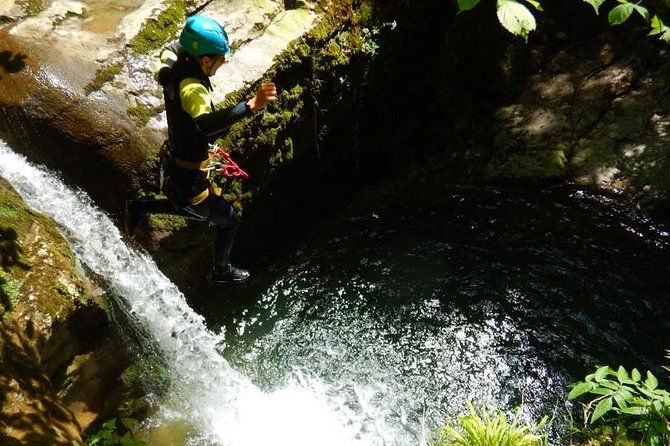
Jumps can sound simple until you’re standing over water with slick rock under your boots. The guide’s progression technique and timing cues matter. You’ll be doing jumps as part of a structured sequence, not as a random leap of faith.
One practical tip: focus on what you control—breathing, timing, and body position—rather than trying to predict the exact feeling of each jump. You’ll get the best results by following your guide’s instructions in the moment.
Slides: where the day starts feeling like play
Slides are often where people realize the day isn’t only scary. It can be downright fun. You move from technical segments into a more playful rhythm, though you’re still dealing with wet conditions and must stay in your flow with the group.
If you’re the type who enjoys water-based activities, slides are likely to give you that instant payoff. It’s also a good reminder that canyoning is not just endurance—it’s variety.
The group size (max 10) and the pacing you’ll feel
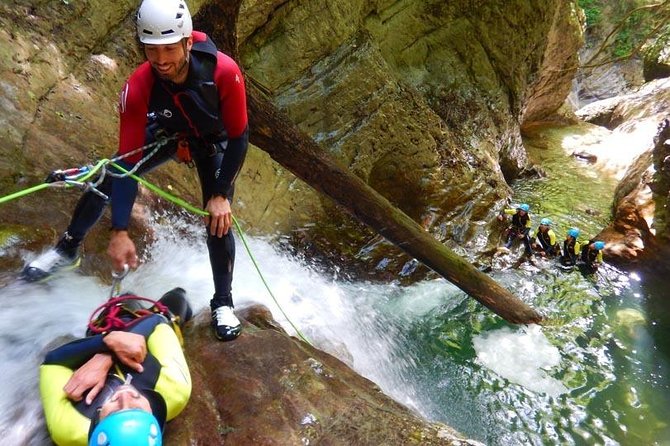
With a maximum of 10 travelers, you’re not packed in a huge crowd. That tends to matter a lot for rope sports. In bigger groups, it’s easy to waste time waiting and watching people from afar. Here, the small number helps keep the flow moving and keeps your guide able to monitor who needs extra reassurance.
Pacing also affects your energy. The experience runs about 4 hours total, so you’re not facing a long, slow marathon. You’ll likely feel active most of the way. That’s great if you like a full “do the thing” adventure, but it means you should show up with enough stamina to stay engaged the whole time.
And yes, you’ll get wet. Plan to treat this as an all-in activity, not something you squeeze between other plans without downtime afterward.
Language and guide style: why English matters for learning speed
English is offered, which helps a lot during the briefing and during cues on the route. When you can understand exactly what your guide is asking, you react faster and calmer. That matters for skills like abseiling and jumps, where small misunderstandings can lead to hesitation.
Guide name matters too, because you’ll remember the tone. One standout review praises guide Marvin for helping a nervous 11-year-old work through fear and enjoy the experience. Even if you’re an adult and you come in with different nerves, that kind of coaching style usually helps everyone relax and focus on the next step.
Price and value: is $90.70 worth it?
At $90.70 per person for about 4 hours, you’re paying for instruction, safety equipment, and a professionally guided canyon descent with multiple obstacle types. That’s the key to the value math: you’re not just renting gear or entering a viewpoint. You’re getting a guided sports activity that combines rope skills and water movement.
This price also stacks up well because equipment is included—especially the 5mm neoprene, harness, and helmet. For many outdoor experiences, those add-ons are what quietly blow up the total cost. Here, you’re given the core kit, which makes it easier to budget.
Also, the experience has free cancellation up to 24 hours in advance. The day depends on weather, so having the flexibility to adjust your plans if conditions aren’t right adds real value. If you’ve ever had a trip ruined by poor weather that couldn’t be changed, you’ll appreciate that.
A final value note: it’s offered in English and capped at 10 people. Those two factors usually correlate with more effective guidance during the active parts of the canyon.
Weather and fitness: the two filters to respect
This activity requires good weather. If conditions are poor, you’ll be offered a different date or receive a full refund. That’s normal for canyoning, because water and rock conditions can change quickly—and safety depends on appropriate conditions.
You also need a strong physical fitness level. This isn’t a sit-and-observe activity. You’ll move, climb and reposition in wet conditions, and you’ll be using your body for controlled movement on rope and water obstacles.
And again: it’s not recommended if you cannot swim. That doesn’t just mean “you might get tired.” It affects safety decisions around water exposure. If swimming isn’t part of your comfort zone, you’ll want to choose a different kind of adventure.
If you’re on the edge—maybe you’re fit but not confident in water—this is where you should be honest. Ask yourself if you can stay calm while wet, follow instructions quickly, and handle surprises in fast-moving water. Canyoning rewards readiness.
Who should book this sports canyoning trip?
Book this if you want a guided action day in the Vercors that’s built around real canyon obstacles, not just a scenic walk. You’ll probably enjoy it most if you:
- like controlled thrill, especially rope-based or obstacle-based sports
- can swim and feel comfortable being in and around water
- want instruction and progression, not just someone saying good luck
- enjoy a small group dynamic with up to 10 people
It may not be the best fit if you’re looking for a gentle nature experience or if heights and exposure make you shut down. The day includes “high drops” moments, and even with coaching, your body needs to be willing to cooperate.
If you’re traveling as a family: one review highlights a positive experience for an 11-year-old, but keep in mind the listing’s overall fitness requirement and the not-for-non-swimmers rule.
Should you book? My practical call
I’d book this if you’re ready to participate in a true sports canyoning descent and you meet the two big filters: good fitness and swim comfort. The combination of provided safety gear, a technique-focused briefing, and a variety of obstacles (abseils, jumps, slides) makes it feel like a complete adventure block, not a half-hour thrill stitched onto a walk.
I’d also feel confident if you’re relying on a guide’s ability to teach under pressure. The mention of guide Marvin and the story of turning fear into a highlight is exactly the kind of outcome that makes a sports activity worth it.
But if you’re hoping for something calm, or if water comfort is an issue, don’t treat this as a “maybe.” Pick a different experience where your comfort matches the activity’s core requirements.
FAQ
Where does the sports canyoning start?
It starts at 35 D35, 38470 Saint-Gervais, France. The activity ends back at the same meeting point.
How long is the tour?
The duration is about 4 hours.
What safety gear is provided?
You’ll be equipped with a 5mm neoprene wetsuit, neoprene socks, harness, helmet, and shoe optional.
What if I can’t swim?
This tour/activity is not recommended for travelers who cannot swim.
What’s the physical requirement?
You should have a strong physical fitness level.
Is this offered in English?
Yes, the experience is offered in English.
What’s the weather situation?
The experience requires good weather. If it’s canceled due to poor weather, you’ll be offered a different date or a full refund.