REVIEW · BAYEUX
Normandy World War II Private 2 Hours Sidecar Tour Bayeux
Book on GetYourGuide →Operated by Normandy time riders · Bookable on GetYourGuide
Wind, sand, and D-Day history in one ride. I love the private sidecar feel and the fact you ride with 1–2 people per bike, so the storytelling stays personal instead of rushed.
I also like how the guides connect the maps to what you can actually see at Omaha and Colleville-sur-Mer, with human-scale details you can picture on the ground. One possible drawback: it’s a tight 2-hour format, so if you want to linger for long stretches, you’ll likely want to book time elsewhere too.
In This Review
- Key reasons this sidecar tour works
- The real draw: turning D-Day into a road trip you can feel
- Bayeux pickup: start easy, then go off the usual route
- Le Château de Vaucelles: a short stop that helps you read the countryside
- Omaha Beach on foot: terrain, obstacles, and why this was the hardest landing
- The Normandy American Cemetery at Colleville-sur-Mer: how to read the memorial
- The sidecar ride itself: why the route feels like an advantage
- Optional stop at Ferme de la Sapinière / Domaine La Sapinière: the calm after the coast
- Price and value: $293 per group for up to 2, and what that covers
- What to expect for timing: photo stops, walking time, and how to prepare
- Who this tour suits best (and who might want another plan)
- Should you book this Bayeux sidecar D-Day tour?
- FAQ
- Where is pickup for this Normandy sidecar tour?
- How long is the tour?
- Is this tour private?
- What language are the guides?
- What’s included in the price?
- Are food and drinks included?
- What should I bring?
- Is it suitable for children?
- Can I cancel for a refund?
Key reasons this sidecar tour works

- Quiet back roads that bigger vehicles can’t use, so the ride feels like part of the story
- Omaha Beach + American Cemetery handled in a walk-and-talk style, not a quick drive-by
- Tailored D-Day commentary that adjusts to your interest level, from first-timer to history fan
- Small group size (1–2 per bike) that makes it easier to ask questions
- Two-driver energy, with named guides from past rides like Manuel and Thierry in the mix
The real draw: turning D-Day into a road trip you can feel

A D-Day tour can be powerful, but it often turns into a checklist. This one is built differently: you get there by sidecar, on lanes with room for the story to breathe. The wind-in-your-face part is fun, sure, but the larger win is how the quiet roads set you up to pay attention once you reach the coast.
This is also a practical kind of history tour. You’re not just hearing dates and unit names. You’re seeing the terrain and learning why specific places mattered, then having that explained in plain language. At Omaha Beach and the American Cemetery, the guide slows down enough that the place starts making sense.
You can also read our reviews of more private tours in Bayeux

Bayeux pickup: start easy, then go off the usual route

The tour begins with hotel pickup and drop-off around Bayeux, in an approximate area of 15 km. You can meet at one of the listed spots, including Bayeux Tourist Office (Place de la Gare), Arromanches-les-Bains, or Port en Bessin. That’s helpful if you’re staying in town one day and near the coast the next, and it saves you from hunting down parking.
Once you’re matched with your sidecar, you’re set for the ride. Helmets, motorcycle glasses, and rain gear are included, which matters on Normandy’s changeable days. Closed-toe shoes are required, so I’d plan on sturdy footwear that’s comfortable for getting on and off the sidecar and for walking at the memorials.
The sidecar setup also affects the vibe. With room for just 1–2 guests per bike, you’re not competing with a loud group for attention. That turns “my questions are too small” into a non-issue, which is exactly what you want on a serious subject like 6 June 1944.
Le Château de Vaucelles: a short stop that helps you read the countryside

Early on, the itinerary includes a stop at Le Château de Vaucelles. You’re given time for a photo stop and a guided visit, plus a brief walk, along with scenic driving views en route. Even though the time here is short, this matters because it frames what you’ll see later: countryside, roads, and the kind of built landmarks people relied on in wartime and even afterward.
Here’s the practical value. When you later reach the coast, you’ll have a better sense of how these lanes, villages, and fields connect. Guides who know the area can point out how people moved, why some routes mattered, and how the terrain shaped what was possible. If you’re new to Normandy, that context makes Omaha Beach less abstract. If you’re a history person, it keeps you grounded in the real geography.
Omaha Beach on foot: terrain, obstacles, and why this was the hardest landing

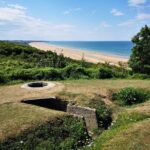
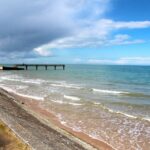
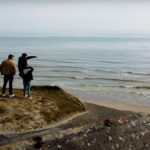
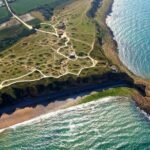
At Omaha Beach, you’re not just stopping for photos. You’ll have time for a visit and a guided walk-and-talk style explanation, framed by what you can observe on-site. The guide takes the time to talk about the sand, the obstacles, and the cost of gaining ground—metre by metre, not slogan by slogan.
This is where the tour’s “personal” strength really shows. One of the most praised parts is the way the guide explains the battle in human terms, including the units involved and how the terrain affected outcomes. You can hear the logic of the defenses without needing to be a military expert.
You’ll also get layers of interpretation tied to what the guide sees as you walk. From past guides’ commentary, expect discussion that connects the leadership and defensive setup to why Omaha became the most difficult of the five beaches. That kind of cause-and-effect framing is what turns a site visit into understanding.
Tip for your best experience: bring a short list of questions in your head. Even something simple like why the approach looked the way it did can lead to a clear, grounded explanation once you’re standing in the right place.
The Normandy American Cemetery at Colleville-sur-Mer: how to read the memorial

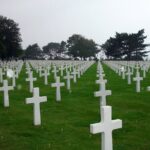
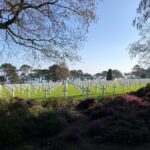
After Omaha, the tour moves to the Normandy American Cemetery, overlooking the sea at Colleville-sur-Mer. Here you get another guided visit, with enough time to walk through the rows and understand how the memorial fits into the landscape and the story of the landing.
This stop can hit hard, so the pacing matters. The guides are described as careful and respectful, and they help you connect the statistics of war to individual stories. They also guide you in reading the memorial layout and noticing details that you might otherwise miss if you were on your own.
A key practical point: the cemetery is emotionally intense, so having a guide who can explain without turning it into a lecture helps. Past riders highlighted moments where the guide’s approach made the visit feel personal, especially when navigating paths privately along the route toward the cemetery. If you’re the type who gets overwhelmed, a guide who controls the pace and keeps things clear can make all the difference.
A few more Bayeux tours and experiences worth a look



The sidecar ride itself: why the route feels like an advantage

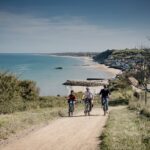
A big promise of this tour is quiet country lanes and roads that large vehicles can’t reach. That isn’t just marketing fluff. It changes how your day feels. You’re not stuck behind a slow coach or surrounded by constant sightseeing chatter. Instead, you’re riding through hedgerows, villages, and fields with panoramic views toward the Channel.
There’s also an energy to vintage sidecars: you feel every turn. It’s part thrill, part history lesson, and it tends to loosen people up so they can absorb the story without stiff museum mode. Just don’t mistake fun for something careless—safe driving is repeatedly emphasized in the ride stories.
If you’ve never done a sidecar tour, plan to treat it like a motorbike experience: keep your balance when stopping, and listen to what your driver says about where to sit and how to move during short stops. It’s simple, but it helps you feel confident fast.
Optional stop at Ferme de la Sapinière / Domaine La Sapinière: the calm after the coast

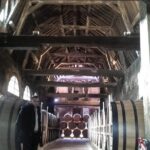
If you choose the option, you’ll add a stop at a traditional cider farm such as Ferme de la Sapinière, commonly listed as Domaine La Sapinière. This segment includes a photo stop and guided visit, followed by a tasting period of around 30 minutes.
What I like about adding this kind of stop is pacing. After sand, memorials, and serious facts, it’s a chance to reconnect with living Normandy—rural hills where apple trees still matter. The tour description points to local apple products such as cider and calvados, which is a nice contrast to the wartime story. You’re not just changing scenery; you’re changing your emotional register.
Also, the tasting stop gives you a reason to slow down naturally without making the day feel off-balance. If you skip it, you still get the main historical core, but if you add it, you leave with more than just remembrance. You leave with something Norman that still exists today.
Price and value: $293 per group for up to 2, and what that covers

The cost is listed as $293 per group up to 2, for a total duration of 2 hours. That pricing structure matters because you’re paying for a private experience with a driver-guide and the sidecar setup, not a seat on a larger vehicle.
So where’s the value?
- You get real guided time at Omaha Beach and the American Cemetery, with the guide explaining what you’re looking at.
- You get small-group flexibility, meaning you can ask questions and adjust the conversation if you’re new or if you’re more into strategies and units.
- You get transport to multiple sites with pickup and drop-off included, which saves you time and decision-making on a day you’ll want to keep simple.
The trade-off is that 2 hours is still 2 hours. You’re not trying to cover every memorial or every related museum in the region. This is a focused, high-impact arc: drive the countryside, walk the key places, then head back.
If you’re comparing options, I’d think in terms of what you want most: depth at two major sites, or a wider sweep that may move faster. If depth wins, this format tends to justify its price.
What to expect for timing: photo stops, walking time, and how to prepare

The schedule is built around short but meaningful segments: a castle stop, then Omaha Beach for around 50 minutes, then the American Cemetery for around 50 minutes. There are also photo stops and short scenic stretches, each around 10 minutes at the castle points.
That structure means you’ll get multiple “chapters” without the day feeling chaotic. Still, you should arrive ready to walk. Closed-toe shoes help, and your guide will take you at a pace suited to the group’s needs.
Because food and drinks are not included, I’d plan to carry a water bottle if it’s warm or if you know you get thirsty during vehicle transfers and walking. Also consider a light layer—Normandy can switch temperatures quickly, especially with sea wind.
Who this tour suits best (and who might want another plan)
This tour is a strong fit if you want:
- A private Normandy experience from Bayeux with intimate group size
- Serious D-Day stops at Omaha Beach and the American Cemetery, explained in context
- The combination of countryside driving plus respectful on-foot time
It may be less ideal if you:
- Want a full day packed with multiple sites beyond Omaha and the cemetery
- Prefer a self-guided visit where you control every minute without any guiding
- Have young children, since it’s listed as not suitable for children under 8
Should you book this Bayeux sidecar D-Day tour?
If your goal is to understand what happened at Omaha Beach and feel the meaning of the American Cemetery without rushing, I think this is an easy yes. The small group size, the sidecar ride quality, and the guide style matter here. Named guides from past rides like Manuel and Thierry show up in the feedback, and the consistent theme is safe driving, good humor, and clear explanations that answer questions.
Book it if you like your history grounded in geography and you enjoy a tour that balances emotion with straight facts. Consider adding the Sapinière tasting if you want a gentler landing back into modern Normandy at the end. And if you’re the type who needs more time per stop, plan a follow-up window on your own schedule so the day doesn’t feel squeezed.
FAQ
Where is pickup for this Normandy sidecar tour?
Pickup is available at several locations around Bayeux, including Bayeux Tourist Office (Place de la Gare), Arromanches-les-Bains, and Port en Bessin. Pickup is also offered at hotels within an approximate 15 km area around Bayeux.
How long is the tour?
The tour duration is 2 hours.
Is this tour private?
Yes. It’s a private group experience, with 1–2 guests per bike.
What language are the guides?
The live tour guide speaks English and French.
What’s included in the price?
Hotel pickup and drop-off are included, and you also get helmet, motorcycle glasses, and rain gear.
Are food and drinks included?
No. Food and drinks are not included.
What should I bring?
Wear closed-toe shoes. If it’s raining, the rain gear is provided, but comfortable footwear is still important for walking parts of the visits.
Is it suitable for children?
It’s not suitable for children under 8 years.
Can I cancel for a refund?
Yes. Free cancellation is available up to 24 hours in advance for a full refund.