REVIEW · BAYEUX
Bayeux: 2-hour tour of the D-Day beaches, by vintage sidecar
Book on GetYourGuide →Operated by Retro Tour Normandy · Bookable on GetYourGuide
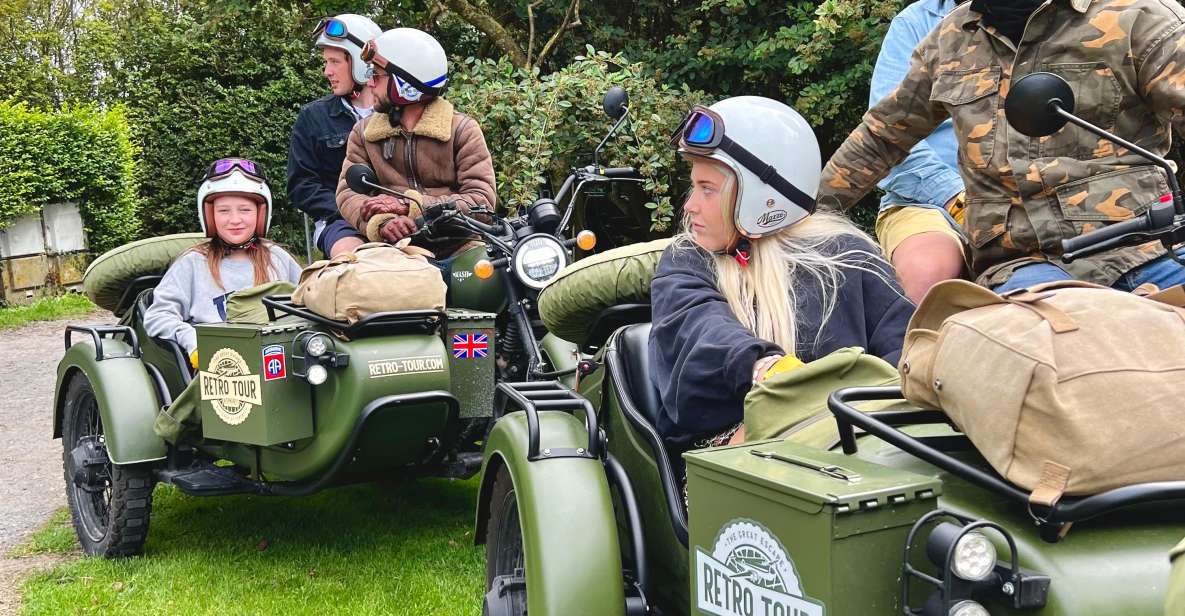
Riding to D-Day felt wild and respectful. This is a vintage sidecar tour that mixes motion and meaning: retro helmets, retro goggles, gloves, and rain gear help you feel set for the ride while a guide brings 6 June 1944 to life. I especially like the way the trip turns the drive itself into part of the story, with photo pull-offs on the same country roads that saw action in 1944.
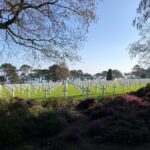
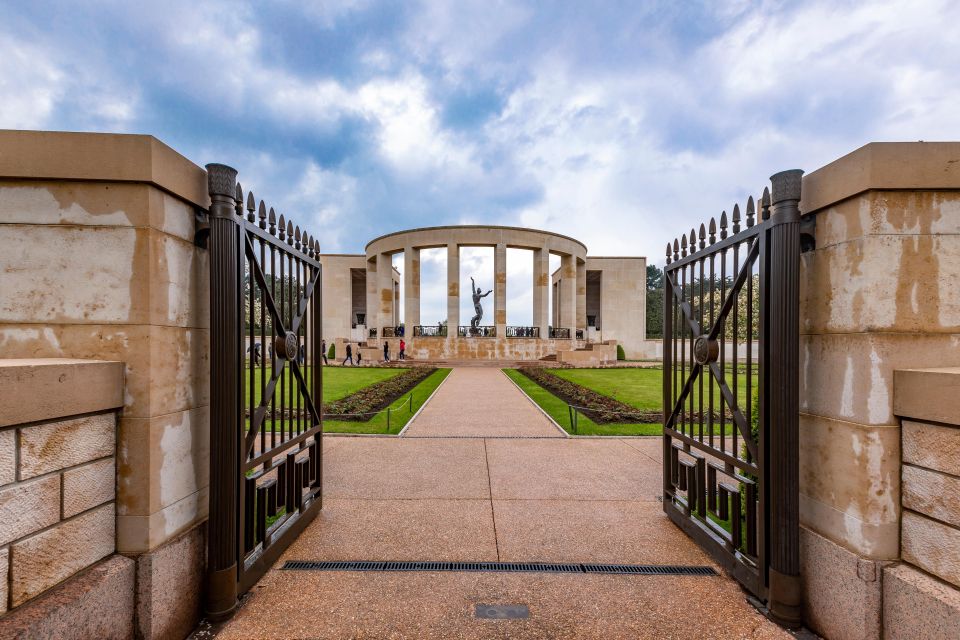
I also love the stop at the Normandy American Cemetery, where you get a guided walk and time to linger on what the site stands for, including the important details near Omaha Beach. One thing to consider: the schedule is tight for a 2-hour total visit, so you will not have long, unhurried hours at every place.
In This Review
- Key things to know before you go
- Bayeux to D-Day by sidecar: the point of the whole experience
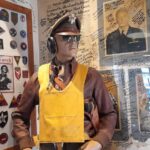
- The vintage gear matters more than you think
- Meeting your guide and riding setup: private, but not crowded
- Normandy American Cemetery at Omaha Beach: what the guided walk does for you
- Omaha Beach in 30 minutes: enough time to see, not enough to disappear
- Longues-sur-Mer and Widerstandsnest 62: the extra stops that round out the story
- Longues-sur-Mer battery (about 15 minutes)
- Widerstandsnest 62 (about 15 minutes)
- The countryside ride: why the photos feel natural, not forced
- Price and value: is $293 per group worth it?
- Who should book this sidecar D-Day tour
- Quick decision: should you book it
- FAQ
- How many people can ride in each sidecar?
- Where do we meet in Bayeux?
- Is this tour private?
- How long is the stop at the American cemetery and at Omaha Beach?
- What gear is included, and what should I wear?
- Is there free cancellation or flexible payment?
Key things to know before you go
- Vintage sidecar thrill with a WW2 purpose: you move fast, but the guide keeps it respectful and focused.
- American Cemetery at Omaha Beach: guided time with a walkthrough that helps the names and layout make sense.
- A countryside photo-focused ride: multiple short stops let you shoot wide views without feeling rushed.
- Short, specific stops at key coastal sites: you’ll see more than just one beach moment.
- English or French live guide: the storytelling is built around what you’re seeing outside your window.
- Safety-first setup: you ride as a passenger; you do not drive the sidecar.
Bayeux to D-Day by sidecar: the point of the whole experience
Bayeux is a smart home base for D-Day because it is close enough to cover real sites in a short day, without spending your time commuting. What makes this tour different is the transport. Instead of a bus and a generic lecture, you get a sidecar ride through Normandy lanes, then you park your emotions at the places where history still feels heavy.
The practical win is pacing. You are not stuck doing one stop after another in a straight line. You get motion between points, photo breaks on the way, and a clear rhythm: cemetery first, then Omaha Beach, then two additional coastal stops. It’s the kind of structure that works even if you do not arrive with a ton of background knowledge.
The guides also tend to set expectations fast. They explain what you are about to see, what matters, and what to look for, so the experience does not turn into a quick photo sprint.
A few more Bayeux tours and experiences worth a look



The vintage gear matters more than you think
You meet your guide and sidecar pilot at the tourist office, the train station, or your hotel in Bayeux. Then the tour basically starts with a kit check. You’ll be fitted with vintage helmets, retro goggles, gloves, and rain gear if needed, and there are storage spaces for personal items.
This matters for two reasons. First, it makes the ride more comfortable, especially if the wind picks up along the coast. Second, it keeps you focused on the moment. When you are not fiddling with clothing or worrying about staying warm, you can actually listen.
Two practical notes:
- Bring closed-toe shoes. Open-toed shoes are not allowed.
- Keep small valuables secure. People talk about keeping important items inside zipped pockets, because you are moving around a bit and you do not want to stress about your phone or camera.
Meeting your guide and riding setup: private, but not crowded
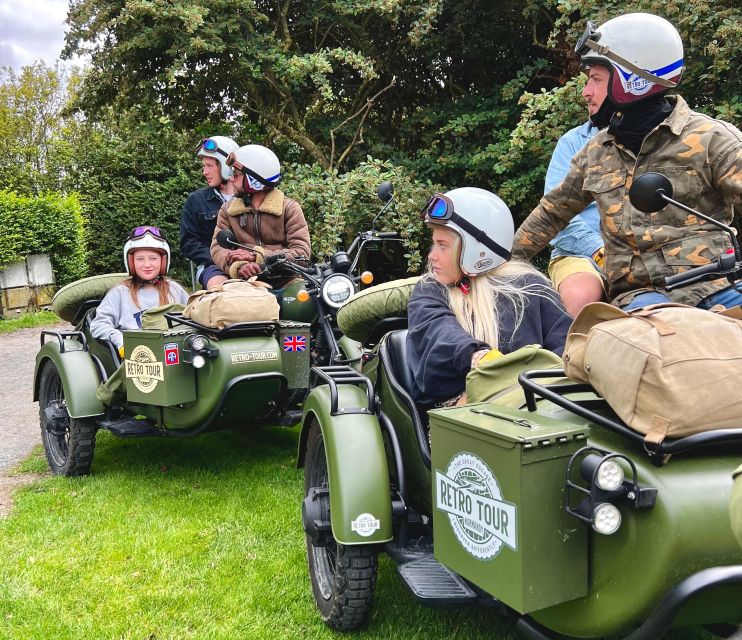
This is a small, group-friendly tour model. Each sidecar can carry one passenger seated behind the pilot and one passenger seated in the sidecar basket. Across the full tour, you’re in a range of 1 to 8 passengers total, and it’s designed for duos, families, and small groups.
Also important: for legal and safety reasons, the sidecars cannot be driven by customers. You ride, you look, you listen. You’re not trying to steer anything while the guide handles the road.
Language is English or French. And the tone seems to be part history lesson, part good company. Names like Philippe and Remy show up often in the guide lineup, and the common theme is passion plus a caring pace when people need it.
Normandy American Cemetery at Omaha Beach: what the guided walk does for you
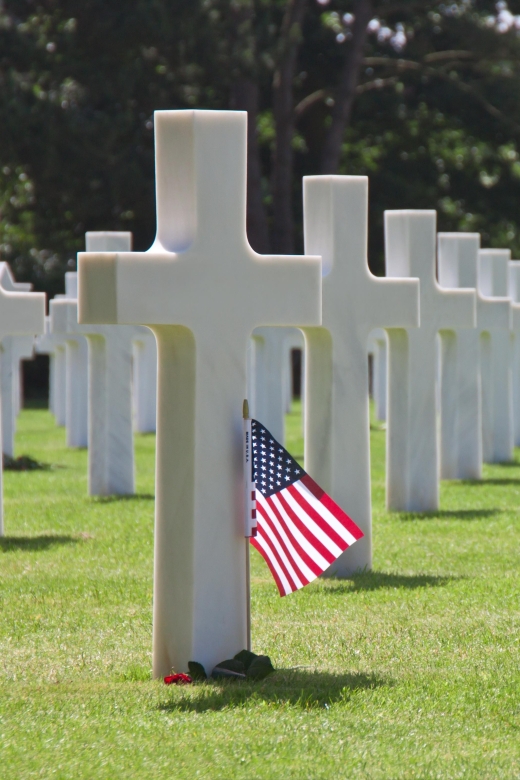
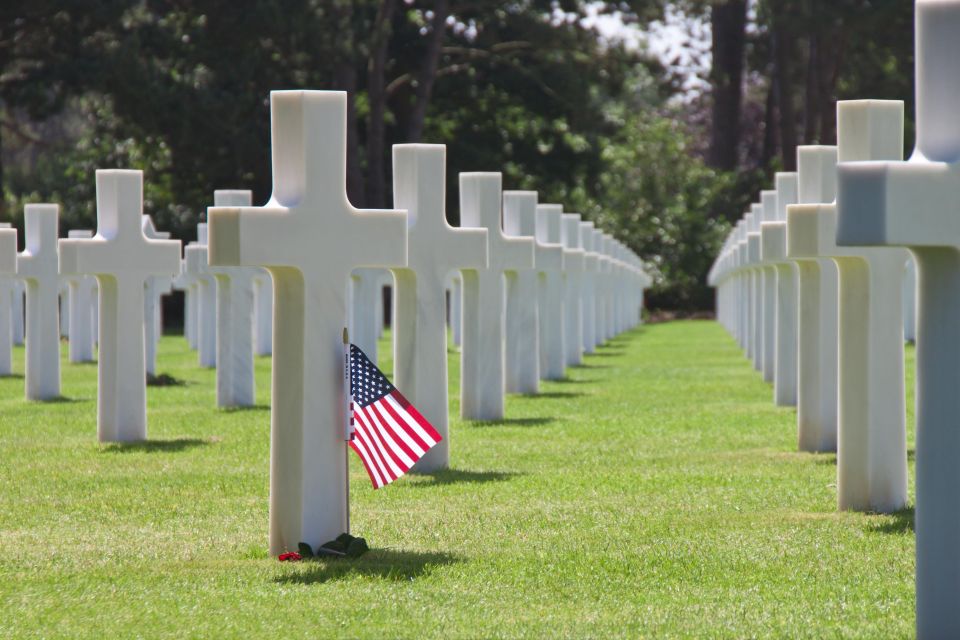
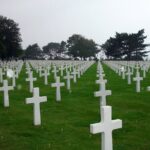
The tour’s first big stop is the Normandy American Cemetery. You get about 1 hour here, including a photo stop, a visit, a guided tour, and time to walk. This is the centerpiece moment for a reason: it’s where names, dates, and geography click together.
Even if you have read a lot about D-Day, a cemetery visit can feel abstract unless someone connects the dots. A good guide does that by pointing you toward the layout and the meaning behind what you are seeing, so you’re not just standing in silence taking photos.
Expect the tone to shift here. You’re not doing sightseeing in the casual sense. You’re learning why Omaha Beach matters, and why this site matters to the families and to the broader story of June 1944.
If you’re the type of traveler who wants to understand more than just where the landings happened, this stop is the main reason the tour earns repeat bookings.
Omaha Beach in 30 minutes: enough time to see, not enough to disappear
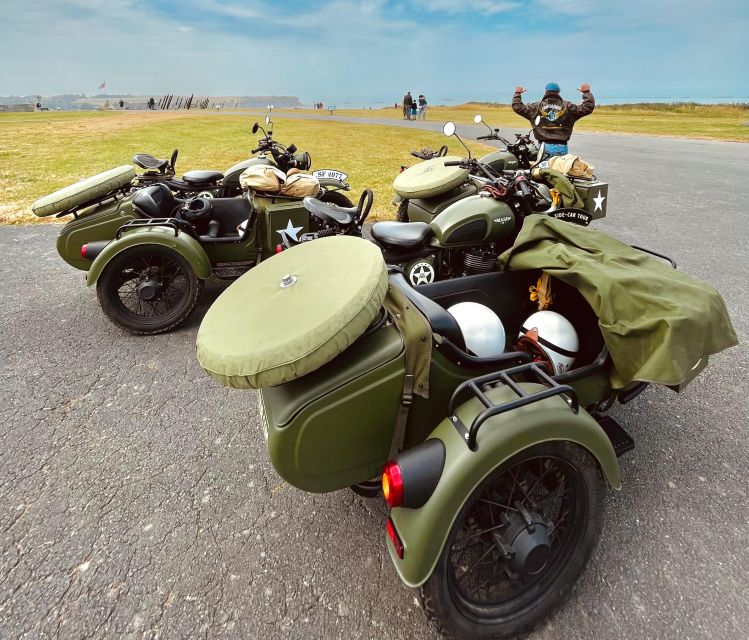
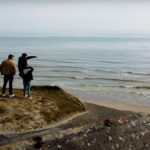
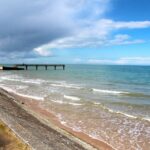
After the cemetery, you head to Omaha Beach. You’ll get about 30 minutes here, including a break time, photo stop, visit, guided tour, and a short walk.
Thirty minutes is not long. That’s the trade-off for seeing multiple sites in a 2-hour tour total. If your ideal D-Day day is slow and reflective, you might want a longer version of this experience. But if you want a strong starter course that still hits the emotional core, this timing can work well.
Use that half hour like a checklist:
- Take a few photos, then look up and take in the scale.
- Listen for what your guide connects to the terrain.
- Walk the shoreline edge only as far as you can comfortably manage in the time you have.
The best part is that you arrive with context from the cemetery. That means Omaha Beach stops being a generic coastline and becomes a specific place in a specific sequence of events.

Longues-sur-Mer and Widerstandsnest 62: the extra stops that round out the story
After Omaha Beach, the tour keeps moving with two short coastal visits.
Longues-sur-Mer battery (about 15 minutes)
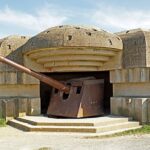
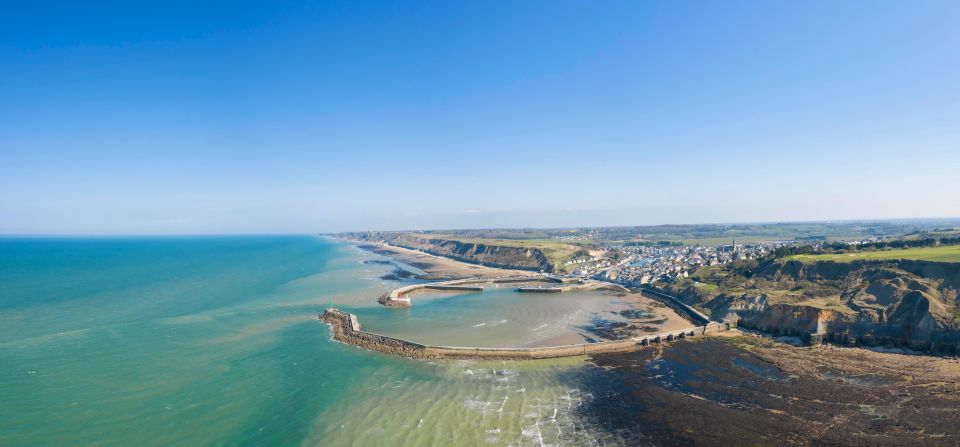
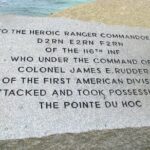
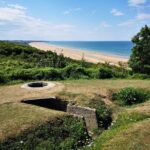
You’ll get around 15 minutes at Longues-sur-Mer, with a visit, guided tour, sightseeing, and a walk. This stop is valuable because it adds a different kind of perspective to the D-Day story. You get a feel for how the coastline and coastal defenses shaped what was possible on June 6.
The drawback is obvious once you see the schedule: 15 minutes is short. You will not learn everything you want about the site. But you will leave with enough orientation to understand why people fought where they fought.
Widerstandsnest 62 (about 15 minutes)
Then comes Widerstandsnest 62, also about 15 minutes with a break time, photo stop, visit, and guided tour. The name sounds technical, and the visit keeps things practical: you’re looking for the story your guide connects to the location.
This kind of stop works best if you like piecing together a narrative. You’ll come away thinking less about one single moment and more about the system around the landings.
The countryside ride: why the photos feel natural, not forced
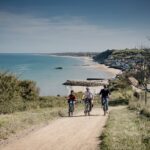
Most of the fun is the ride itself. After meeting and gearing up, your guide takes you on a countryside segment of about 30 minutes with multiple photo stops. You’re driving roads that saw 1944 events, and the scenery helps you understand the geography without needing a map in your lap.
Here’s what I like about the way the stops are set up: they’re brief and purposeful. You stop long enough to see, shoot, and reset your brain. Then you’re back on the sidecar, moving toward the next key site.
This matters because D-Day sites can feel repetitive if you visit too many back-to-back. The ride resets you, and the photos give your eyes a chance to rest before the next emotional stop.
If it’s raining, rain gear is included. Still, check the weather and dress for wind. A sidecar ride can feel chilly even when the sun is out.
Price and value: is $293 per group worth it?
The price is $293 per group up to 2 passengers for a 2-hour experience. That can sound like a lot until you break down what’s included.
You’re not just paying for transport. You get:
- A private guide
- A private driver
- A vintage sidecar motorcycle setup in American military colors
- Included retro safety gear (helmets, goggles, gloves, rain gear)
- Pickup and drop-off at a location of your choice in Bayeux
And you’re getting access to a guide who explains what you’re seeing, instead of just pointing out sights. With a tour focused on high-impact locations like the Omaha Beach cemetery area, that storytelling is the value driver.
One practical note: your pickup options can depend on where you’re staying. The information you’re given includes meeting in Bayeux, and it also lists other towns for pickup/drop-off. So when you book, confirm your exact start location and timing.
If you’re a solo traveler, this can still be a great deal because the tour is structured for small groups and you’re not competing with strangers for space. But the best price-per-person math is usually when two people share the group slot.
Who should book this sidecar D-Day tour
This is a great match if you:
- Want a private feel without a full day commitment
- Like history with human stories, not just facts on a signboard
- Enjoy the thrill of a vintage vehicle and don’t mind a short, structured schedule
- Prefer being outside a lot rather than inside a museum room all morning
It’s also family-friendly in the sense that the tour can work for families, and it has a small-group format. The catch is age: it’s not suitable for children under 5.
For wheelchair users, it’s listed as wheelchair accessible. Because sidecar boarding can involve real-world constraints, you should confirm the setup with the operator when you reserve.
Quick decision: should you book it
Book this tour if you want a tight, high-impact D-Day hit with a guide who makes the American cemetery at Omaha Beach land in your brain and your heart. It’s also ideal if you want the experience to feel like Normandy, not just a history list.
Skip or consider a longer option if you know you’ll want lots of time walking on Omaha Beach or sitting with the cemetery without watching the clock. This one is built for momentum: you see the key stops, get context, and move on.
Either way, pack sensible shoes, keep your valuables secured, and show up ready to listen as much as you look.
FAQ
How many people can ride in each sidecar?
One person sits behind the pilot on the motorcycle, and one person sits in the sidecar basket. That means 1 to 2 passengers per sidecar.
Where do we meet in Bayeux?
You meet your guide and sidecar pilot in front of the tourist office, at the train station, or at your hotel of choice in Bayeux.
Is this tour private?
Yes. It includes a private guide and a private driver.
How long is the stop at the American cemetery and at Omaha Beach?
The Normandy American Cemetery stop is about 1 hour, and the Omaha Beach stop is about 30 minutes.
What gear is included, and what should I wear?
Retro helmets, retro goggles, gloves, and rain gear (if needed) are included. Open-toed shoes are not allowed, so wear closed-toe footwear.
Is there free cancellation or flexible payment?
Free cancellation is available up to 24 hours in advance for a full refund. You can also reserve now and pay later.