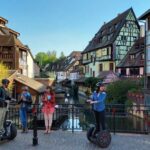
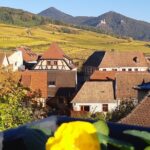
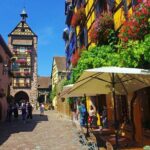
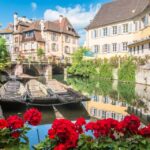
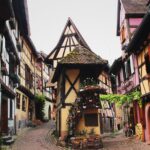
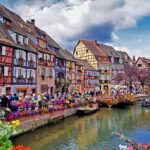
Colmar clicks fast when someone else leads. This private walking tour is a smart way to sample the best of Colmar—often called the Little Venice of France—without spending your day guessing where to go next. You’ll move through classic photo stops and everyday streets with a guide who can shape the route to your interests.
I especially like that you get undivided attention. For a group of up to 15, it stays personal, and you’re not competing with big tour crowds. I also like the mix of places: markets and church exteriors, plus canal-side streets that show you why Colmar feels so distinct.
One consideration: entrance fees aren’t included, so if you plan to go inside ticketed spots, you’ll need a little extra budget. Also, the walk runs about 2 hours, so it’s best for people who want a tight highlights tour rather than a slow, linger-everywhere day.
In This Review
- Key takeaways before you go
- Colmar in 2 hours: why this walk works
- Price and value: $323.94 per group (up to 15)
- Logistics that actually matter: meeting point, timing, and comfort
- The Colmar highlights you’ll walk past (and what to watch for)
- Covered Market: start with the city’s everyday rhythm
- Cafe Jupiler: a small, fun break in the middle of the sights
- Saint Martin Collegiate Church: a landmark you can actually read
- Restaurant Au Koïfhus: history you can taste (even if you don’t eat there)
- Old Customs House: trade routes you can sense in the streets
- Maison des Têtes: façades that reward a slow look
- Dominican Church: a different church feel without leaving the loop
- Pfister House: one of those façades you remember later
- Le Caveau Saint-Pierre: wine-cellar energy in walking form
- Quai de la Poissonnerie: your Little Venice payoff
- Ending at Parking de la Mairie: an easy launchpad for what comes next
- Guides: the difference between a walk and a real tour
- How to get the most out of your two-hour walk
- Who this private Colmar tour suits best
- Should you book this Colmar private walking tour?
- FAQ
- How long is the Colmar private walking tour?
- Is the tour private?
- What language is the tour offered in?
- Is anything besides the guide included in the price?
- Where does the tour start and end?
- Can I cancel for a full refund?
Key takeaways before you go
- Private guide, your group only: you’re not folded into a crowd tour.
- Route flexibility on the spot: follow the suggested flow or adjust based on what you care about.
- A tour built for first-timers: you’ll hit the main landmarks in a logical walking loop.
- Market-to-canal variety: covered market stops pair well with the quieter river quays.
- Entrance fees are separate: plan for any paid interiors you want to see.
- Schedule fits a busy day: about two hours, with morning or afternoon departure options.
Colmar in 2 hours: why this walk works
Colmar can overwhelm you—in a fun way. One minute you’re staring at storybook façades, the next you’re trying to figure out which church or canal corner to visit next. This tour is designed to fix that problem quickly. You get a guided route that ties the highlights together so you finish with a sense of the city, not just a handful of photos.
The name Little Venice of France is earned here, especially when you’re near the Quai de la Poissonnerie. That canal-side feel helps the whole town make more sense. And because you’re doing it with a professional guide, the walk isn’t just moving from landmark to landmark. It’s also about context: why these streets are laid out the way they are and what each stop tells you about Colmar’s character.
You’ll also like that it’s easy to fit into your plans. The tour runs about 2 hours, and you can choose among departure times in the morning or afternoon range. That matters if you’re balancing museum hours, meals, and market time.
You can also read our reviews of more walking tours in Colmar


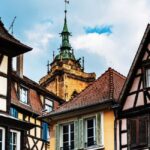
Price and value: $323.94 per group (up to 15)
The price is listed as $323.94 per group, with a group size up to 15 people. That means your value depends on your headcount. If you’re traveling solo, it’s a private-tour premium. If you’re going with a couple friends or a small family group, the per-person cost drops fast.
What you’re paying for is not just walking with someone. You’re buying:
- a local guide who is with your group only
- a private guided tour
- the chance to customize the route with your guide on the spot
Entrance fees are not included, which keeps the base price straightforward. It also gives you flexibility: if you only want exterior views at some stops, you can save money. If you do want to step inside, you can decide case by case once you’re there.
In my view, this tour is best value for three situations:
- You have limited time and want the main highlights in one clean loop.
- You want personal recommendations for food and what to see next.
- You prefer a guide to keep you from zig-zagging across town.
Logistics that actually matter: meeting point, timing, and comfort
The tour starts at 13 Rue des Écoles, 68000 Colmar, France and ends near Parking de la Mairie (Pl. de la Mairie, 68000 Colmar, France). Because the end point is also central, it’s easier to continue your day right after the tour, whether you’re heading to lunch, a paid attraction, or another neighborhood walk.
You’ll receive a confirmation at booking time, and the experience uses a mobile ticket. It’s also listed as being near public transportation, which helps if you’re arriving from outside Colmar or want to hop on a bus or tram afterward.
Most people can participate, and service animals are allowed, which is great if that applies to your group. The pacing is built for a typical walking city tour. Still, remember this is about 2 hours. If you want long pauses, shopping stops, or museum-style time at every church, build in extra time before or after.
The Colmar highlights you’ll walk past (and what to watch for)
This route is structured like a practical tour of the old-town core. You’ll pass through market life, historic buildings, major churches, and canal-side streets. Here’s how each stop helps you understand Colmar.
Covered Market: start with the city’s everyday rhythm
You’ll begin with the Covered Market, a natural orientation point. Markets like this do two things at once: they show what locals buy and where the energy of the neighborhood lives. Even if you don’t plan to snack heavily, you can use this stop to get your bearings and start noticing street patterns.
A possible drawback: market areas can be busy depending on the day. If you want photos without crowds, ask your guide about the best angles and when to move on.
You can also read our reviews of more guided tours in Colmar
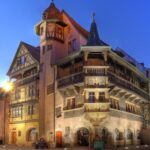


Cafe Jupiler: a small, fun break in the middle of the sights
Next up is Cafe Jupiler. This stop works as a reset. It’s a good place to regroup, ask your guide questions, and decide whether you want a quick drink break while the tour is still moving.
Since what’s possible varies day to day, think of this as a “pause and people-watch” moment rather than a guaranteed meal stop.
Saint Martin Collegiate Church: a landmark you can actually read
You’ll see Saint Martin Collegiate Church, one of the big visual anchors of Colmar. Church exteriors are perfect for a short guided stop because you can take in the shape of the building quickly and still learn what makes it important.
The benefit here is context. A guide can help you spot what to look for so the church doesn’t just become another pretty façade. The consideration: if you want to go inside, remember entrance fees aren’t included.
Restaurant Au Koïfhus: history you can taste (even if you don’t eat there)
At Restaurant Au Koïfhus, you get a look at a famous old setting where food and heritage mix. Even if you don’t order anything, this kind of stop is about showing how Colmar preserved character. It also sets you up for smart dinner planning later.
In at least one case, guides have pointed out specific restaurants where people had a great meal afterward. That’s the real payoff: the tour can turn into a food map for your remaining time.
Old Customs House: trade routes you can sense in the streets
Next is the Old Customs House. Buildings like this help you understand why Colmar grew where it did. Once you see a customs-related building, the canal and river economy theme becomes easier to connect. You start noticing that the city’s beauty isn’t only decorative—it reflects movement, trade, and prosperity.
If you’re the type who likes practical explanations, this stop usually lands well because it connects architecture to real-world history.
Maison des Têtes: façades that reward a slow look
At Maison des Têtes, you’re in the zone of decorative detail. Stops like this are where a guide helps you avoid “photo and move on.” You’ll want a minute to stare and then look again after learning what you’re seeing.
A simple tip: keep your camera handy, but don’t rush. This is a stop where one extra minute makes a difference.
Dominican Church: a different church feel without leaving the loop
You’ll also see the Dominican Church. Comparing multiple church stops back-to-back is surprisingly useful. Even when you’re not going inside, you can see differences in design language and learn how each building plays a role in the city’s identity.
The only caution: if your group is more interested in markets and less in architecture, ask your guide to adjust pacing so you still spend time where you care most.
Pfister House: one of those façades you remember later
Then comes Pfister House, another landmark that draws attention fast. This is the kind of stop that often becomes a “wait, we saw that already” moment later in your trip, because the details stick in your mind.
If your group includes photographers, this is usually where you’ll want to take your time. If you’re short on energy, lean on your guide to point out what matters so you don’t have to figure it out alone.
Le Caveau Saint-Pierre: wine-cellar energy in walking form
Le Caveau Saint-Pierre appears on the route as a flavor of Alsace cellar culture. Even if you don’t book a tasting, the stop helps connect Colmar to the broader Alsace food-and-wine scene.
Since the tour isn’t listing paid tastings as included, treat this as a guided introduction point. Your guide can also suggest what fits your time and budget.
Quai de la Poissonnerie: your Little Venice payoff
The Quai de la Poissonnerie is the payoff for the Little Venice nickname. This canal-side area gives you the scenic “Colmar postcard” view, and the guided context helps you understand why this waterfront mood matters to the town’s story.
This is also a good area to slow down for a final set of photos. Watch for your guide’s timing so you don’t get stuck taking pictures while the rest of the group is moving.
Ending at Parking de la Mairie: an easy launchpad for what comes next
The walk ends at Parking de la Mairie. Ending near a central parking area is practical. You get a clear finish point, and it’s easier to transition to lunch, a museum, or a short taxi or transit hop.
Guides: the difference between a walk and a real tour
A big part of why this works is the private guide setup. The guide is there for your group only, so you can ask questions as you go. You’re not stuck with a headset format where questions get cut off.
Some guides have been praised for being funny and for making the route feel personal rather than scripted. People have also mentioned guide names like Muriel and Rudolf, with strong feedback about city knowledge and the ability to answer questions clearly. One standout theme: the humor and story-telling make the landmarks easier to remember.
You’ll also find that private guiding often means better communication. Meeting points can be a headache in historic centers, but you’re working with someone who focuses on clear direction and timing so you’re not wandering around confused.
And because the tour can be customized on the spot, you can steer it a bit. If your group wants more photos, you can ask for pacing tweaks. If you care more about architecture than markets, you can shift the emphasis.
How to get the most out of your two-hour walk
This kind of tour rewards planning. Here are the moves that help you feel like you got your money’s worth.
1) Decide your priority before you start.
If your goal is the canal views and classic façades, say so early. If your group is hungry and wants market energy, tell the guide and you can plan where to pause.
2) Ask for two recommendations, not ten.
A good private guide should be able to point you toward dinner or a follow-up stop. In particular, guides have been praised for restaurant suggestions that led to a great meal afterward. Ask for:
- a dinner pick for tonight
- one extra thing to see tomorrow or later that fits your time
3) Budget for entrances if you want interiors.
Because entrance fees are not included, decide what you want to pay for ahead of time. Your guide can help you choose what’s worth it once you’re standing in the right place.
4) Wear shoes for old-town walking.
Even without hills, historic centers add up fast. This is a walking tour at a city pace, so comfortable footwear makes the difference between a fun walk and a sore-foot day.
5) Treat the first market stop as orientation.
The Covered Market and the nearby streets help you understand the layout. If you start strong, the rest of the route feels smoother.
Who this private Colmar tour suits best
This is a great match if you want a focused introduction to Colmar. It’s especially good for:
- First-time visitors who want highlights without mapping every turn
- Groups up to 15 who can split the group cost and prefer a shared guide
- People who enjoy architecture plus local atmosphere, not just one or the other
- Travelers who prefer a route that can be adjusted on the spot
It may be less ideal if you already know Colmar well and just want to wander on your own with no guidance. Also, if your group only wants indoor sites and you plan to pay for multiple entrances, the entrance-fee add-ons can change the cost picture.
Should you book this Colmar private walking tour?
Book it if you want to get Colmar’s main highlights into your head fast, with a private guide who can answer questions and adapt the route. At $323.94 per group, it can be a smart value when you have multiple people, and it’s a practical use of a short time window.
Skip it or rethink it if you’re trying to squeeze in a lot of ticketed interiors without extra budget, since entrance fees aren’t included. Also, because the tour runs about 2 hours, it’s a highlights walk, not a slow, sit-for-a-long-lunch day.
If your goal is to leave Colmar feeling oriented and confident about where to go next, this private walk is one of the cleaner ways to do it.
FAQ
How long is the Colmar private walking tour?
It lasts about 2 hours.
Is the tour private?
Yes. It’s a private tour/activity, and only your group participates.
What language is the tour offered in?
The tour is offered in English.
Is anything besides the guide included in the price?
The tour includes a local guide for your group only and the private guided tour. Entrance fees are not included.
Where does the tour start and end?
It starts at 13 Rue des Écoles, 68000 Colmar, France, and ends at Parking de la Mairie, Pl. de la Mairie, 68000 Colmar, France.
Can I cancel for a full refund?
Yes. You can cancel up to 24 hours in advance for a full refund.