REVIEW · COLMAR
Colmar: Highlights Walking Tour and Wine Tasting
Book on GetYourGuide →Operated by Bretzel&Fun · Bookable on GetYourGuide
Colmar tastes like Alsace, not just looks. This walking tour plus wine tasting is a fast, friendly way to get oriented in the Old Town and then put what you learned to work with a proper sip of Alsace.
I especially like two things: the chance to follow the story of Colmar through half-timbered streets and major architectural eras, and the wine stop that happens in the city at places like Domaine Karcher / Robert Karcher & Fils, not a “somewhere nearby” add-on. You also get an actual guide-led tasting format, with staff explaining what you’re tasting and why.
One thing to consider: this is a real walk. It runs rain or shine, so wear shoes that handle cobblestones if the weather turns.
In This Review
- Key Highlights You’ll Notice Fast
- Why Colmar’s Wine Capital Story Works So Well on a Walk
- Meeting at Parc du Champ de Mars (Fontaine Bruat) and Starting Off Right
- Old Town Colmar: Half-Timbered Color and Cobblestone Atmosphere
- The Stories Behind Alsace: French-German Influence You Can Actually See
- From Streets to Cellar: What Your Wine Tasting Really Includes
- What Small-Group Size Changes (And Why It Matters in Colmar)
- Price and Value: Why $53 Feels Fair for 2 Hours
- Who This Tour Fits Best (And Who Should Rethink It)
- Bottom Line: Should You Book This Colmar Walk and Wine Tasting?
- FAQ
- How long is the Colmar highlights walking tour and wine tasting?
- What is included in the price?
- Where do we meet the guide?
- Which languages are offered?
- How big is the group?
- Is the tour canceled if it rains?
- What wines will I taste?
- Can I get a refund if my plans change?
Key Highlights You’ll Notice Fast
- Local perspective from guide Nicolas, with Colmar pride baked into the explanations
- Old Town pacing that fits 2 hours, so you come away with bearings and not just photos
- Alsace architecture in context, from Renaissance dwellings to Gothic sanctuaries
- Wine tasting in Colmar proper at a cellar with deep roots (Robert Karcher & Fils dates to 1605)
- Small group capped at 6, which keeps questions and conversation easy
- Taste-led learning, often including cellar viewing (barrels) and guided discussion of Alsatian whites
Why Colmar’s Wine Capital Story Works So Well on a Walk
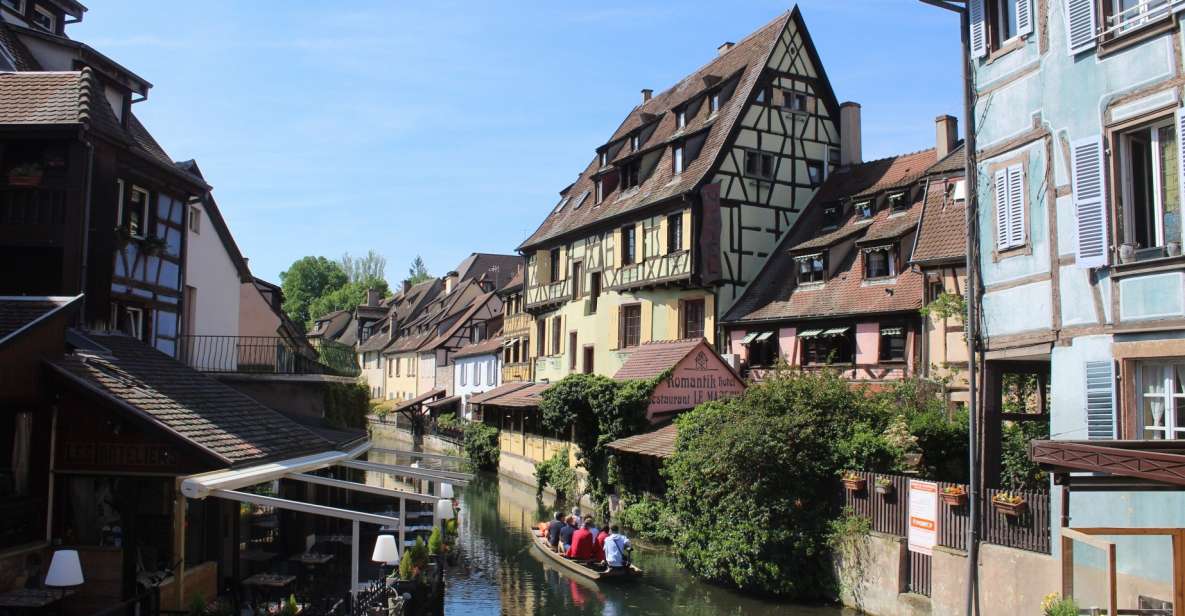
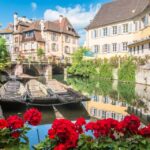
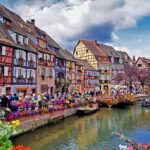
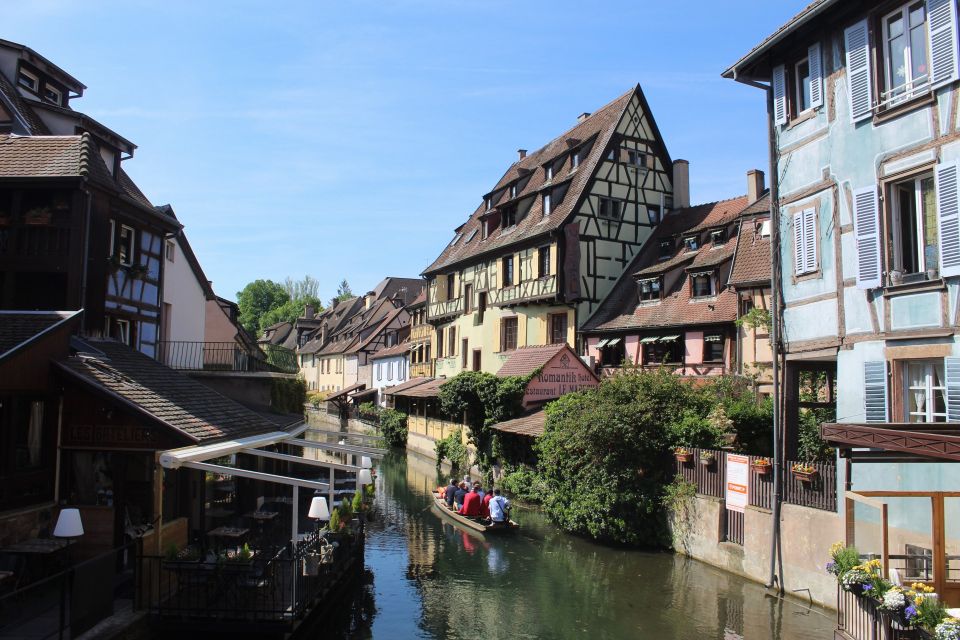
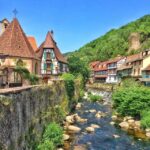
Colmar is one of those places where the visuals can distract you. Colorful houses, canal views, candy-box streets. The twist here is that the guide ties all of it to why Colmar matters in Alsace wine culture.
You’ll walk through the Old Town while learning how the region’s “French-and-German” identity shows up in everyday life, including the grapes and winemaking traditions. That’s what makes the experience more than just pretty scenery.
And then you get the payoff: you taste Alsatian white wines right after you’ve heard the background. It’s a simple structure, but it lands. If you’ve ever visited a wine town and felt like you didn’t connect the dots, this format helps.
You can also read our reviews of more walking tours in Colmar

Meeting at Parc du Champ de Mars (Fontaine Bruat) and Starting Off Right
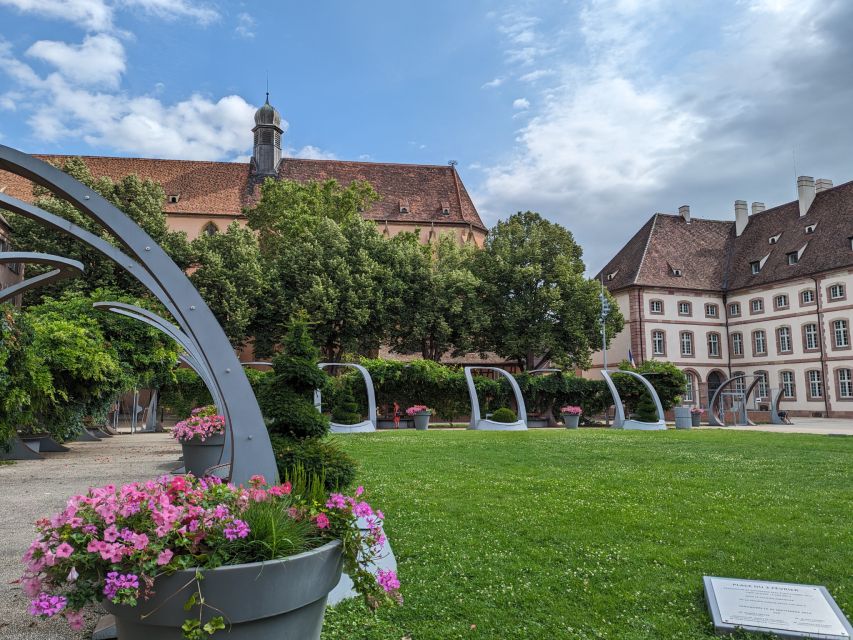
You meet your guide in Parc du Champ de Mars, at the fontaine Bruat. It’s a straightforward start point, and that matters on a short tour. With only two hours total, you don’t want to spend the first 20 minutes wandering around looking for the group.
Bring layers. Even in decent weather, mornings in Alsace can feel cool once you’re off the sunny streets. And since it’s rain or shine, plan for a light drizzle and wet stone underfoot. A compact umbrella or a hooded jacket is usually enough.
If you’re the type who likes to ask questions, this is a good group size for it. The cap is 6 participants, and that keeps the tour conversational rather than lecture-style.
Old Town Colmar: Half-Timbered Color and Cobblestone Atmosphere
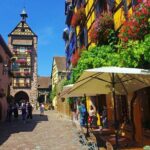
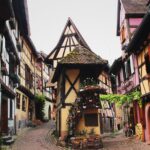
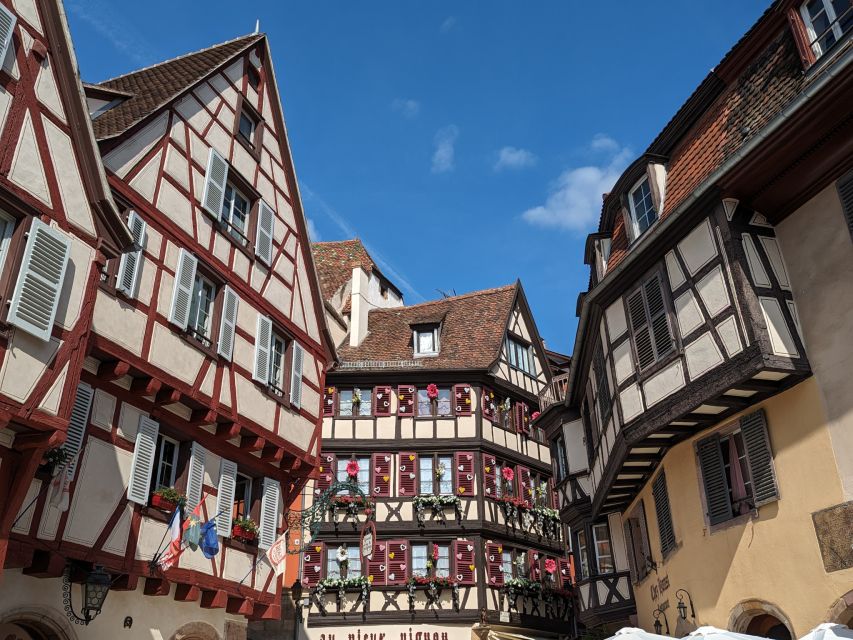
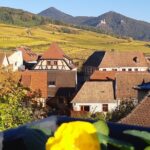
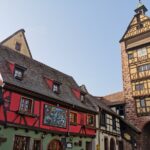
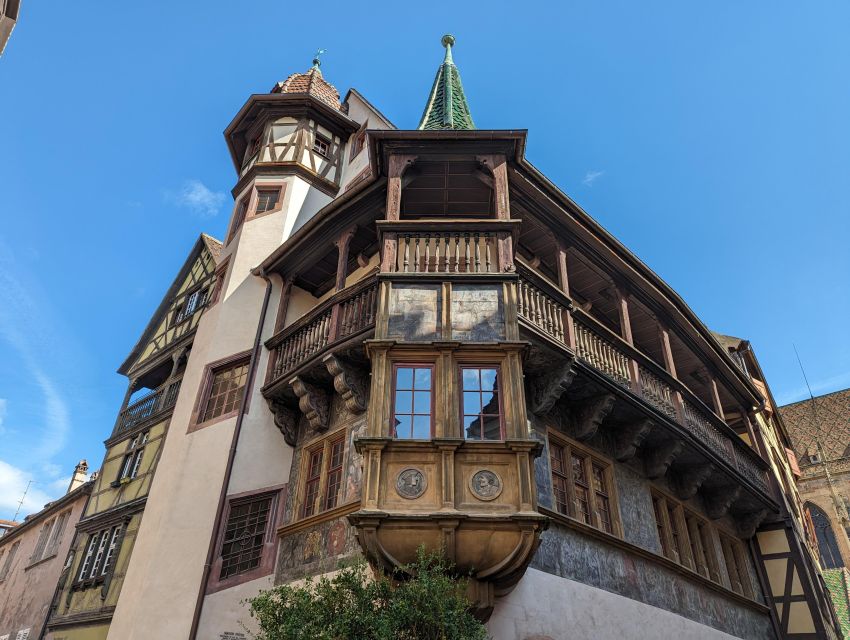
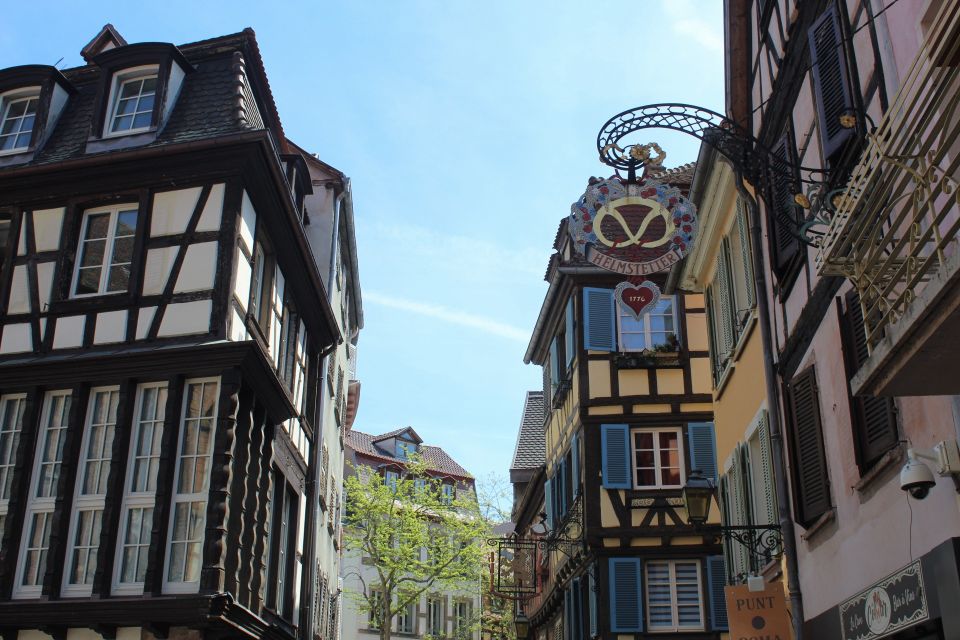
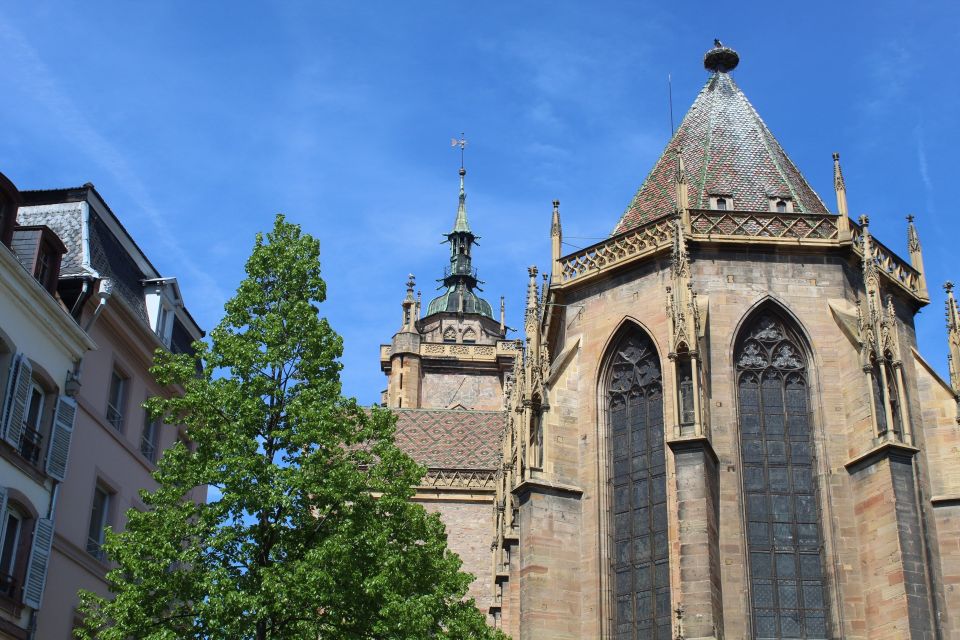
The walking portion is built around the historic center: Renaissance dwellings, Gothic sanctuaries, narrow lanes, and cobblestone streets that make you slow down on purpose. You’ll get that fairytale vibe people come for, but with context attached.
Half-timbered houses are the obvious draw, and you’ll see plenty of them. The guide’s job is to help you read them, not just admire them. Look at the shapes, the colors, and the way buildings face the street. In Colmar, architecture tells you what mattered to the town at different moments in time.
You’ll also spend time in the medieval core vibe—tight streets, quick turns, and those little “how is this street so pretty” moments. The tour doesn’t try to cover every square inch of Colmar. Instead, it hits enough key areas that you understand the town’s layout and character before you go off on your own.
One practical note: because you’re walking through older streets, your pace depends on the cobblestones. Go slow, especially after rain. It’s not hard, just different from walking on flat modern sidewalks.
The Stories Behind Alsace: French-German Influence You Can Actually See
Colmar sits in Haut-Rhin and carries the “Alsace wine” identity in a very visible way. The guide explains why the town is often called the Capital of Alsace Wines—and it’s not just marketing talk.
You’ll learn how the region’s culture blends influences, which helps explain why Alsace feels distinct from both France and Germany. That French-German mix shows up in more than history books; it’s present in food habits, local attitudes, and the way wine culture developed and stayed central.
In my favorite moments, the guide connects the dots between street life and wine. You hear why whites matter so much here, then you see the town as a place built around that seasonal rhythm of harvest, cellars, and tradition.
If you like history that shows up in real places (not just dates), this part of the tour is the glue. It makes the later tasting feel earned rather than random.
From Streets to Cellar: What Your Wine Tasting Really Includes
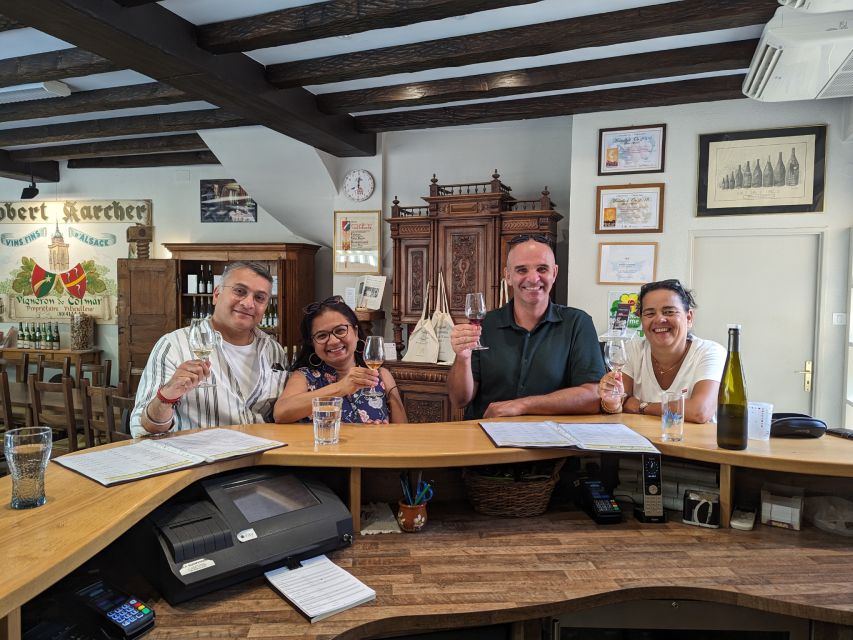
After the Old Town highlights, you head to an in-town winery for the tasting. This is one of the strongest parts of the experience because it’s not treated like a separate world.
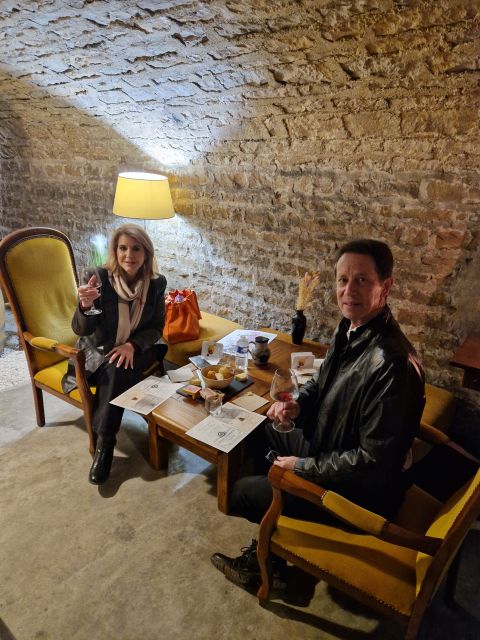
The tasting is focused on Alsatian white wines, with familiar grapes such as Gewürztraminer, Riesling, and Pinot Gris. You’ll learn about grape varieties and Alsace wine culture while tasting, which helps you understand what you’re drinking.
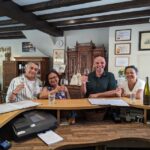
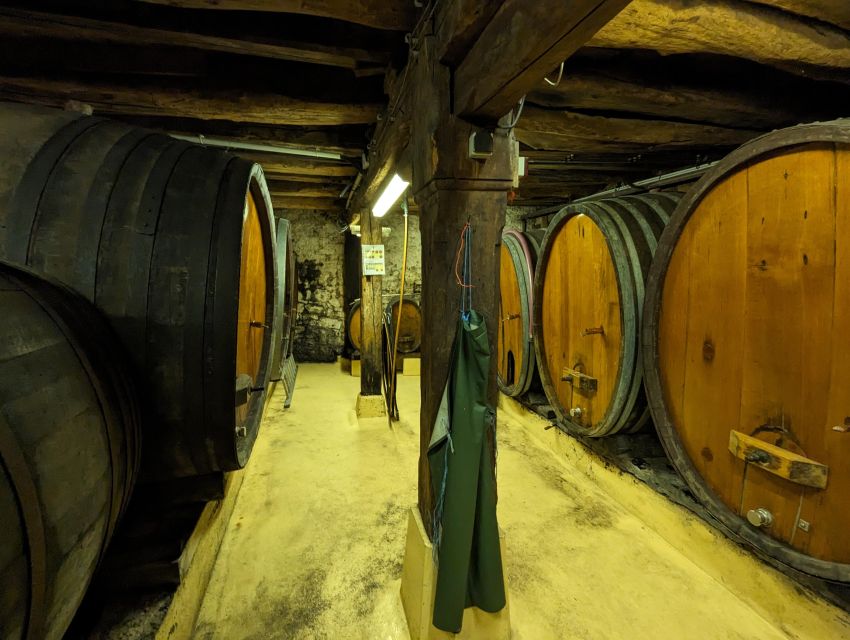
At wineries like Robert Karcher & Fils / Domaine Karcher, you may also get a look at the cellar side of things—places where barrels and aging happen. It adds a sense of reality. You’re not just swallowing a few sips. You’re seeing the process and then tasting outcomes.
A nice bonus in how the tasting is run: you can typically choose your wines. One example you might see is selecting three wines from a menu of around 24 options. That lets you steer the tasting toward what you actually like—crisp and dry, aromatic and spicy, or something in between.
If you want a practical tip: try to ask what pairs best with your dinner plans that night. White Alsace wines can be versatile, but knowing what the staff recommends can save you from guessing at a restaurant wine list.
You can also read our reviews of more food & drink experiences in Colmar


What Small-Group Size Changes (And Why It Matters in Colmar)
With the group limited to 6 participants, the tour stays flexible. You’re not just collecting landmarks while everyone else marches on. You can stop for questions, ask about a building style you noticed, or get help interpreting what you just saw.
This also keeps the vibe relaxed. Many people use this tour as their first move in Colmar, and that works because you leave with more than a route. You leave with a mental map of the town’s logic, plus names and ideas you can follow later.
The best effect is that you can talk like a real person with the guide. For example, Nicolas is known for storytelling and local insight, including personal touches that make the town feel like someone’s home rather than a museum.
And the wine tasting stays part of the same experience. You get guided pours, explanations, and time to chat with the winery team.
Price and Value: Why $53 Feels Fair for 2 Hours
$53 per person can look like “just another walking tour.” But here’s what you actually get for that price:
- A guided walk through major Old Town themes (architecture, history, town identity)
- A guided tasting of Alsatian whites, not just one glass at a bar
- Access to an in-city winery experience, with time to learn and taste
Because the tour is only 2 hours, it doesn’t eat your whole day. It’s also small-group, which is harder to find when you’re pairing it with a winery stop.
So the value depends on your priorities. If you want wine education and a smooth introduction to Colmar, it’s easy to justify. If you already know you’ll only drink one glass and you hate walking, you might feel the money go to “moving around.” But for most people who like both history and wine, the structure makes the price feel reasonable.
Also, the tour has a strong track record—an average of 4.9 out of 5 from 209 reviews. That doesn’t guarantee your experience, but it’s a sign that the guide-led format and tasting delivery are consistently working.
Who This Tour Fits Best (And Who Should Rethink It)
This tour is ideal if you want a fast, guided introduction to Colmar that connects the Old Town to Alsace wine culture. It’s also a good fit if you prefer smaller groups and want time to ask questions.
You’ll especially like it if you’re curious about Alsatian white grapes like Gewürztraminer and Riesling, and you want to taste while learning what makes them distinct.
On the flip side, it’s not suitable for pregnant women or people with mobility impairments. The reason is simple: you’ll be walking through older streets and spending time on a short but active schedule.
If you hate walking on uneven ground, or if rain could ruin your comfort level, plan accordingly. The tour runs rain or shine, so weather-ready footwear is not optional.
Bottom Line: Should You Book This Colmar Walk and Wine Tasting?
I think you should book it if you want an efficient first taste of Colmar that goes past postcards. The winning combo is the Old Town walking story plus a tasting at an in-city winery where Alsace whites are the focus.
You’ll likely come away with two things that matter: better bearings in the historic center, and a clearer sense of what Alsatian wine tastes like and why it’s so central here. And because the group is limited to 6, it stays personal enough to be worth doing even if you’ve seen a lot of Europe already.
You might skip it if you’re mainly after a long, leisurely wandering day with no structured timing, or if you’re not comfortable with cobblestones in wet weather.
FAQ
How long is the Colmar highlights walking tour and wine tasting?
The tour lasts 2 hours.
What is included in the price?
It includes a walking tour, a live guide, and a tasting of Alsatian wines.
Where do we meet the guide?
Meet your guide at Parc du Champ de Mars at the fontaine Bruat.
Which languages are offered?
The live tour guide speaks English and French.
How big is the group?
The group is small, limited to 6 participants.
Is the tour canceled if it rains?
No. This tour runs rain or shine.
What wines will I taste?
You’ll taste local Alsatian white wines, including Gewürztraminer, Riesling, and Pinot Gris.
Can I get a refund if my plans change?
Yes. You can cancel up to 24 hours in advance for a full refund.