REVIEW · COLMAR
Colmar: Unusual Walking Tour with a local guide
Book on GetYourGuide →Operated by Bretzel&Fun · Bookable on GetYourGuide
Colmar changes when you hear its stories. This 2-hour, small-group walk is led by local guide Nicolas, and it uses the streets themselves to explain how people lived in the Middle Ages—without turning your day into a museum lecture. I love the way the guide sprinkles historical anecdotes into everyday scenes, so you start noticing symbols, facades, and street corners you’d otherwise miss.
I also really liked the tour’s mix of eras: Bartholdi statues downtown, then a shift to Colmar’s southern district with big German Imperial-era landmarks. One consideration: it’s a walking route through older streets and is not suitable for people with mobility impairments, so wear shoes you trust and expect some uneven paving.
In This Review
- Key things I’d bet you’ll care about
- Start at Bruat Fountain: your fast track to understanding Colmar
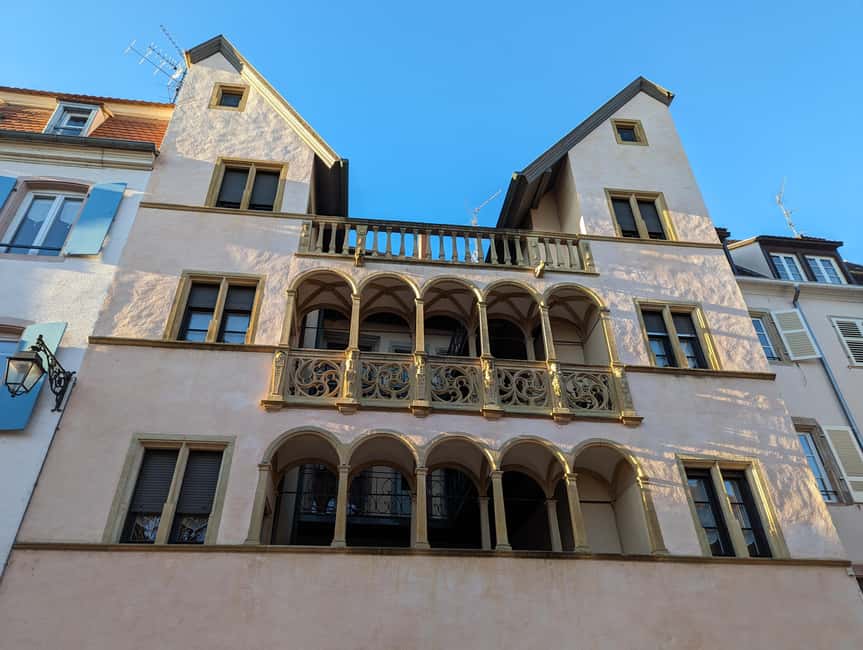
- Medieval Colmar on small streets: the stories behind the facades
- Petite Venise without the crowd crush
- Auguste Bartholdi statues: why Colmar flies under the Statue of Liberty radar
- German Imperial wonders in the south district: big, bold architecture
- The guide experience: humor, questions, and real local advice
- Rainy day-proof and family-friendly energy
- Group size and timing: why 6 people makes a difference
- Price and value: what $41 buys you in real terms
- Who should book this Colmar walk (and who might skip)
- Should you book this Colmar unusual walking tour?
- FAQ
- FAQ
- How long is the Colmar unusual walking tour?
- Where is the meeting point?
- What languages does the live guide speak?
- How big is the group?
- Is the tour suitable for people with mobility impairments?
- Can I cancel and get a full refund?
- Can I reserve now and pay later?
Key things I’d bet you’ll care about
- Bruat Fountain meeting point in Parc du Champ de Mars makes it easy to find before you step into the old lanes
- Middle Ages, in plain language using Colmar buildings and local life stories as your guide
- Petite Venise, but less crowded via a route that helps you see it differently than the busiest tourist paths
- Auguste Bartholdi focus with statues and the link to his famous connections beyond Alsace
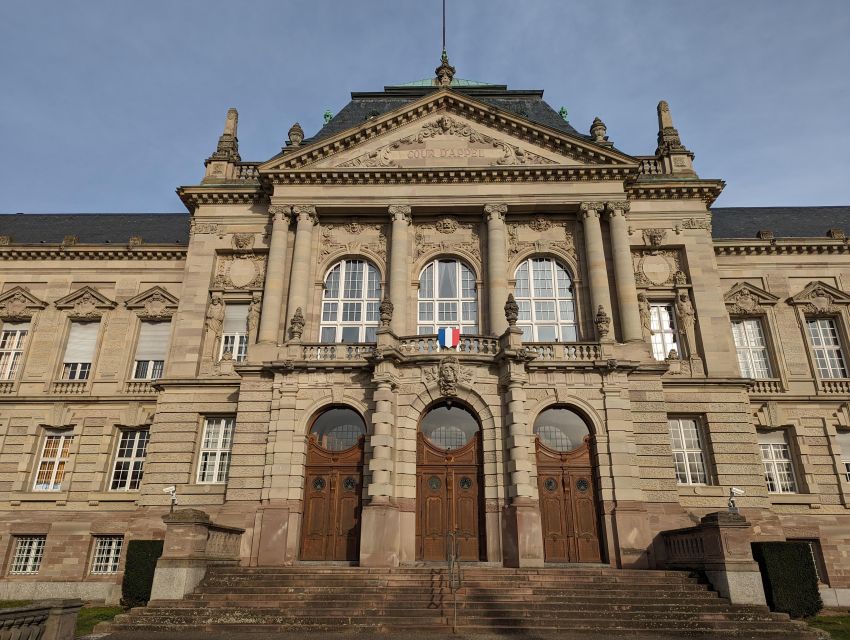
- German Imperial-era monuments in the south district, including the Cour d’Appel and Chateau d’Eau
- Local food and drink tips from Nicolas to help you plan the rest of your Colmar day
Start at Bruat Fountain: your fast track to understanding Colmar
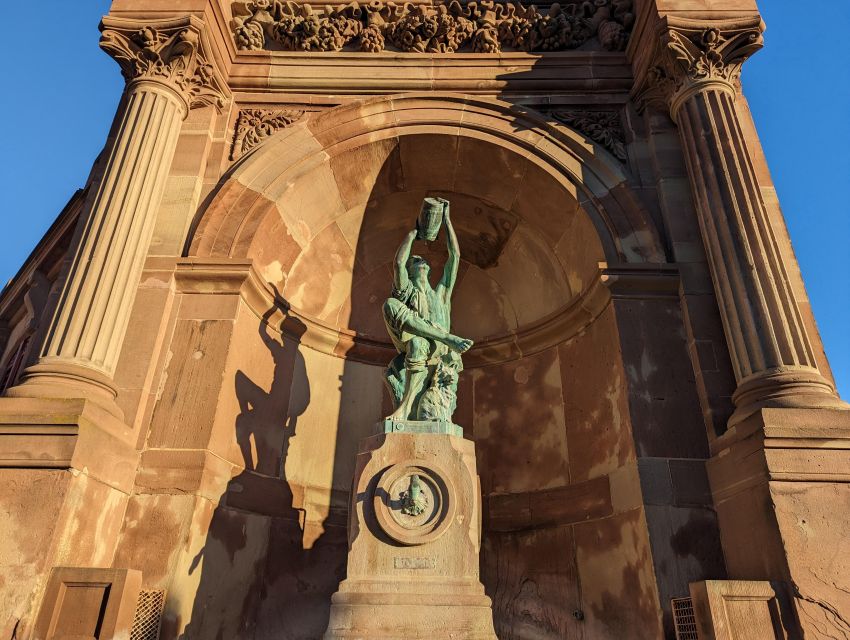
Meet at the Bruat Fountain in the middle of Parc du Champ de Mars. I like this start because it gives you a clear “before we go old” moment. From there, the guide doesn’t just point at sights. He explains how Colmar’s position in Alsace shaped what you see today—France and Germany traded influence over time, and Colmar’s buildings reflect that push and pull.
The pace is part of the value. Two hours goes by quickly when you’re walking, stopping, and asking questions. This is especially helpful if it’s your first day in town and you need context fast—Colmar is charming, but it’s the background that makes it memorable.
And yes, the guide works in both English and French, so mixed-language groups aren’t a problem. You don’t end up feeling like half the group is tuned in and the other half is left behind.
You can also read our reviews of more walking tours in Colmar



Medieval Colmar on small streets: the stories behind the facades
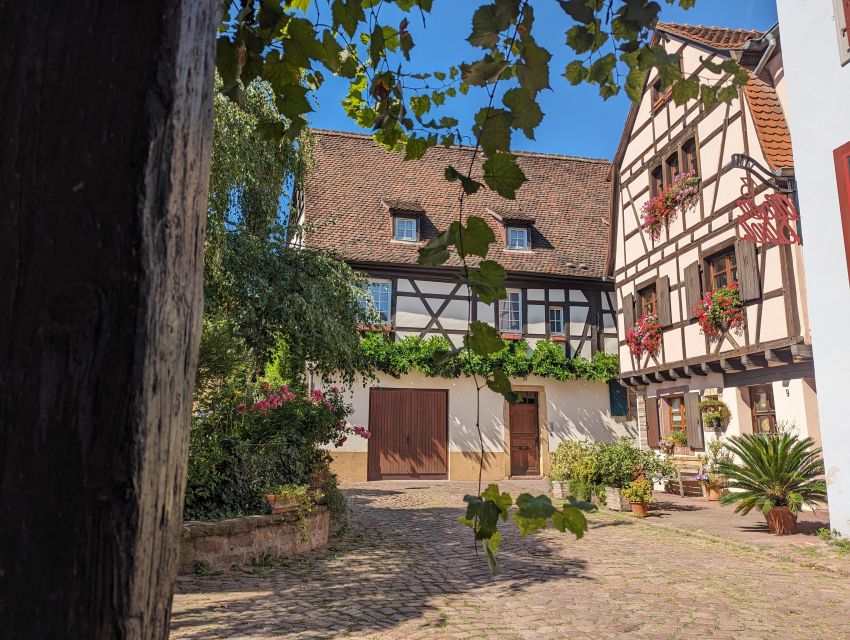
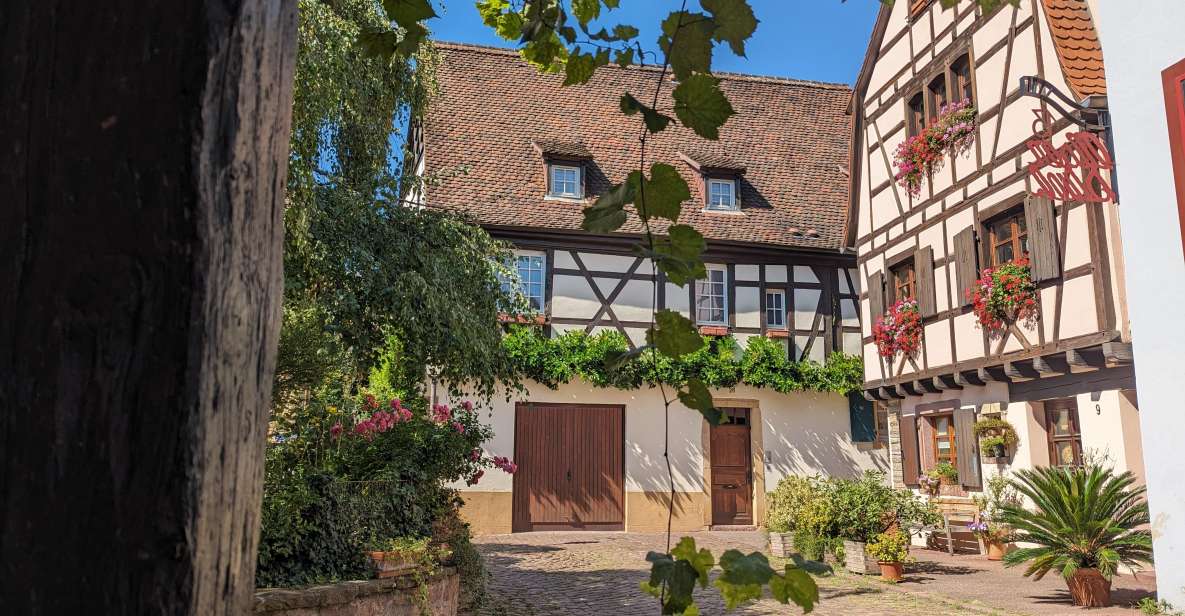
The tour begins in the medieval core, where you can literally read the city. You’ll walk narrow lanes and small streets, and the guide ties what you see to how ordinary people lived. That’s the big difference versus a standard highlights stroll. You’re not just learning dates. You’re picking up how daily life, power, trade, and local identity shaped the built environment.
What I like most here is that the details are practical. Instead of dumping facts, the guide points out things you can spot yourself on a return walk: architectural clues, local symbols, and the kinds of places you’d never think to look for. It’s the sort of info that changes the way you wander afterward.
If you’re the type who likes to understand why a town looks the way it does, this is your sweet spot. You leave with a “mental map” of what mattered back then and where it shows up now.
Petite Venise without the crowd crush
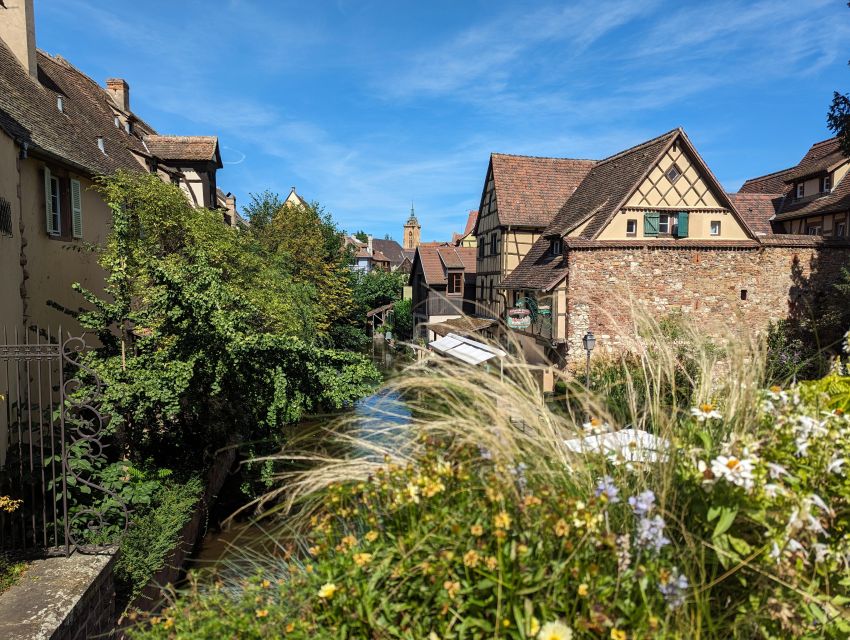
Everyone knows Petite Venise. The trick is seeing it like a local, not like a line at a ticket window.
This tour includes the Petite Venise area, but you’re guided to experience it from a different angle—helping you avoid the busiest routes so you can actually enjoy the waterways, bridges, and old-stone mood. That doesn’t mean it’s empty. It means you get time to notice things without constant jostling.
I also think this matters for photos. When you’re not stuck behind a crowd, you can choose angles that show the character of the canals and streets, not just faces. More importantly, you get context for why the district has this look, not only the pretty postcard view.
Auguste Bartholdi statues: why Colmar flies under the Statue of Liberty radar
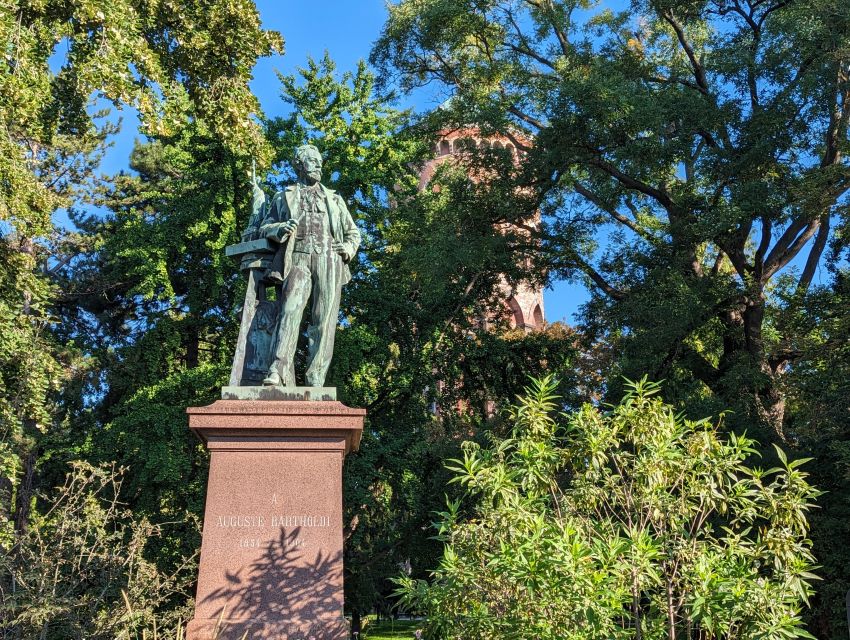
Colmar has statues tied to Auguste Bartholdi, and this tour makes them feel relevant, not random. You’ll spot the sculptor’s presence around town and learn why his name matters far beyond Alsace.
Bartholdi is best known internationally for major works, including the Statue of Liberty connection. Here, the tour helps you understand how a local figure can have global reach—and how a town celebrates that kind of talent. It’s a smart stop because it turns Colmar from “pretty town” into “place that contributed to world history.”
I like that you don’t just read plaques. The guide connects the statues to local pride and to the idea that Colmar shaped people who mattered. It gives you something to carry with you as you walk—each statue becomes a clue, not a detour.
German Imperial wonders in the south district: big, bold architecture
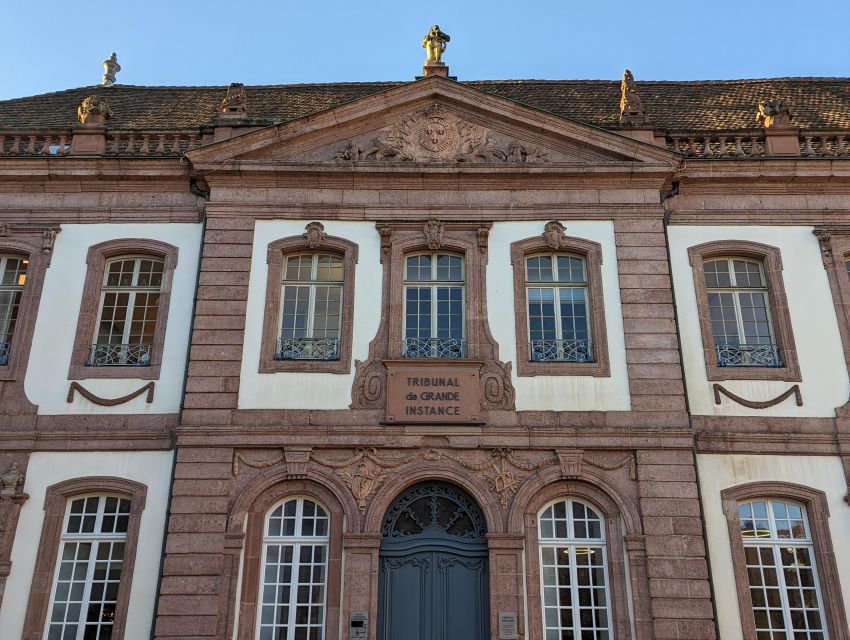
After the older medieval lanes, the tour shifts gears toward Colmar’s southern district, where the German Imperial era leaves a strong visual mark. This change of scenery is one of the best reasons to do the tour rather than only self-guided wandering.
You’ll get to see monumental and imposing landmarks, including:
- the Cour d’Appel, a dramatic presence in town
- the Chateau d’Eau (a huge water tower that’s hard to ignore once you’re near it)
- the Central Train Station, another “this is a modernizing city” statement
These stops work because the guide explains what you’re looking at. You don’t just think, wow, that’s large. You understand why this style landed here and what it signaled about power, planning, and the era’s ambition.
One practical tip: if you’re spending just a day in Colmar, this section helps you “get the whole city” fast. Many visitors stick to the old center and canals. This tour gives you the other half of the story.
You can also read our reviews of more guided tours in Colmar



The guide experience: humor, questions, and real local advice
Two hours is short, so the guide quality matters a lot. Nicolas stands out in the way he mixes clear historical facts with humor and an easygoing delivery. The result is that the tour never feels like you’re being graded on history trivia.
You can ask questions and get answers that make sense. You also aren’t stuck following a rigid script. The guide can adjust a bit depending on what your group cares about, including things like local pride and how Colmar’s identity shifted during major conflicts over time.
What I especially appreciate is that the tour doesn’t end at the last stop. Nicolas tends to share recommendations for where to eat and drink—and also suggestions for what to do next in Colmar. That kind of help is worth real money because it saves you the “wandering and guessing” time that tourists burn through.
If you’re trying to plan wine, this experience has strong synergy with Alsace’s food-and-drink culture. Some groups even mention wine-related tastings as part of their broader day plans, which makes the guide’s restaurant and drink suggestions even more useful.
Rainy day-proof and family-friendly energy
Colmar can be wet, and old streets are old streets. Still, this tour has a track record of working even on rainy days. The walking time stays manageable, and the guide’s storytelling keeps the momentum going.
It’s also paced in a way that works for a range of ages. More than once, I’d noticed people mention it felt enjoyable for teenagers too, mainly because the guide makes the history readable and the stops feel connected rather than random.
If you’re worried about it being too long or too slow, don’t. The two-hour structure keeps it moving while leaving time for questions.
Group size and timing: why 6 people makes a difference
This tour is capped at 6 participants, and that matters. Smaller groups mean you get a real chance to ask questions. It also keeps the walk from feeling chaotic around the tight corners and popular spots.
Timing matters too. Some of the best tours happen when you choose an earlier slot, which helps you see more before the heaviest crowd flow hits the canals. If you can, pick a time that fits your day so you’re not starting right when everyone else is.
Price and value: what $41 buys you in real terms

At around $41 per person for a 2-hour walk with a live local guide, the value comes from three things:
1) Context you can’t easily get from a phone app
You’re learning why Colmar looks the way it does, across eras. That’s the kind of knowledge that makes self-guided time later much better.
2) A smart route
You see the medieval core, the Petite Venise area with a less crowded approach, Bartholdi connections, and then the German Imperial section. Many independent strolls miss at least one of those “other Colmar” layers.
3) Practical local recommendations
The food and drink tips don’t just sound nice. They help you spend your next hours well. If you’re only in town for a short stay, that’s a big deal.
If you like history but hate lectures, this one is balanced. It gives you enough structure to understand the city, while keeping the walk light and human.
Who should book this Colmar walk (and who might skip)
This tour is a strong match if you:
- want an orientation tour your first day in Colmar
- like history, but prefer it explained through places and stories
- want to see both the old canals and the German Imperial-era side of town
- appreciate humor and an interactive guide style
- want clear, local recommendations for eating and drinking after the walk
You might skip it if:
- you need a fully accessible route, because the experience is not suitable for mobility impairments
- you prefer strictly self-paced wandering with no guidance at all
One extra note: some people mention it was dog-friendly. That doesn’t replace checking with the provider, but it suggests the tour can be flexible with small companions.
Should you book this Colmar unusual walking tour?
If you’re visiting Colmar and want more than postcard views, I think it’s an easy yes. The tour’s biggest strength is that it connects eras—Middle Ages life, Bartholdi’s legacy, then the German Imperial district—so the city starts to make sense as you walk.
Book it early in your trip so you can reuse what you learn while exploring on your own. And if you care about getting food and drink recommendations from someone who actually lives with the city, this is exactly the kind of guided time that pays off later.
If you want a smart, small-group way to understand Colmar fast, this one is worth your afternoon.
FAQ
FAQ
How long is the Colmar unusual walking tour?
It lasts 2 hours.
Where is the meeting point?
Meet your guide at the Bruat Fountain in the middle of Parc du Champ de Mars.
What languages does the live guide speak?
The tour is offered in French and English.
How big is the group?
It’s a small group limited to 6 participants.
Is the tour suitable for people with mobility impairments?
No. It is not suitable for people with mobility impairments.
Can I cancel and get a full refund?
Yes. Free cancellation is available up to 24 hours in advance for a full refund.
Can I reserve now and pay later?
Yes. You can reserve your spot and pay later to keep your plans flexible.