REVIEW · COLMAR
Colmar: Private guided walking tour of the Historical Center
Book on Viator →Operated by Tour France Experience · Bookable on Viator
Colmar’s old town is made for walking, but its pretty façades tell only part of the story. This private tour helps you connect the half-timbered houses, canals, churches, wine traditions, and shifting French-German identity into one readable picture.
I like the private format, which lets you shape the conversation around architecture, local customs, or the wider Alsace region. I also like the chance to get practical tips on eating, drinking, and exploring after the tour, especially when Colmar is your first stop in the area.
The main caution is value. At $230.94 per person, this is a costly two-hour walk, and the quality depends heavily on the guide assigned to you. Some guides, including Yves and Regina, have made a strong impression, while other experiences have felt light on background and detail.
In This Review
- Key points to know before you book
- Why Colmar is best understood on foot
- Starting at Place des Unterlinden
- Adolf House and the old town’s façades
- The Tanneurs district and Colmar’s working past
- Maison de Têtes and the city’s grander face
- St. Martin’s Church and the city’s religious story
- Canals, wine traditions, and regional connections
- What the private format changes
- How guide quality affects the experience
- Timing, walking comfort, and what to bring
- Price, cancellation, and who gets the best value
- Should you book the Colmar private walking tour?
- FAQ
- How long is the Colmar private walking tour?
- Where does the tour begin?
- Where does the tour finish?
- Is the tour private?
- Are entrance tickets included?
- Are food and drinks included?
- Can I cancel for a full refund?
Key points to know before you book
- A private walk through Colmar’s old town: Your group has the guide to itself, with no strangers added.
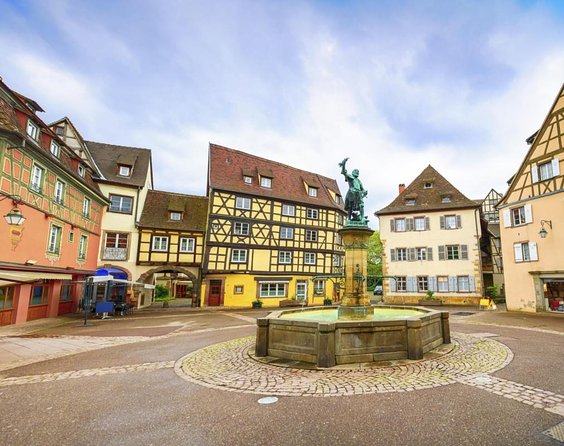
- A useful first-day orientation: The route introduces major sights such as Adolf House, Maison de Têtes, the Tanneurs district, and St. Martin’s Church.
- Guide quality matters: Yves has been praised for regional history and winemaking, while Regina has been noted for bringing Colmar’s past to life.
- Two hours, with no entrance tickets included: You see the city on foot, but admission to museums or other interiors is not part of the price.
- Good for flexible schedules: Several start times are available, and the tour ends where it begins at Place des Unterlinden.
- A premium price for personal attention: The cost makes most sense for couples, families, or small groups who value a customized talk.
Why Colmar is best understood on foot
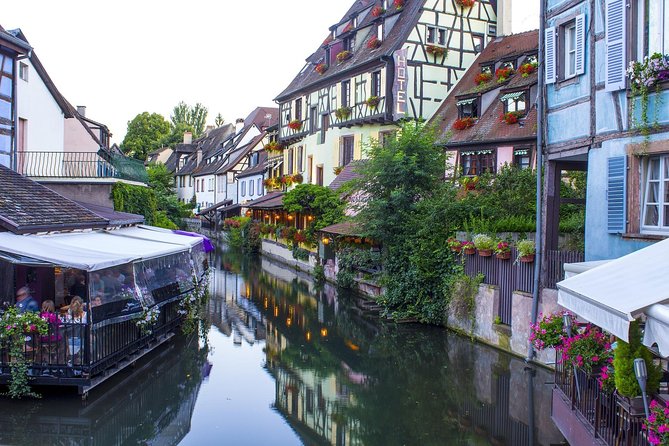
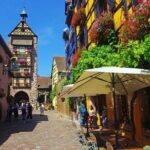
Colmar can look almost too polished at first glance. Half-timbered houses, narrow lanes, canals, and flower-filled façades create an easy postcard scene. A walking tour gives you time to notice the details without worrying about traffic or finding your way through the old center.
The town’s position near Germany is central to its character. Colmar sits in Alsace, a region shaped by French and German influence, and that history appears in its architecture, place names, traditions, and political past. A guide can help explain why the city feels distinctly French while carrying such a strong Germanic visual imprint.
This matters because a self-guided stroll can leave you with a collection of attractive buildings but little sense of how they fit together. The best version of this tour gives you a story for the streets, not just a list of façades.
You can also read our reviews of more walking tours in Colmar



Starting at Place des Unterlinden
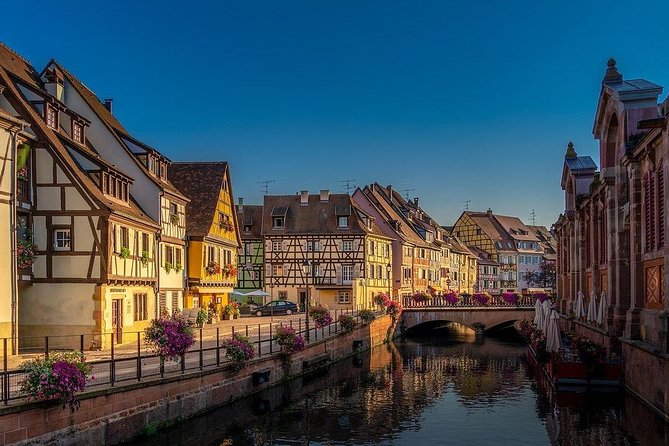
The meeting point is Place des Unterlinden, a practical location in central Colmar. You begin and finish there, so the walk does not leave you hunting for a distant pickup point or arranging transport back to your hotel.
The first part of the experience is an orientation to the old town. Your guide can adjust the emphasis to your interests, which is one of the clearest advantages of booking privately. If you care about buildings, ask for architectural details. If you want regional context, ask how Colmar fits into Alsace. If food and wine matter most, say so early.
The tour lasts about two hours. That is enough time to cover key streets and landmarks without turning the walk into an exhausting half-day outing. It is not enough time for a broad museum visit, a long meal, and detailed exploration of every district, so you should think of it as an introduction rather than a complete study of Colmar.
Adolf House and the old town’s façades
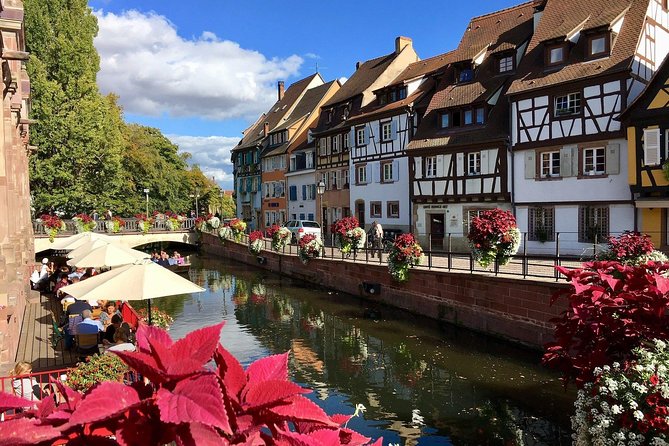
Adolf House is one of the named stops along the route. Buildings like this give the walk its visual appeal, but the guide’s explanation is what determines how much you take away.
Look beyond the colors and decorative details. The half-timbered construction, narrow street fronts, and preserved façades reflect the way Colmar developed over time. Your guide may help you read the buildings as evidence of older trade, domestic life, and changing tastes, rather than as a row of attractive backdrops.
This is also where the private setup can help. You can stop to ask why one house looks different from another, how restoration works, or what local building details mean. In a larger group, those questions can be harder to fit in.
You should keep expectations realistic, though. The tour does not include entrance tickets, and the supplied details do not promise access inside Adolf House or other historic buildings. Expect an exterior walking tour unless your guide tells you otherwise.
The Tanneurs district and Colmar’s working past
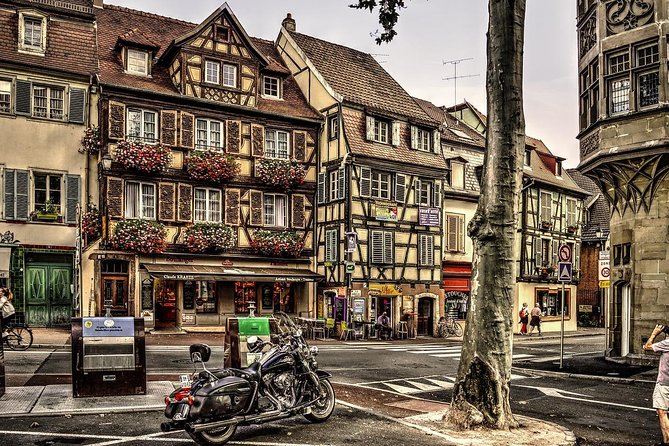
The Tanneurs district brings a more practical side of old Colmar into view. Its name points to the historic work of tanning leather, an activity that required water and shaped the use of the district.
This is the sort of stop that can turn a pretty walk into a useful lesson. Canals and waterways were not simply decorative features. They supported work, transport, and daily life. Ask your guide how the district functioned and how its buildings relate to the water.
The setting also helps balance the tour. Colmar is often presented through romantic lanes and colorful houses, but the Tanneurs area hints at the labor behind the town’s prosperity. If your guide is in the style of Yves, who has been praised for connecting local history with the wider region, you may get more than a quick description of the buildings.
One warning is worth keeping in mind: guide performance can vary. A private tour gives you more access to the guide, but it does not guarantee the same depth of explanation every time. If detailed historical background is important to you, ask questions and make your interests clear at the start.
Maison de Têtes and the city’s grander face
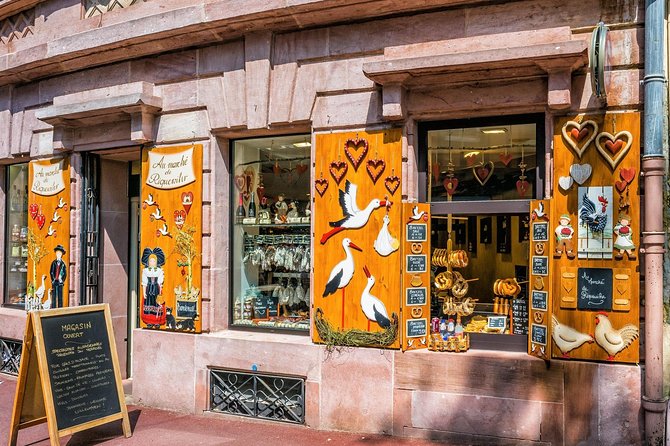
Maison de Têtes, or the House of Heads, is another highlight on the route. Its name comes from the sculpted heads decorating the building, making it an especially memorable stop for anyone interested in architecture.
Here, a guide can point out the difference between a simple historic house and a building designed to make a statement. The exterior offers a quick lesson in decoration, status, and the way wealthy urban buildings once presented themselves to the street.
This stop is also a good test of the tour’s level of detail. One guide may explain the building’s design and place it within Colmar’s past. Another may offer only a short description before moving on. Based on the range of experiences associated with this tour, you should not assume that every walk will have the same depth.
For that reason, this tour works best when you participate. Ask what the carvings represent, who would have lived or worked there, and how the building compares with the simpler half-timbered houses nearby. The private format gives you room to do that.
You can also read our reviews of more guided tours in Colmar



St. Martin’s Church and the city’s religious story
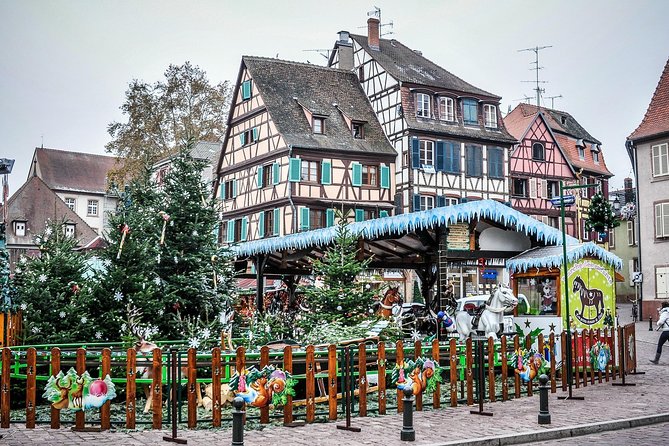
The Gothic Church of St. Martin is one of Colmar’s major landmarks. Its scale and style provide a useful contrast to the smaller houses and narrow lanes around it.
The walk takes you past the church, but entrance is not included. That distinction matters if you want to study the interior or spend quiet time inside. You would need to make a separate plan for admission or visiting arrangements.
Even from outside, the church gives your guide a chance to discuss Colmar’s religious and civic development. Historic churches were not just places of worship. They helped shape the town center and reflected the resources, beliefs, and ambitions of the people who built them.
I would ask your guide to give this stop proper time. One disappointing account of the tour centered on receiving information about attractive old buildings without much discussion of churches, museums, the town hall, or Colmar’s wider past. Since St. Martin’s is specifically part of the experience, it is reasonable to expect more than a passing glance.
Canals, wine traditions, and regional connections
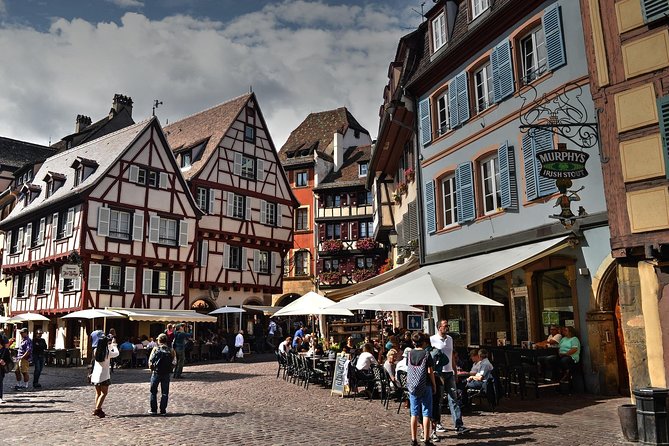
Colmar’s canals are among its most appealing features, and the walk includes the chance to see them as part of the old center. They add charm, but they also help explain how water shaped the town’s districts and working life.
The regional angle can be one of the tour’s strongest features. Yves, one of the guides associated with this experience, has been praised for explaining the history of the surrounding area and for giving an engaging lesson on winemaking. That would be especially useful if Colmar is your base for visiting Alsace villages or tasting local wines.
You should not book this as a dedicated wine tour. Food, drinks, tastings, and other amenities are not included. Still, a good guide can give you context that helps later, such as how wine production fits into local culture and why the surrounding region matters to Colmar.
The practical tips are valuable, too. Use the final part of the walk to ask where to eat, what to drink, and which places or areas deserve more of your time. Advice is most useful when you ask specific questions rather than simply requesting a general list.
What the private format changes
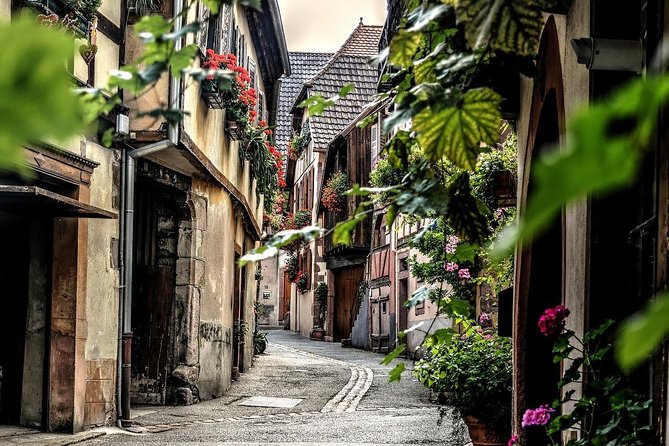
A private tour is not automatically better than a group tour, but it changes the experience in important ways. Your guide can set the pace for your party, answer follow-up questions, and adjust the emphasis without worrying about a busload of people.
This suits families, couples, and small groups with different interests. You might want architecture while your companion wants food and wine. A private guide can move between those subjects more easily than a fixed group presentation.
It also gives you a chance to correct a weak start. If the explanation feels too general, ask directly for more history, details about the churches, or information about the surrounding villages. With only your own group present, that conversation should be straightforward.
The downside is the price. At $230.94 per person, the tour asks you to pay a premium for the guide’s time and the private setting. If you are traveling alone or as a pair, the cost may feel steep for two hours. Group discounts may improve the calculation for a larger party, but you should check the final price before booking.
How guide quality affects the experience
The strongest accounts focus on the guides’ ability to connect facts with the place. Yves has been praised for discussing the entire region, local traditions, buildings, architecture, politics, canals, and winemaking. Regina has also been described as a strong guide who made Colmar’s story clear during a company outing.
Those details point to the tour’s potential. With the right guide, you get a city introduction that helps with the rest of your Alsace visit. You may leave knowing what to look for in nearby villages, how local wine fits the region, and why Colmar’s architecture looks the way it does.
But the experience is not perfectly consistent. Some people have found the background too limited, with little beyond comments about old buildings. Another account described the guide as unable to answer basic questions and judged the price poor for what was delivered.
The provider acknowledged one disappointing experience and indicated that a partial refund could be discussed if contacted through the booking area. That does not remove the risk, but it shows that dissatisfaction should be raised promptly rather than left until after the trip.
Timing, walking comfort, and what to bring
The walk takes about two hours and stays within Colmar’s historic center. You do not need transportation during the activity, and the meeting point is near public transportation.
Wear shoes suitable for cobblestone streets. The tour is outdoors and on foot, so comfort matters more than dressing for a formal event. Bring a phone for the mobile ticket and consider carrying water, since food and drinks are not provided.
Several start times are available, which makes it easier to place the tour early in your stay. I would choose an early slot if possible. That gives you a chance to use the guide’s restaurant and sightseeing advice during the rest of your visit.
Most people can take part, and service animals are allowed. The activity ends back at Place des Unterlinden, which makes it simple to continue sightseeing in central Colmar afterward.
Price, cancellation, and who gets the best value
The $230.94 per-person price is high for a two-hour walk, especially since entrance tickets, transportation, tips, food, drinks, and amenities are excluded. You are paying mainly for private attention and the chance to shape the conversation.
I see better value when three or more people share the experience, particularly if group discounts apply. It can also make sense for a first visit when you want a fast orientation and would otherwise spend hours piecing together information on your own.
I would hesitate if your main goal is a low-cost introduction to the old town. Colmar is easy to explore independently, and this tour’s value depends on receiving a guide who offers more than descriptions of pretty buildings.
You can cancel for a full refund up to 24 hours before the local start time. Changes or cancellations made less than 24 hours before the tour are not accepted for a refund, so watch the cutoff if your plans are unsettled.
Should you book the Colmar private walking tour?
Book it if you want a personal introduction to Colmar, value questions and conversation, and are willing to pay for a private guide. It is particularly useful at the beginning of a longer Alsace visit, when regional history, wine traditions, and local tips can shape the rest of your plans.
I would be more cautious if you expect a polished lecture on every church, museum, and historic building. The tour has clear potential, especially with guides such as Yves or Regina, but the experience can vary. Ask for historical depth, regional context, and practical advice at the start.
For a larger group, the private price may be reasonable. For one or two people on a tight budget, a self-guided walk may offer better value. The deciding question is simple: do you want to look at Colmar, or do you want someone to help you understand what you are seeing?
FAQ
How long is the Colmar private walking tour?
The tour lasts approximately two hours.
Where does the tour begin?
It begins at Place des Unterlinden, Colmar, France.
Where does the tour finish?
The activity ends back at the meeting point, Place des Unterlinden.
Is the tour private?
Yes. Only your group participates in the activity.
Are entrance tickets included?
No. Entrance tickets are not included, so the walk focuses on seeing the historic center and landmarks from the route.
Are food and drinks included?
No. Food, beverages, tips, transportation, and amenities are not included.
Can I cancel for a full refund?
Yes. You can cancel at least 24 hours before the local start time for a full refund. Cancellations or changes made less than 24 hours before the start time are not accepted for a refund.