REVIEW · COLMAR
Cooking Class: Bredele Making, Alsatian Cookies
Book on Viator →Operated by Exotarien · Bookable on Viator
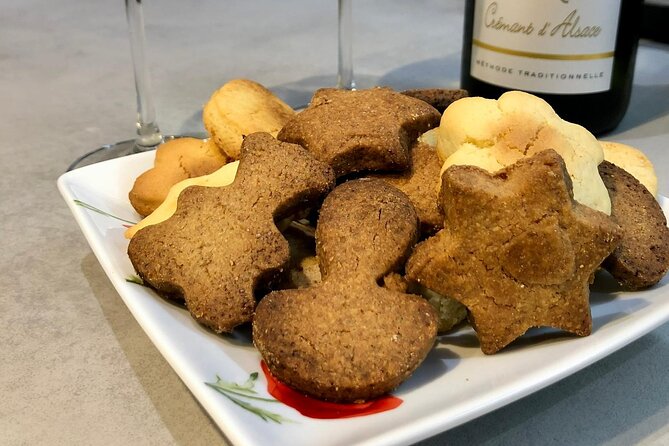
Alsatian bredele cookies are small, buttery signs of Christmas in eastern France, and this two-hour class puts you in the kitchen with a local chef rather than behind a shop counter. You prepare several kinds, including pistachio, five-spice, plain, and vanilla versions, then leave with about 800g of your own baking.
I like the private setting, where your group cooks in the chef’s central Colmar apartment instead of a large classroom. I also like the practical value: ingredients, tools, apron, coffee or tea, instruction, and roughly €40 worth of cookies are included in the $63.62 price.
The main point to consider is the home-style setup. One detailed account wanted more explanation of each step and noted that handwashing took place in the apartment bathroom rather than the kitchen. The chef’s approach begins with the history of bredele, then moves into preparing several doughs, so this suits you best if you enjoy a relaxed home kitchen more than a formal culinary school.
In This Review
- Key points to know before booking
- Why bredele belong in a Colmar Christmas visit
- Entering the chef’s apartment at 3:30 pm
- Starting with the story behind the cookies
- Making pistachio, five-spice, plain, and vanilla bredele
- The private format and who benefits most
- Is $63.62 a fair price?
- Timing the class with your Colmar plans
- What the strongest praise tells you
- Should you book the bredele class?
- FAQ
- Where does the bredele cooking class meet?
- What time does the class begin?
- How long does the class last?
- Which cookies will I learn to make?
- What is included in the price?
- Is this a private activity?
- Can I cancel or change my booking?
Key points to know before booking
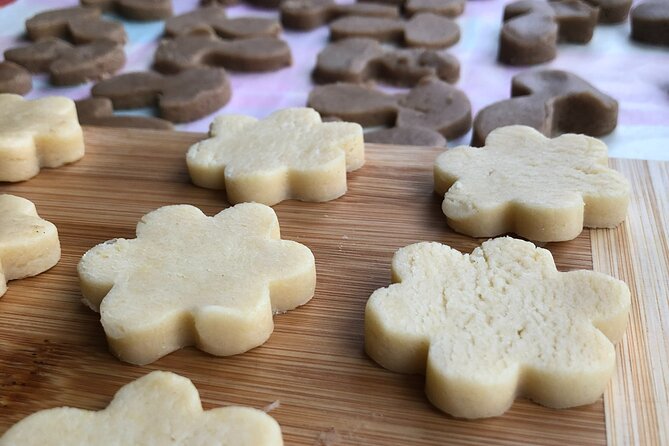
- Bake several Alsatian recipes: Work with pistachio, five-spice, plain, and vanilla bredele.
- Cook in a central Colmar apartment: The class takes place in the chef’s home, creating a personal, informal setting.
- Take home about 800g: Your finished cookies are included and are valued at approximately €40.
- Expect a two-hour afternoon class: The scheduled start is 3:30 pm, from Friday through Sunday.
- Learn from a multilingual chef: The instructor is described as patient, professional, and able to teach in several languages.
- Bring the right expectations: This is a private, hands-on baking session, but the amount of step-by-step detail may depend on your questions and participation.
Why bredele belong in a Colmar Christmas visit

Bredele are not just generic holiday biscuits with an Alsatian label. They are part of the region’s Christmas tradition, and households often prepare several shapes and flavors rather than one standard cookie. The class gives you a way to understand that tradition through the work itself: mixing, shaping, baking, tasting, and comparing recipes.
That matters in Colmar, where Christmas culture is a major part of the city’s identity. You can buy beautiful boxes of cookies in bakeries and food shops, but buying them tells you little about how they are made. Here, you get the recipes and techniques needed to repeat the experience at home.
The menu is also broad enough to make the class worthwhile for repeat bakers. Plain or vanilla bredele offer a familiar base, while pistachio and five-spice bring more character. The five-spice option is especially useful for anyone who wants a flavor that feels tied to the region’s holiday baking rather than another ordinary sugar cookie.
You should not expect a full meal. This is a baking lesson with tasting, coffee, and tea. If you want a market tour, a savory cooking class, or a long restaurant-style meal, this is the wrong choice. If you want a compact activity that connects food with local custom, it fits well.
You can also read our reviews of more cooking classes in Colmar

Entering the chef’s apartment at 3:30 pm
The meeting point is 2 Rue des Brasseries, 68000 Colmar, France. The activity begins at 3:30 pm and ends at the same place, so you do not need to arrange a second pickup point or find your way across town after the class.
The location is near public transportation, but the class is also positioned in the city center. That makes it easy to pair with an afternoon walk through Colmar, though you should allow enough time to reach the address without rushing. A mobile ticket is provided, and booking confirmation arrives at the time of booking.
The apartment setting is central to the character of the class. You are not entering a purpose-built tourist kitchen with rows of workstations. You are cooking in the instructor’s home, which can feel more like being invited into a local kitchen.
That informality has two sides. It can make the class warmer and more personal, especially for a private group. At the same time, the facilities may feel less polished than a commercial cooking school. One account specifically noted that handwashing took place in the bathroom rather than the kitchen. This is not a major issue for everyone, but it is worth knowing if you expect a professional culinary studio.
Starting with the story behind the cookies
The chef begins by explaining the origins of bredele before the practical work starts. This opening gives the recipes a useful setting. You are not simply following instructions for four types of biscuits. You are learning why these cookies matter in Alsatian homes and during the Christmas season.
After that introduction, the class moves to preparing the different doughs. The exact pace depends on the group and the amount of discussion, but the format is designed to let you cook rather than watch a demonstration from a distance.
You receive an apron, kitchen utensils, and ingredients. Coffee and tea are also included. Those details keep the class simple for you: there is no need to bring baking equipment, shop for ingredients, or worry about measuring everything before arriving.
The chef is described as multilingual, professional, and patient. That is useful in a lesson built around small technique points. Baking instructions can become confusing when a recipe uses unfamiliar terms or when the instructor moves too quickly. A multilingual teacher can explain the difference between watching a step and doing it yourself.
Still, you should ask questions as you go. One criticism of the class was that the process could have been explained in greater detail. The chef’s response emphasized that the class covers bredele history first, then the preparation of several doughs, with all utensils supplied. In practical terms, you may get the most from the lesson by asking why each ingredient is used, how the dough should feel, and what to watch for when baking at home.
Making pistachio, five-spice, plain, and vanilla bredele
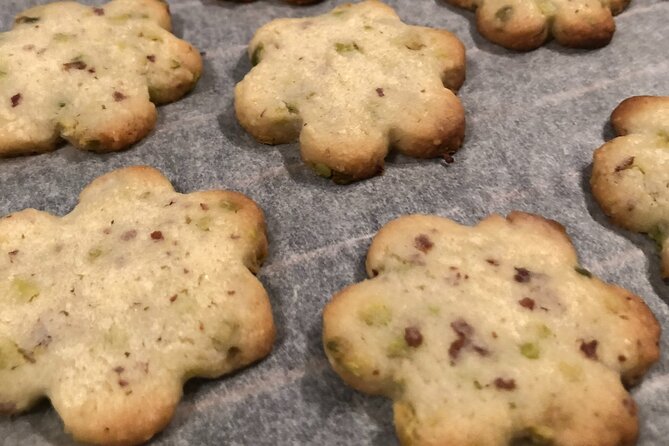
The appeal of this class is the range of recipes. You do not spend two hours repeating one cookie shape. Instead, you learn several versions, giving you a small collection of Alsatian formulas to take home.
Plain and vanilla bredele are the most approachable starting points. They help you understand the basic texture and sweetness of the dough. If you already bake, these recipes may feel familiar, but the value comes from learning the local proportions and method.
The pistachio version adds a nutty note and a different color and flavor. It is a good choice for a holiday assortment because it breaks up a tray of pale butter cookies. The five-spice recipe offers a more pronounced seasoning, giving you a cookie with a stronger aroma and a less predictable taste.
The class is not described as a lesson in elaborate decoration. Its focus is the doughs and recipes. That makes it a good match for you if flavor and repeatability matter more than producing picture-perfect pastries for photographs.
You also cook and taste the results during the session. Tasting is important here because it lets you compare the recipes while the experience is fresh. You can decide which one you like best and take better notes about the balance of sweetness and spice.
A useful approach is to treat the chef’s advice as a starting point for your own kitchen. Ask about substitutions, storage, shaping, and how the cookies should look when finished. The class promises personal tips for recreating the recipes at home, so use that part of the experience fully.
The private format and who benefits most

This is a private activity, meaning only your group participates. That changes the tone considerably. You are not sharing a large table with strangers or waiting for a turn at a single mixing bowl.
A private format works especially well for families, couples, and small groups with different levels of baking experience. A confident baker can ask technical questions, while a beginner can work at a slower pace without feeling watched by a room full of people.
Families should note one practical detail. One account described a child choosing not to prepare the dough. The class still continued, but a hands-on cooking lesson is most rewarding when everyone is willing to take part. If someone in your group mainly wants to observe, make sure that expectation is clear before booking.
The home setting may also be appealing if you prefer personal contact over a polished attraction. You meet the chef, use his equipment, and cook in a domestic environment. That can feel more connected to everyday Alsatian life than a staged demonstration.
On the other hand, people who prefer strict structure may find the format loose. The class is about two hours, but the information does not promise a minute-by-minute schedule. The amount of detail you receive may depend on the chef’s explanation and your questions.
A few more Colmar tours and experiences worth a look

Is $63.62 a fair price?
At $63.62 per person, this is not the cheapest way to eat cookies in Colmar. You can buy bredele from a bakery for less than the total price of the class. But the comparison is not really cookie against cookie.
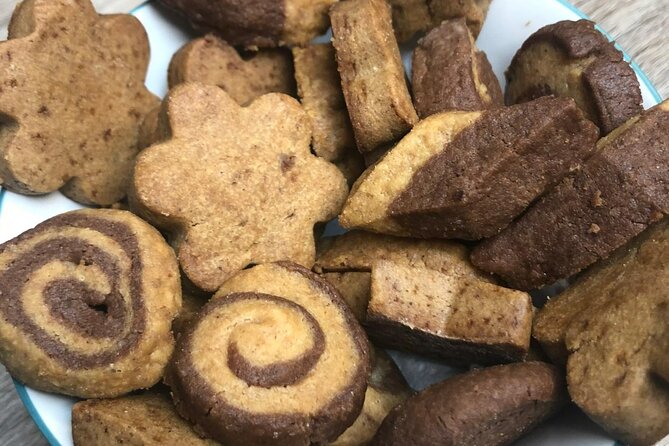
The fee covers the instruction, ingredients, apron, utensils, coffee or tea, and your finished production of about 800g. That quantity is valued at roughly €40, which makes the included baking a substantial part of the package. You are also paying for several recipes and the ability to make them again at home.
The value improves if you enjoy cooking or plan to share the cookies as gifts. You leave with a sizable supply rather than a token sample. The recipes can also extend the value beyond the day in Colmar, since the chef gives advice intended for home preparation.
The value is weaker if you mainly want a quick tasting. Two hours is a long time for someone who is not interested in baking, and the class does not include a full meal or a broader food tour.
The private nature helps justify the price. Your group gets the chef’s attention rather than a seat in a large public demonstration. Still, I would book this for the personal instruction and recipes first, with the 800g of cookies as a welcome bonus, not the other way around.
Timing the class with your Colmar plans
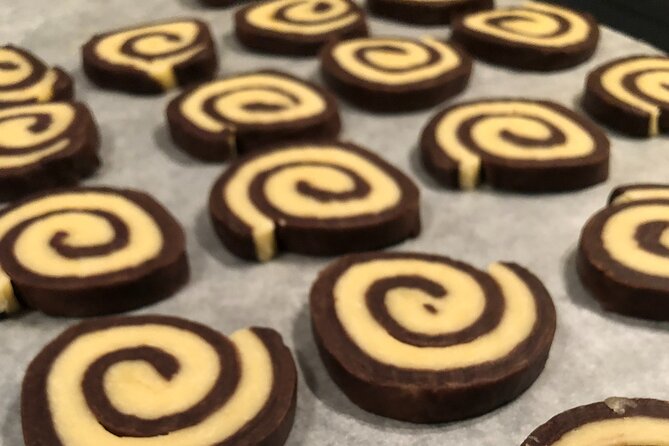
The 3:30 pm start is useful on a short visit. You can spend the morning and early afternoon sightseeing, have lunch, then head to the class. Since it ends back at the meeting point, you can continue into the evening afterward.
The Friday through Sunday schedule is more limited than a daily activity. Check your dates carefully before building the rest of your Colmar plans around it. The class is booked, on average, 18 days ahead, so last-minute availability may not be dependable.
The duration is approximately two hours. That is long enough to prepare several doughs and taste the results, but short enough to fit beside other city activities. I would avoid scheduling something tightly immediately afterward, since home cooking classes can run at a relaxed pace.
The activity requires good weather, and it also requires a minimum number of participants. If poor weather or insufficient participation cancels the session, you are offered another date or a full refund. That protection is helpful, but remember that your own booking is otherwise non-refundable and cannot be changed for any reason.
What the strongest praise tells you
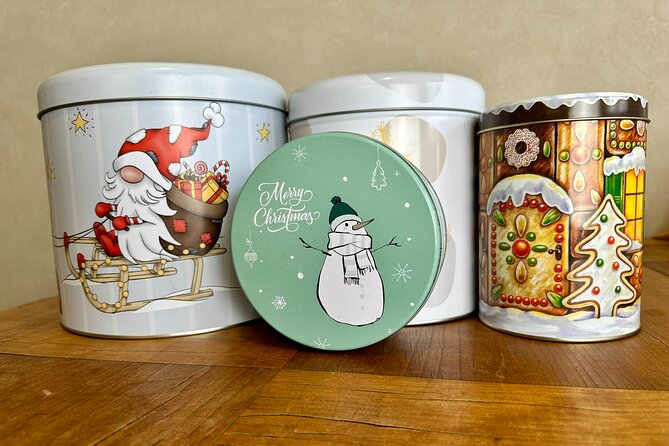
The most favorable assessment describes the instructor as multilingual, extremely professional, patient, and an excellent teacher. It also says the cookies turned out better than those available in local shops. That points to the class’s greatest strength: hands-on guidance from someone who knows the regional recipes and can help you produce a finished result.
The instructor’s patience matters more than showmanship in a baking class. Dough can be sticky, crumbly, too soft, or too firm. A calm teacher can correct small mistakes before they ruin a batch.
The praise for the finished cookies is also useful, though you should keep your expectations sensible. Results depend on how actively you participate and how carefully you follow the instructions. The class gives you the tools and recipes, but your home oven and technique will affect later batches.
The more critical account provides the necessary balance. It wanted more precise explanations of the process and described the apartment setup in less flattering terms. That does not cancel out the strengths, but it suggests that this is a personal, home-based lesson rather than a highly scripted professional workshop.
Should you book the bredele class?
Book it if you want a small private food experience tied to Alsatian Christmas tradition. It suits you particularly well if you enjoy baking, want several recipes rather than a single tasting, or like the idea of cooking in a local chef’s apartment.
I would also recommend it for a family or small group that is happy to participate together. The 800g of cookies gives you something useful to take home, and the included equipment and ingredients keep the afternoon easy.
Think twice if you expect a sleek cooking school, extensive technical theory, or a full meal. The home setting is part of the charm, but it also means the class may feel informal and the process may need extra questions from you.
For the right audience, this is a good-value Colmar activity. You spend two hours learning four styles of bredele, tasting what you make, and carrying a piece of Alsatian Christmas baking into the rest of your trip and your own kitchen.
FAQ
Where does the bredele cooking class meet?
The class meets at 2 Rue des Brasseries, 68000 Colmar, France, in the city center. The activity ends back at the same meeting point.
What time does the class begin?
The scheduled start time is 3:30 pm.
How long does the class last?
The experience lasts approximately two hours.
Which cookies will I learn to make?
The class covers several bredele recipes, including pistachio, five-spice, plain, and vanilla versions.
What is included in the price?
The price includes coffee or tea, an apron, kitchen utensils, ingredients, and a guide. You also take home about 800g of the bredele you prepare.
Is this a private activity?
Yes. Only your group participates in the activity.
Can I cancel or change my booking?
The experience is non-refundable and cannot be changed for any reason. If the class is canceled because of poor weather or because the minimum number of participants is not met, you are offered another date or a full refund.