REVIEW · FRANCE
Chablis Tour and Tasting at Domaine Clotilde Davenne in French
Book on Viator →Operated by Clotilde Davenne sarl · Bookable on Viator
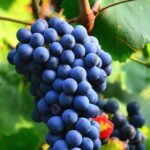
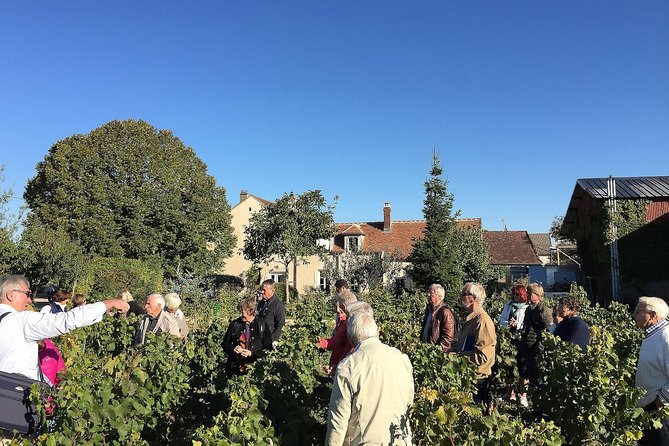
Chablis makes more sense when you see the vines first. At Domaine Clotilde Davenne, you begin among the estate’s own plantings, where the guide explains the terroir and history before taking you into the winery and on to a broad tasting.
I like the small, human scale of this visit and the chance to choose wines from several local appellations, not just one standard Chablis. The warm welcome and clear explanations are also strong points. The main catch is simple: the standard tour is in French, and the outdoor vineyard portion depends on good weather.
In This Review
- Key points to know before you book
- Why begin with the vines in Préhy
- The Chablis story before the first sip
- From the vineyard into the winery
- A tasting that reaches beyond standard Chablis
- What the $20.74 price really buys
- French and English timing matters
- Who will get the most from this visit
- Booking, weather, and cancellation details
- Is Domaine Clotilde Davenne worth your time?
- FAQ
- Where does the Chablis tour begin?
- Where does the experience end?
- How long does the tour and tasting last?
- Is the tour available in English?
- What wines can I taste?
- How many people can join the tour?
- Can I cancel for a full refund?
- What happens if bad weather cancels the experience?
Key points to know before you book
- Start among the vines: Learn about the Chablis soil, setting, and wine history before tasting.
- Taste beyond Chablis: Choose from Chablis, Saint-Bris, Irancy, Bourgognes, and Crémants.
- English times are fixed: English tours are offered at 9:30 a.m. or 2:00 p.m.
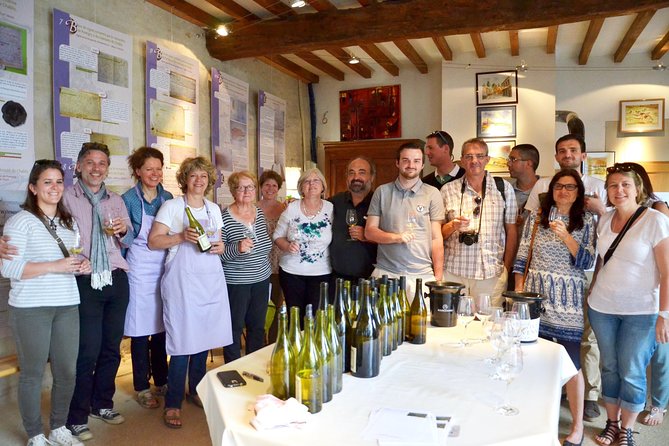
- Small groups help: The maximum group size is 12 people, a good fit for questions and conversation.
- A 90-minute visit: The tour gives you a useful introduction without taking up an entire day.
- Good value at $20.74: The price covers the vineyard visit, winery visit, and commented tasting.
Why begin with the vines in Préhy
The visit starts at Domaine Clotilde Davenne, 3 Rue de Chantemerle, in Préhy. This matters because Chablis is not just a label on a bottle. The character of the wine begins in the vineyard, and the tour puts that setting ahead of the tasting table.
You will visit the vines at the foot of the estate while hearing about the local terroir and the history of Chablis wines. The information is designed to connect the place with what you later taste. I like this order. A glass of wine can seem abstract when you know nothing about its source, but the vineyard gives the tasting a clear starting point.
The outdoor section is also the part most affected by weather. The experience requires good conditions, so you should keep that in mind when planning a tightly packed day in Burgundy. If poor weather forces a cancellation, you are offered another date or a full refund.
The setting is described as authentic and pleasant rather than polished or theatrical. That is a plus if you want to see a working wine estate and meet the production side of Chablis. It may feel less suited to someone looking for a grand château, formal dining room, or highly staged wine show.
You can also read our reviews of more food & drink experiences in France
The Chablis story before the first sip

A key part of the visit is the explanation of Chablis wine history. The guide does not simply pour glasses and list tasting notes. You get background on how the wines of the area developed, which gives you a better way to compare the bottles in front of you.
The tour is in French unless you select one of the English departures. English-speaking visitors should choose 9:30 a.m. or 2:00 p.m. rather than assuming every start time includes English commentary. That small detail can make the difference between a useful visit and a tasting where you catch only a few familiar wine words.
The available information does not name the individual guide, so I would not book this expecting a particular host. What you can count on is a commented explanation of the estate, the vines, and the wines being poured. The feedback attached to the experience places special value on the interesting information about Chablis wine history and the friendly welcome.
For a first introduction to the region, this approach works well. You are given enough context to understand the main ideas without committing to a full-day wine course. At the same time, experienced wine drinkers can use the tasting to compare appellations and styles.
From the vineyard into the winery
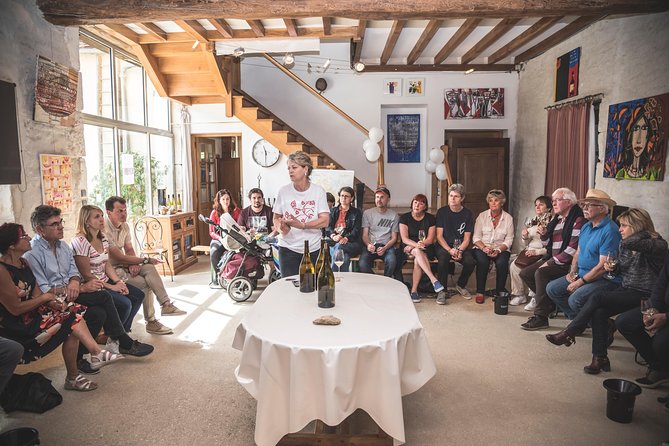
After the vineyard visit, you discover the winery. The shift from outdoor setting to production space helps explain how the grapes become the finished wines. The exact cellar route and equipment are not specified, so you should expect a general winery discovery rather than a detailed technical tour of every stage.
That is not necessarily a weakness. At 90 minutes, the visit has to balance several elements: the vines, local history, the winery, and the tasting. A longer production lesson would leave less time for the wines themselves. I see this as a focused introduction rather than a specialist cellar inspection.
The winery stop also gives the visit a sense of place. You are not only sampling bottles in a shop. You are connecting the estate, its work, and its range of wines. The small group limit of 12 should make it easier to hear the explanation and ask questions, though the value of that depends on the final group size on your date.
The estate is identified as a small, human-scale operation. That is one of the experience’s most appealing traits. You get a closer look at a producer rather than a large commercial attraction, with a setting built around the wines made there.
A tasting that reaches beyond standard Chablis
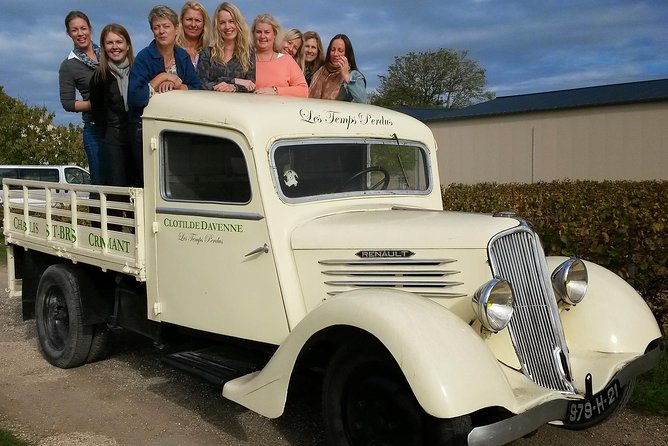
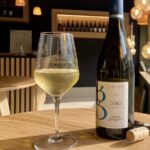
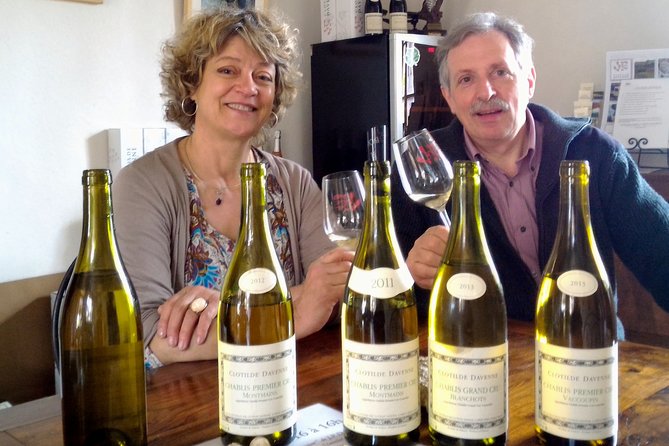
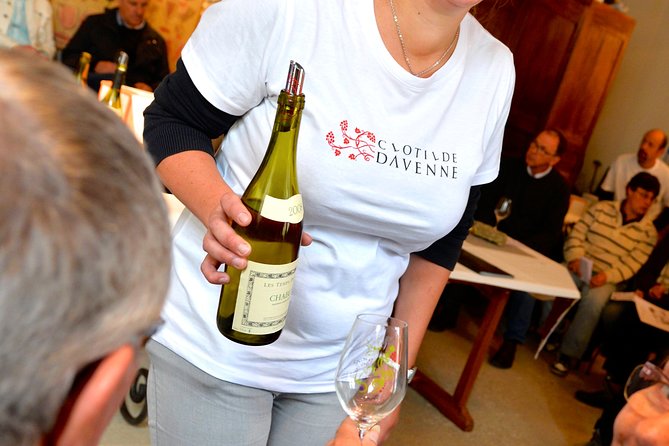
The tasting is the heart of the visit, and you can choose wines from several appellations produced by the estate. The selection includes Chablis, Saint-Bris, Irancy, Bourgognes, and Crémants.
That range gives you more to compare than a single flight of similar Chablis bottles. Chablis is the name most people know, but Saint-Bris, Irancy, Bourgogne wines, and Crémant help show the wider identity of the area and the producer’s range.
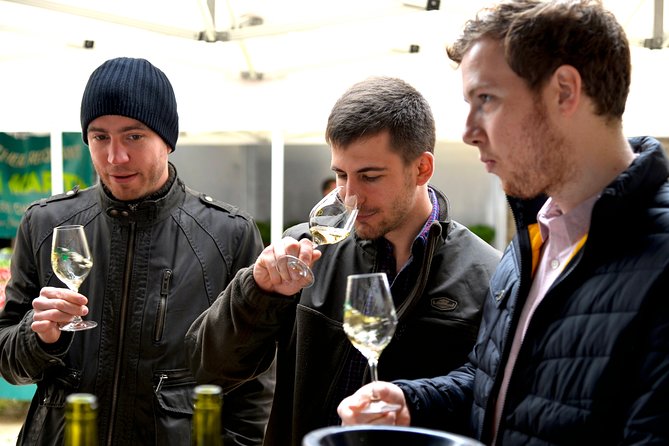
The tasting is commented, meaning the wines are presented with explanations rather than simply placed in front of you. You can use the commentary to consider the differences between the appellations, the role of the local setting, and how the estate expresses each wine.
The exact number of pours and the available vintage selection are not specified. The wording allows you to choose wines from the listed appellations, but it does not promise that every bottle or every category will be available at every sitting. If one particular wine is important to you, ask at the start of the tasting.
The inclusion of Crémant is a welcome change of pace. Sparkling wine can reset your palate and give the tasting a different texture from a series of still whites and reds. Irancy adds another useful comparison, while Saint-Bris broadens the picture of local wine beyond the familiar Chablis name.
I also like that Bourgognes are included. They help put the more specific appellations in a wider regional context. You do not need advanced wine knowledge to benefit from this lineup. The range gives you a simple way to work out which styles you prefer.
What the $20.74 price really buys
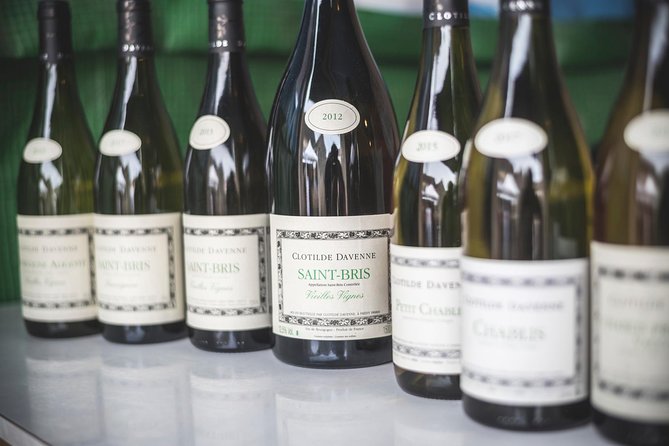
At $20.74 per person, this is priced as an accessible introduction rather than a luxury wine day. You are paying for about an hour and a half of guided time, a vineyard visit, an explanation of the terroir and wine history, access to the winery, and a tasting from several categories.
That is good value if you are already in the Chablis area and want more than a quick retail tasting. The vineyard and winery portions add context, while the selection of appellations gives the tasting real breadth.
The value is less obvious if you only want to drink wine and do not care about how it is made or where it comes from. In that case, a short tasting elsewhere might be faster. This experience is designed for people who want the story and setting along with the glasses.
You should also factor in your transport to Préhy. The meeting point is at the estate, and no transportation from Chablis or another town is included in the information provided. Plan your route carefully, especially if you intend to taste several wines. The experience ends back at the same meeting point, so you do not need to arrange a second pickup location.
The tour is booked, on average, seven days in advance. That is not a strict booking deadline, but it suggests you should reserve ahead during busy periods, particularly if you need one of the two English departure times.

French and English timing matters
The tour is offered in French, with English availability at 9:30 a.m. or 2:00 p.m. These fixed times are important for planning a day around Chablis wineries, meals, and transport.
If you understand French well, the language should not be a concern. If you do not, select the English option when booking and check the departure time closely. A tasting can still be enjoyable without full commentary, but the explanations about terroir and history are a central part of the experience.
The 90-minute length is a sensible middle ground. It is long enough for three distinct stages, vineyard, winery, and tasting, but short enough to fit alongside other sightseeing. You will not get a full-day survey of Burgundy wine, and that is worth stating plainly. This is one estate and one guided introduction.
Because the tour begins and ends at Domaine Clotilde Davenne, it works best as a planned stop rather than an uncertain walk-in. Allow enough time to arrive at 3 Rue de Chantemerle before the start, particularly if you are unfamiliar with Préhy.
Who will get the most from this visit
I would recommend this tour to anyone who wants a compact, local introduction to Chablis wines. It suits couples, small groups, and independent visitors who prefer a personal estate setting to a large organized attraction.
It is also a good pick for mixed wine experience levels. A beginner can learn the basic story of Chablis and taste several local categories. Someone with more wine knowledge can focus on comparing the appellations and asking more specific questions during the tasting.
The maximum of 12 people is useful for both groups. A small party generally makes it easier to hear the host and take part in the conversation. The available information does not promise private service, so do not expect an exclusive appointment unless you arrange that separately.
Most people can participate, and service animals are allowed. No special fitness requirement is given, but part of the tour takes place in the vines, so sensible shoes and weather-ready clothing are practical choices. That is advice based on the outdoor setting, not a claim about a particular trail or terrain.
Families and non-drinkers can still find the vineyard and winery explanations worthwhile, but the tasting is clearly the main finish. If nobody in your group is interested in wine, the price may be harder to justify.
Booking, weather, and cancellation details
Confirmation is provided when you book. The experience offers free cancellation if you cancel at least 24 hours before the local start time, giving you a useful buffer if your Burgundy plans change.
Cancellations made less than 24 hours before the start are not refunded, and changes inside that same window are not accepted. Keep the local time cutoff in mind if you are arranging the tour from another country.
Poor weather can also affect the visit. Since the experience requires good weather, the provider may cancel in those conditions. You will then be offered another date or a full refund.
These rules are fairly reasonable for a small vineyard operation, where a scheduled host and outdoor visit depend on advance planning. I would avoid booking the tour at the very end of a trip if a weather change would leave you no room to move it.
Is Domaine Clotilde Davenne worth your time?
I would book this experience if you want a friendly, small-estate introduction to Chablis with real attention to place. The strongest features are the visit to the vines, the explanation of local wine history, and the tasting range that includes Chablis, Saint-Bris, Irancy, Bourgognes, and Crémants.
The main decision points are language and transport. Choose the English departure at 9:30 a.m. or 2:00 p.m. if needed, and arrange your own way to Préhy. Also leave some flexibility for weather.
At $20.74, the experience offers solid value for a 90-minute visit that combines scenery, production, local background, and wine. Book it if you want to understand Chablis before you buy a bottle. Skip it only if you are seeking a much longer technical winery tour, a private tasting, or an experience conducted in a language other than the listed French and English options.
FAQ
Where does the Chablis tour begin?
The tour begins at Domaine Clotilde Davenne, 3 Rue de Chantemerle, 89800 Préhy, France.
Where does the experience end?
The activity ends back at the same meeting point at Domaine Clotilde Davenne.
How long does the tour and tasting last?
The experience lasts approximately 1 hour and 30 minutes.
Is the tour available in English?
Yes. English tours are available at 9:30 a.m. or 2:00 p.m. The general tour is also offered in French.
What wines can I taste?
You can choose wines from the estate’s Chablis, Saint-Bris, Irancy, Bourgognes, and Crémant appellations.
How many people can join the tour?
The activity has a maximum group size of 12 people.
Can I cancel for a full refund?
Yes. You can cancel for a full refund up to 24 hours before the experience’s local start time. Cancellations inside 24 hours are not refunded.
What happens if bad weather cancels the experience?
If poor weather causes the activity to be canceled, you will be offered a different date or a full refund.