REVIEW · COLMAR
Colmar: Chocolate Museum Entrance Ticket
Book on GetYourGuide →Operated by Choco-Story COLMAR · Bookable on GetYourGuide
Cocoa starts with monkeys. This ticket turns Choco-Story Colmar into a full-day, audio-guided walk through 5,000 years of cocoa, with 30 chocolate experiences and plenty of tastings along the route. The one drawback to keep in mind: there’s no live guide, so you’ll rely on the audio narration.
What I really enjoy is how many ways the museum teaches you. You’ll move from film and 3D-style scenes to a virtual demonstration featuring 3 master chocolatiers, then finish with real recipe know-how you can connect to what you tasted.
In This Review
- Key things to know before you go
- Ticket at a glance: what your $14 gets you in Colmar
- First rooms in the cocoa forest: monkeys, harvest, and the basics
- Aztec temple and Quetzalcoatl: where legend meets cocoa
- A creaky floor, moving lamps, and a Spanish-ship chapter
- European courts in the next century: luxury, tools, and taste clues
- Cocoa as medicine: beliefs you’ll hear, and what they meant
- Second floor on industrialization: why Alsace became a powerhouse
- Virtual demo with 3 master chocolatiers: recipes and real technique
- How to pace your 1-day visit without feeling overloaded
- Is this ticket worth $14? Here’s the value logic
- Who will enjoy Choco-Story Colmar the most?
- Should you book this Coloco-Story Colmar chocolate ticket?
- FAQ
- How long does the Choco-Story Colmar experience last?
- What is included in the ticket price?
- Is there a live guide included?
- How many chocolate experiences are part of the tour?
- Are chocolate tastings included?
- What languages is the audio guide available in?
- Does the museum offer a virtual demonstration?
- Is the museum wheelchair accessible?
- What’s the cancellation policy?
Key things to know before you go
- 30 chocolate experiences: a lot of stops, not just a single “sample station”
- Story-driven sets: cocoa harvest, Aztec legends, and a European ship scene you walk into
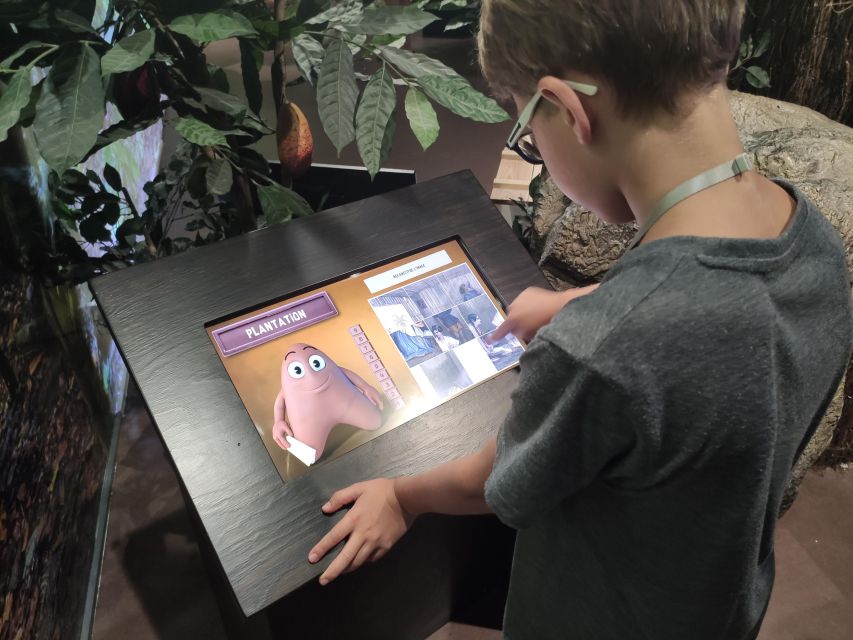
- Film + 3D projections: lots of visual learning, not only text on walls
- Virtual demo with 3 chocolatiers: you see methods and get recipe-style tips
- Chocolate samples included: tasting is built into the route, not an add-on
Ticket at a glance: what your $14 gets you in Colmar
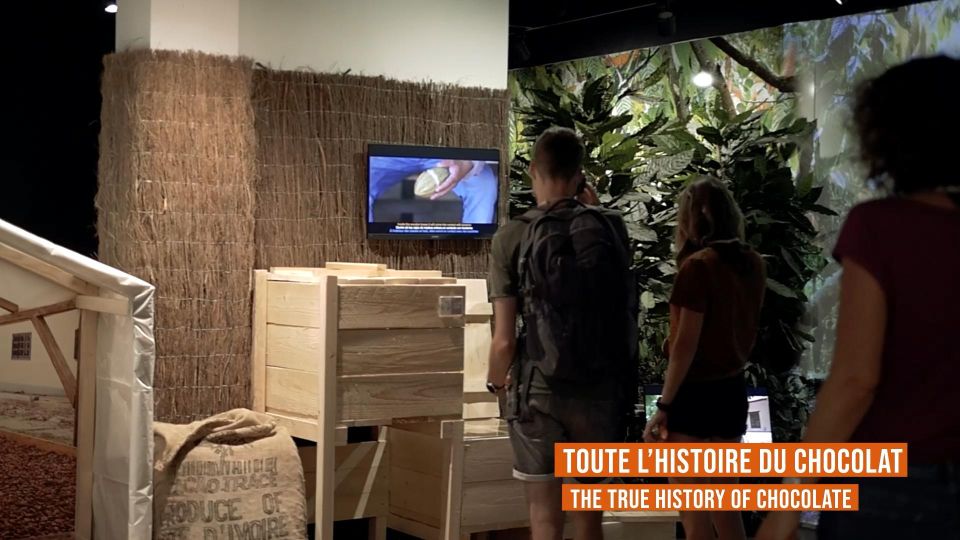
At about $14 per person, this is one of those value-priced museum experiences where the ticket isn’t only for entry. It includes the entrance, chocolate samples, a virtual demonstration, and an audio guide app in multiple languages (Chinese, English, French, German, Spanish, Dutch).
The “1 day” length also matters. You’re not rushed through a quick gallery. Instead, you get a full route with timed-style pacing, multiple media formats, and frequent chances to taste, so the day feels like a sequence rather than a checklist.
One practical note: there’s no live guide. So if you’re the type who likes to stop and ask questions, you may prefer a tour with a person. If you like self-paced learning and don’t mind following the audio, it’s a great setup.
A few more Colmar tours and experiences worth a look


First rooms in the cocoa forest: monkeys, harvest, and the basics
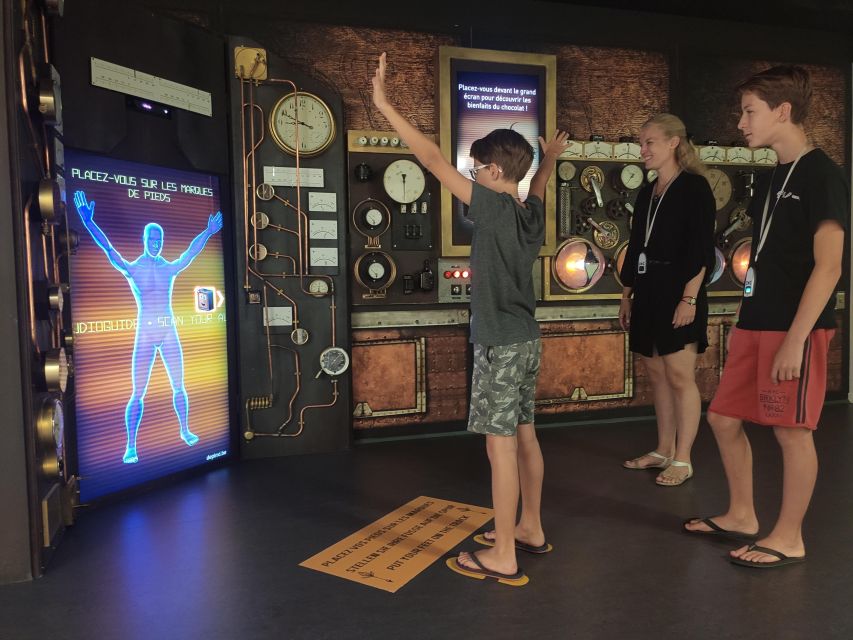
Your route starts somewhere unusual for a chocolate museum: a tropical forest scene. You’ll meet a small monkey eating cocoa pods, and the display immediately links chocolate to the real plant—the cocoa tree and how it’s harvested.
I like this opening because it sets the right expectations. Before you get lost in myths and machinery, you’re reminded that cocoa starts with farming choices, not magic. That context makes later tastings easier to understand, because you’re learning the “source” before the “product.”
Expect the museum to use environment-style storytelling. It’s not only pictures. You’ll walk through staged settings meant to feel like different chapters in a long journey.
Aztec temple and Quetzalcoatl: where legend meets cocoa
Leaving the forest, you enter an Aztec temple. This is where the story turns into legend: the serpent god Quetzalcoatl is part of the narrative about how cocoa came to the world.
Even if you’re not into ancient religions, this section works because it explains why cocoa was treated with importance. You get the idea that chocolate didn’t arrive as a casual snack—it arrived as something meaningful, with stories attached.
The best way to use this room is to pay attention to the “why,” not just the “what.” The museum is telling you that chocolate has always had a cultural role, and that role changes as it moves between places.
A creaky floor, moving lamps, and a Spanish-ship chapter
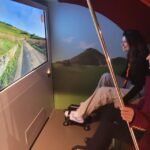
Then comes one of the most cinematic jumps in the museum: a 16th-century Spanish ship scene. As you enter, the floor creaks, lamps shift, and the windows reveal a sea-like blue view. The point is to make you feel like you’re traveling with the cargo and the curiosity that brought cocoa toward Europe.
This is also where the museum gives you a clear “travel route” for chocolate. You’re not only learning geography—you’re learning timing: when and how the product moves into European contact.
If you’re sensitive to motion effects or strong sound design, take it calmly in this area. It’s meant to be theatrical. For most people, that theatrical touch is a major part of the fun.
European courts in the next century: luxury, tools, and taste clues
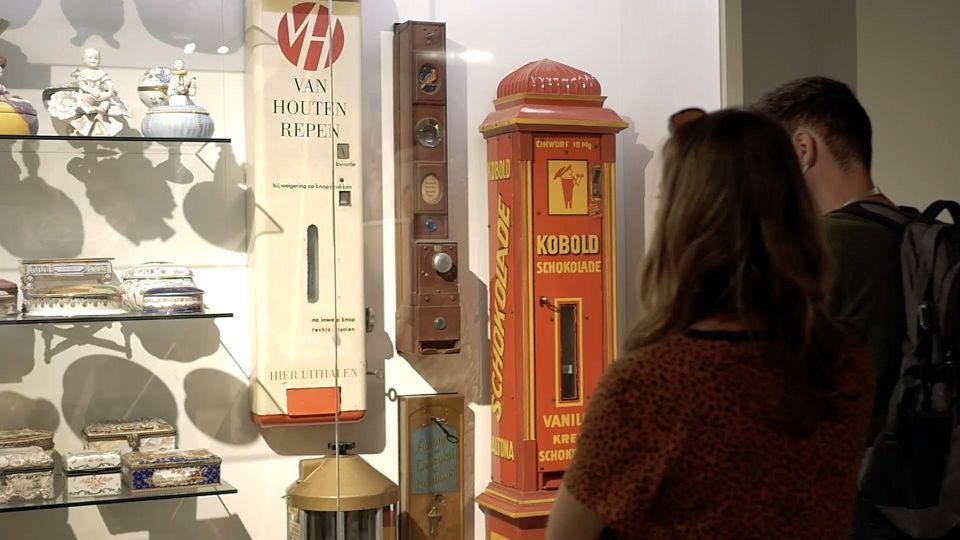
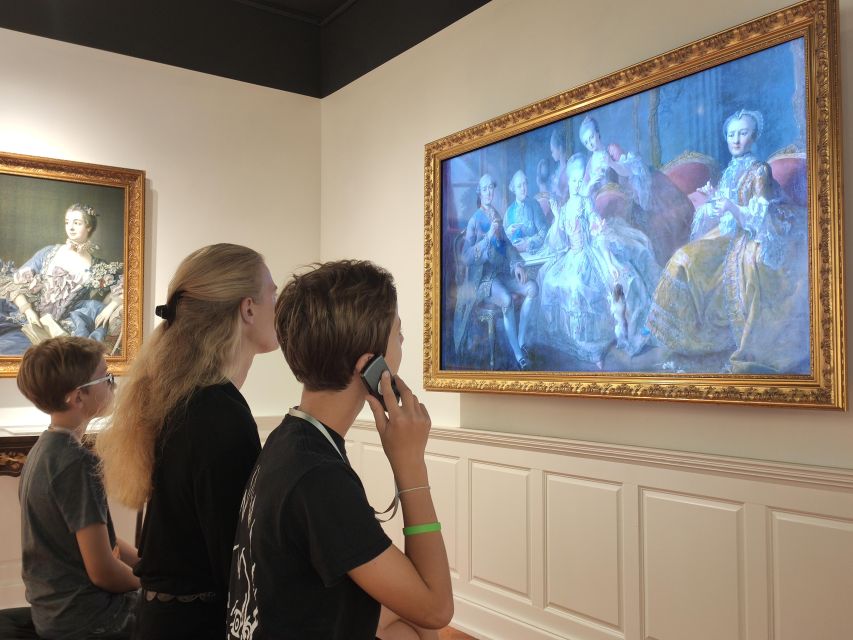
A century later, chocolate enters major European courts, and the museum follows that shift. You’ll learn how cocoa changed status—from something tied to origin stories into something treated as high-society and even special equipment for drinking.
This part matters for your tastings because the museum is trying to connect tools and customs to flavor. When you see how people prepared cocoa, you start to understand why certain chocolate styles became desirable.
I also appreciate that the museum pushes you to notice “original flavors” from that era. It’s not just modern sweetness. The idea is to help you taste with historical context.
You can also read our reviews of more museum experiences in Colmar
Cocoa as medicine: beliefs you’ll hear, and what they meant
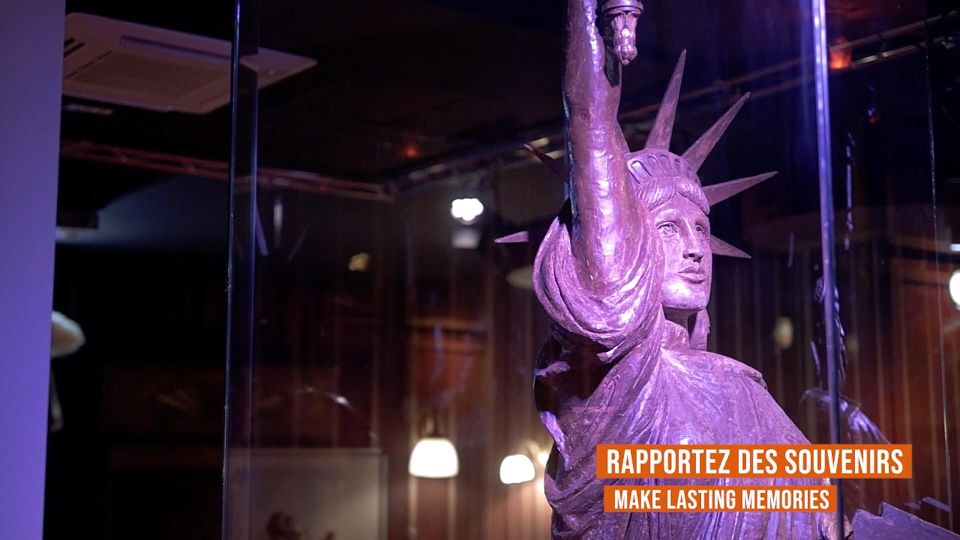
Next, the museum brings up another angle: cocoa as medication. You’ll see the beliefs and claims around benefits, plus the way people understood cocoa through a medicinal lens.
This section is a useful reality check. It shows that chocolate’s story has always included health talk, even before modern science. You don’t need to agree with every belief to understand the culture—this is about the role chocolate played in daily thinking, not about modern nutrition labels.
For me, this is one of the best “learning” parts of the day, because it keeps chocolate from being only a dessert. It becomes a product with social meaning and changing interpretations.
Second floor on industrialization: why Alsace became a powerhouse
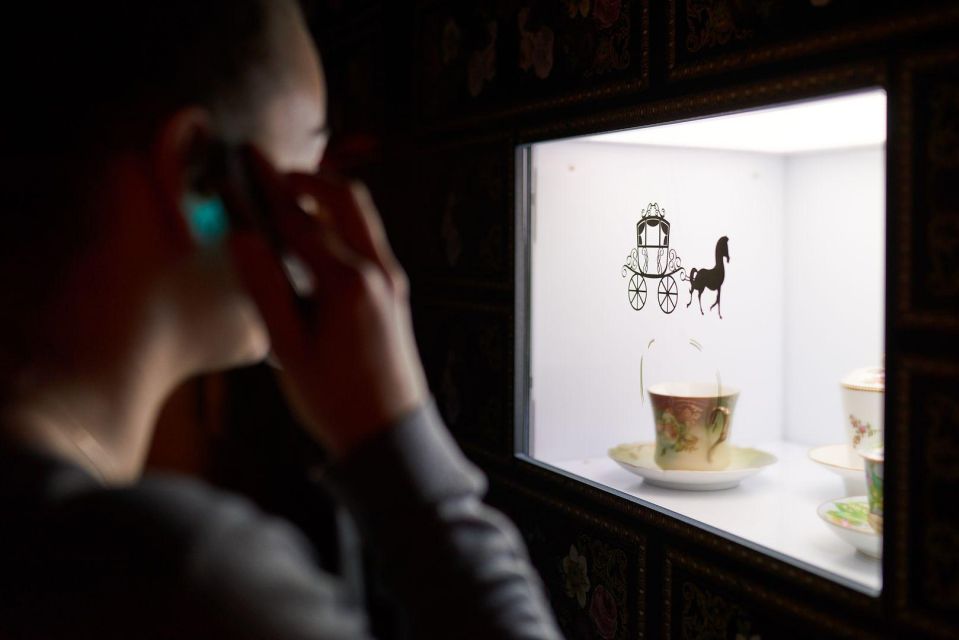
On the second floor, the focus shifts to industrialization and how chocolatiers helped make Alsace one of France’s biggest producers. This is where the museum gets more practical: how chocolate went from specialty to industry, and how local makers shaped what people could buy.
Even if you’re mainly there for tasting, don’t skip this floor. It helps you connect the theatrical origins to real manufacturing and regional identity.
A good approach here is to slow down and look for “cause and effect.” The museum is showing you how production methods and craft traditions influence the final chocolate experience.
Also, it’s good to know the museum is wheelchair accessible, so the route is designed for more than just stairs-and-steps sightseeing.
Virtual demo with 3 master chocolatiers: recipes and real technique
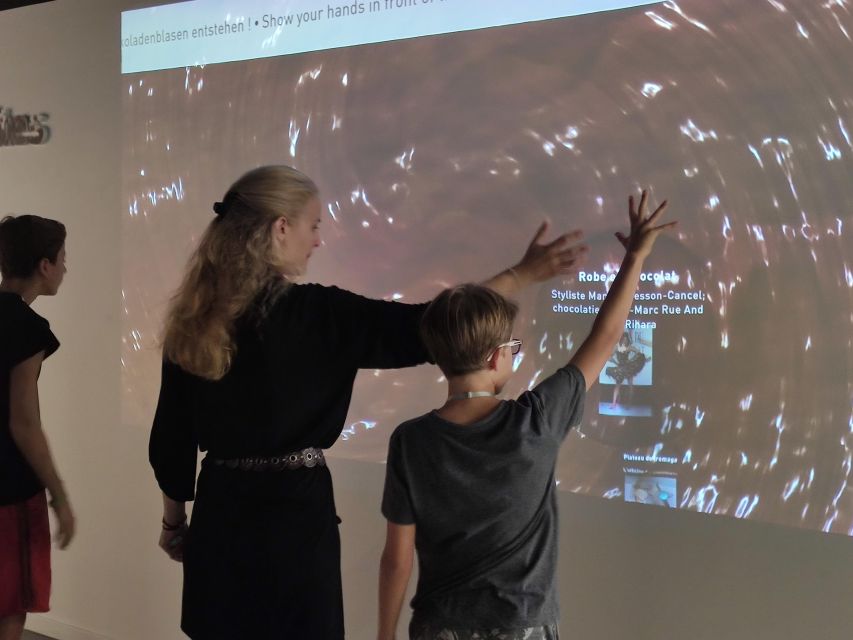
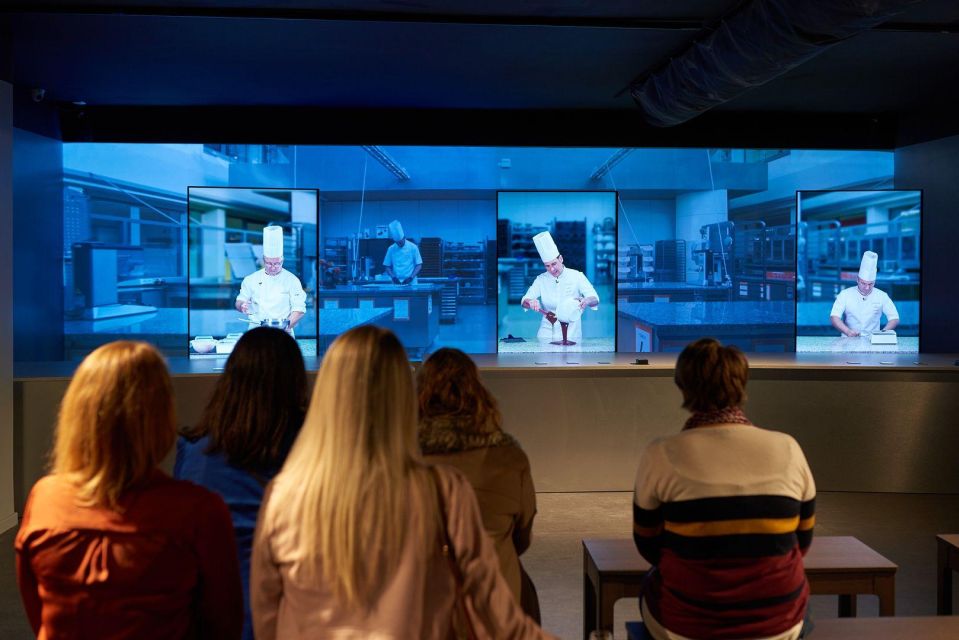
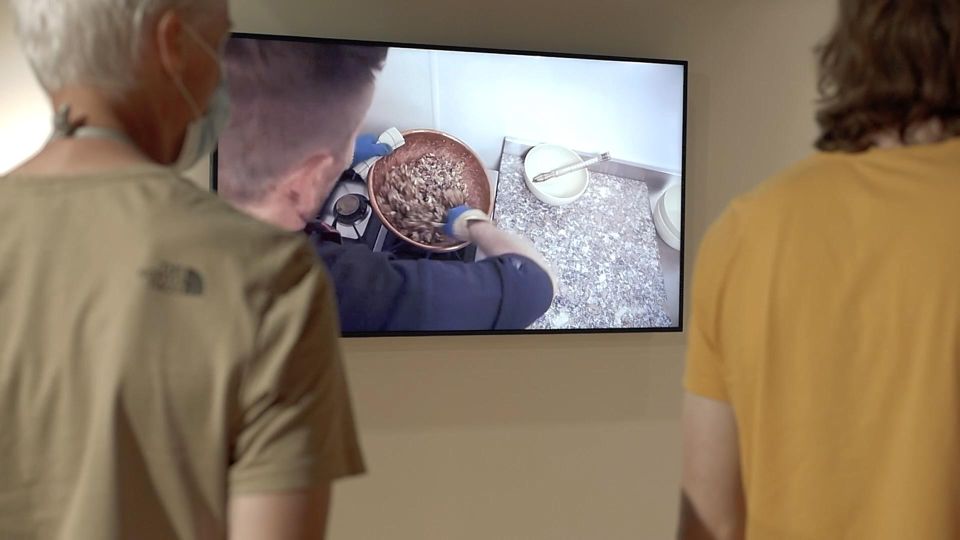
The highlight many people point to is the virtual demonstration, where you meet 3 master chocolatiers and see their recipes and tricks. This isn’t only “watch and clap.” It’s meant to explain method—how chocolatiers think about texture, timing, and results.
This is especially valuable because it gives you a framework for what you taste later (and what you notice in samples). When someone explains technique, the flavors stop being random. You start tasting with a question in your head: what did they do to create that finish, that snap, that balance?
In practical terms, I recommend you treat the demo like a workshop. Don’t half-listen while you’re moving. If you can, stand or settle so you can track the explanation, then take note of the specific “tricks” they describe.
How to pace your 1-day visit without feeling overloaded
This is a full route with frequent tastings and lots of media. If you go in hungry, you’ll have fun—but you might also miss details because you’ll be focused on flavor intensity.
A better plan is simple:
- Start with water and a light snack if you’re sensitive to sugar.
- Take your time in the story scenes, then enjoy tastings as mini “checkpoints.”
- If you find yourself craving a break, step away in quieter rooms rather than forcing through.
Because it’s self-guided by audio app, you can also adjust pacing. Want faster? Move between scenes. Want more learning? Stay longer and replay parts in the audio app if it’s available to you.
And yes, there’s at least one “sweet reality” moment at the end: the warm cocoa or chocolate drink offered afterward has room to improve, based on visitor feedback. It’s still a nice finish, but don’t treat it like the main event. The main event is the route and the included tastings.
Is this ticket worth $14? Here’s the value logic
For $14, you’re paying for several bundled elements: the museum entrance, chocolate samples, a virtual demonstration, and an audio guide app. That combination is what makes the price feel fair.
If you like interactive museums, value comes from variety. This isn’t one room and done. You’re moving through different chapters with films and 3D-style projections, then you get practical technique input through the chocolatiers demo.
If you’re a serious chocolate geek, you’ll also value the “many tastings as you make your way around” part. You’re not only watching; you’re sampling across the story.
The only time this might not feel worth it is if you want a human guide explaining on the spot. Since a live guide isn’t included, you’ll want to be comfortable using audio and reading what’s on screen.
Who will enjoy Choco-Story Colmar the most?
This ticket is a great fit for:
- Families and mixed-age groups who want variety and interaction without needing prior knowledge
- People who like museums that mix story, visuals, and food sampling
- Chocolate lovers who want technique and background, not only sweets
If you’re coming alone, it still works well because the audio guide keeps you moving with structure. You won’t need to depend on a group dynamic.
For couples, it’s also a solid rainy-day option in Colmar. The setup is indoor, and the experience is designed around shifting scenes so the day doesn’t feel monotonous.
Should you book this Coloco-Story Colmar chocolate ticket?
Yes, I’d book it if you want a structured chocolate education with 30 chocolate experiences, tastings included, and a virtual look at how chocolatiers work. The story scenes—forest, Aztec temple, and ship—make the learning stick, and the demo gives you a technique layer that turns sampling into something more meaningful.
I would think twice only if you strongly prefer a live guide for Q&A, or if you know you don’t like environments with theatrical sound and motion effects. In that case, you might want a different format.
If you’re open to audio-guided museum time, this is an easy “go for it” ticket in Colmar—especially if you enjoy learning through doing, one tasting at a time.
FAQ
How long does the Choco-Story Colmar experience last?
It’s listed as valid for 1 day, so you can plan to spend the day working your way through the route.
What is included in the ticket price?
The entrance fee includes chocolate samples, the virtual demonstration, and an audio guide app.
Is there a live guide included?
No. A live guide is not included.
How many chocolate experiences are part of the tour?
The experience includes 30 chocolate experiences.
Are chocolate tastings included?
Yes. Chocolate samples are included, and tastings happen as you move through the museum.
What languages is the audio guide available in?
The audio guide app is available in Chinese, English, French, German, Spanish, and Dutch.
Does the museum offer a virtual demonstration?
Yes. You’ll meet 3 master chocolatiers in a virtual demonstration.
Is the museum wheelchair accessible?
Yes, it’s listed as wheelchair accessible.
What’s the cancellation policy?
Free cancellation is available up to 24 hours in advance for a full refund.