REVIEW · COLMAR
Cooking class : Baking “Bredele” Alsatian Biscuits, Colmar
Book on GetYourGuide →Operated by Exotarien cuisine · Bookable on GetYourGuide
Alsatian Christmas biscuits are small, but they carry a lot of local character. In this two-hour class, you enter a chef’s apartment in central Colmar and make several kinds of bredele, the crisp, fragrant cookies traditionally linked with the holiday season.
I like the small group of up to eight, which gives you a better chance to work directly with the dough and ask questions. I also like the practical take-home result: about 800 grams of biscuits per person, plus printed recipes so you can repeat the class at home.
The main caution is variety. You make four doughs, but the basic process is similar for each one. If you expect jam-filled, chocolate-dipped, or iced cookies, this class may feel more repetitive than you hoped.
In This Review
- Key points at a glance
- Why bredele belong in a Colmar visit
- Inside the central Colmar apartment
- Four bredele doughs, four familiar flavors
- What you actually do during the two hours
- The take-home value at $59
- Who will enjoy this class most
- A festive choice, even outside Christmas
- The main tradeoff: useful repetition or limited variety
- Practical details before you reserve
- Should you book the bredele class?
- FAQ
- How long does the Alsatian bredele cooking class last?
- Where does the cooking class take place?
- What kinds of bredele will I make?
- How much food can I take home?
- Are ingredients and kitchen equipment included?
- Are recipes provided in English?
- Is the class taught in English?
- Who cannot take part in this activity?
Key points at a glance
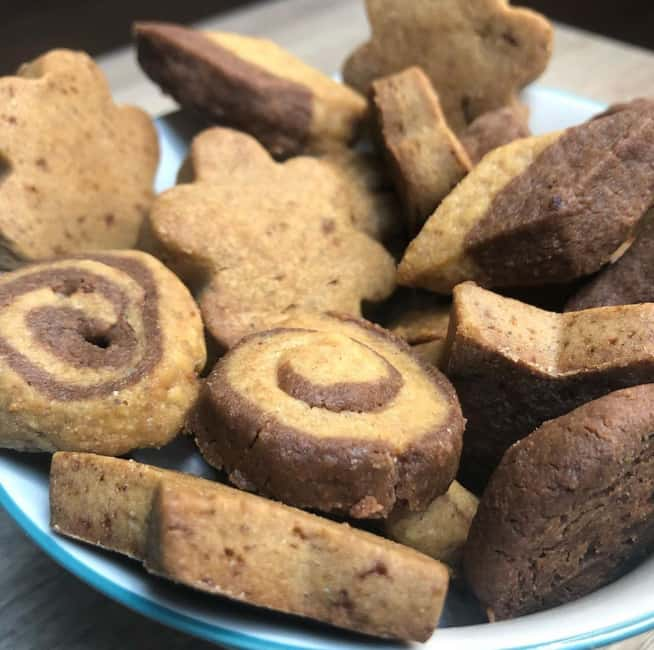
- Four Alsatian recipes: Bake bredele with five spices, pistachio, vanilla, and a plain version.
- Central Colmar setting: Cook in a chef’s apartment rather than a large commercial kitchen.
- Chef Frédéric’s guidance: Receive step-by-step help and practical tips for getting the dough right.
- Large edible souvenir: Take home around 800 grams of your own biscuits per person.
- All supplies included: Ingredients, utensils, aprons, and printed recipes in English are provided.
- Best for curious food lovers: The class suits adults and children aged 10 and over, but not vegans or people with diabetes.
Why bredele belong in a Colmar visit
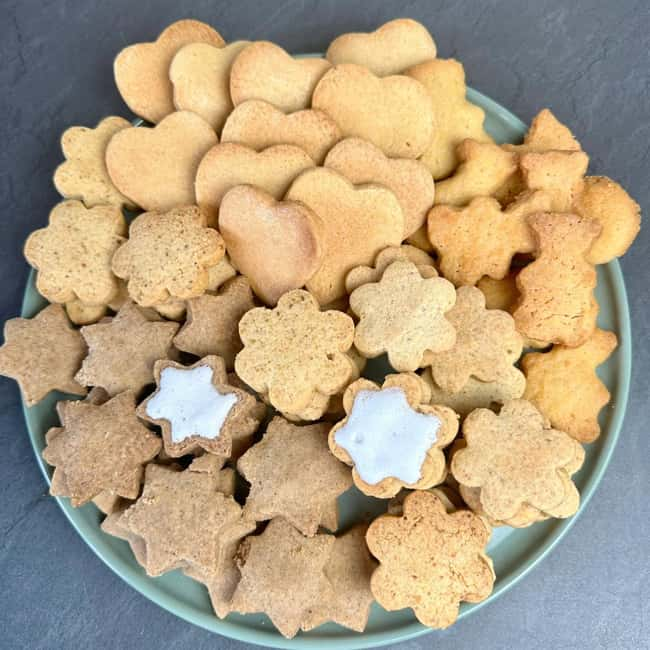
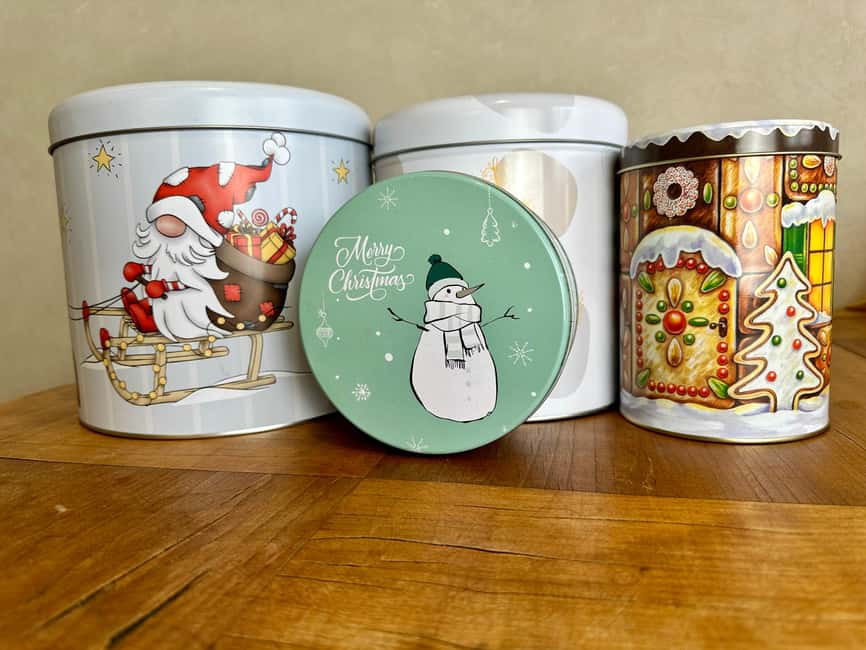
Colmar is famous for its canals, colorful old-town buildings, and Christmas markets, but Alsace is also a place where food traditions matter. Bredele are part of that home-style culture. Families bake them in many shapes and flavors, especially around Christmas, and a tin of assorted biscuits is a familiar part of the season.
That makes this class more meaningful than a generic cookie workshop. You are not simply decorating a sweet treat for a quick photo. You are learning one of the region’s recognizable home-baking traditions, using local-style flavors such as vanilla, pistachio, and warm spices.
I find the apartment setting appealing for exactly this reason. A chef’s home kitchen suggests a relaxed lesson built around cooking as people do at home. It should feel less formal than a school with rows of workstations, though the tradeoff is that apartment kitchens can offer less personal space than a purpose-built cooking studio.
The class runs from Friday through Sunday and lasts two hours. That timing works well on a Colmar weekend. You can schedule it between sightseeing and dinner, or use it as a slower afternoon activity when your feet need a break from the old town.
You can also read our reviews of more cooking classes in Colmar
Inside the central Colmar apartment
The meeting point is in the city center, and the cooking takes place in the chef’s apartment. No transport is needed once you reach the central location, which keeps the experience easy to fit into a short stay.
You should expect a hands-on session rather than a demonstration where you only watch. The chef guides you through the recipes step by step, explains useful kitchen tricks, and helps you work with the ingredients and tools. An apron is supplied, along with the utensils needed for the class.
That home setting also changes the mood. You are cooking in a personal space, not sitting in a large room with a crowd. With a maximum of eight people, the group is small enough for questions and corrections as you work.
Chef Frédéric is the instructor named in the participant feedback, and his approach appears especially suited to families and beginners. A family group described him as kind and full of advice that made the process easy to follow. That matters with biscuit dough, where small errors in texture, thickness, or baking time can affect the final result.
Still, keep your expectations sensible. The class is two hours, so it is designed to teach a useful set of recipes rather than cover every style of Alsatian pastry. You will learn a focused tradition well, not take a full survey of the region’s baking.
Four bredele doughs, four familiar flavors
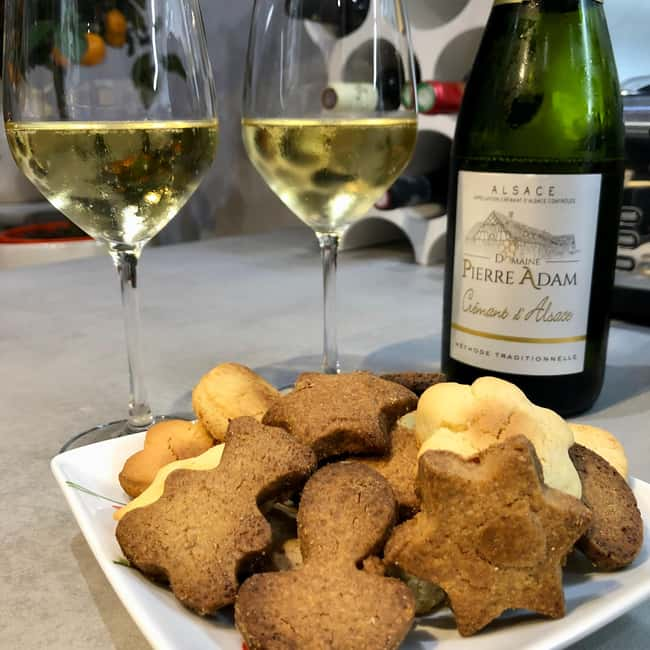
The class includes four versions of bredele:
- Five-spice bredele
- Pistachio bredele
- Vanilla bredele
- Plain bredele
The flavor range gives you a useful introduction to how a basic biscuit can change with a few ingredients. The five-spice version should appeal if you like warm, aromatic baking. Pistachio adds a nutty note, while vanilla keeps things gentle and familiar. The plain version gives you a simple base that may be easiest to repeat at home.
The recipes are made using the same general method, which is helpful if you are new to baking. You can focus on learning the core process instead of juggling several unrelated techniques. Once you understand the basic dough, you can see how flavor changes affect the finished biscuit.
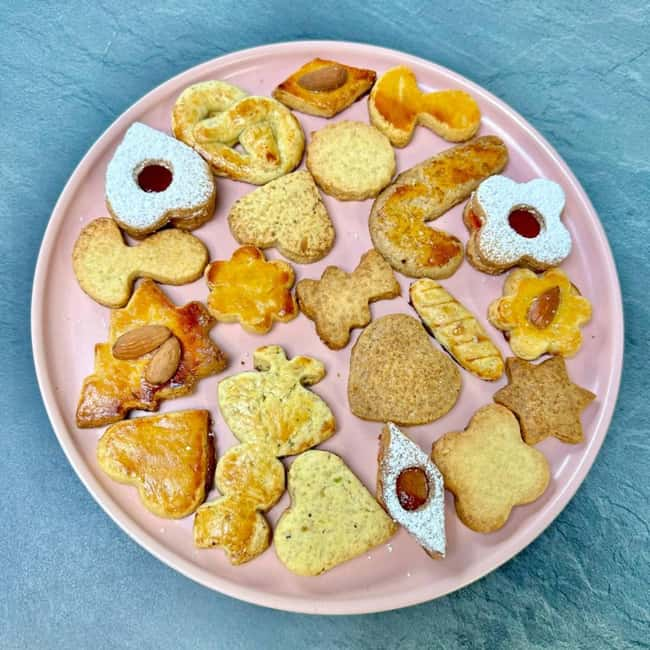
This is also where the class has its clearest limitation. One participant expected more types of cookie work, including jam, chocolate dipping, and icing. Instead, the session used four similar doughs, cookie cutters, and a largely repeated process.
That complaint is fair. If you want decoration, filled cookies, or more advanced pastry work, you may find the lesson narrow. But repetition is not always wasted time. Making similar doughs more than once can help you understand the texture and method, especially if you want to bake the biscuits again without a chef beside you.
What you actually do during the two hours
The exact order can vary, but the class follows a clear cooking pattern. You begin by meeting the chef, putting on your apron, and getting familiar with the ingredients and tools. The chef introduces the Alsatian biscuit tradition and explains the recipes you will make.
Next comes the dough preparation. You work through the ingredients under guidance, learning how to combine them and how to judge the mixture. This is the part where the chef’s tips are most useful. Printed instructions can tell you quantities, but a person can show you what the dough should feel like and point out problems as they occur.
You then divide your work among the four flavors. This gives you a direct comparison between the plain base and versions containing vanilla, pistachio, or spices. The class is not just about tasting finished biscuits. You see how the additions change the mixture before baking.
Cookie cutters are part of the process. That keeps the class approachable and helps produce biscuits that are easy to pack and take home. It also adds a festive touch, particularly if you visit Colmar during the Christmas season.
Once the biscuits are prepared, you taste what you have made. That final step is important. You can judge the texture and flavor while the lesson is still fresh, then ask the chef what to change when you try the recipe at home.
You leave with your own production of bredele, around 800 grams per person. That is a generous amount for a two-hour activity. Pack a little space in your luggage, especially if you are already carrying wine, chocolate, or market purchases.
The take-home value at $59
The listed price is $59 per person. On its own, that is not a bargain-basement cooking lesson, but the price includes more than two hours of instruction.
You receive all ingredients, utensils, and an apron during the class. You also receive printed recipes in English and take home about 800 grams of biscuits, described as having a market value of about €40 per person. The value therefore depends on what you want from a cooking activity.
If you want a large, varied meal, this is not the right comparison. You are baking biscuits, not preparing a full Alsatian lunch or dinner. If you value an intimate class, guidance from a chef, a local tradition, and a substantial edible souvenir, the cost makes more sense.
I would also count the recipes as part of the value. A photograph of a finished dish is a weak souvenir. A printed recipe you can use in your own kitchen has a longer life, especially when it comes from an activity that taught you the method rather than simply handing you a sample.
The price looks strongest for someone who would otherwise buy several boxes of local biscuits. It looks less attractive if you mainly want entertainment and do not care about learning to bake. Before booking, ask yourself if you will actually use the recipes. If the answer is yes, the class offers something lasting as well as something sweet.
A few more Colmar tours and experiences worth a look

Who will enjoy this class most
This is a good match for food lovers, home bakers, couples, friends, and families with children aged 10 or older. A family can share the work, compare flavors, and leave with a sizable batch of biscuits for later.
The class also suits people who want a quiet, local activity instead of another guided walk. Colmar sightseeing can become a sequence of streets, canals, shops, and photographs. Two hours in a kitchen gives you a different way to connect with the city and region.
Beginners should feel comfortable here. The chef provides step-by-step instruction and personal advice, and the recipes are focused rather than technically extreme. You do not need to arrive with advanced pastry skills.
The experience is not suitable for children under 10, wheelchair users, vegans, or people with diabetes. Those restrictions matter. Bredele recipes commonly rely on ingredients that do not fit a vegan or diabetes-conscious diet, and the apartment setting is not suitable for wheelchair users according to the activity details.
If you have a serious allergy or dietary concern, the supplied information does not confirm possible substitutions. You should check directly before reserving rather than assume the recipes can be changed.
A festive choice, even outside Christmas
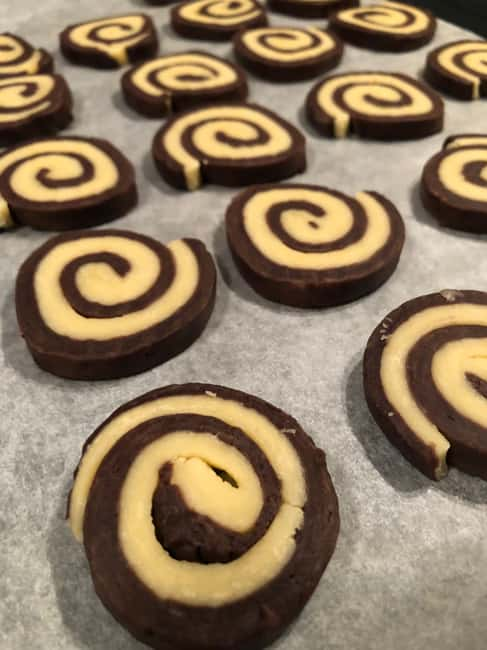
The class is marketed around the magic of Christmas, and bredele naturally fit that theme. Colmar’s holiday season makes the experience particularly tempting, since the biscuits connect directly with the food and family customs of Alsace.
Still, you do not have to visit only in December to enjoy the lesson. The class runs from Friday to Sunday, and the recipes work as a taste of Alsatian culture at any time. In autumn, the spices should feel especially fitting. In warmer months, the activity gives you a break from outdoor sightseeing.
The festive angle is strongest if you enjoy edible souvenirs and traditional holiday baking. You can take the biscuits back to your accommodation, share them with family, or carry them home if packed carefully.
Do not expect a full Christmas production with elaborate decoration based on the available details. The focus is on four flavors, dough, cutters, baking, tasting, and practical instruction. That is a pleasant, useful format, but it is more kitchen lesson than theatrical holiday show.
The main tradeoff: useful repetition or limited variety
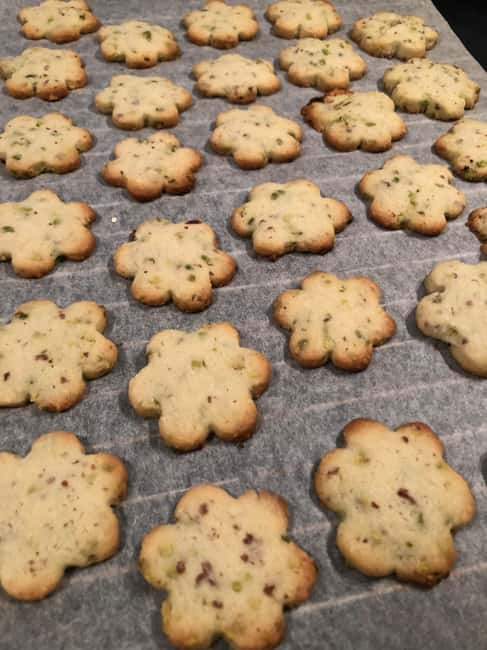
The most important decision comes down to what you want to learn. Repeating a similar method across four doughs can make the lesson easy to follow. It lets you compare flavor changes and reinforces the basic technique.
But you may find the class too narrow if you already bake regularly or want a broad range of pastry skills. The stated recipes do not include jam-filled biscuits, chocolate dipping, or icing techniques. You should book this as an introduction to bredele, not as an advanced pastry workshop.
I see the repetition as a mixed point rather than a fatal flaw. For a beginner, it can build confidence. For an experienced baker, it may feel like four versions of one exercise. The small group and chef’s advice help, but they do not change the basic scope of the lesson.
The strongest reason to book is the combination of place, tradition, and take-home food. You are in central Colmar, cooking a local Christmas biscuit with a chef, then leaving with recipes and a large batch of your own work. The weakest reason would be expecting restaurant-level variety or complex decorating.
Practical details before you reserve
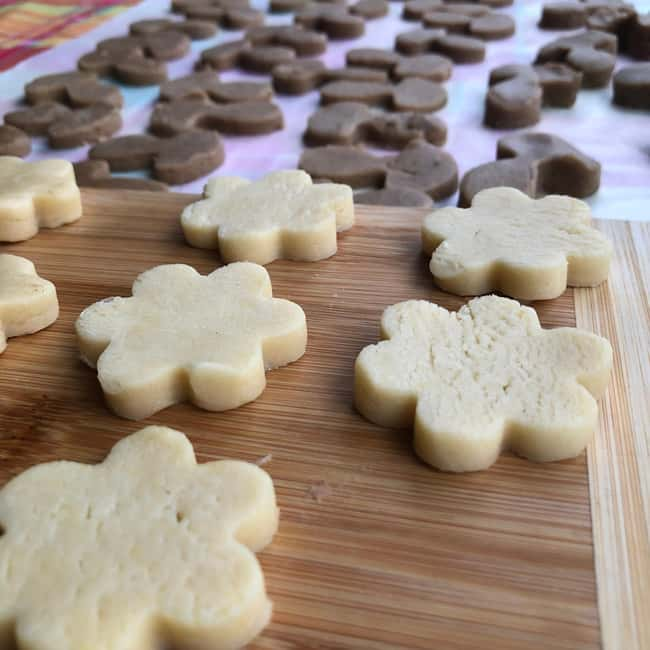
The class lasts two hours, and starting times vary, so check availability before planning the rest of your day. Because the activity is offered Friday through Sunday, it fits best into a weekend in Colmar, though the schedule may also work for a longer stay.
French and English are available. Printed recipes include an English version, which is useful if you want to bake the biscuits later without translating instructions.
The group is limited to eight participants. That is small enough for a more personal lesson, but it also means spaces may be limited on popular weekends. The provider allows free cancellation up to 24 hours in advance for a full refund, and you can reserve now and pay later if you want to keep your schedule flexible.
Wear something comfortable for kitchen work, even though an apron is provided. Most important, leave room in your bag for the biscuits. Eight hundred grams is far more than a small tasting portion.
Should you book the bredele class?
Book this class if you want a hands-on taste of Alsace and like the idea of bringing home something you made yourself. It is especially suitable for families with older children, beginners, and visitors who want a slower activity in central Colmar.
Think twice if you are looking for several unrelated baking techniques, elaborate decoration, or a wide range of pastries. The four recipes share a similar method, and that repetition may disappoint an experienced baker.
At $59, the class is reasonably defensible because ingredients, equipment, apron, English recipes, chef instruction, tasting, and about 800 grams of biscuits are included. I would choose it for the local tradition and personal guidance, not for technical variety. If that sounds like your kind of afternoon, it is a sweet and practical addition to a Colmar visit.
FAQ
How long does the Alsatian bredele cooking class last?
The class lasts two hours.
Where does the cooking class take place?
It takes place in a chef’s apartment in the city center of Colmar.
What kinds of bredele will I make?
You will make four varieties: five-spice, pistachio, vanilla, and plain bredele.
How much food can I take home?
You can take home around 800 grams of your own bredele per person.
Are ingredients and kitchen equipment included?
Yes. Ingredients, utensils, and aprons are included.
Are recipes provided in English?
Yes. A printed copy of the recipes includes an English version.
Is the class taught in English?
The instructor offers the class in French and English.
Who cannot take part in this activity?
The class is not suitable for children under 10, wheelchair users, vegans, or people with diabetes.