REVIEW · BAYEUX
DDay American Beaches and US Airborne Full Day Tour from Bayeux
Book on Viator →Operated by HQ Company Tour · Bookable on Viator
A trip like this makes Normandy feel personal fast. This full-day run links the American beaches with the Airborne story, plus the American cemetery—all in one tight loop that’s easy to do from Bayeux. I like the small-group setup, and I love that the guide works with maps and pictures so you understand what you’re looking at. One thing to consider: it’s a long day (about 8.5 hours), and lunch isn’t included, so plan for food on your own.
What I like most is the pacing. You get stops that are long enough to absorb the place (Omaha Beach, Utah Beach, Pointe du Hoc), but not so long that you feel stuck in one spot. I also like that the tour is structured around names and units—like the 1st and 29th U.S. infantry landings at Omaha, and the 2nd U.S. Ranger Battalion at Pointe du Hoc—so the day doesn’t blur into random photos.
If you prefer a relaxed pace, you might feel the schedule. The tour depends on good weather, and you’ll be driving between sites in a minivan the whole day, so bring comfy walking shoes and expect a full itinerary.
In This Review
- Key things you’ll notice on this Normandy U.S. D-Day route
- U.S. D-Day, staged for understanding (not just sightseeing)
- Starting in Bayeux, traveling comfortably with a small group
- Omaha Beach: where the 1st and 29th Infantry landings come into focus
- The Normandy American Cemetery: a pause that feels necessary
- Pointe du Hoc: the cliffs, the Rangers, and the gun battery threat
- Sainte-Mère-Eglise: the airborne story in a real town
- Utah Beach and Theodore Roosevelt Jr: the 6:30 am landing
- Angoville-au-Plain church: the aid-station stop that hits hard
- Guides, maps, and why this tour stays readable
- Price and value: $169.31 for an organized U.S. D-Day day trip
- What to pack and how to set expectations for the 8.5-hour schedule
- Should you book the D-Day American Beaches and U.S. Airborne tour from Bayeux?
- FAQ
- How long is the D-Day American Beaches and U.S. Airborne tour from Bayeux?
- What is the group size limit?
- Is the tour offered in English?
- Where do we meet in Bayeux?
- Is lunch included?
- Are admissions included for the stops?
- How do I get the ticket?
- What if the weather is bad?
- How far in advance should I book?
Key things you’ll notice on this Normandy U.S. D-Day route
- Max 7 travelers means more chances to ask questions and get answers on the spot
- Round-trip A/C minivan from central Bayeux saves you from rental-car stress
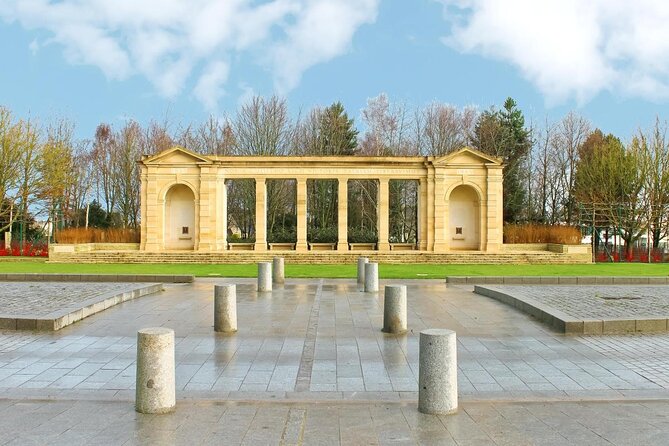
- Omaha Beach + Normandy American Cemetery gives you both battlefield context and remembrance
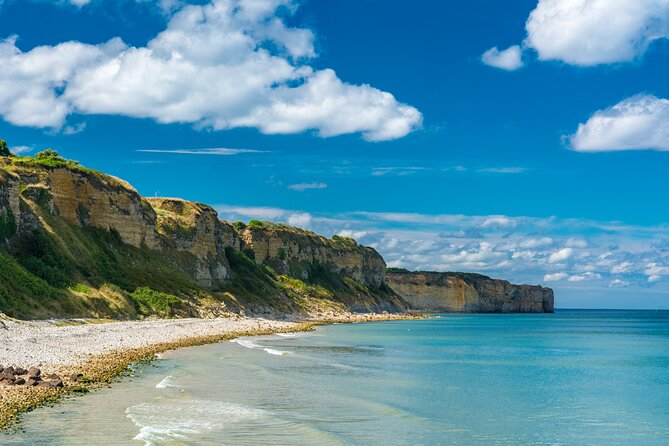
- Pointe du Hoc with the Rangers centers on the gun battery threat and the cliff assault
- Sainte-Mère-Eglise and the church tower story brings the Airborne operation into focus
- The day ends with a moving Angoville-au-Plain aid-station stop about medics treating wounded men
U.S. D-Day, staged for understanding (not just sightseeing)
This is the kind of tour that helps you build a clear mental map of June 6, 1944. Instead of bouncing between every possible site in Normandy, you focus on the American-led story: Omaha and Utah beaches, Pointe du Hoc, and the airborne operations tied to towns like Sainte-Mère-Eglise.
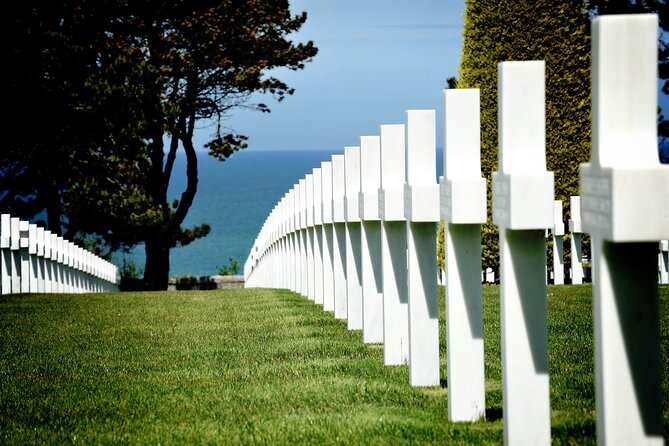
You also get a day that blends battlefield visuals with remembrance. Omaha Beach sets the scene first, then you move to the Cimetiere Americain de Colleville-sur-Mer, where the scale of loss becomes impossible to ignore. That pairing matters. It keeps the day from turning into just history facts on a schedule.
A few more Bayeux tours and experiences worth a look
Starting in Bayeux, traveling comfortably with a small group
The tour starts at Place du Québec in Bayeux at 9:00 am, and you return to the same meeting point. The ride is in a round-trip minivan with A/C, which is a big deal if the weather swings hot or rainy.
The small group size (up to 7 travelers) is more than a selling point. On a day like this, you’re often standing in the same place for a few minutes and staring at the same coastline, cliffs, and walls. With fewer people, you can actually ask the guide how the defenses worked, or why a commander chose a route, instead of waiting your turn.
Omaha Beach: where the 1st and 29th Infantry landings come into focus
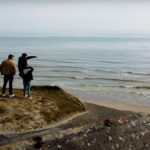
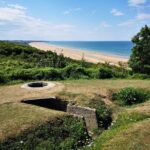
Omaha Beach is the opening anchor, and you begin with a ~30-minute drive from Bayeux. The stop itself is about 40 minutes, which sounds brief until you realize the guide is using maps and images to explain the area before you walk in front of the water.
You’re told you’ll start where the 1st and 29th U.S. infantry divisions landed. That detail matters because it gives you a framework: you’re not just looking at sand and seawall, you’re visualizing the waves and the struggle for the beachhead. The tour also covers the German defensive layout and the early desperation of the first waves—so the term Bloody Omaha doesn’t stay as a nickname. It becomes a picture in your head.
A quick practical note: Omaha can involve wind and bright glare off the water. Plan for that. Wear glasses if you use them, and don’t assume you’ll be able to take photos without squinting.
The Normandy American Cemetery: a pause that feels necessary
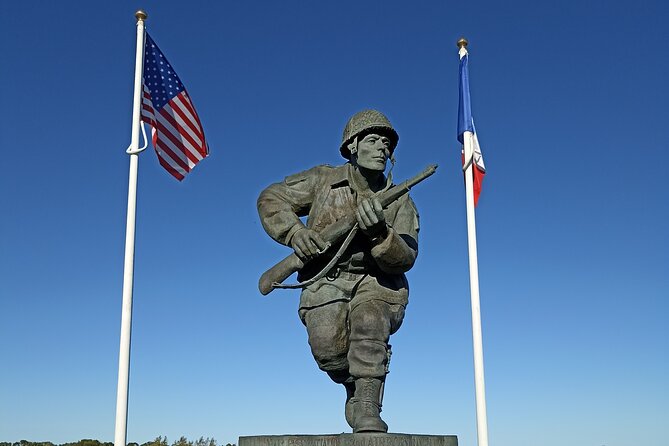
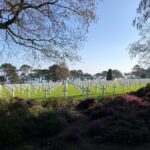
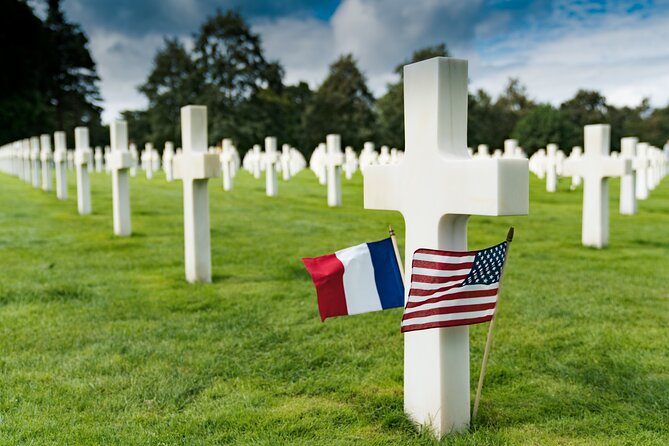
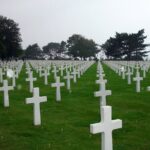
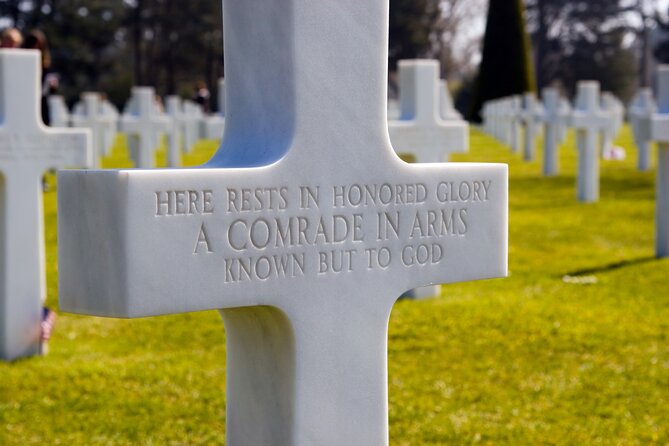
After Omaha, you head to the American cemetery at Colleville-sur-Mer for about 1 hour. It’s the resting place of more than 9,000 American servicemen and women, run by the American Battle Monuments Commission. The tour also frames it as the most visited D-Day site in Normandy—useful context because you’re likely to feel that steady stream of visitors as you walk.
This stop is valuable for something most battlefield stops can’t do. On the sand, you’re chasing the logic of decisions. In the cemetery, you’re confronted with names, dates, and the human cost. I like that the tour puts this right after Omaha. It keeps your emotions from being delayed until later, when you might feel too tired to truly absorb it.
Also, the tour notes that the cemetery admission is free on the itinerary. If you’re trying to keep spending controlled, that’s a nice win.
Pointe du Hoc: the cliffs, the Rangers, and the gun battery threat
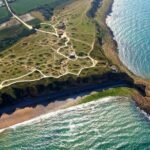
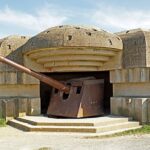
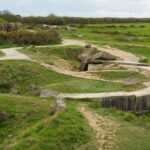
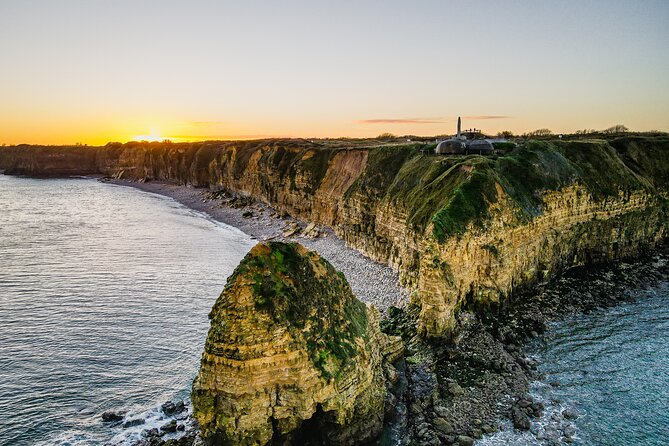
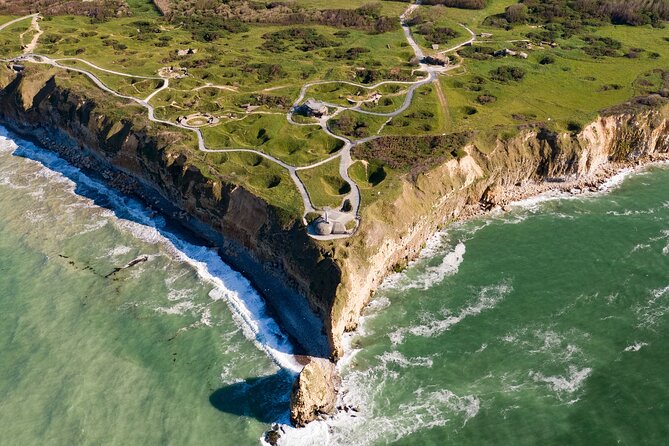
Next comes Pointe du Hoc, reached after a drive of about 30 minutes from the cemetery area later in the schedule. This is one of the stops where you really see why guides use visuals. The site includes bomb craters, bunkers, and dugouts, and the story helps you connect those shapes to what the U.S. Rangers were trying to neutralize.
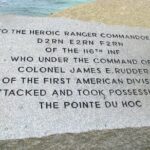
The tour explains that Pointe du Hoc involved the 2nd U.S. Ranger Battalion, led by Lieutenant Colonel James E. Rudder, who scaled the cliffs to destroy a German gun battery threatening the whole U.S. landing operation. That’s not a small detail. It’s the difference between seeing a dramatic ruin and understanding why it mattered to the entire day.
If you’re someone who likes tactical history, this is likely to be a favorite stop. The terrain is physical, but the reason behind it is strategic.

Sainte-Mère-Eglise: the airborne story in a real town
After Pointe du Hoc, you drive about 30 minutes to Sainte-Mère-Eglise. You’ll have around 1 hour here, and the focus is on how the town fit into the Airborne operation.
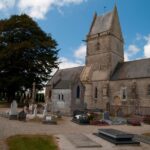
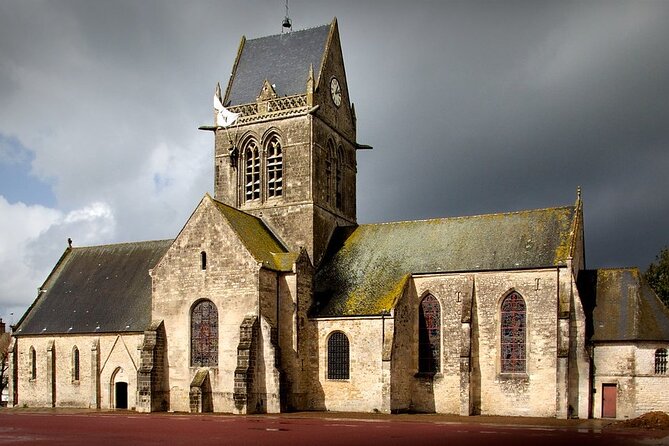
This stop is described as being in the heart of the airborne action: Sainte-Mère-Eglise was the first town captured by American paratroopers. One of those paratroopers is remembered for being stuck on the church tower during the night, and your guide shares the details of what that night meant for the operation.
I like towns like this because the story isn’t locked to one shoreline. You get a sense of how the landings rippled inland fast—so the paratroopers aren’t just a side note. They become part of the main mechanism that made the beaches possible.
Utah Beach and Theodore Roosevelt Jr: the 6:30 am landing
From Sainte-Mère-Eglise, it’s about 20 minutes to Utah Beach, where you spend roughly 2 hours. That longer time slot is smart. Utah is quieter than Omaha in many ways, so having more time helps you slow down and actually see the operational logic.
The tour frames Utah as a success story tied to the 4th Infantry Division breaching German defenses. It also spotlights the first wave led by Brigadier General Theodore Roosevelt Jr, who landed at 6:30 am and later received the Medal of Honor.
That named landing time helps you anchor the day’s timeline. Instead of thinking about events in broad strokes, you start to feel how quickly everything unfolded that morning.
If you want a tip that costs nothing: take a minute before the guide’s explanation starts to look at the shoreline and imagine the first waves. Even a simple mental sketch makes the explanation stick.
Angoville-au-Plain church: the aid-station stop that hits hard
After Utah, you drive about 15 minutes to Angoville-au-Plain for a 45-minute visit. The tour brings you to the church in the village, and it’s used as an aid-station. The story here is about two young medics who treated about 80 wounded soldiers for two days.
This stop is powerful because it shifts your lens from movement and combat to care under pressure. You’re still in the war story, but now you’re seeing what human beings did when the battlefield broke rules and moved beyond tactics.
It’s also a great ending beat. After beaches, cliffs, and a town, this church tells you that the operation wasn’t only about taking ground. It was also about trying to keep people alive long enough to matter.
Finally, the schedule includes about a 35-minute drive back to Bayeux.
Guides, maps, and why this tour stays readable
If there’s one theme from the guides listed here, it’s that the narration is built to answer questions. Guides you may have include Sophie, Chloe, Sofie, Michael, Yannick, Gwen, and Corrine. People point to guides combining clear explanations with handheld maps and pictures at each stop.
That approach matters because Normandy can feel overwhelming. You’ll see trenches, slopes, walls, and shoreline curves that look similar at first glance. When a guide can point to where the defenders were and why an assault hit trouble, your understanding clicks in.
I also like the way the tour balances story with time for your own looking around. Even in a structured day, you get moments to step away and just stand in the place.
Price and value: $169.31 for an organized U.S. D-Day day trip
At $169.31 per person, the big value isn’t just the sites. It’s the structure: round-trip transportation from central Bayeux, an experienced, certified guide, and admission being marked as free at each stop in the itinerary.
Compare that to DIY driving. Yes, you could rent a car and go. But you’d be paying for fuel, parking, and the stress of navigating between multiple battlefield areas while also trying to interpret what you’re seeing. On this tour, you trade that uncertainty for a guided route and a small-group pace.
The main missing piece is food. Lunch isn’t included, so your real cost depends on what you choose to eat. If you’re watching your budget, plan a simple plan for lunch—either grab something in Bayeux before you go or eat during one of your own breaks after the guided stops.
What to pack and how to set expectations for the 8.5-hour schedule
This is a full-day commitment starting at 9:00 am and running about 8 hours 30 minutes. The itinerary uses a series of drives and short-to-medium stops: Omaha (about 40 minutes), cemetery (about 1 hour), Pointe du Hoc (part of the middle block), Sainte-Mère-Eglise (about 1 hour), Utah (about 2 hours), and Angoville-au-Plain (about 45 minutes).
Because the tour requires good weather, I’d treat it like a day you’ll be outside for at least part of each leg. Wear comfortable shoes that handle uneven ground. Bring a light layer for wind near the coast, and keep water or snacks in mind since lunch isn’t covered.
Also, since you have free admission at the listed stops, you won’t need to plan around ticket lines or extra site entry fees. That makes the day flow better.
Should you book the D-Day American Beaches and U.S. Airborne tour from Bayeux?
I’d book this if you want a smart, organized introduction to the American side of D-Day without spending your day driving. The small-group size, the A/C minivan, and the guide-led maps make it one of the easier ways to turn Normandy into something you understand instead of something you just photograph.
You might skip it if you’re extremely sensitive to long schedules. With a full itinerary and no lunch included, it’s best for people who like history days and can handle a steady pace.
If you’re staying in Bayeux, this tour also makes sense. You start and end in a central spot, and the whole plan is built around making the key U.S. sites reachable in one go.
FAQ
How long is the D-Day American Beaches and U.S. Airborne tour from Bayeux?
It runs about 8 hours 30 minutes (approx.).
What is the group size limit?
This tour has a maximum of 7 travelers.
Is the tour offered in English?
Yes, it’s offered in English.
Where do we meet in Bayeux?
You meet at Place du Québec, Pl. du Québec, 14400 Bayeux, France.
Is lunch included?
No, lunch is not included.
Are admissions included for the stops?
The itinerary lists admissions as free for the stops included in the route.
How do I get the ticket?
You receive a mobile ticket.
What if the weather is bad?
The experience requires good weather. If it’s canceled due to poor weather, you’ll be offered a different date or a full refund.
How far in advance should I book?
On average, this tour is booked about 90 days in advance.