REVIEW · BAYEUX
Private Day Tour Omaha beach and Pointe du Hoc
Book on Viator →Operated by Memory Tracks · Bookable on Viator
Omaha Beach is history you can walk on. This private day tour in Normandy is built for understanding the June 6, 1944 story in the exact places it happened, with viewpoints, battlefield sectors, and cemetery stops that keep the meaning clear. I especially like the way the plan starts high above Omaha so you get your bearings fast, and I also like the balance between frontline sites and quieter places like Colleville-sur-Mer. One consideration: it’s a long day (about 7 to 9 hours), and you’ll spend real time on uneven ground and outdoors.
You can go with confidence that the day won’t feel like a drive-by slideshow. The tour is private (just your group), starts at 8:30 am, and includes pickup, travel in an air-conditioned vehicle, and a guide who can explain what you’re seeing in plain language. In reviews, the guide Franck stands out for his personal connection to WWII and his passion for the events around D-Day, plus the way he adjusts the day when interest levels shift.
The biggest practical drawback is also the most common one for Normandy battlefields: lunch and museum entries aren’t included. Lunch is free for you to choose (at your expense), and museum admission is extra, though reduced rates may apply for some optional sites.
In This Review
- Key highlights you should know before you go
- Entering Omaha Beach from the heights (so it clicks)
- Widerstandsnest 62 and Colleville: two emotional beats that belong together
- Picking your museum hour at Omaha without wasting time
- Vierville-sur-Mer beach line: where the westward story sharpens
- Pointe du Hoc: the artillery battery and the Ranger fight
- La Cambe German War Cemetery: a different tone, a useful contrast
- Underwater D-Day wrecks museum: only if the schedule allows
- Price and value: $744.87 per group (up to 8) for a private D-Day day
- Timing, pacing, and what to pack for 7–9 hours outdoors
- Who this private Omaha + Pointe du Hoc tour is best for
- Should you book this Omaha Beach and Pointe du Hoc private tour?
- FAQ
- How many people are included in this private tour?
- Where does the tour start and what time is it scheduled?
- How long should I plan for the experience?
- What languages is the tour offered in?
- Is pickup included?
- Are admission tickets included for the stops?
- Do you include lunch?
- Can the tour accommodate children?
- Are service animals allowed?
- Can I visit the underwater D-Day wrecks museum?
Key highlights you should know before you go

- Omaha Beach first from the heights so the 7-kilometer sweep makes sense before you step onto the sand
- Widerstandsnest 62 (Wn62 sector) for the specific German fortified position tied to the 116th Infantry Regiment’s fight
- American cemetery time at Colleville-sur-Mer with 9,387 D-Day dead in one focused visit
- Pointe du Hoc with the Ranger attack story and the two-day follow-on combat context
- Optional museum choice after lunch, so you’re not forced into one-size-fits-all history
- A contrast stop at La Cambe with a different tone from Colleville, plus a possible quick add-on museum if timing allows
Entering Omaha Beach from the heights (so it clicks)
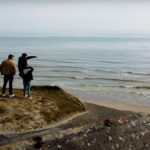
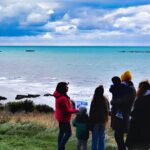
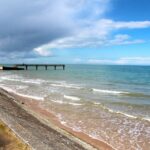
The day begins with a smart move: you start on the heights that dominate Omaha’s eastern end. From there, you get a broad view over the full stretch of Omaha Beach, which matters because Omaha isn’t just one spot—it’s a long front with different sectors and defenses. Your guide then explains the operations of June 6, 1944 so the landscape stops being an abstract map and becomes an understandable sequence.
After that orientation, you move down to the beach area itself for free exploring at your own pace. The tour’s plan includes time near the German position coded Wn62, which helps you connect what you see in front of you with the specific fortification that shaped the fighting. This is the kind of stop where your best tool is patience: take a slow walk, look back up at the cliffs, and imagine movement under fire.
If you’re expecting a “fast photos and done” visit, this stop may feel more thoughtful than you planned. But if you want understanding—and not just postcard views—starting above the battlefield is exactly the difference-maker.
You can also read our reviews of more private tours in Bayeux

Widerstandsnest 62 and Colleville: two emotional beats that belong together

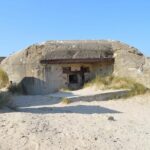
Next up is Widerstandsnest 62, a German fortified position that resisted the U.S. assault until the afternoon. The tour ties it to the 116th Infantry Regiment, including how the fight produced heavy losses among the GIs, many of whom now rest at Colleville American Cemetery in the distance. This is one of the ways the tour avoids the common problem of battlefields feeling like separate, disconnected stops.
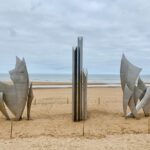
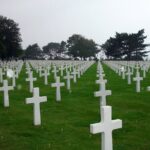
Then you visit Cimetiere Americain de Colleville-sur-Mer, where the meaning gets held in place. You get about 45 minutes to explore at your own pace, and the numbers are striking: 9,387 soldiers buried here who were killed on D-Day or during the Battle of Normandy. I like that the timing gives you room to look without rushing, especially because this cemetery doesn’t really reward speed.
One practical note: cemeteries are usually calm, but they’re also exposed. Dress for wind and weather and plan to keep your head up, not just down. When you look from the cemetery back toward the broader Omaha area, the day’s geography starts to make a lot more sense.
Picking your museum hour at Omaha without wasting time

After a break for lunch on your own, the tour continues along Omaha’s beach sectors heading west, including Easy Red, Easy Green, Dog Red, Dog White, Dog Green, and Charlie. The route isn’t random. It’s designed to keep the story moving as the landing zones and defenses shift.
Before you head to Pointe du Hoc, you’ll get context for the tragic fate of A Company (116th/29th Inf), tied to the German fortifications that blocked access to the Vierville valley. This “why this beach matters” step helps a lot, especially if you’re not already deep into Normandy details.
Then comes the optional museum hour (about one hour). The tour offers a choice of four museums in the sector:
- Overlord Museum (Colleville-sur-Mer)
- Big Red One Museum (Colleville-sur-Mer)
- Omaha Beach Memorial Museum (Saint Laurent-sur-mer)
- D-Day Omaha Museum (Vierville-sur-mer)
Museum time is not required, and the entrance fee isn’t included in the circuit. You also get mention of reduced rates granted to Memory Tracks for some optional visits. I like this setup because it lets you tailor your history level. Want artifacts and vehicles? Pick a museum. Want fresh air and walking more? You can skip the museum hour.
The main drawback is simple: you’ll need to decide in real time. If you hate decision-making under time pressure, you may want to think ahead about which museum type you prefer before the day starts.
Vierville-sur-Mer beach line: where the westward story sharpens

The stop on Plage de Vierville-sur-Mer is where Omaha’s broader narrative turns more specific. The tour uses this part of the day to connect the beach sectors you’ve been passing with the broader tactical situation—especially the obstacles that made access to key areas far harder than it looked from a map.
You’ll also hear the story behind why the fighting near Vierville mattered for the men trying to move inland. That matters because Pointe du Hoc hits you with a dramatic set-piece, but Vierville helps you understand why that kind of action was necessary in the first place.
This is also a good point to check your energy level. You’re outdoors, you’ve had cemetery time, and the next stop is one of the most intense locations in Normandy. Take advantage of the pacing: walk slowly, look out toward the water, and let the explanations connect the dots.
Pointe du Hoc: the artillery battery and the Ranger fight

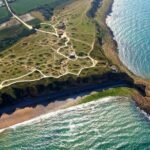
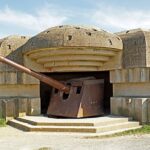
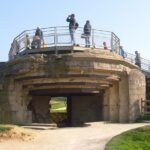
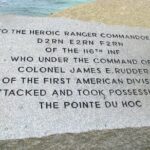
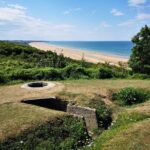
Pointe du Hoc is the standout stop for many visitors for a reason. You arrive at the remains of a formidable German artillery battery that threatened Omaha and Utah. From there, your guide explains the conquest by the 2nd Ranger Battalion commanded by Lieutenant-Colonel James Earl Rudder, and then the two days and two nights of uninterrupted combat that followed.
Even if you’ve read about it, standing there after the explanations can feel different. Nearly 80 years later, the site still shows damage from the aerial and naval bombardments that preceded D-Day. It’s a place where you understand why this wasn’t just a beach operation—it was an operation aimed at removing a threat that could wreck the broader landing plan.
Tip for getting the most out of Pointe du Hoc: don’t rush the first look. First, scan the whole position and its lines of fire. Then let the story land. When you do it in that order, the geography feels practical instead of overwhelming.
La Cambe German War Cemetery: a different tone, a useful contrast

After Pointe du Hoc, you start the return by taking small roads through Normandy countryside. The tour also includes an optional pause at La Cambe German War Cemetery (about 45 minutes). If you stop, you’ll find 21,222 German soldiers buried there who were killed during the Battle of Normandy.
This stop plays a useful role in the day’s balance. It’s not “the same story again” after the American cemetery at Colleville. The tone is different, and the contrast makes the human cost harder to ignore. It also gives you space to think in a broader way about the war—not as one side’s narrative, but as a collision of lives.
If you tend to feel emotionally spent after the American cemetery, La Cambe can still be manageable because you get a focused, time-limited visit. Just know it’s not a place for casual detours.
Underwater D-Day wrecks museum: only if the schedule allows

There’s an optional add-on that some people really love: the Musee des Epaves Sous-Marines du Debarquement, the Museum of Underwater D-Day Wrecks. It’s only possible at the express request of customers and only if timetables allow, and it takes about 45 minutes.
This museum is described as atypical, focused on materials and objects engulfed under the waves during D-Day, then brought to the surface in the early 1970s by the company of Jacques Lemonchois. Entrance is not included, but you may benefit from reduced rates with Memory Tracks.
I like this optional stop because it’s a different angle on D-Day: less about speeches and more about physical evidence. If your group prefers artifacts tied to the real mess of landings and sea recovery, it can be a great add-on. If you’re not into maritime history, you may prefer to keep the schedule lighter.
Price and value: $744.87 per group (up to 8) for a private D-Day day

This tour runs $744.87 per group for up to 8 people, with a duration of about 7 to 9 hours. At first glance, that can feel pricey—until you compare what’s included: private transportation, an air-conditioned vehicle, and a guide who stays with your group for the entire sequence of Omaha and Pointe du Hoc.
Value-wise, the biggest reason it can be worth it is the structure. This isn’t just “go see famous spots.” The day is designed to connect a viewpoint to a named fortification (Wn62), then link it to how the fighting ended up at Colleville, then carry the story west toward Vierville, then deliver the Ranger assault narrative at Pointe du Hoc. You’re paying for interpretation and timing, not only for driving.
What you should budget separately:
- Lunch (on your own)
- Optional museum admissions (not included; listed as roughly €4.50 to €7 per person)
If you’re traveling as a small group, this price can start to look fair because the cost doesn’t climb with the number of stops the way an individual ticket setup might. If you’re traveling solo or as a couple, it can be harder to justify—unless you strongly value private pacing and a dedicated guide.
Timing, pacing, and what to pack for 7–9 hours outdoors
Start time is 8:30 am, which is ideal for beating the crowds and getting more comfortable walking conditions. Even so, this is a long day with multiple outdoors segments: Omaha viewpoints and beach time, a cemetery visit, free exploration at the beach, and then Pointe du Hoc and potentially La Cambe.
Bring:
- Comfortable walking shoes (the terrain can be uneven)
- A layer for wind near the coast
- Water, even if you plan to buy it later
- A way to keep track of what you want to revisit during your free exploration time
Also, think about energy. The emotional weight at Colleville and the intensity at Pointe du Hoc are real. This tour’s pacing generally gives you breathing room with time to explore at your own pace, but you’ll still want to plan for a quiet moment now and then.
Who this private Omaha + Pointe du Hoc tour is best for
This is a strong match if you want:
- A guided, story-driven day across major D-Day sites
- Time at specific places tied to named operations and units
- A private setup where you can set your own pace during free exploration
It’s also a good fit for visitors who aren’t based in France and want one high-value day rather than juggling buses and schedules. In the reviews you provided, the guide Franck is praised for learning that goes beyond the obvious and for adjusting to interests, including a more local, unconventional WWII relic museum run by a collector in at least some cases.
If your group is mainly there for quick photos, you might feel the hours are more “thinking and walking” than “speed sightseeing.” But if you want the meaning behind what you see, this day is built for that.
Should you book this Omaha Beach and Pointe du Hoc private tour?
I’d book it if you value a guided flow that connects places logically—especially the way the tour starts on Omaha’s heights, then grounds you at Widerstandsnest 62, and only then moves into cemeteries and Pointe du Hoc. It’s also a good choice if you want a private day with an English-speaking guide and the option to skip or choose the museum hour based on your group’s mood.
I’d reconsider if your group wants a short, low-effort excursion, or if you’re trying to keep everything strictly budget-only. The tour does ask you to pay extra for optional museum entries and to handle lunch yourself.
If you want one clear call: this is the kind of tour that works best when you’re willing to slow down and learn while you look.
FAQ
How many people are included in this private tour?
It’s a private tour/activity, so only your group participates, with a group price for up to 8 people.
Where does the tour start and what time is it scheduled?
The start time is 8:30 am.
How long should I plan for the experience?
The duration is about 7 to 9 hours.
What languages is the tour offered in?
The tour is offered in English.
Is pickup included?
Pickup is offered.
Are admission tickets included for the stops?
Many stops list free admission tickets, but museums are optional and museum admissions are not included.
Do you include lunch?
Lunch is not included. Lunch is free for you to enjoy at your own expense, and the tour can advise you.
Can the tour accommodate children?
There are 2 car seats for children from 0 to 9 years old, and the vehicle cannot accommodate more than two children under 10 on board.
Are service animals allowed?
Yes, service animals are allowed.
Can I visit the underwater D-Day wrecks museum?
It’s possible only if timetables allow and at the express request of customers, and entrance is not included. Reduced rates may apply.