REVIEW · BAYEUX
Normandy WWII Private Half-day Sidecar Tour From Bayeux
Book on Viator →Operated by Normandy Time Riders, D-Day Sidecar Tours · Bookable on Viator
D-Day hits different when you arrive by vintage sidecar. This private half-day tour from Bayeux strings together the Allied story and the German vantage points in one efficient loop, guided by people like Manuel and Thierry who make the history feel personal.
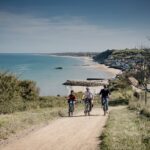
I especially love the sidecar ride itself—fast, safe, and fun—and how you’re taken along country roads instead of being stuck staring at a coach window. The other big win is the comfort setup: gloves, helmet, motorcycle glasses, and rain gear are handled for you, so you can focus on the stops. A possible drawback: this is a history-focused outing with no lunch included, so you’ll want to plan for time and weather.
Tight stops, big impact: you hit multiple D-Day landmarks in about 4 to 4 hours 40 minutes.
One caution: it depends on good weather, and you’ll ride for around 1 hour 45 minutes on countryside roads.
In This Review
- Key things to know before you go
- Why a Vintage Sidecar Tour Beats a Big Bus
- Pickup, Gear, and How the Ride Actually Feels
- Bayeux Kickoff: Where the Guide Brings the Story to Life
- Arromanches, Longues-sur-Mer, and Port-en-Bessin: Normandy’s Key Mechanics
- Arromanches-les-Bains: the Mulberry harbor you can still picture
- Longues-sur-Mer: the German coastal battery and the Atlantic Wall system
- Port-en-Bessin-Huppain: a quieter harbor story
- Omaha Beach and the Normandy American Cemetery: Emotion With a Plan
- Omaha Beach: standing on the sands with context
- Normandy American Cemetery: white crosses, Stars of David, and the lasting human cost
- Ferme de la Sapinière Cider Stop and the Return Through Bayeux
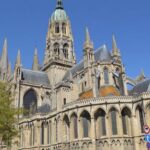
- On the way home: Bayeux Cathedral and medieval streets
- Price and Logistics: Is $249 Worth It?
- Should You Book This Bayeux Sidecar Tour?
- FAQ
- How long is the Normandy WWII private sidecar tour from Bayeux?
- How much does the tour cost?
- Is this a private tour or shared group?
- Does the tour include pickup in Bayeux?
- What riding gear is provided?
- Is lunch included?
- Is the tour dependent on weather?
Key things to know before you go
- Private group feel: only your group rides, so the pace stays comfortable and conversational
- Gear is provided: gloves, helmet, motorcycle glasses, and rain gear take the guesswork out of packing
- Custom pickup in Bayeux: meet at the Bayeux Tourist Office, your hotel, or the train station area
- Old-school framing of WWII: guides connect the dots between Allied objectives and the German Atlantic Wall defenses
- A sobering-to-light rhythm: Omaha Beach and the cemetery are heavy, then you can optionally lighten the mood with cider
Why a Vintage Sidecar Tour Beats a Big Bus
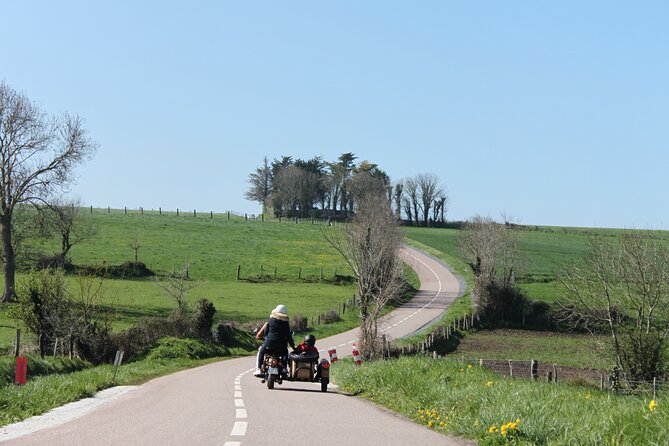
I like that this is a sidecar tour with a real rhythm to it. You’re not just touring sites—you’re traveling the same way locals see Normandy: narrow lanes, hedgerows, village streets, and stop-and-go time that feels human instead of rushed.
And the “why it’s worth it” part goes beyond the novelty. A small vehicle changes your experience at each stop. You can hear the guide clearly, ask questions without raising your hand, and spend real time at places like Omaha Beach or the Normandy American Cemetery without the pressure of a bus schedule.
The best selling point is the combination: fun transport paired with serious sites. Past riders highlight the contrast—loud wind and winding roads on one stretch, then silence and reflection at memorials. It’s an emotional pairing that feels right for D-Day, and it’s exactly why this half-day format works so well.
You can also read our reviews of more private tours in Bayeux
Pickup, Gear, and How the Ride Actually Feels
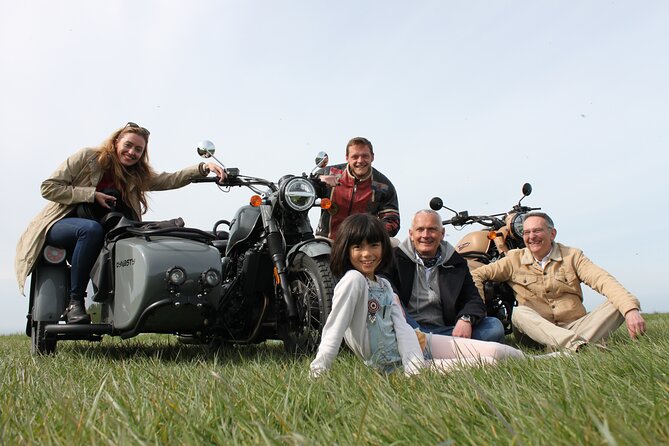
The tour is built around convenience. You choose your pickup point in Bayeux—meeting options include the Bayeux Tourist Office (Rue Saint-Jean), your hotel, or the train station area. That matters if you’re day-tripping, arriving by rail, or trying to keep logistics simple.
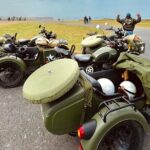
Before you ride, the guide gets you set up with the essentials: helmet, gloves, and motorcycle glasses. If the weather turns, rain gear is provided too. Practical tip: even in mild seasons, bring warm layers, because wind on a motorcycle/sidecar ride can make you feel colder than you expect.
There’s also a smart detail in how they balance the bike. One rider noted they place the heavier passenger in the sidecar to help with stability. In practice, that means you won’t just get thrown on and told good luck. You’ll get guided into the setup fast.
If you’re thinking “will this be scary,” know that riders who aren’t motorcycle people often say it didn’t feel as intimidating as they expected. The guides drive with safety in mind, and you’re traveling at a pace that lets you take in villages and countryside, not just rush past them.
Bayeux Kickoff: Where the Guide Brings the Story to Life
The start is simple: meet near the Bayeux Tourist Office (Rue Saint-Jean) or at your chosen pickup spot in Bayeux. Once you’re geared up, you’ll ride off with the guide talking through what you’re about to see.
I like this part because it sets expectations. Normandy D-Day sites can feel like a lot of geography at once. Getting the framing early helps you understand why Arromanches matters, why Longues-sur-Mer is different from Omaha, and why Port-en-Bessin sits in the logistics story.
You’ll also have those quick moments where you’re taking pictures without feeling like you’re always stopping. A small vehicle tour keeps the travel time active, not dead time.
And don’t ignore the backdrop here: Bayeux itself has a medieval feel, and the tour often includes a look back through town on the way home, including Bayeux Cathedral (11th century). Even if you’ve only seen Bayeux for a short visit, this wraparound view helps it feel like more than a launch point.
Arromanches, Longues-sur-Mer, and Port-en-Bessin: Normandy’s Key Mechanics
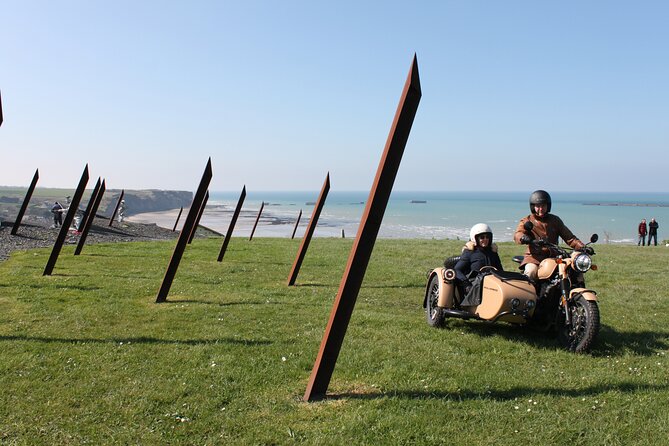
This tour is designed like a sequence, not a checklist. You start with Allied engineering at Arromanches, then move to German defenses at Longues-sur-Mer, and finish the “getting supplies ashore” story at Port-en-Bessin. That order helps your brain connect tactics to terrain.
Arromanches-les-Bains: the Mulberry harbor you can still picture
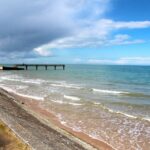
In Arromanches, you’re looking at the remains of the artificial Mulberry harbor—an Allied ingenuity project that supported the landings under real pressure. If you’ve studied D-Day before, this stop is where the theories get physical.
What I like: the guide’s explanations turn the view into an idea you can hold. You’re not just looking at a coast. You’re seeing the logic of how troops and equipment could keep flowing after the first landings.
A few more Bayeux tours and experiences worth a look

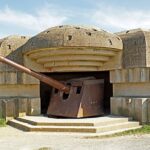
Longues-sur-Mer: the German coastal battery and the Atlantic Wall system
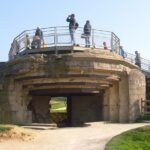
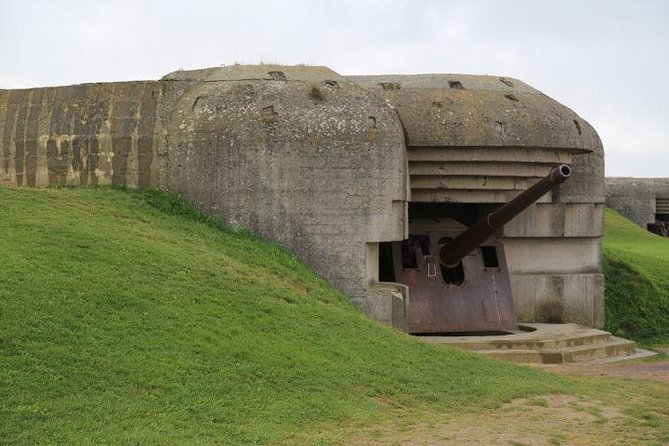
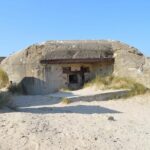
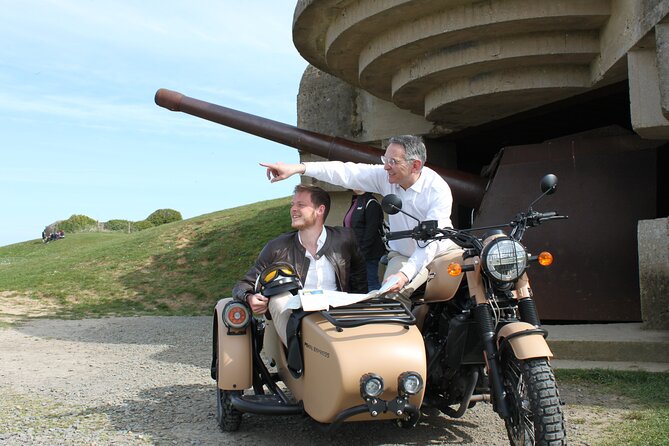
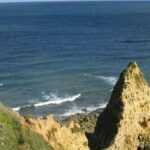
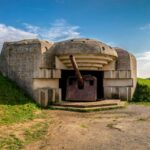
Longues-sur-Mer brings the other side into focus. It’s a well-preserved German coastal battery with artillery casemates looking toward the English Channel, part of the Atlantic Wall defense network.
This stop gives you a grounded sense of what soldiers faced—distance, angles, and the reality of fortification design. The views from the site also help you understand why these positions mattered. It’s sobering, but it’s also “how war works” education that doesn’t feel abstract.
A practical consideration: the site can be a lot of concrete and open air. Wear comfortable shoes and expect some walking over uneven ground.
Port-en-Bessin-Huppain: a quieter harbor story
Port-en-Bessin-Huppain is smaller and calmer than the famous beaches. That’s a good thing. The guide frames it as a logistics hub during the landings, and today it feels like a working fishing port again.
I find this kind of stop valuable because it fills in the parts of D-Day that textbooks sometimes skip. Omaha gets headlines, but ports and supply lines are what keep armies moving after the first shock.
Omaha Beach and the Normandy American Cemetery: Emotion With a Plan
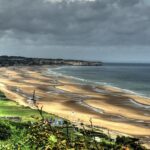
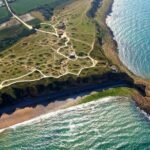
Omaha Beach is the headline stop for a reason. You stand on ground where thousands of American troops landed amid heavy gunfire and artillery. The guide’s account gives shape to what you’re seeing, so the beach doesn’t stay just a scenic strip.
Omaha Beach: standing on the sands with context
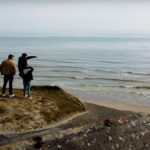
You walk along the beach area and pause near memorials to reflect. What makes this stop work in a half-day tour is structure: you’re not bouncing randomly. You’re guided into the right order of understanding, so you feel the human scale instead of treating it like a photo shoot.
If you’re visiting around major anniversaries, you might run into larger crowds and heavier traffic. The good news is that small-vehicle touring gives the guide flexibility to keep the route smooth when possible.
Normandy American Cemetery: white crosses, Stars of David, and the lasting human cost
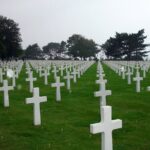
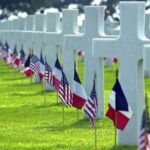
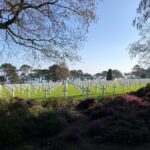
Then you head to the Normandy American Cemetery and Memorial on a bluff overlooking Omaha Beach. This is one of those places where the setting does the work—rows of white marble crosses and the presence of Stars of David make the scale unmistakable.
Your guide shares stories about individuals buried there and what their sacrifices meant to the broader outcome. It’s the kind of stop where you’ll want to slow down and take in the details, because the memorial is built to be read slowly.
A small practical tip: bring a moment of quiet for yourself. The half-day format still allows time here, but it’s not a place you’ll want to rush.
Ferme de la Sapinière Cider Stop and the Return Through Bayeux
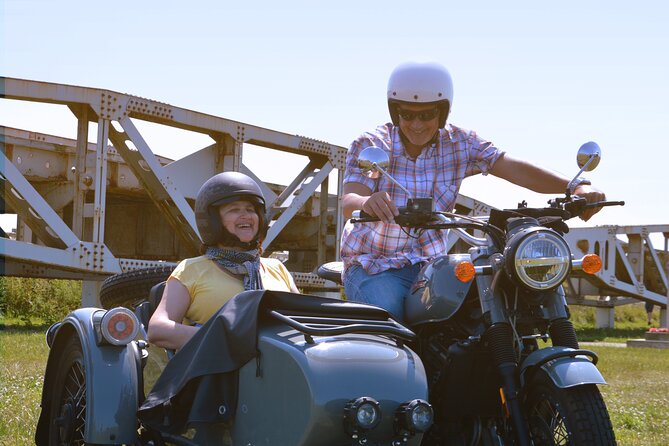
Cider tasting at Ferme de la Sapinière is optional, which I think is a smart touch. After Omaha and the cemetery, your brain will likely want a reset. Cider gives that without turning the tour into a party.
This historic cidery is tied to Normandy traditions that stretch back centuries, and the tasting experience can feel like a cultural palate cleanser. One rider specifically described the cider stop as memorable, calling out how good it was—exactly the kind of contrast that helps you hold the day’s emotions without ignoring them.
On the way home: Bayeux Cathedral and medieval streets
Finally, on the return journey through Bayeux, you get quick views of the town’s medieval charm, including Bayeux Cathedral. Even brief glimpses matter because they remind you Normandy isn’t frozen in 1944. It’s a living region with its own identity beyond the war.
Price and Logistics: Is $249 Worth It?
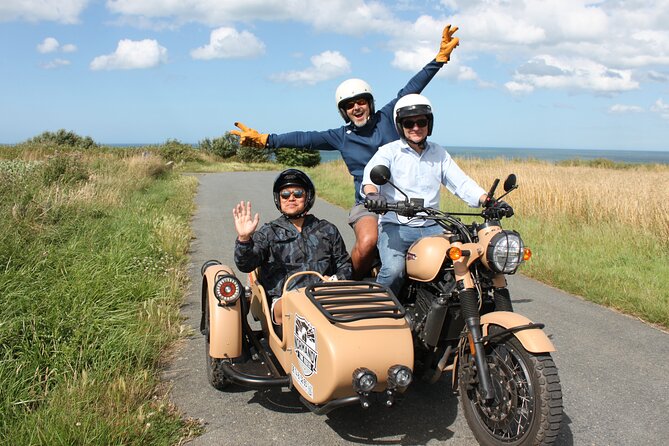
At $249 per person for a private half-day, the value question comes down to what you’re buying: time, access, and a better fit for how you’ll learn.
Here’s the practical math of it:
- You’re getting private transport by vintage sidecar, not a shared bus
- You’re receiving a guided, multi-stop route with storytelling at each location
- You’re provided riding gear (helmet, gloves, motorcycle glasses) plus rain gear
- Admission tickets at the stops are listed as free, so you’re not adding surprise entry costs
The main trade-off is simple: no lunch is included. That doesn’t make the tour worse—it just means you should plan food before or after. Also, because the tour depends on good weather, you’ll want to be flexible with your day.
Who this fits best:
- History lovers who want more than quick photo stops
- Travelers who don’t want a crowd-heavy coach experience
- Anyone who likes learning in a natural, conversational way (especially with guides like Manuel and Thierry, who riders describe as funny, friendly, and full of detail)
- Families who can handle wind and brief walking, since the route is tight and guided well
If you prefer to spend your whole day only at one site, this may feel too fast. But if you’re trying to cover major D-Day anchors from Bayeux without losing your mind to logistics, it’s a strong match.
Should You Book This Bayeux Sidecar Tour?
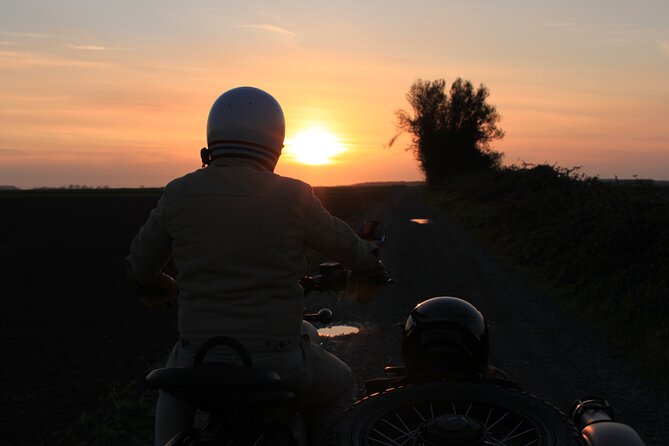
Book it if you want a half-day that’s efficient, emotional, and genuinely different. The sidecar format isn’t just a gimmick—it helps you move through Normandy in a way that feels connected to the region, and it keeps the day from turning into a queue of stops.
I’d especially recommend it if:
- You’re returning to Omaha and want context that makes the place hit harder
- You like the mix of wind-and-country-lanes plus memorial-level reflection
- You want a guide who stays engaged throughout, not someone who checks boxes and moves on
Pass or consider alternatives if:
- You’re traveling with a very limited tolerance for wind and cold
- You’re expecting lunch to be part of the package
- You’re visiting on a day where weather is uncertain and you can’t adapt
If your goal is one memorable Normandy day that feels both educational and human, this is a standout way to do it.
FAQ
How long is the Normandy WWII private sidecar tour from Bayeux?
It runs about 4 hours to 4 hours 40 minutes.
How much does the tour cost?
The price is $249.00 per person.
Is this a private tour or shared group?
It’s private. Only your group participates.
Does the tour include pickup in Bayeux?
Yes. You can choose your pickup point in Bayeux, including options like the Bayeux Tourist Office area, your hotel, or the train station area.
What riding gear is provided?
They provide gloves, helmets, motorcycle glasses, and rain gear.
Is lunch included?
No. Lunch is not included.
Is the tour dependent on weather?
Yes. The experience requires good weather, and if it’s canceled due to poor weather, you’ll be offered a different date or a full refund.