REVIEW · PARIS
Private Paris WWII History Tour: Occupation & Resistance
Book on GetYourGuide →Operated by TourUpinEurope · Bookable on GetYourGuide
Paris keeps its wartime scars in plain sight, if you know where to look. This private tour links Resistance meeting places, the Saint-Michel riots, the Vel d’Hiv roundup, and the city’s liberation in one three-hour walk.
I like the focus on Jean Moulin and the way the route reaches beyond the usual postcard Paris. I also like the visit to the bookstore connected with Samuel Beckett’s refuge from the Gestapo. The main caution is value: at $294 per person, you need a strong guide and a full three hours to make the cost feel right.
In This Review
- Key points to know
- Reading Occupied Paris Street by Street
- Jean Moulin and the Work of Unifying the Resistance
- The Jardin du Luxembourg’s Wartime Past
- Saint-Michel, Samuel Beckett, and Open Defiance
- The Vel d’Hiv Roundup and the Deportation Memorial
- The Final Days of Nazi Control
- What the $294 Price Really Buys
- Walking, Weather, and Meeting Details
- Who Should Book This Paris WWII Tour?
- FAQ
- How long is the Private Paris WWII History Tour?
- Where does the tour meet?
- Is hotel pickup included?
- What languages are available?
- Is the tour wheelchair accessible?
- Can I cancel or pay later?
- Should You Book It?
Key points to know
- Follow Jean Moulin’s Paris: Learn how clandestine meetings and underground publications helped unite the French Resistance.
- See the Jardin du Luxembourg differently: Its peaceful paths conceal a wartime role linked to the Luftwaffe.
- Remember the Vel d’Hiv roundup: The route gives serious attention to Jewish families deported during the occupation.
- Visit the Saint-Michel District: Explore a center of resistance, including the 1942 riots against Nazi rule.
- Prepare for a walking history lesson: The tour is private, wheelchair accessible, and offered in nine languages, but comfortable shoes and weather-ready clothing matter.
Reading Occupied Paris Street by Street
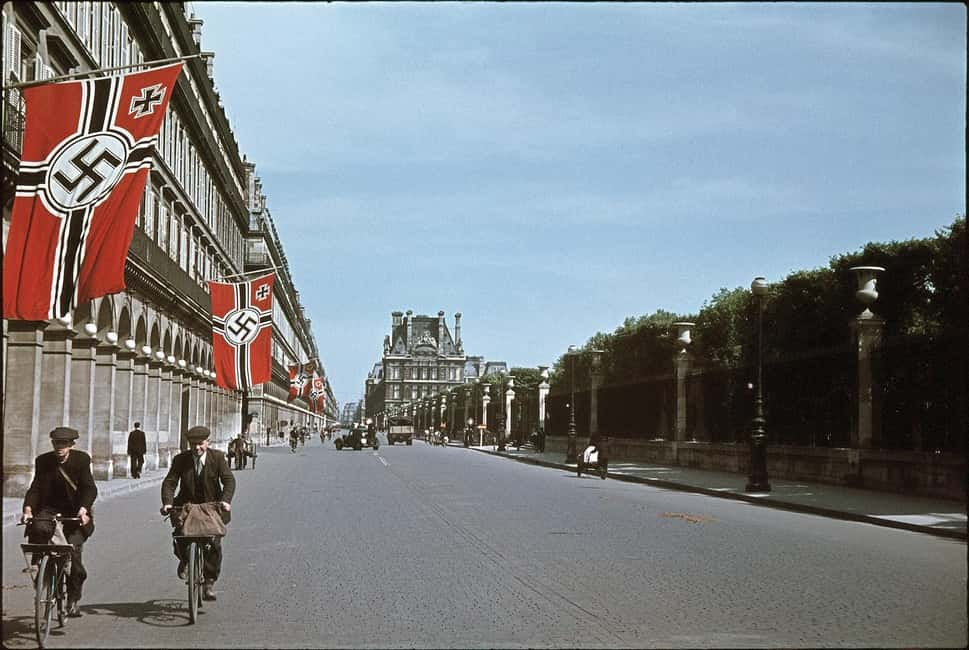
The strength of this tour is its use of place. You are not simply handed a timeline of World War II in France. You walk through streets where underground work took place, with the Gestapo operating nearby, and connect those ordinary-looking corners to the danger of the period.
That approach can make the subject easier to grasp. A discussion of Resistance networks may feel abstract in a classroom. It becomes more immediate when your guide points out the area where people met in secret, printed forbidden material, or carried messages while German control shaped daily life.
The route also gives room to examine uncomfortable parts of the story. Paris was not only a city of brave resisters and joyful liberation. The tour addresses collaboration, the persecution and deportation of Jewish families, and the hard work of rebuilding after the war.
Because this is a private group, you should be able to ask questions as you go. That matters on a subject with many layers. You may want to ask how underground publications worked, why certain locations mattered, or how the city handled the transition from occupation to freedom.
You can also read our reviews of more private tours in Paris


Jean Moulin and the Work of Unifying the Resistance
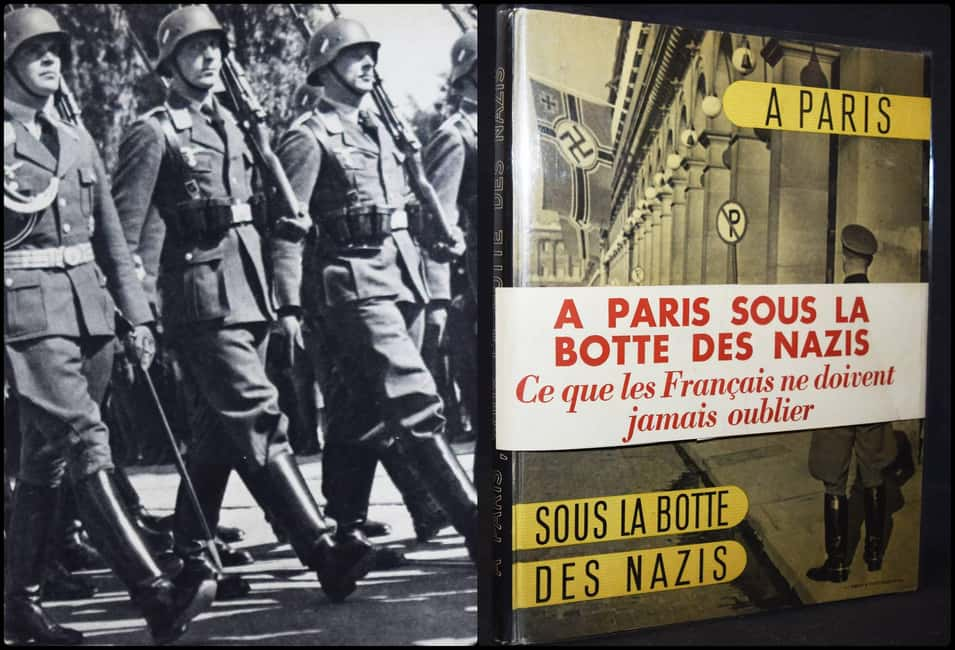
Jean Moulin is one of the central figures on this walk. The tour follows his path and explains his role in bringing separate Resistance groups together.
That focus gives the story a useful shape. Resistance was not one tidy organization operating from a single headquarters. It depended on secret meetings, personal trust, communication, and acts of defiance carried out under serious risk.
The tour connects Moulin’s work to the wider effort behind the liberation of Paris. You learn how clandestine activity helped prepare the ground for a city that would eventually break free from Nazi control.
I like this part because it avoids treating resistance as a simple tale of heroes and villains. The streets help show the practical side of the struggle. Meetings had to remain secret. Underground publications had to be produced and distributed. Ordinary decisions could bring danger to whole families.
One publication tied to this section is Défense de la France. The neighborhood played a role in its underground work, giving you another way to understand how information circulated when official channels were controlled.
The quality of the explanation will matter greatly here. A guide with a lively delivery can turn names and dates into a human story. A more reserved guide may give you solid information but less emotional connection. One guest described the guide as very informed but neutral in tone, and also felt the tour ended about 30 minutes early. That is worth keeping in mind when you judge the price.
The Jardin du Luxembourg’s Wartime Past
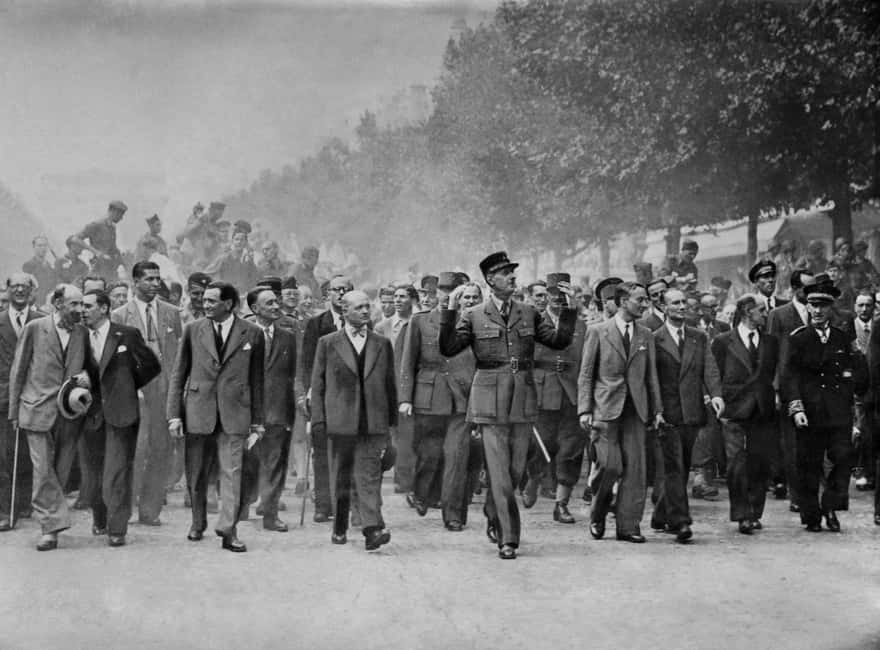
The Jardin du Luxembourg is one of Paris’s most restful places. Its paths and open spaces seem far removed from military command and occupation.
That contrast is exactly why the stop works. During the occupation, the site served as a headquarters for the Luftwaffe. Your guide helps you picture the shift between the garden’s peaceful present and its wartime use.
This is not a stop built around grand ruins. Much of the value comes from learning what happened in a familiar place that now feels calm and ordinary. You may pass through it as part of a normal Paris day without realizing how its role changed during the war.
For me, these details often make a history walk worthwhile. You do not need a preserved bunker at every stop. Sometimes the point is to understand how occupation operated within the city’s most recognizable spaces.
Still, set your expectations correctly. The tour does not promise a museum collection or a large exhibit at the garden. You are getting interpretation from the guide and a sense of place, not a formal indoor display.
Saint-Michel, Samuel Beckett, and Open Defiance
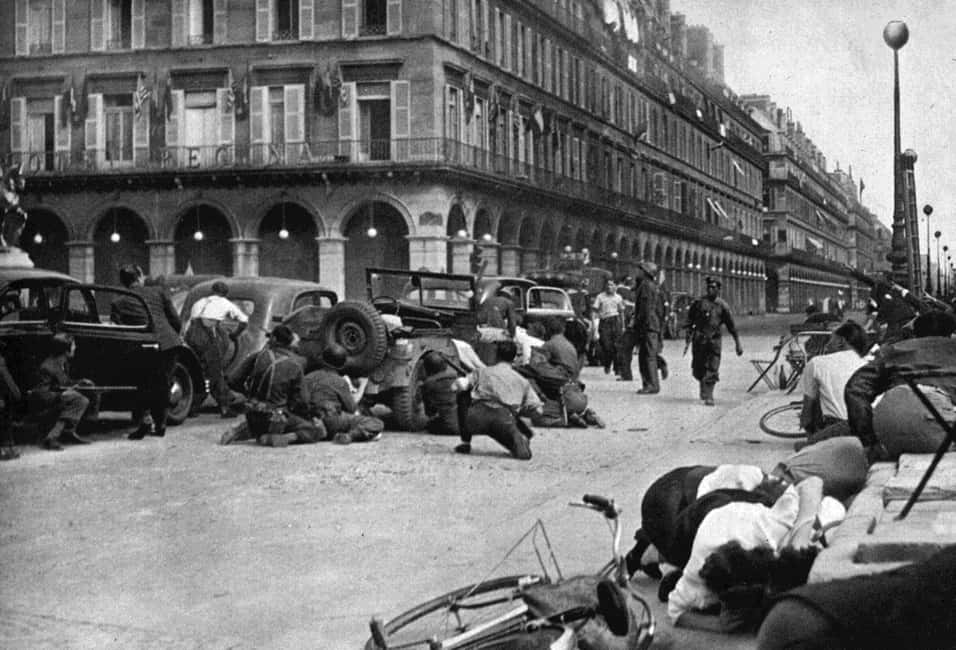
The Saint-Michel District brings the story closer to direct public resistance. It witnessed riots against Nazi rule in 1942, making it an important setting for understanding how opposition could move from secret work into visible defiance.
The route also includes the bookstore where Samuel Beckett found refuge from the Gestapo. This is one of the walk’s most unusual details. Beckett is widely known as a writer, but here you encounter him in the frightening practical reality of wartime Paris, seeking safety from arrest.
That stop gives the tour a personal scale. The history is no longer only about military decisions or political leaders. It is also about people trying to protect one another in the middle of a dangerous city.
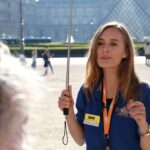
Saint-Michel is a useful meeting point for the tour as well. You meet next to the Saint Michael Monument, where the guide carries a Mister Llama mascot. That makes the guide easier to spot in a busy central area, and the meeting point is near a well-known Paris landmark.
The district can also be busy and full of regular city activity. That may help you sense how wartime events unfolded in a living neighborhood, but it can make quiet reflection harder. Stay close to your guide and be ready for a walking pace through public streets.
The Vel d’Hiv Roundup and the Deportation Memorial
The most solemn section concerns the Vel d’Hiv roundup of Jewish families. The tour asks you to reflect on the arrests and deportations that formed one of the darkest chapters of the occupation.
This subject requires a respectful tone. It is not a sightseeing stop in the light sense of the word. The value comes from pausing to remember the people affected and from understanding that persecution involved both German control and French participation.
The route includes the Mémorial des Martyrs de la Déportation, the Memorial to the Martyrs of the Deportation. The memorial honors people sent to concentration camps and offers a serious place for reflection.
You should not expect a cheerful or fast-moving part of the walk. Give yourself mental space here. The tour’s instructions specifically ask you to respect the solemnity of memorials and related sites, and that is good advice.
This section also helps balance the stories of resistance and liberation. A tour that only celebrates heroes can leave out the victims and the failures of institutions. By including deportation, the route presents a more honest account of Paris during the war.
If you are visiting with children or young teenagers, think about how much detail they can handle. The tour description does not set an age recommendation, so you will need to make that call for your own group.
You can also read our reviews of more historical tours in Paris
The Final Days of Nazi Control
The final part of the tour follows Paris from tense occupation to liberation celebrations. You learn about the city’s last days under Nazi authority and the public joy that followed freedom.
That transition is one of the most compelling parts of the route. Liberation was not a clean switch from darkness to normal life. Paris had to face the question of what came next, including the treatment of collaborators, the demands of rebuilding, and the difficult process of deciding how to remember the war.
A good guide can make this part feel less like a closing date on a timeline and more like a question about national memory. What did freedom mean after years of fear? Who was celebrated, who was punished, and what stories were easier to tell than others?
The route seems designed to end with that wider view. You are not left with only the image of cheering crowds. You also consider the aftermath and the complications of restoring a city after occupation.
Because the walk lasts three hours, pacing is important. The strongest version of this tour should allow enough time at each location for questions without rushing the memorial stops. One booking ended roughly 30 minutes earlier than expected, and the group felt it could have used the remaining time. I would make a point of asking the guide how much ground the route will cover and whether the full three hours are planned.
What the $294 Price Really Buys
At $294 per person, this is a costly Paris walking tour. Its value depends on the size of your private group, the guide’s command of the subject, and how much discussion you want at each stop.
The private format is the main reason to consider the price. You are not tied to the pace or questions of a large group. If your party has a strong interest in Jean Moulin, underground publishing, the Vel d’Hiv roundup, or postwar collaboration, you can ask your guide to spend more time on those themes.
The price also covers a tightly focused subject rather than a general introduction to Paris. You are paying for a specialist history route through locations that may be easy to miss on your own.
Still, private does not automatically mean better value. If the guide delivers information in a flat tone, gives short explanations, or finishes well before the advertised three hours, the cost becomes harder to defend. One experience was rated as good but not especially engaging, with the price considered high for the level of detail and enjoyment.
I would choose this tour when the topic is a major reason for your Paris visit and you want a private conversation. If you are only mildly curious about World War II, a less expensive group activity or museum visit may offer better value.
Walking, Weather, and Meeting Details
Plan on substantial walking. The route passes through several central Paris areas, and the practical advice is simple: wear comfortable shoes and bring clothing for the forecast. Rain or heat could change how much energy you have for the memorial and Resistance sections.
The activity is listed as wheelchair accessible, but the route still takes place through city streets and includes significant walking. If you use a wheelchair or have mobility concerns, confirm the exact route and stopping arrangements before booking.
Hotel pickup and drop-off are not included. The standard meeting point is next to the Saint Michael Monument, where the guide holds the Mister Llama mascot. The tour can begin closer to your hotel if it is conveniently located along the route, but that is not a general pickup service.
Meals, drinks, and personal expenses are also excluded. For a three-hour walk, bring water if you need it, though food and beverages are not part of the activity.
The private group can be conducted in English, Spanish, Russian, German, Korean, Chinese, Japanese, Italian, or French. Since no guide name is provided in the tour details, check the language and guide assignment when you book if that matters to your plans.
Free cancellation is available up to 24 hours in advance for a full refund. You can also reserve now and pay later, which helps if you are still fitting Paris plans together.
Who Should Book This Paris WWII Tour?
I would recommend it most strongly to you if you have already seen the major Paris sights and want a focused historical walk. It suits readers who prefer places, people, and moral questions over a quick list of famous buildings.
It is also a good fit for families or friends who want a private setting for serious questions. The multilingual choice helps international groups, and the private format lets you set the tone for your own party.
I would be more cautious if you dislike walking, want a museum-style display, or expect a lively performance from the guide. The subject is grave, and some of the most important stops call for quiet attention rather than entertainment.
The experience has a strong route and an unusually broad subject range. It connects secret Resistance work, public riots, literary refuge, deportation, military occupation, liberation, and collaboration in a single afternoon. The risk is that the story may feel compressed, or that a neutral delivery will make the three hours feel less full.
FAQ
How long is the Private Paris WWII History Tour?
The tour lasts three hours, although you should confirm the planned timing with your guide because one group finished about 30 minutes early.
Where does the tour meet?
The meeting point is next to the Saint Michael Monument. The guide will be holding a Mister Llama mascot.
Is hotel pickup included?
No. Hotel pickup and drop-off are not included, but the tour can start closer to your hotel if it is conveniently located along the route.
What languages are available?
The tour is offered in English, Spanish, Russian, German, Korean, Chinese, Japanese, Italian, and French.
Is the tour wheelchair accessible?
Yes, the activity is listed as wheelchair accessible. It also involves significant walking, so confirm route details if mobility is a concern.
Can I cancel or pay later?
You can cancel up to 24 hours in advance for a full refund. You can also reserve now and pay later.
Should You Book It?
Book this tour if you want a private, place-based look at Paris under Nazi occupation and you are willing to pay for personal guidance. The Jean Moulin route, the Beckett refuge, the Vel d’Hiv discussion, and the deportation memorial give it more depth than a general city walk.
Before paying $294 per person, confirm that the guide plans to use the full three hours and ask for a guide who welcomes questions. If the subject is central to your Paris plans, the private format can be worth the cost. If you are looking for a light afternoon outing, choose something else. This is a serious walk through a serious chapter of the city’s past.