REVIEW · BAYEUX
Normandy D-Day Tour From Paris
Book on Viator →Operated by LinkParis.com · Bookable on Viator
D-Day is harder when it is this close. This small-group rail day from Paris to Bayeux (capped at eight) puts you on the Normandy sites with an English-speaking guide like Julie or Lucas who connects the dots with real places and specific stories. You can also choose standard or first-class rail comfort, depending on what you value for the long travel day.
I especially like that the day is paced for meaning, not just checkmarks. You’ll spend time at the American Cemetery area, where the scale of the loss hits in a quiet, organized way, and guides are praised for making sure you can catch moving moments such as taps and the flag lowering.
One consideration: it’s an early start and a long day, with moderate walking at the coast and lots of time spent on your feet by the sea. If you’re the type who needs frequent breaks or lots of deep museum time, plan to be ready to “look, listen, and walk” even when the weather isn’t perfect.
In This Review
- Key Highlights That Matter
- Why Bayeux Turns a D-Day Trip Into a Real Route
- The 6:30am Rail Plan From Paris (and How to Not Miss It)
- Stop at the Plages du Débarquement: Coastline Walks With a Purpose
- Sainte-Mère-Église: The Paratrooper Story Behind the Church
- Utah Beach to Omaha Beach: How the Allies Built Momentum
- Pointe du Hoc: The Cliff Where Rangers Met the Wrong Reality
- Arromanches and the Mulberry Harbors: The Forgotten Half of D-Day
- Colleville-sur-Mer and the American Cemetery: Names, Maps, and Taps
- Price and Value: Is $480 Worth It?
- Practical Tips for Your Normandy Day (So You Stay Comfortable)
- Should You Book This Normandy D-Day Tour?
- FAQ
- What is the meeting point for this tour?
- What time does the tour start?
- How long is the Normandy D-Day tour?
- What is included in the price?
- Is lunch included?
- How many people are in the group?
- What language is the tour offered in?
- Are admission tickets included for the stops?
- Do I need good weather for the tour to run?
- Are there local transfers from my Paris hotel included?
Key Highlights That Matter
- Max 8 people keeps questions from getting lost and makes the guide’s explanations feel personal.
- Paris to Bayeux by train is included, with an option for standard or first-class rail.
- A route that follows the battle’s logic, moving beach to beach and cliff to harbor.
- American Cemetery time is central, including the Wall of the Missing and space set for a respectful visit.
- Major sites have free admission, so your money goes mainly to guide time and transport.
- You’ll be out all day, usually around 13 hours (and often closer to a full-day commitment depending on train timing).
Why Bayeux Turns a D-Day Trip Into a Real Route
Bayeux is a smart base for this kind of day. It keeps the focus on the Normandy battlefront instead of turning your trip into a logistics puzzle. You’re not bouncing between random stops; you’re moving through the story, from the first landings and inland surprises to the brutal cliffs and the supply system that had to work fast.
I also like the small-group setup. Eight people is small enough for the guide to notice when you missed a detail and small enough for you to ask follow-ups without feeling rushed. In the experience you’ll get for D-Day, that matters, because the facts are dense and the locations are specific.
Finally, the tour is structured around paying tribute, not just taking photos. That’s reflected in the way the day includes time at the American Cemetery and visitor area, and in the way you’re guided to view each site respectfully.
You can also read our reviews of more tours and experiences in Bayeux.
The 6:30am Rail Plan From Paris (and How to Not Miss It)
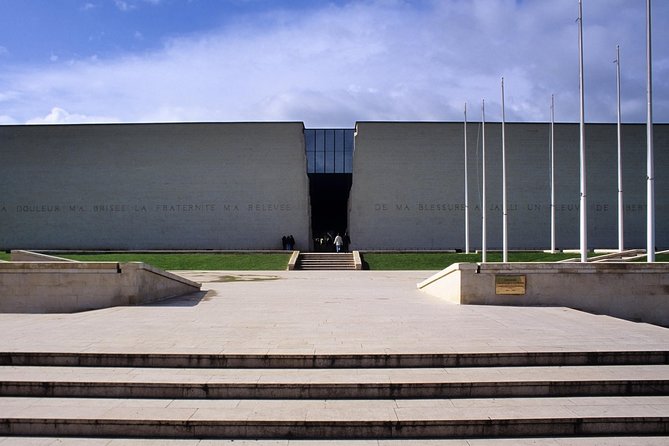
This tour starts early in Bayeux, at 6:30am, and runs about 13 hours total. You’re traveling by train between Paris and Bayeux, and the day is built around catching daylight and keeping the schedule tight across multiple sites.
Rail is a big part of the value here. Your ticket covers the round trip from Paris, plus pick-up and drop-off in Bayeux. What it does not cover is local transfers from your Paris hotel to the station, so you’ll want to handle that piece on your own. If you’re arriving in Paris the day before, plan your station access so you aren’t stressed in the morning rush.
One more practical point: because the schedule depends on trains, any delay can knock the timing around. I’ve seen how that can matter, especially if you end up scrambling to reach a stop. Give yourself buffer time for your Paris-side journey and keep your phone charged for the emailed rail tickets.
Stop at the Plages du Débarquement: Coastline Walks With a Purpose
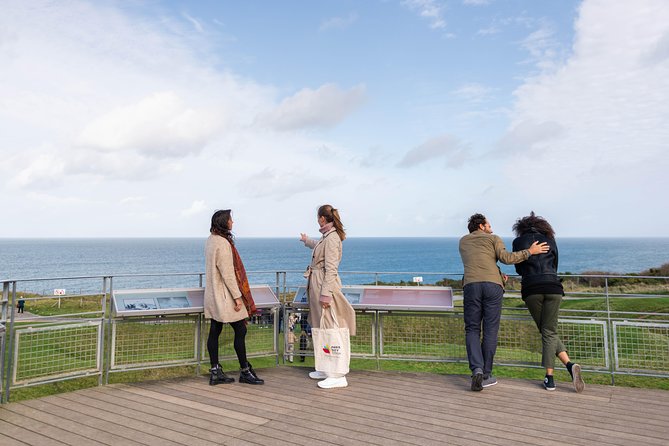
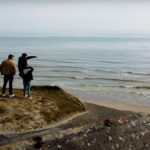
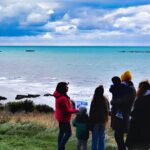
The day’s first focus is the D-Day beaches along the coast, where you get both walking time and guided context. This isn’t just a drive-by. You’ll stop at key points, hear historical explanations on site, and spend enough time to make the terrain make sense.
A respectful visit to the American Cemetery and visitor center is also part of this early stretch. That’s important because it shifts the tone right away. It’s harder to treat the sites like landmarks when you’re already facing the reality of the losses.
Expect some walking and standing, because the coast isn’t flat and “quick photos” won’t replace a proper look. If your physical comfort is moderate, you’ll likely be fine, but don’t plan on this being a sit-and-watch day.
If weather turns sloppy, don’t let that ruin your mindset. The coast sites can feel raw and exposed in any season, and the purpose of the tour is still to learn what happened here and why it mattered.
Sainte-Mère-Église: The Paratrooper Story Behind the Church
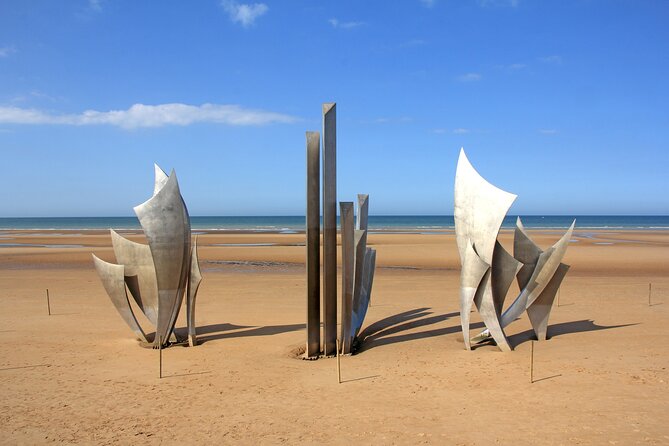
Next comes Sainte-Mère-Église, one of those places where one detail can carry an entire day of history. The story centers on the parachutists dropped before dawn on the Cherbourg peninsula—about 14,000—and on what happened in the village when one airman landed in an unusual spot.
You’ll also hear how the town’s liberation connects to that early morning chaos. That’s the real value of this stop: you’re not only looking at a site, you’re learning how the battle unfolded through small, local moments.
The stop time is about 30 minutes. That’s not a lot, so come with a few questions in mind. If you care about the broader operation, ask your guide to connect this village story to what’s happening on the beaches later.
Utah Beach to Omaha Beach: How the Allies Built Momentum
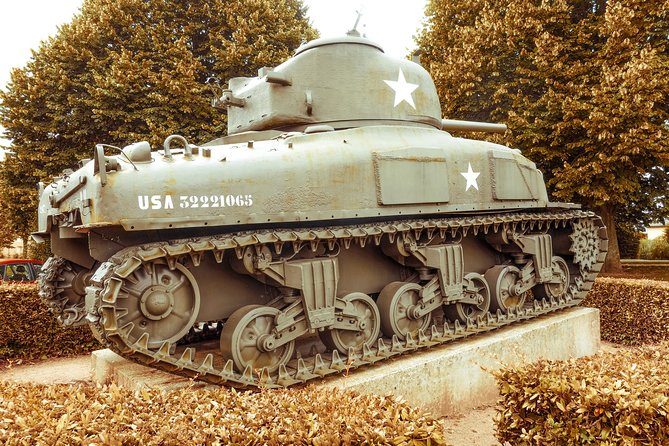
At Utah Beach, you’re walking into the story of the first Allied landings on June 6 in that sector. The coast here is part of the bigger plan: securing the Cotentin area so the Allies could move toward capturing Cherbourg and its port. You’ll hear that tens of thousands of American soldiers came ashore here across the days that followed, with about 23,000 mentioned for Utah over time.
Then the tour moves to Omaha Beach, sometimes called Bloody Omaha for a reason that doesn’t need dramatics. Here, the story focuses on how crucial timing, equipment, and support were. Landings were mis-timed in parts, tanks were delayed or lost, and the result was a longer fight to take the key stretch of coastline. The tour gives you a sense of how difficult it was to secure those roughly eight kilometers and how long it actually took for the Allies to achieve the advance they needed.
Both beaches are about 30 minutes in the schedule, so think of this as a “guided orientation” rather than an extended beach museum day. If you want to do extra exploring afterward, plan to carry a few notes. Your guide’s explanations will help you know what you’re looking at when you return to the site on your own.

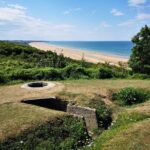

Pointe du Hoc: The Cliff Where Rangers Met the Wrong Reality
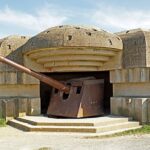
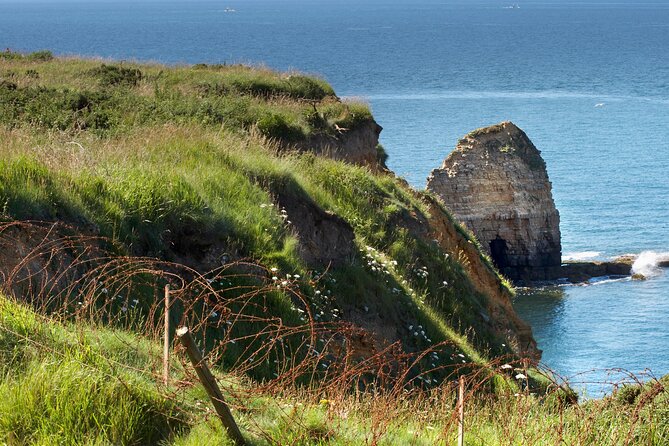
Pointe du Hoc is the kind of stop that makes you stand up straighter. The cliff is described as spell-binding for a reason: this is where Army Rangers climbed up under fire, turning a steep challenge into a critical mission.
The tour also highlights a painful twist. The heroic men climbed into gunfire without realizing the guns had been moved and concentrated in their sector. That detail matters because it shows how D-Day wasn’t only about courage—it was also about uncertainty and the chaos of battlefield decisions.
You’ll get about 30 minutes here, including guided talk and time to see the scars on the land. Even with the relatively short stop, it tends to stick because the place itself is so direct: the terrain explains the danger.
Arromanches and the Mulberry Harbors: The Forgotten Half of D-Day
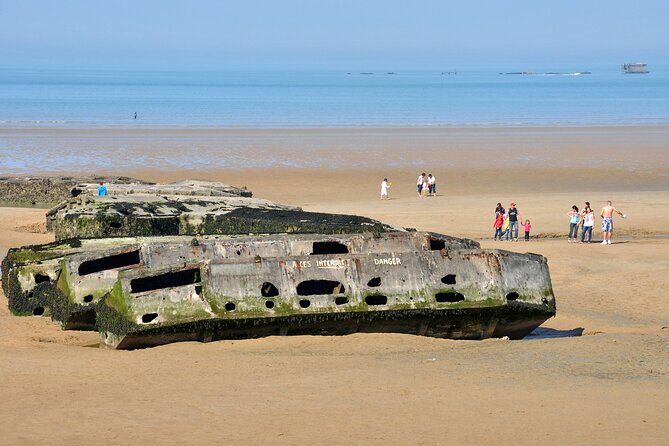
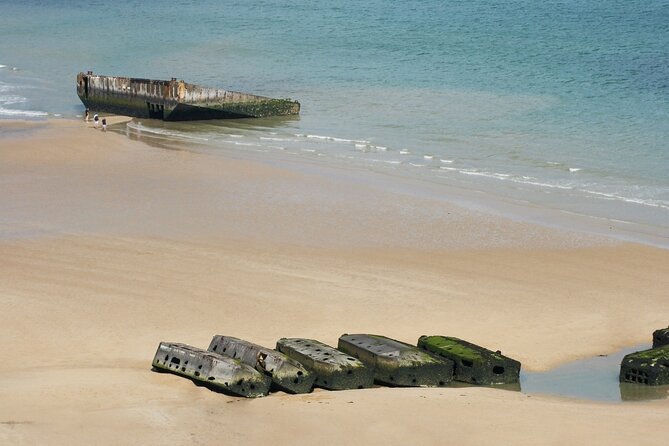
After the beaches and cliffs, the tour shifts toward the logistics that made the landings possible. Arromanches-les-Bains is the setting for that “the war had to be supplied” perspective.
This stop focuses on the Allied toe-hold on June 6 and the role of the Mulberry harbors—temporary structures built to keep supplies moving even when rough seas threatened anchored ships. What remains offshore, including remnants tied to that system, connects the battlefront to the industrial reality behind it.
The tone here is different from Omaha or Pointe du Hoc. You’re not staring at the most brutal moments; you’re understanding how the Allies planned to keep going after the first landing. That context gives you a fuller picture of D-Day, because the story doesn’t end when the troops reach shore.
Colleville-sur-Mer and the American Cemetery: Names, Maps, and Taps
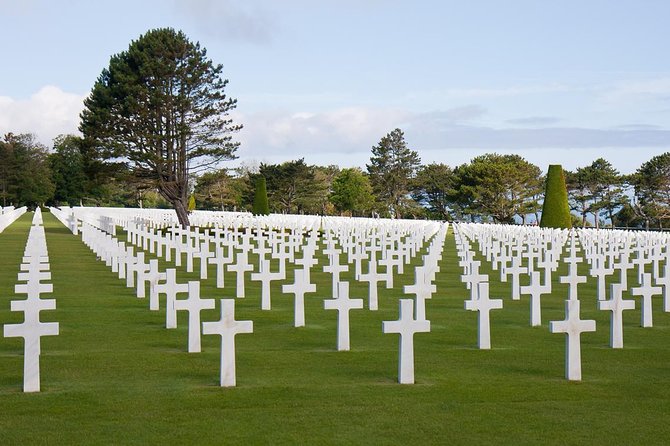
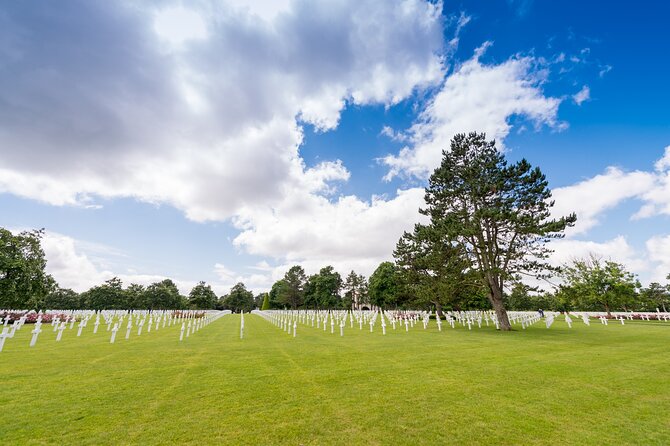
The emotional center of the day is Colleville-sur-Mer and the American Cemetery and visitor center. This is where you get the scale: a 172-acre site, run by the American Battlefield Monument Commission, and designed to help you find graves through a grid map.
You’ll also see one very moving section: the Wall of the Missing, which centers the human cost beyond the graves you can locate.
In the best timing, the schedule can allow for the taps bugle call and the lowering of the flag at the cemetery. Guides have been praised for getting people there on time for those moments, which is a strong reason to trust the tour’s pacing instead of trying to freestyle it.
Don’t rush this part. Thirty minutes is what’s listed, so you’ll want to decide in advance what you want most: the cemetery overview, the visitor center exhibits, or a careful moment at the Wall of the Missing. Your guide can help you choose if you ask.
Price and Value: Is $480 Worth It?
At $480 per person, this is not a bargain. It’s also not random sightseeing. You’re paying for a full-day structure that includes:
- Round-trip rail from Paris to Bayeux (plus Bayeux pick-up and drop-off)
- A small-group guide experience (max eight)
- A guided route across multiple key sites, not just one beach
- Free admission at the major stops listed in the schedule
What makes the price feel more reasonable is the ratio of transportation to time. This route would be difficult to stitch together without spending a lot of your day on transfers. Here, the train does the heavy lifting, and the guide spends that time turning what you see into something that makes sense.
What’s not included is lunch, so factor in meal costs. Also remember that this is a long day with early start time and moderate walking, so you want your energy to match the schedule.
For value, I’d say this is best if:
- you want guided context at multiple sites
- you prefer small-group pacing over big-group tours
- you plan to use Paris rail instead of renting a car or doing complicated transfers
Practical Tips for Your Normandy Day (So You Stay Comfortable)
This tour works best if you prep like it’s a coastal walk day, not a museum day.
- Wear shoes you can trust on uneven ground near the beach and memorial paths.
- Bring a light rain layer. The tour requires good weather, but Normandy weather doesn’t always cooperate.
- Pack a small bag for the day: water, a snack if you need one, and something warm for the early morning start.
You should also plan for self-directed time. Even with guiding at each stop, the schedule is tight, and some portions may feel more like guided orientation plus time to look around. If you’re the type who wants deeper detail at every point, jot down questions as you go so you can ask before you move on.
For the ride back to Paris, it can help to bring something that sets the tone. A WWII film queued up on your phone or tablet is a simple way to keep the day connected in your mind as you travel.
Should You Book This Normandy D-Day Tour?
If you want a focused D-Day day that includes the key sites—Utah, Omaha, Pointe du Hoc, Arromanches, and the American Cemetery—this is a strong choice. The biggest selling point is the small-group size paired with a route that follows the battle’s logic, not just a list of famous names.
I’d especially recommend it if you:
- value guided stories tied to specific locations
- want your day to end with the cemetery in the right emotional frame
- prefer rail convenience over DIY Normandy driving
I’d pause if you:
- want lots of long, museum-style time at fewer stops
- need frequent sitting breaks due to walking
- can’t tolerate early mornings and tight train-dependent timing
FAQ
What is the meeting point for this tour?
The meeting point is at 14400 Bayeux, France.
What time does the tour start?
The start time is 6:30am.
How long is the Normandy D-Day tour?
It lasts about 13 hours (approx.).
What is included in the price?
Included: rail to and from Paris to Bayeux, and pick-up and drop-off in Bayeux.
Is lunch included?
Lunch is not included.
How many people are in the group?
The tour has a maximum of 8 travelers.
What language is the tour offered in?
The tour is offered in English.
Are admission tickets included for the stops?
Admission tickets are listed as free for the stops included in the schedule.
Do I need good weather for the tour to run?
Yes. The experience requires good weather. If it is canceled due to poor weather, you’ll be offered a different date or a full refund.
Are there local transfers from my Paris hotel included?
No. Local transfers to and from your hotel or apartment in Paris are not included.