REVIEW · DIJON
Dijon Private Guided Walking Tour
Book on GetYourGuide →Operated by Travmonde OÜ · Bookable on GetYourGuide
Dijon’s story has layers.
This private walking tour connects neolithic roots, the power of the Dukes of Burgundy, and the dramatic turning points that shaped modern Burgundy, all in 90 minutes. It’s a tight loop through the city’s historic core, with your guide explaining why Dijon looks the way it does and how that look ties to big events.
I especially like the way the tour links art, learning, and science to real places, not just names in a textbook. You’ll also get strong wartime history context—Nazi occupation and the city’s resilience—woven into what you can actually see while you walk. The pacing works well if you want meaning without spending all day reading museum labels.
The main trade-off is time. With only a 90-minute window, you’ll get clear highlights, but you won’t have hours to slow down at every single building or square.
In This Review
- Key Things You’ll Notice On This Dijon Walk
- Getting Started at 11 Rue des Forges (And Why It Matters)
- Neolithic Roots to Dukes of Burgundy: Power Changes You Can Feel
- Architecture Check: Capetian, Gothic, and Renaissance in One Walk
- The WWII Segment: Nazi Occupation to Resilience (What You’ll Catch)
- French Revolution Aftershocks: How the Revolution Hit Dijon
- Private-Group Value: Price, Pace, and Customization
- Who This Tour Fits Best (And Who Might Want Something Different)
- Should You Book This Dijon Private Guided Walking Tour?
- FAQ
- How long is the Dijon Private Guided Walking Tour?
- Where does the tour meet?
- What is the price of the tour?
- Is this tour private?
- What languages are available?
- Are entrance fees included?
- Can I customize the tour?
- What is the cancellation policy?
- Do I have to pay immediately to reserve?
- What’s included in the tour price?
Key Things You’ll Notice On This Dijon Walk
- Local professional guide, group-only: You won’t be stuck in a big crowd.
- From neolithic to Dukes of Burgundy: Early origins to centuries of court power.
- Architecture in plain view: Capetian, Gothic, and Renaissance styles explained as you move.
- WWII and resilience: Nazi occupation and how the city endured.
- French Revolution impact: You’ll see why the Revolution mattered here.
- Optional on-the-spot tailoring: Ask for emphasis and adjust the route in real time.
Getting Started at 11 Rue des Forges (And Why It Matters)
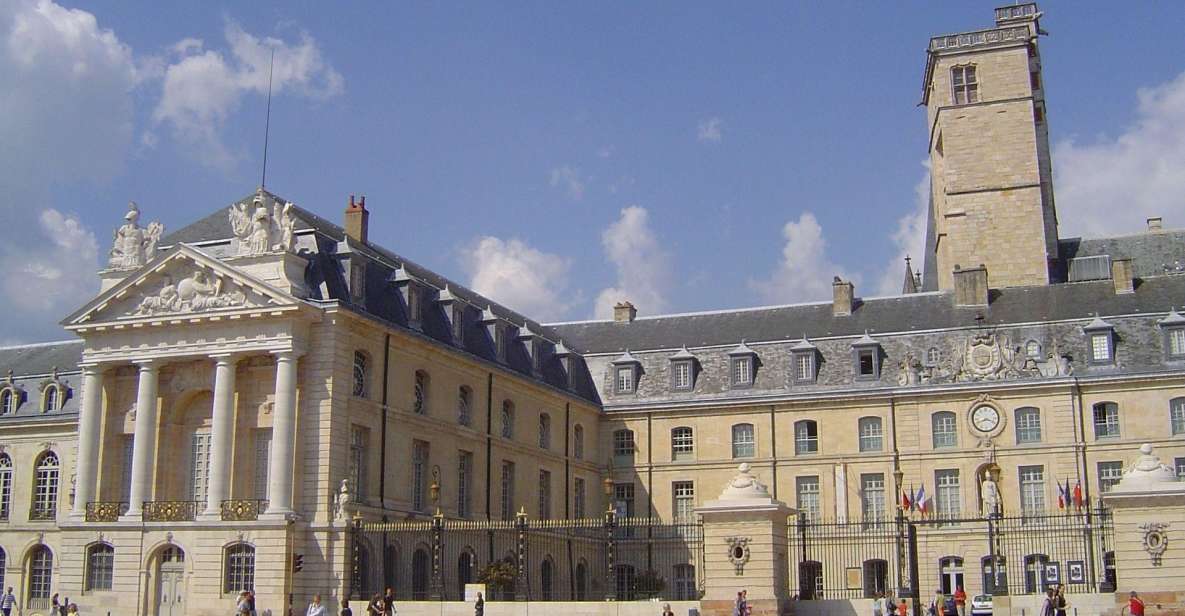
Meeting at the Tourist Information Center at 11 Rue des Forges, 21000 Dijon is a smart move. You’re starting in the historic pulse of the city, not at some far-off hotel stop. That helps you settle in fast and start walking with momentum.
Because this is a private group experience, your guide is with you the whole time. That means you can ask questions as they come up—especially useful in a city where different centuries overlap on the same street.
Also, bring a “walking brain.” This tour is built for seeing and connecting dots. If you tend to rush, you might miss a few of the details your guide points out.
You can also read our reviews of more walking tours in Dijon


Neolithic Roots to Dukes of Burgundy: Power Changes You Can Feel

Dijon wasn’t always the Dijon you picture today. The tour frames it as a city with deep beginnings—neolithic roots—then shows how power and prestige rose over time. That shift is the backbone of what makes this walk satisfying: you’re not just viewing old buildings, you’re watching a political story unfold.
Then comes the big turning point: the Court of the Dukes of Burgundy in the 14th and 15th centuries. This mattered because it made Dijon one of the major European centers for art, learning, and science. Your guide explains the “why” behind that cultural momentum, so you understand why a place can feel both refined and strategic at the same time.
If you like history that connects to culture, this is one of the best ways to get it in a short visit. The court era isn’t treated as a distant legend—it’s tied to what you can spot in the urban fabric as you walk.
One bonus: some guides have a knack for keeping the story lively. In past guided moments, names like Christelle and Sylvain Bientz have stood out for translating complexity into something you can hold in your head without feeling like homework.
Architecture Check: Capetian, Gothic, and Renaissance in One Walk
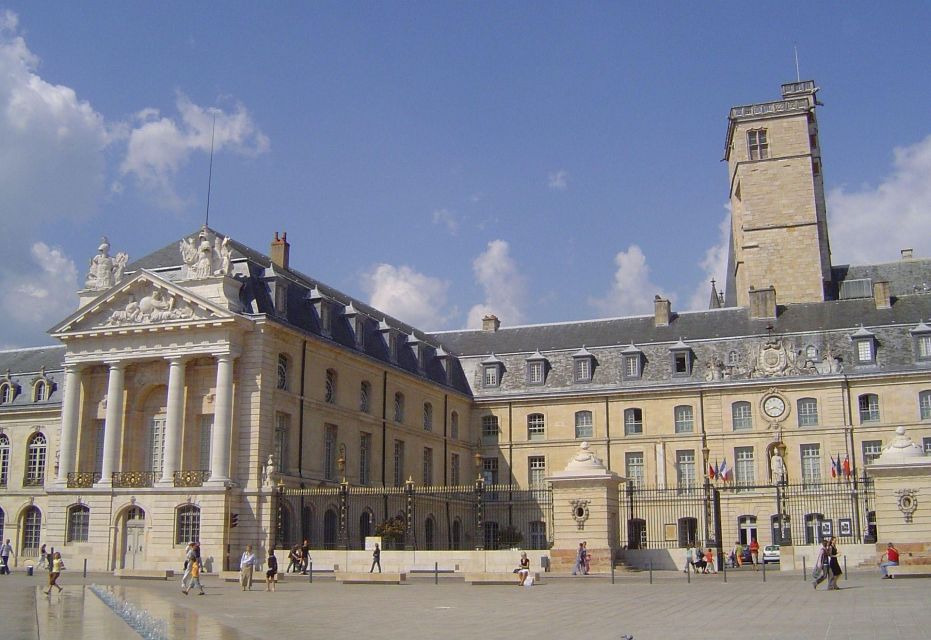
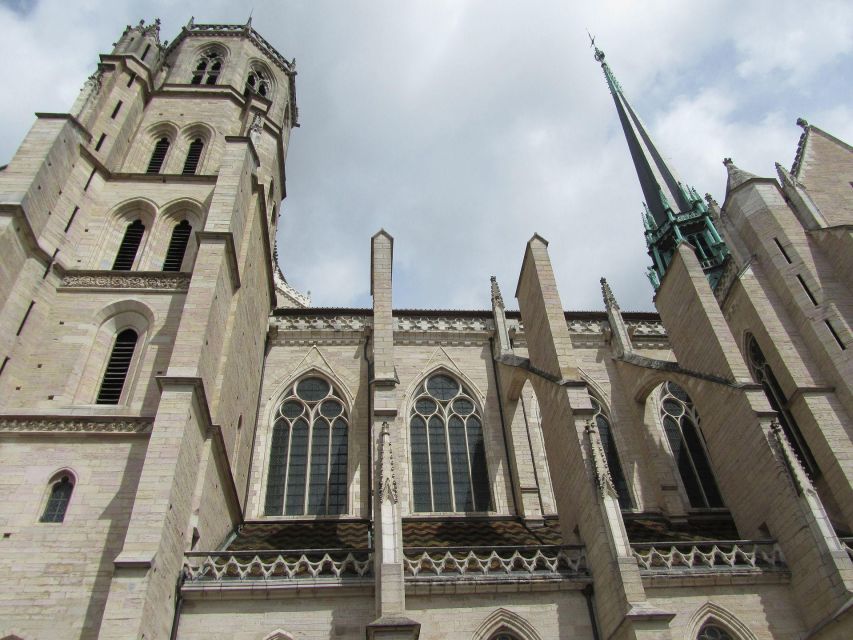
Dijon is a visual lesson in changing eras. Your guide calls out multiple styles—Capetian, Gothic, and Renaissance—and helps you understand what each style signals about the time that produced it.
Here’s what I like about this approach: you don’t just learn that styles exist. You learn what they tend to represent—power shifts, tastes changing, and resources flowing when the city mattered. That makes the architecture feel like evidence, not decoration.
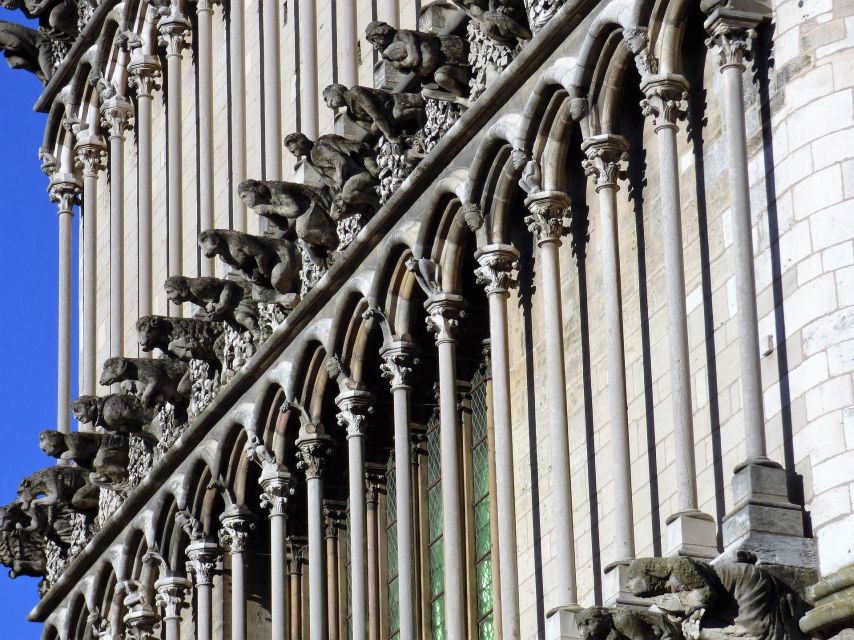
In a place like Dijon, the real trick is noticing transitions: where one style leaves off and another begins. With a guide, those transitions become easy to track because someone is actively pointing them out for you. You’ll walk away looking at façades with more confidence, instead of guessing.
The practical note: since there’s no time for endless stops, you’ll get guide-driven highlights rather than a slow, deep architecture course. If you want long photo pauses at every corner, plan a second self-guided walk afterward.
The WWII Segment: Nazi Occupation to Resilience (What You’ll Catch)
One of the most valuable parts of this tour is the way it handles wartime history, from Nazi occupation to resilience. You’re not just told what happened. You’re shown how such events leave marks—sometimes obvious, sometimes subtle—in the identity of a city.
That matters because Dijon isn’t trying to be only a postcard. It’s a living city where memory shows up through choices people made after catastrophe. Your guide’s job is to connect those choices to the streets you’re standing on.
I like this segment because it avoids a detached, museum-style tone. It keeps the story human-scale, centered on endurance. In other words, you come away understanding why the city’s strength isn’t accidental.
A consideration: if you prefer purely celebratory sightseeing, this part may feel heavier. But for many visitors, it’s exactly what turns a “cute old town walk” into something memorable.
French Revolution Aftershocks: How the Revolution Hit Dijon
The tour also covers the impact of the French Revolution on this city. Revolution is one of those topics that can feel abstract until you see how it reshapes institutions, values, and daily life. Dijon becomes a useful case study because your guide links change to visible urban and cultural shifts.
You’ll likely hear the story in a cause-and-effect way: older power structures faced pressure, new ideas gained force, and the city had to adapt. That’s where the walking format helps. You’re not only listening; you’re building a mental map of how upheaval connects to place.
This section is especially good for travelers who want context for what they see later on their own. After this tour, you’ll spot references to change more easily—people, places, and civic identity don’t float in a vacuum.
If you’re sensitive to political history, you can still enjoy the tour by asking your guide to emphasize the city impact rather than the harshest specifics. Since the tour allows possible customizing, that’s a realistic way to tailor the tone to your comfort level.
You can also read our reviews of more guided tours in Dijon


Private-Group Value: Price, Pace, and Customization
The price is $324 per group, up to 15 people, for 90 minutes. That’s the kind of pricing that can be a strong value if you’re traveling with friends, family, or a small group that wants shared context without a big-tour crush.
Here’s how I think about it: if you fill closer to the max group size, the per-person cost drops a lot. If you’re only two people, it’s still reasonable compared to many private tours, but you’ll feel the premium more. Either way, what you’re paying for is time with a local professional guide who stays with your group only.
The other value lever is customization. Your guide can adjust emphasis on the spot, which is ideal if you care more about architecture, more about war history, or more about the Dukes of Burgundy era.
Language options are English and French. Past guided experiences show strong communication skills; in one booking, a guide named Christelle was praised for speaking German extremely well, which suggests some guides are flexible with languages. Don’t count on extra languages every time, but it’s a good sign that your guide’s communication matters.
What to expect pacing-wise: you’ll cover big themes efficiently. Think “smart overview with location-based clues,” not “slow museum tour.” If you like getting your bearings fast, this format fits.
Who This Tour Fits Best (And Who Might Want Something Different)
This Dijon private walk is a great fit if you want:
- A history-centered city orientation in a short visit
- Clear connections between political power and architecture
- A guide who can keep the story organized, not scattered
It’s also a good choice for travelers who don’t want to guess at what they’re seeing. Dijon can look charming on the surface, but without context, you can miss why the city’s past shaped everything from civic identity to design choices.
Who might consider a different option? If you’re the type who loves long stops, detailed building-by-building explanations, and tons of time for photos and sitting, this 90-minute format may feel tight. In that case, pair it with extra self-guided time afterward.
Should You Book This Dijon Private Guided Walking Tour?
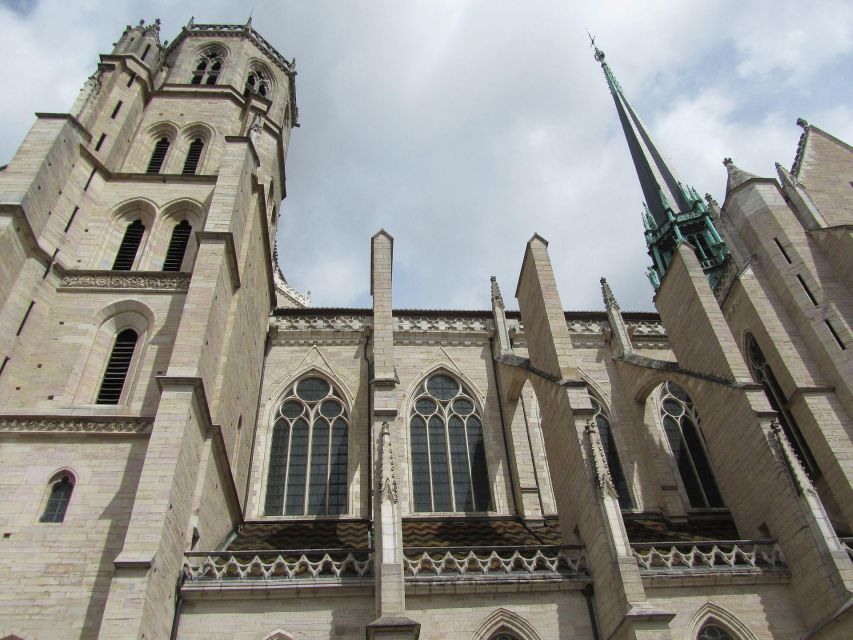
Yes, if you want a high-impact overview of Dijon that goes beyond mustard-and-wine talk. The big win is how the tour ties together neolithic origins, the Burgundian ducal court, WWII history, and the French Revolution into a story you can see while you walk.
Book it if you care about understanding why Dijon is what it is. Also book it if you like the comfort of a private group where you can ask questions and steer the emphasis.
Skip or rethink it if you only want light sightseeing with minimal politics. The tour isn’t shy about heavy chapters, and that’s part of its value.
If you do book, wear comfortable shoes and give yourself a little extra time afterward. Dijon rewards a second pass—this time with the “why” already in your head.
FAQ
How long is the Dijon Private Guided Walking Tour?
It lasts 90 minutes.
Where does the tour meet?
The meeting point is the Tourist Information Center, 11 Rue des Forges, 21000 Dijon, France.
What is the price of the tour?
The price is $324 per group, for groups of up to 15 people.
Is this tour private?
Yes. It’s a private group experience, and your guide stays with your group only.
What languages are available?
The tour is offered in English and French.
Are entrance fees included?
No. Entrance fees are not included.
Can I customize the tour?
Yes. There is possible customizing on the spot with your local guide.
What is the cancellation policy?
You can cancel up to 24 hours in advance for a full refund.
Do I have to pay immediately to reserve?
No. The offer includes reserve now & pay later, so you can keep plans flexible.
What’s included in the tour price?
A local professional guide who will be with your group only is included.