REVIEW · DIJON
Small group Burgundy tour of Beaune with Wine Tasting from Dijon
Book on Viator →Operated by Authentica Tours · Bookable on Viator
Beaune tastes better with a plan. In this small-group afternoon from Dijon, a local guide keeps things personal (max 8 people) and sets you up with a serious tasting of Côte de Beaune and/or Côte de Nuits wines, often including 1ers Crus.
What I like most is the mix: you get wine education plus real-time views of Burgundy’s vineyard hierarchy, then you’re dropped into Beaune with about an hour to explore at your own pace. The one catch is simple: there’s no lunch, and your free time in Beaune is short, so you’ll want to choose your stop in advance (entrance fees are on you).
In This Review
- Key takeaways before you go
- From Dijon to Beaune: why this 5-hour format works
- Meeting at Place Darcy and what the pacing feels like
- Stop 1 at Authentica Tours: where you get the frame for the tasting
- La Moutarderie Fallot: the tasty Burgundy detour
- The Route des Grands Crus: vineyard names you can actually place
- The tasting itself: what you’re actually drinking
- Stop 3 back at Authentica Tours: wrap-up and what to do in Beaune
- Wine, service, and small-group comfort: the human factor matters
- Value check: is $105.22 a fair deal?
- Who should book this Beaune-from-Dijon tour
- Should you book it?
- FAQ
- How long is the Burgundy tour from Dijon?
- What time does the tour start?
- Where do we meet?
- What’s included in the price?
- Are lunch or entrance fees included?
- How many people are in the group?
- What wine is included in the tasting?
Key takeaways before you go
- Small group, max 8 people means more questions and less waiting around
- 5–7 wine tastings with whites and reds, including Pinots Noirs and often Premier Cru-classified wines
- Route des Grands Crus walk with famous plot names and a quick vineyard stroll
- La Moutarderie Fallot stop for Burgundy flavor beyond wine
- ~1 hour in Beaune lets you pick one standout experience instead of trying to do everything
From Dijon to Beaune: why this 5-hour format works
This tour is built for people who want Burgundy without committing to a full day. You start in Dijon at 1:30 pm, roll through the vineyard side of Burgundy, taste multiple wines, then finish back at the meeting point. It is compact, but it still feels like you get the story, not just the samples.
The timing also helps. With an afternoon start, you avoid the early-morning rush and you can still add dinner plans in Dijon afterward. And because the group is capped at 8, you’re not lost in a crowd during the wine talk.
You can also read our reviews of more food & drink experiences in Dijon
Meeting at Place Darcy and what the pacing feels like
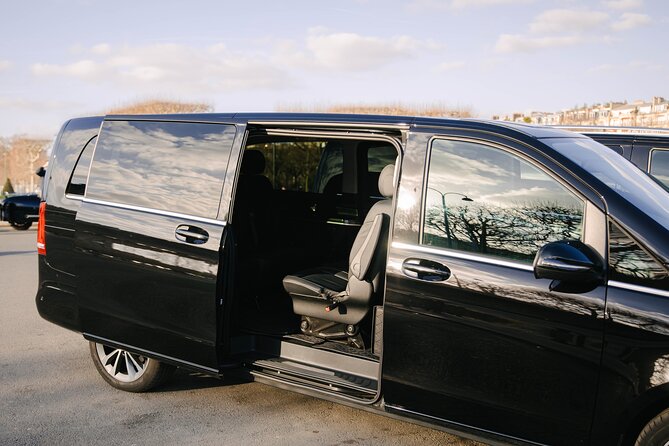
You meet at 16 Pl. Darcy, a central spot in Dijon that’s easy to reach with public transportation. You get a mobile ticket, and the operator confirms your booking at the time of reservation, which is reassuring when you’re traveling on a tight schedule.
The day flows in three main parts: a briefing and route context, a stop related to Burgundy’s food culture, then tastings tied directly to the vineyard regions you’re hearing about. The structure matters because wine in Burgundy makes more sense when you can connect the grapes to the place and the slope.
One practical note: if you’re at the back of the group, sound can be an issue on the road. A past guest flagged that a microphone would help, so if you’re sensitive to audio, sit where you can see the guide clearly.
Stop 1 at Authentica Tours: where you get the frame for the tasting
Your first stop is Authentica Tours, which is where the guide sets the tone and gives you a framework for what you’re about to taste. This matters more than you’d think. Burgundy wine labels can feel like codes, but once someone explains the logic behind Côte de Beaune vs. Côte de Nuits, it becomes easier to notice patterns like how the Pinot Noir expression shifts with the area.
Guides on this program have a knack for turning wine into something you can use on your own. For example, guides such as Roman have been praised for making terroir and grape choices feel approachable, with a mix of facts and real enthusiasm. That style is ideal if you want to understand what you’re drinking, not just check off a tasting.
La Moutarderie Fallot: the tasty Burgundy detour
Next up is La Moutarderie Fallot, which is a big deal in Dijon’s mustard world. This stop does more than break up the schedule—it adds local flavor culture. Even if you’re not a mustard person, it’s a reminder that Burgundy’s identity includes food traditions that evolved alongside the wine trade.
It also gives you a chance to reset your palate between wines. Mustard has its own sharp aromatics and acidity, so the break can help you taste more clearly when you return to the wine portion.
One timing detail to keep in mind: Fallot is noted as closed on Sundays. If you’re traveling on a Sunday, plan your Beaune or Dijon side quests around that.
The Route des Grands Crus: vineyard names you can actually place
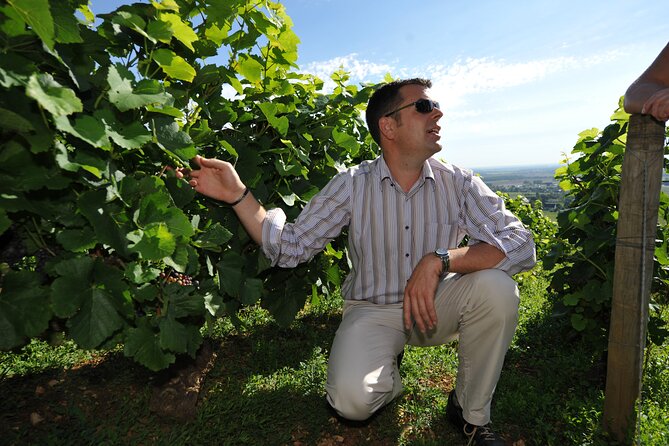
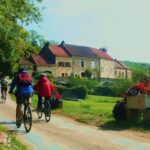
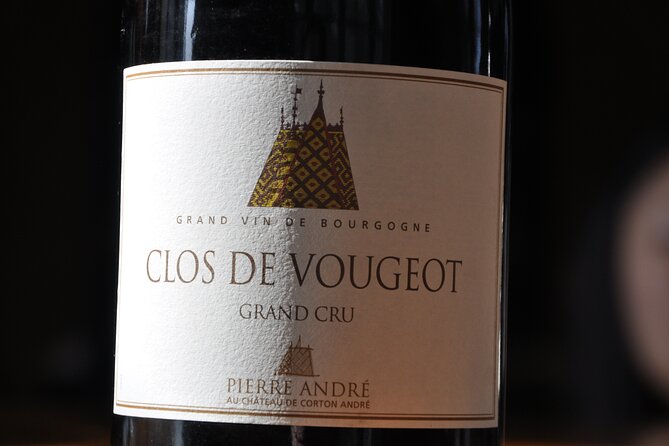
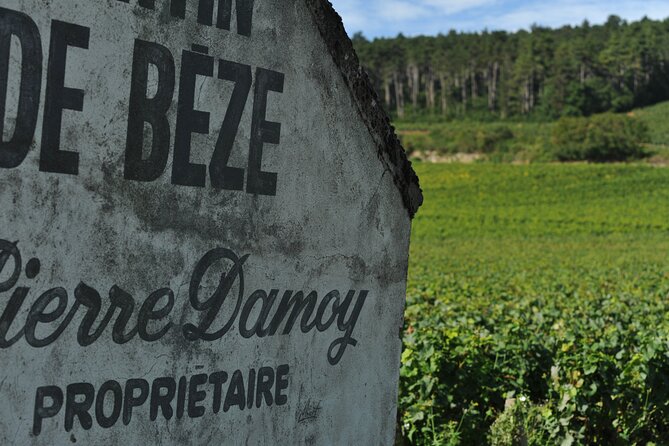
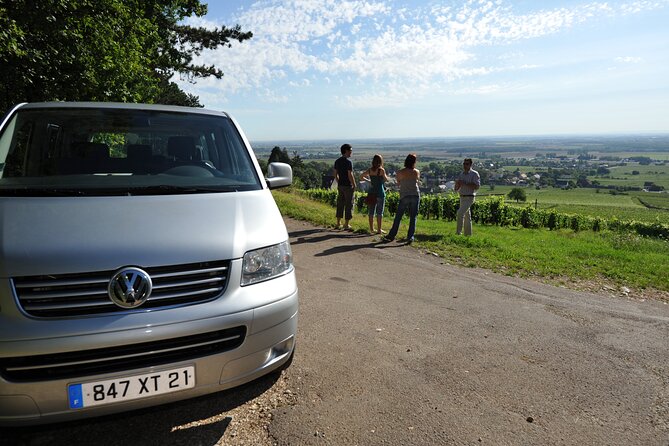
After the Fallot stop, you’ll spend time on the route that links the most famous vineyards—think “myth” on a map, explained on the ground. You’ll get a short walk through the vineyards on the Route des Grands Crus, with famous plot names mentioned along the way, such as Romanée-Conti, Chambertin, Clos de Vougeot, Echezeaux, and Corton Charlemagne.
You might not have time to tour every château or enter every property. But you will come away with a mental map. That’s the big value of a guided walk here: the names stop being trivia and start being geography.
If you enjoy details, guides on this tour have been credited for calling out why these plots matter, and for connecting the vineyard tiers to what shows up in a glass. Even if you’re not a hardcore wine person, this portion helps you sound smarter at tastings later.
You can also read our reviews of more wine tours in Dijon
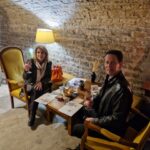
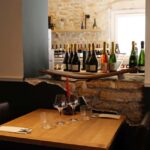
The tasting itself: what you’re actually drinking
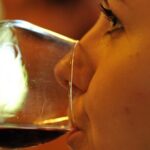
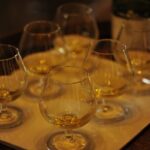
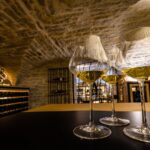
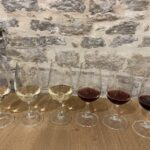
This is the heart of the tour. You’ll enjoy a prestigious tasting of 5 to 7 wines, including both whites and reds (with Pinots Noirs featured). The description also highlights exceptional wines classified as 1ers Crus, which is a real step up from basic regional bottles.
The most useful thing to know is what that tasting setup gives you:
- You can compare styles within the same grape family, especially Pinot Noir expressions tied to different parts of Burgundy.
- You get enough variety to recognize patterns, not just sample random labels.
- If you take notes, you can translate what you tasted into smarter buying later.
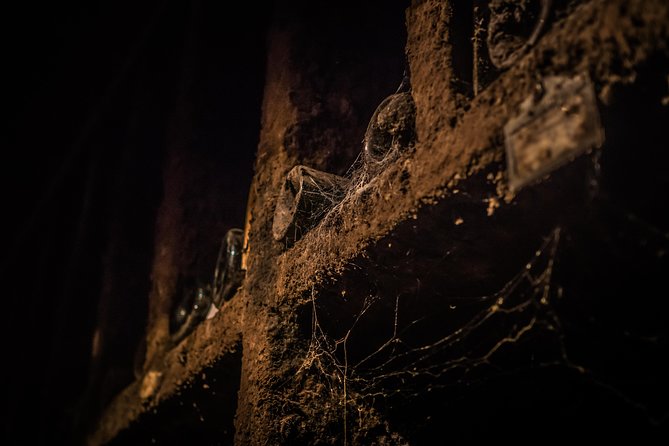
That said, not every tasting room experience is the same. Some past guests described tastings that felt more like a basement or storefront than a grand winery visit, and a couple people felt the tasting approach was quick (small pours, fast pacing). Others loved the setting, including a chateau-style cellar experience. So if you care deeply about atmosphere, treat the “tasting” as the main event, not a full architectural tour.
Stop 3 back at Authentica Tours: wrap-up and what to do in Beaune
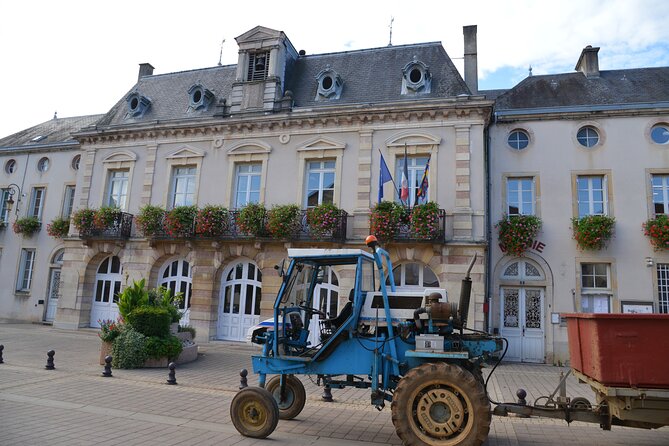
After the wine portion, you return for the wrap-up at Authentica Tours and then the itinerary transitions into the Beaune free-time window. The Beaune portion is about 1 hour, which is short on purpose. You’re not meant to exhaust the town; you’re meant to pick one or two high-impact experiences.
If you want maximum payoff, choose based on your interests:
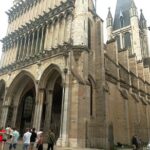
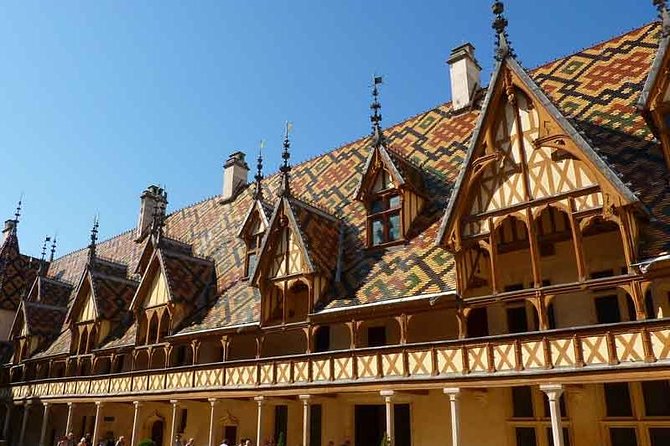
- Hospices de Beaune: This is the big art-and-architecture stop many people go for first. It’s the one that feels most “Beaune, Burgundy, right now.”
- A serious wine tasting in the town (examples include tastings offering about 7 to 10 wines): If you want to compare more labels right away, this is a great use of your time.
- La Moutarderie Fallot in Beaune or shop stops: If you like food souvenirs, Dijon’s mustard world and nearby spice traditions make sense here.
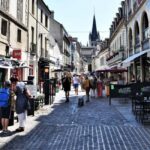
- A walk through the old town and shops: You’ll see classic Burgundy-flavored retail items, including blackcurrant, gingerbread, and mustard-related goods.
Entrance fees are not included for any of these. So if one of them is your must-do, check the ticket cost ahead of time so you’re not surprised.
Also, a couple guests felt the Beaune window could be more than a quick stroll. That’s not a reason to skip the tour—just a reason to plan what you’ll do during that hour so you don’t lose it wandering.
Wine, service, and small-group comfort: the human factor matters
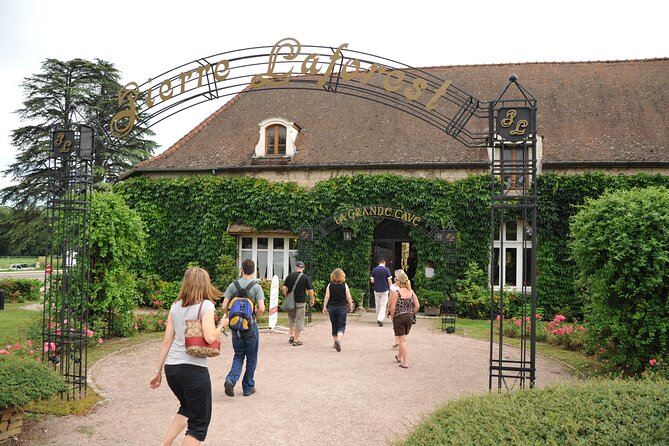
On this tour, the guide changes the experience. Past guides noted by name include David, Stephan, Pierre, Pierre’s counterpart experiences, Hubert, Thomas, Jeremy, Kristin, Leonie, and Yoann. The consistent theme is that good guides make Burgundy click through stories and clear explanations.
You’ll likely hear a lot of vineyard logic: how different areas shape the grape expression, and why Pinot Noir is such a Burgundy obsession. Many people also enjoy the relaxed tone. Several comments highlighted that the tour feels informal and fun while still being structured enough to learn something real.
One thing to keep in mind for comfort: you’re doing multiple stops, and you’ll be on the road. If you’re the type who gets impatient in transit, bring something small to stay comfortable (water, a light layer). The tour is short, but it still moves.
Value check: is $105.22 a fair deal?
At $105.22 per person, the value depends on what you compare it to.
Here’s what you get that you usually pay extra for elsewhere:
- Wine tasting with multiple wines (5–7) including reds and whites
- A guided structure connecting the tasting to the Burgundy regions you’re seeing
- Small-group time, with a max of 8 people
- A food-industry stop at La Moutarderie Fallot
- About an hour in Beaune to plug into the town’s top sights
What you do not get:
- Lunch (so you’ll plan your own meal before or after)
- Entrance fees in Beaune
- A guaranteed full winery visit with a long facility tour
If you were going to do a one-off tasting in Beaune and then pay for entry tickets plus a separate guided context, this price starts to look reasonable. The “watch out” is if you expected a big winery tour with lots of time at a château. This program is more about tasting quality and regional clarity than about hours of vineyard property sightseeing.
Who should book this Beaune-from-Dijon tour
This tour is a great fit if you:
- Want a guided wine education without the stress of planning transportation
- Like Pinot Noir and want to understand how Burgundy divisions connect to what’s in your glass
- Enjoy Beaune as a town but don’t need a full day there
- Prefer small groups over big-bus chaos
It may be less ideal if you:
- Want multiple long winery tours and extended time inside tasting rooms
- Need a big museum day in Beaune (your free time is about 1 hour)
- Are very sensitive to audio and would struggle hearing the guide from farther back
Should you book it?
I’d book this if you want a well-paced Burgundy afternoon that mixes wine tasting with real regional context and a realistic taste of Beaune. The strongest reason to go is the combo: multiple wines (including likely 1ers Crus) plus vineyard-area framing you can carry forward into future tastings.
I’d pass or adjust expectations if you need a long Beaune deep dive or if atmosphere is as important as the wine. Think of it as an efficient, guided tasting day with a town stop, not a slow, sprawling Burgundy vacation.
If you can plan your Beaune hour in advance—Hospices de Beaune for art, or a high-choice tasting for wine focus—this tour becomes an easy, high-value afternoon.
FAQ
How long is the Burgundy tour from Dijon?
The tour lasts about 5 hours.
What time does the tour start?
It starts at 1:30 pm.
Where do we meet?
The meeting point is 16 Pl. Darcy, 21000 Dijon, France, and the tour ends back at the same meeting point.
What’s included in the price?
Wine tasting is included.
Are lunch or entrance fees included?
No lunch is included, and entrance fees during free time in Beaune are not included.
How many people are in the group?
The maximum group size is 8 travelers.
What wine is included in the tasting?
Expect a tasting of 5 to 7 wines, including whites and reds (with Pinot Noir featured), and the tasting may include wines classified as 1ers Crus.