REVIEW · DIJON
Historic Center of Dijon : Discovery Tasting Wine Burgundy
Book on GetYourGuide →Operated by Les Caves de La Fine Heure · Bookable on GetYourGuide
Dijon wine has a way of feeling personal, fast, and here it’s served in historic cellars. I love the Burgundy Climats focus right in the heart of downtown, and I also like that you’re tasting with a real method, not just a quick sip-and-smile. The big plus is the visit to 16th and 18th-century cellars plus a flight that includes one Premier Cru. The one drawback to consider: this is a short basement-style tasting, and if you’re hoping for a bigger vineyard-style tour, adjust your expectations.
What makes this work for most people is the pacing. You get geology and history tied directly to what’s in your glass, you eat a classic house-made comté gougère, then you can either stay in the area for Burgundy food or keep shopping for bottles at La Fine Heure.
In This Review
- Key points to know before you go
- Entering Les Caves de La Fine Heure: the setting and the vibe
- The Dijon start point: how the experience flows
- The cellar tour (16th and 18th century): why it matters for Burgundy
- The Burgundy Climats lesson: tasting isn’t random here
- The tasting flight: crémant, two whites, two reds, and a Premier Cru
- Your food pairing: homemade comté gougère isn’t just a snack
- Price and value: what $47 buys in Burgundy terms
- Language and guide style: how to protect your experience
- Where the day can go next: restaurant or wine shop time
- Who should book, and who should skip
- Final call: should you book this Dijon tasting?
- FAQ
- How long is the experience?
- Where do I meet the guide?
- What wines are included in the tasting?
- Is food included?
- Do I need to speak French to enjoy it?
- Is the tour suitable for children?
- Can I cancel and get a refund?
- Can I buy bottles or eat after the tasting?
Key points to know before you go
- Downtown terroir lesson in Dijon: You learn why Burgundy climats matter before you taste the lineup.
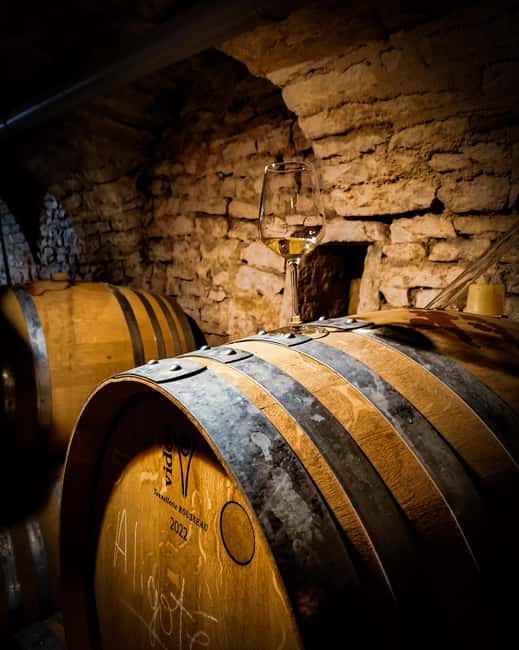
- Historic cellar visit: See the 16th and 18th-century spaces at Les Caves de La Fine Heure.
- A structured tasting flight: 1 crémant, 2 whites, and 2 reds, including a Premier Cru red.
- Food isn’t an afterthought: A homemade comté gougère comes with the wines.
- Language can affect depth: If your group is mixed, the French portion may run more detailed than the English portion.
Entering Les Caves de La Fine Heure: the setting and the vibe
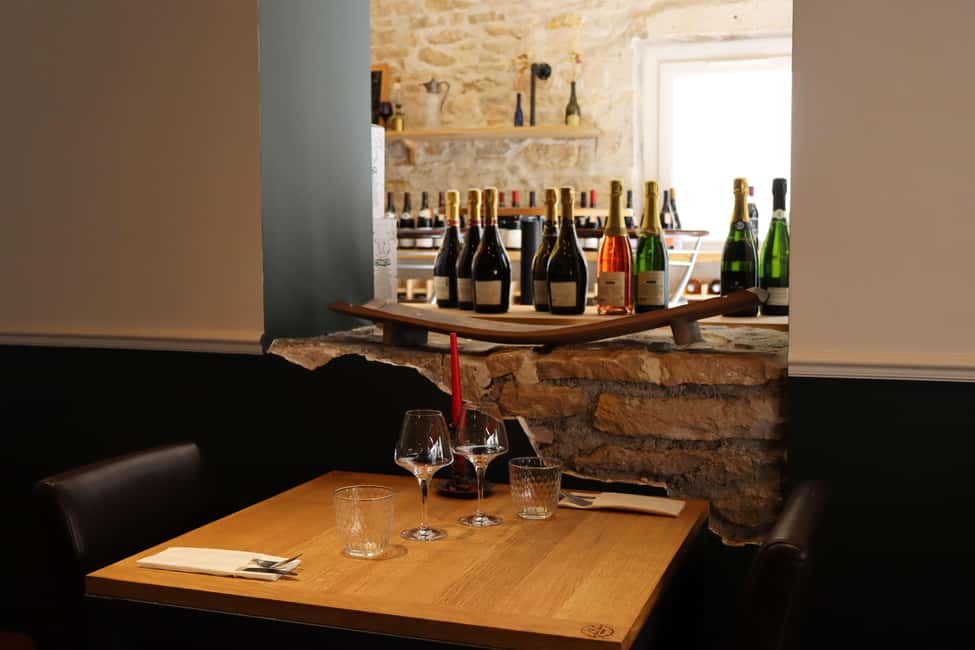
If you’re in Dijon and want something more meaningful than a bar tasting, this is built for you. It starts right at 32 Rue Berbisey, at the doors of Les Caves de La Fine Heure, so you don’t waste time figuring out logistics or commuting out of town.
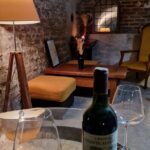
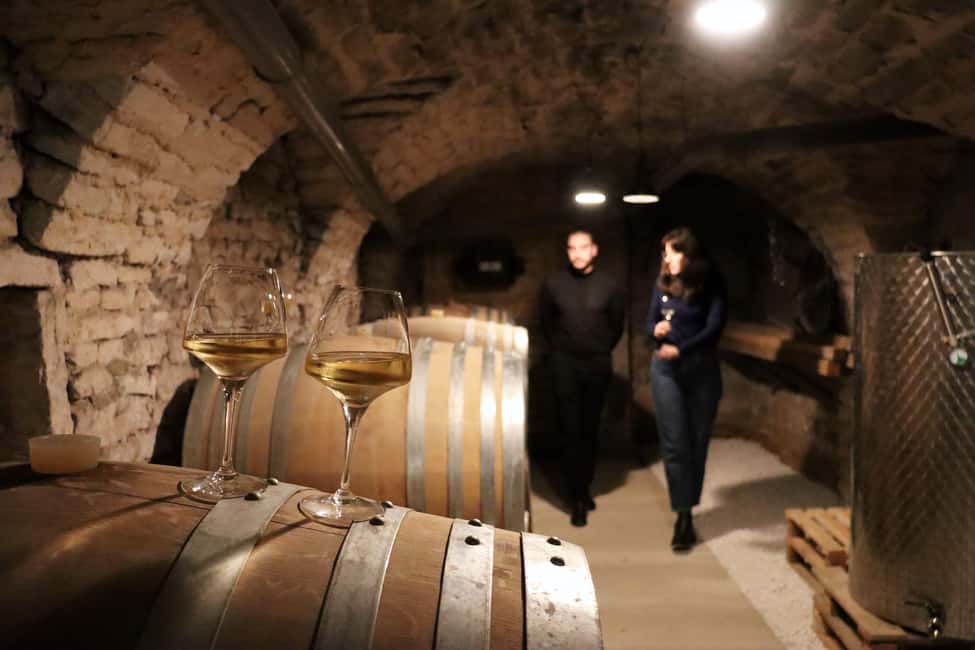
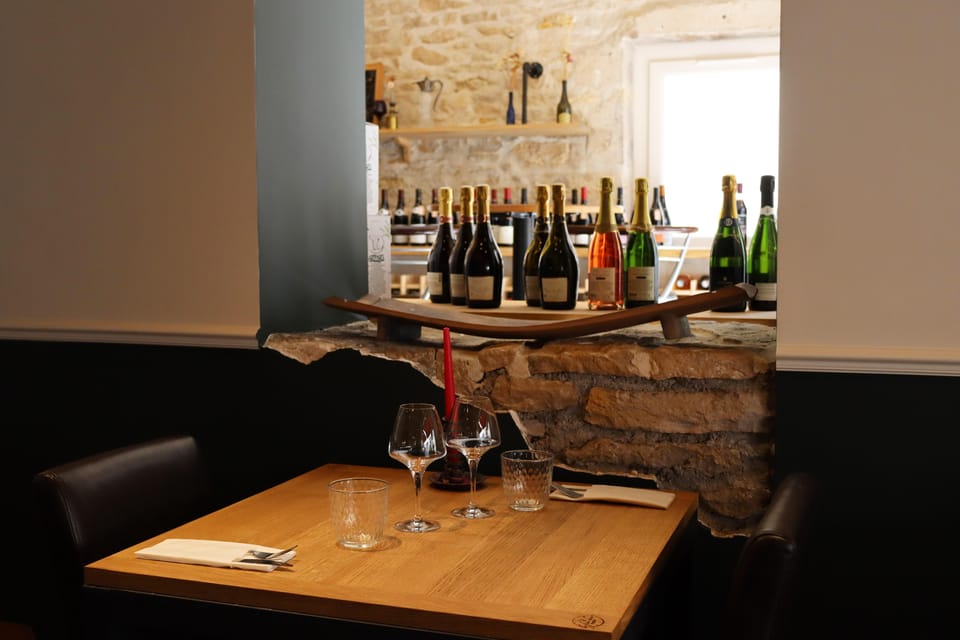
The setting is a key part of the value. Instead of tasting in a bright room with a generic playlist, you’re in historic cellar space. That matters because Burgundy wine culture is all about place—cool storage, stone walls, and the feeling that you’re close to how the wine is actually handled.
The tone is also practical and warm. Think friendly host, guided structure, and a focus on understanding the wines you’re drinking. One of the strongest themes in people’s feedback is that the explanations feel complete and helpful for making sense of the region—not just describing what the wine tastes like.
You can also read our reviews of more food & drink experiences in Dijon
The Dijon start point: how the experience flows
You’ll meet at the cellar location and then settle in for the tasting portion, which lasts about 1.5 hours. Even though the activity is listed as 1 day, the heart of the experience is that focused tasting block.
That time structure is a good fit for a day when you want culture and food, too. You can do this in the middle of sightseeing, then keep moving through Dijon afterward. It also means you’re not stuck indoors for hours waiting for the group to gather.
Also, the tour has a live guide in French and English, so you’re not left with just a menu and vibes. Still, there’s one catch to plan around: if your language needs are strict, pay attention to how you’ll follow during the lesson. Based on past experiences, some groups felt the English explanation ran shorter or less detailed than the French part.
The cellar tour (16th and 18th century): why it matters for Burgundy
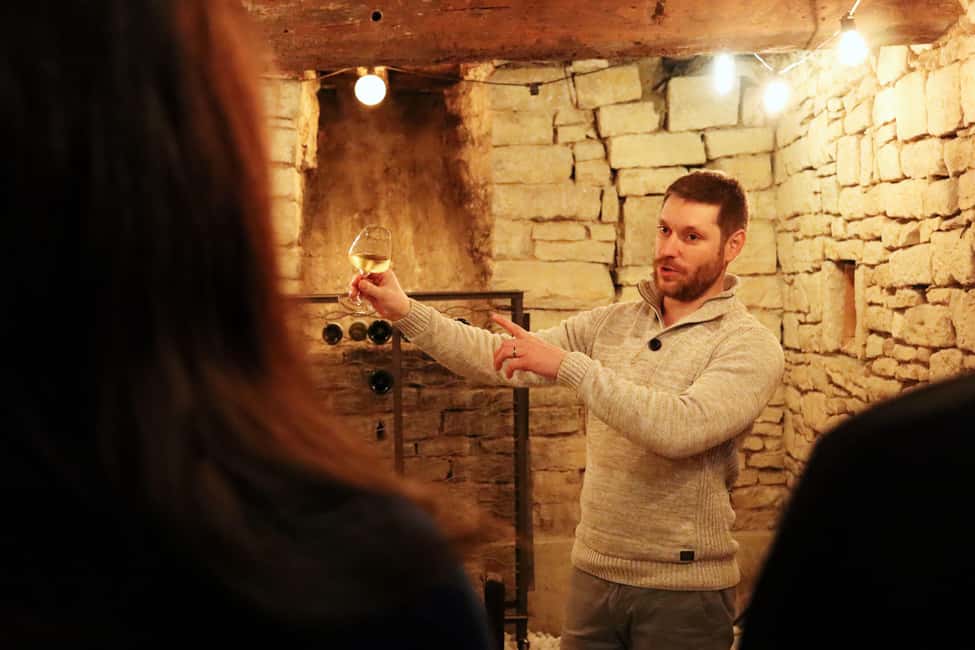
A lot of wine tastings say “historic” and then move on. Here, the visit is part of the experience. You’re taken through historic cellar spaces dating to the 16th and 18th century (and also connected to 18th-century cellar history), so you’re not just hearing about Burgundy—you’re seeing the kind of environment that shaped how people stored and served wine.
For your understanding, the cellar visit does two useful things:
First, it reinforces the idea that Burgundy isn’t one big thing. It’s careful handling and deep attention to place, season, and time.
Second, it sets up the tasting lesson. When you later hear about geology and climats, the setting makes it easier to stick in your memory. Cold stone and a guided explanation turns abstract talk into something you can actually connect to what’s happening in the glass.
The Burgundy Climats lesson: tasting isn’t random here
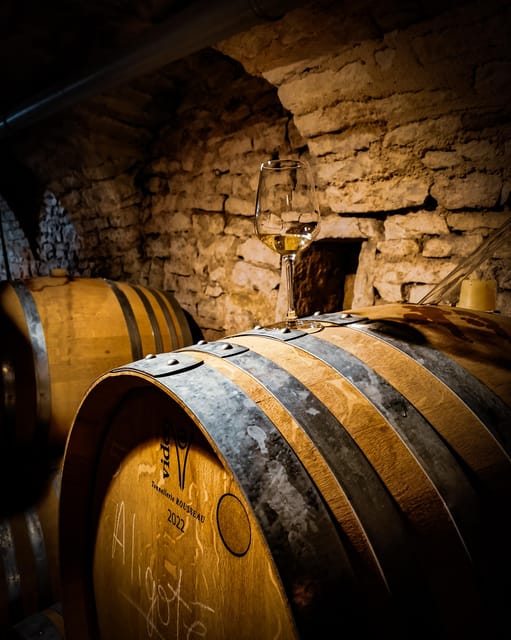
The tasting is paired with instruction on a tasting method, plus the history, geology, and the magic of the Burgundy Climats. Even if you’re brand-new to Burgundy, you should leave with a clearer mental map of how this region thinks.
Here’s the practical part you’ll care about: a good climat lesson doesn’t just add trivia. It teaches you what to listen for—how soil, slope, exposure, and vineyard character can show up as different flavors and textures.
You’ll also get context that helps explain why two wines can both be “Burgundy” and still feel like totally different experiences. That’s especially useful in Dijon, where you’ll run into lots of bottles and labels while wandering around town.
The tasting flight: crémant, two whites, two reds, and a Premier Cru
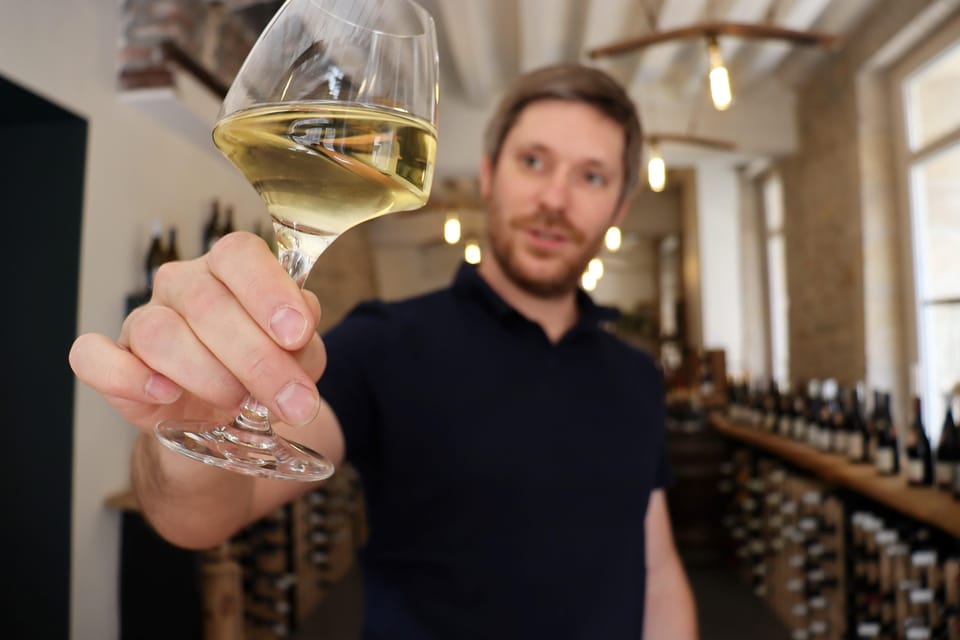
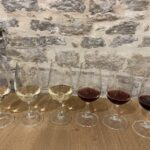
The lineup is straightforward on paper, but smart in practice. You’ll taste five wines:
- 1 sparkling wine (crémant)
- 2 white wines
- 2 red wines, including one Premier Cru
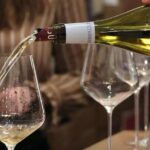
The crémant at the start is a smart opener. It refreshes your palate and helps you calibrate your senses before moving into the more nuanced whites and reds. It’s the kind of first pour that prevents everything from tasting like the same flavor family.
Then the two whites come in sequence. Whites in Burgundy often reward attention to texture and aroma rather than sweetness. If you use the tasting method you’re taught, you’ll likely notice differences in acidity, body, and the way aromas move as the wine warms.
Finally you get the two reds, including that Premier Cru. A Premier Cru isn’t just a fancy label; it’s a signal that this vineyard classification matters in Burgundy’s system. In a tasting like this, that matters because it gives you a direct reference point. You get to compare how a high-status vineyard expression differs from other reds in the same flight.
One potential drawback to keep in mind: one past experience raised a red flag about the tasting mechanics—specifically that all five wines were poured into the same glass. In a tasting where aroma and flavor separation matter, that can muddy the experience. If this is a top priority for you, it’s worth mentally expecting that wine service quality can vary by guide and moment, not every tasting will feel like a museum-grade seminar.
You can also read our reviews of more historical tours in Dijon


Your food pairing: homemade comté gougère isn’t just a snack
The tasting includes a famous gougère made in-house, paired with the wines. This isn’t random pub food. Gougère is a classic Burgundy comfort bite: choux pastry with cheese (often comté), usually served warm.
Why you should care: the flavor fat of cheese plays nicely with wine acidity. It can soften sharp edges in whites and help reds taste smoother without flattening everything. Also, warm bread-and-cheese food tends to make the tasting experience feel social instead of clinical.
In short, the gougère helps you enjoy the wines even if you’re not trying to become a sommelier in 90 minutes. And because it’s homemade, it also feels connected to the region instead of like an add-on purchased from somewhere else.
Price and value: what $47 buys in Burgundy terms
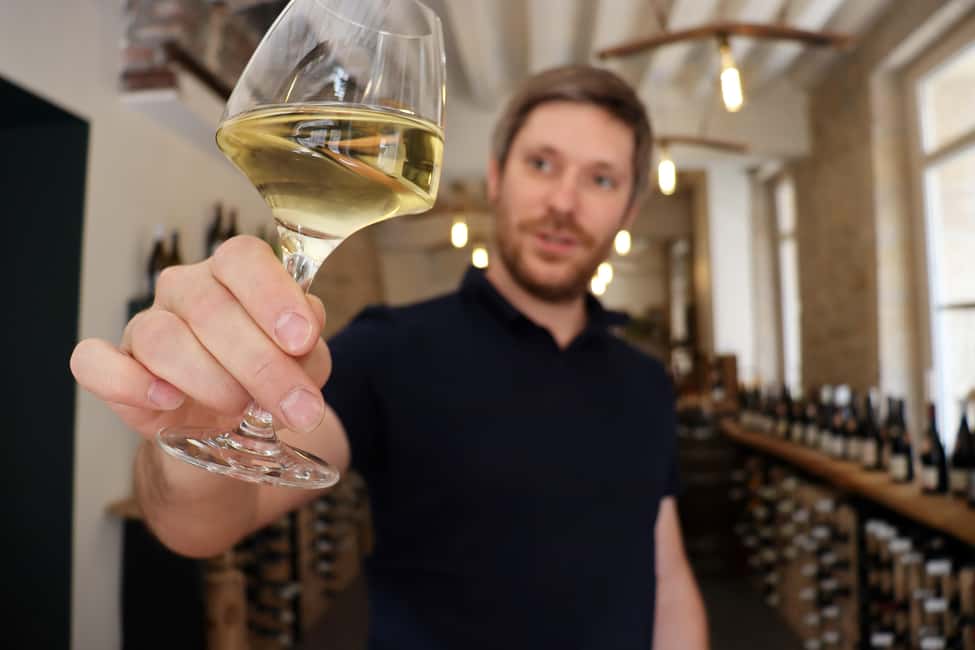
At $47 per person for about 1.5 hours of guided tasting, you’re paying for three things: a guide, a set wine flight, and a cellar visit with food. For Burgundy, that’s not outrageous, especially because the flight includes five wines and one Premier Cru. Many tastings in Europe either give you less wine for the same money or skip the structured tasting education.
Where the value gets strongest is the combination:
- Wine selection that includes crémant + whites + reds
- A tasting method lesson (so you learn something transferable)
- A historic cellar visit (so the experience feels more than just consumption)
Where you should adjust expectations: a few comments suggested it can feel pricey if you expected something larger than a tasting in the cellar. So if your idea of value is a long vineyard excursion, this likely won’t match that. But if your goal is a smart intro to Burgundy with a solid wine-to-lesson ratio, this price can work well.
Language and guide style: how to protect your experience
This tour runs with a live guide in French and English. That’s great for most people, but it’s also where experiences can vary. One concern that came up was that the English portion may be shorter and less detailed than the French portion, which can leave non-French speakers feeling like they got less of the lesson.
Here’s how I’d protect your own experience with zero drama:
- If you need English to be detailed, arrive with the mindset that the core tasting points are still provided, but you might want to ask follow-up questions when the guide pauses.
- If you’re comfortable with basic wine words, you’ll likely get more value from the tasting method and climat explanations even when time is limited.
Also, the guide’s comfort with the language can affect pacing. If the group is heavy on English, watch how the guide structures the tasting. If information seems rushed, ask one clear question—how they’re connecting the climat lesson to what you’re tasting in that specific wine.
Where the day can go next: restaurant or wine shop time
One reason I like this setup is that it doesn’t trap you in a timed loop. You can book a table at the Restaurant La Fine Heure or continue with bottles from the wine shop. That’s useful because Dijon isn’t just a one-activity city. You’ll probably want a second bite and a second glass—or at least something to carry home.
After a tastings-and-learning afternoon, I recommend buying a bottle only if you can name what you liked and why. The tasting method lesson helps here. Instead of buying a bottle because the label looks pretty, you can match the wine style to what you felt in the tasting flight.
Who should book, and who should skip
This works best for you if you want:
- A Dijon wine tasting that stays in town
- A structured guide that explains Burgundy climats and geology
- A classic food pairing with homemade gougère
- A tasting lineup that includes Premier Cru without turning it into an academic exam
It may not fit you if:
- You want a long vineyard drive or an outdoor “full tour” day
- You’re sensitive to how wine service is handled (for example, glass changes between pours)
- You’re traveling with kids, because it’s not suitable for children under 18
There’s also a basic health note: it’s not suitable for people with altitude sickness. Even though Dijon itself isn’t high altitude, this rule is still listed, so follow it.
Final call: should you book this Dijon tasting?
If your goal is a well-paced Burgundy intro with historic cellar atmosphere, a Climats-focused explanation, and a flight of five wines that includes a Premier Cru, this is an easy yes. The strong point is how the lesson and food support your understanding, not just how many glasses you get.
Book it with a clear expectation: this is a cellar tasting experience, not a big vineyard road trip. If you’re comfortable with that, it offers solid value for the money and a friendly, guided way to start decoding Burgundy. If English detail is crucial for you, consider going in with one or two specific questions ready, so you can get the most out of the guide’s explanations during the tasting.
FAQ
How long is the experience?
It runs for about 1 day, with the tasting portion lasting around 1.5 hours.
Where do I meet the guide?
Meet at Les Caves de La Fine Heure, at 32 Rue Berbisey in Dijon.
What wines are included in the tasting?
You’ll taste 1 sparkling wine (crémant), 2 white wines, and 2 red wines, including one Premier Cru.
Is food included?
Yes. You’ll have 1 homemade gougère (made with comté).
Do I need to speak French to enjoy it?
No. The live guide offers French and English.
Is the tour suitable for children?
No. It’s not suitable for children under 18.
Can I cancel and get a refund?
Yes. You can cancel up to 24 hours in advance for a full refund.
Can I buy bottles or eat after the tasting?
You can. You can book a table at Restaurant La Fine Heure or buy bottles in the wine shop after the tasting.