REVIEW · DIJON
Dijon: Discover its history and taste regional products
Book on GetYourGuide →Operated by Dijon ArchéoTour · Bookable on GetYourGuide
Dijon changes when you taste the story. This fully private 3-hour walk with local guide Clément starts at Porte Guillaume and links Dijon’s monuments to the foods that define the region. If you care about how a city’s stonework and street life connect to what ends up on the table, this is a smart way to spend an afternoon.
What I like most is the way Clément turns architecture into something you can actually picture and remember, not just facts you nod at. Second, you get private tasting access in a setting reserved for your group, with generous samples that can include Dijon mustard, cassis, and local cakes. One thing to consider: it’s built around tastings, not a full meal plan—so you’ll probably want to eat after the tour.
In This Review
- Key highlights you’ll actually notice
- Porte Guillaume to Darcy Square: where the story snaps into focus
- A 2-hour private walking tour built for architectural heritage (and questions)
- The tastings: mustard, cassis, and cakes in a reserved setting
- How Clément personalizes the walk (and why it feels easier)
- Price and value: what $94 per person really buys in Dijon
- Practical tips so you enjoy every minute
- Who should book this private Dijon tour?
- Should you book Dijon ArchéoTour?
- FAQ
- Where does the tour meet?
- How long is the experience?
- Is this tour private?
- What’s included in the price?
- What regional products will we taste?
- Is dinner included?
- What languages are available?
- Is the guide allowed to change the tour for the group?
- What accessibility information is provided?
- FAQ
- Can I cancel for a full refund?
- Can I reserve without paying right away?
Key highlights you’ll actually notice
- Private, not crowd-based: you book the experience for your group size, and Clément adapts as you go.
- Start at Porte Guillaume (Darcy Square): you get an instant sense of Dijon’s historic layout from the first minute.
- Architecture + food, together: the tour pairs monuments and traditions with what those traditions taste like.
- Reserved access for tastings: you may visit places normally closed to the public for these private tastings.
- Ask questions and set the pace: the experience stays interactive, with a pause-and-walk balance.
Porte Guillaume to Darcy Square: where the story snaps into focus
Your tour begins under the Porte Guillaume gate on Darcy Square. Even if you’ve only seen Dijon from postcards, this is a useful starting point because it anchors you to the city’s older structure—the kind of gate-and-walls geography that shapes how people moved, traded, and gathered.
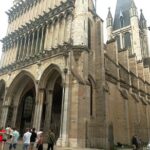
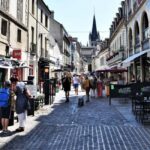
From the first steps away from the gate, you’ll feel why Dijon attracts people who love architecture. The streets here aren’t just scenery; they’re part of the city’s system: routes, viewpoints, and historical layers that make the center feel walkable and legible once you have a guide who can point out what matters.
Clément’s style fits this moment well. He doesn’t just throw dates at you. He tends to connect what you’re seeing with what it meant for everyday life, which is exactly what you want when you’re meeting Dijon for the first time—or when you’ve been before and want the details that usually get missed.
You can also read our reviews of more historical tours in Dijon

A 2-hour private walking tour built for architectural heritage (and questions)
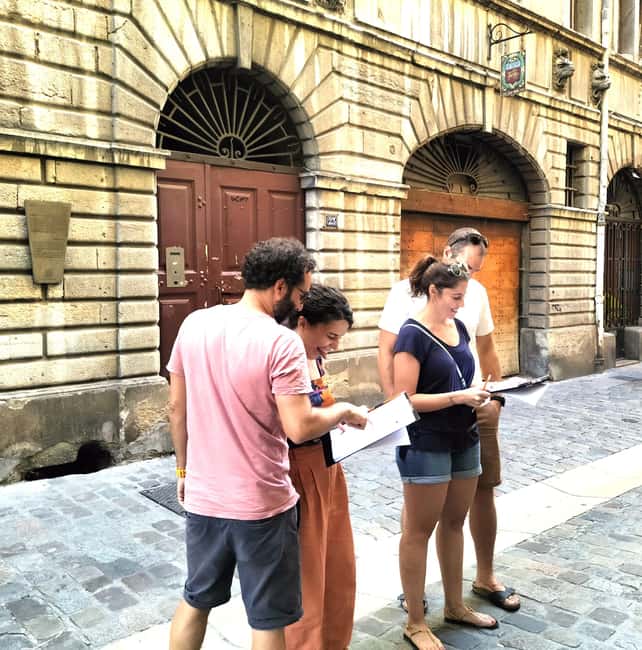
The guided portion is 2 hours, and it’s designed for people who enjoy heritage on foot. You’ll move through Dijon’s iconic areas and learn how the city’s traditions formed alongside its monuments. The tour is interactive, so it’s not a one-way lecture. You can steer the conversation toward what you personally care about—history depth, building styles, city layout, or how the culinary scene grew.
Because the group is fully private, the pacing works better than on standard busier walking tours. If you want extra time at a spot that grabs your attention, you can ask. If you’d rather keep moving and save questions for later, that works too. This is the kind of setup that makes a “3-hour city tour” feel like it’s not the same as every other “3-hour city tour.”
A nice touch: the tour is built for lovers of architectural heritage and gastronomy, so the food theme isn’t stuck on at the end like an afterthought. Instead, it’s braided into the city walk. That’s one reason the experience lands well for both first-timers and repeat visitors.
The tastings: mustard, cassis, and cakes in a reserved setting
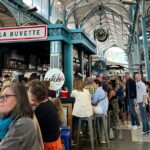
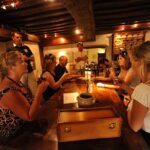
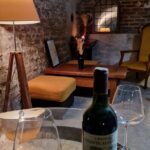
The tasting is the centerpiece moment, and it’s not the typical quick sample at a crowded counter. You’ll taste typical regional products in a unique setting reserved for your group. You also get access to places that are closed to the public specifically for these private tastings, which instantly raises the sense of occasion.
In practice, this means you’re not just eating something tasty—you’re getting the why behind it. Clément has spent years studying Dijon, and he’s written more than 10 books about Dijon and Beaune, so he can frame what you’re tasting in a way that feels grounded. That matters with Burgundy foods, because a product like mustard or cassis isn’t just a flavor; it’s a local craft with a history and a role in meals.
From the experiences people highlighted, the tasting can include classic Dijon and Burgundy hits like Dijon mustard, cassis, and local cakes. Even if you’ve had these products in another country, the real value here is the tasting context—how locals think about them and what they pair with in daily life.
One caution (so you don’t get surprised): because this is a tasting, not a sit-down feast, you’ll likely want to plan a real meal after. Think of it as a smart “taste + learn” intermission that sets up dinner, not a full replacement for it.
How Clément personalizes the walk (and why it feels easier)
This is one of those tours where the “private” part isn’t just marketing. Clément says he can adapt to what visitors want, and you can feel that in how the experience stays flexible: you’re not locked into a fixed script where you have to keep up even if the pace doesn’t match your style.
There’s also a practical advantage here. When you can ask follow-up questions in real time—about a building’s purpose, why a tradition exists, or what to order later—you absorb more. It turns the tour from “I saw things” into “I understand why these things are here.”
Language options help too. The guide can run the tour in French, English, or Italian, so you’re not forced into a watered-down version of the city story. And because you’re in a private group, the guide can naturally adjust explanations to what you can follow, not just what he can recite.
Price and value: what $94 per person really buys in Dijon
At $94 per person for a 3-hour experience, you’re paying for three things at once: time with a real local specialist, a structured walking tour, and a tasting with special access.
Here’s the value equation that makes this price feel reasonable:
- You’re getting a private guide for 3 hours, not a shared group squeeze.
- The tasting includes reserved access and closed-to-public locations, which is usually the hardest thing to get in a short visit.
- The guide’s focus is narrow and intentional: Dijon’s monuments and gastronomy, with interactive pacing.
If you’re the type who can’t stand tours that feel generic, private pricing often makes sense fast. You’re paying to reduce friction: fewer crowds, more questions, a smoother flow from gate to history to flavors. If you prefer very broad “see everything fast” itineraries, you might feel the price more strongly, since this tour is built around quality and context rather than checking off a giant list.

Practical tips so you enjoy every minute
This tour is designed for walking, so dress for city pace—comfortable shoes matter. You’ll also want to bring your appetite, but don’t assume the tasting replaces dinner. Think of it as a guided sampling that helps you decide what to buy and eat later.
Also pay attention to the site rules. This experience doesn’t allow things like drones, bikes, mobility scooters, weapons or sharp objects, and oversize luggage. Smoking indoors is also off-limits. It’s not meant to be restrictive for the sake of it; it’s the kind of policy that keeps heritage spaces and tasting areas calm and safe.
For questions you’ll actually use later, I’d come prepared with one or two. Ask what’s best to buy to take home (especially from the mustard/cassis/cake category). Ask what dish or meal these products typically show up with. A good guide can turn one tasting into a mini roadmap for the rest of your Burgundy trip.
Who should book this private Dijon tour?
You’ll love it if:
- you want Dijon in a human-scale way, without crowds
- you care about how architecture and local traditions connect
- you’re excited by regional products and want tastings in a special setting
- you like interactive tours where you can ask questions and set the pace
It may not be for you if you want a very long, exhaustive history marathon or if you primarily want lots of stops with no time for food context. Since the tasting is the main gastronomic moment, make sure that matches your style.
Should you book Dijon ArchéoTour?
If you’re coming to Dijon for its old-city feel and its Burgundy flavors, I’d book Dijon ArchéoTour—especially the private Porte Guillaume start. The combination of local expertise, private access for tastings, and an interactive walking structure gives you a visit that feels tailored, not templated. At $94 per person, it’s also priced like an experience that wants to be worth your attention, not just your time.
FAQ
Where does the tour meet?
Meet under the Guillaume gate (the monument) on Darcy Square.
How long is the experience?
The duration is 3 hours.
Is this tour private?
Yes. It’s listed as a private group.
What’s included in the price?
You get a 2-hour guided tour, a tasting of regional products, and access to places closed to the public.
What regional products will we taste?
The tour includes typical regional product tastings, and the experience is associated with items like Dijon mustard, cassis, and cakes.
Is dinner included?
The information says the experience includes tastings of regional products, and additional products can be purchased in local shops. A full meal is not stated.
What languages are available?
The tour is offered in French, English, and Italian.
Is the guide allowed to change the tour for the group?
The experience is described as interactive and adaptable to what visitors want.
What accessibility information is provided?
The tour is wheelchair accessible.
FAQ
Can I cancel for a full refund?
Free cancellation is available up to 24 hours in advance for a full refund.
Can I reserve without paying right away?
Yes. There is a reserve now & pay later option listed.