REVIEW · DIJON
Half Day Tour of the Cote de Nuits Vineyards from Dijon
Book on Viator →Operated by Authentica Tours · Bookable on Viator
The best part of this afternoon is the mix of great Burgundy wine and real vineyard country. You travel from Dijon through medieval villages, grand cru plots, old forests, and the Ouche Valley, with a local guide explaining what you are seeing instead of simply dropping you at a tasting room.
I like the small maximum of eight people and the chance to visit Château du Clos de Vougeot, a remarkable medieval wine site built by Cistercian monks. I also like the range of guides, including Antonin, Paul, Ivan, Leonie, and Jeremy, several of whom bring serious wine training and strong local knowledge. The main thing to consider is the driving time: you may spend 60 to 90 minutes on the road before making substantial stops, and this is not primarily a village-walking tour.
In This Review
- Key points to know before booking
- Why this Côte de Nuits trip works well from Dijon
- The road through the wine villages
- Walking among the Côte de Nuits vines
- Inside Château du Clos de Vougeot
- Tasting five to seven Burgundy wines
- The Ouche Valley on the return
- What the four-and-a-half-hour schedule really feels like
- Who should book this tour
- Practical advice for a better afternoon
- Should you book the Côte de Nuits half-day tour?
- FAQ
- Where does the tour start?
- What time does the tour begin?
- Where does the tour end?
- How long does the experience last?
- How many people can join the tour?
- How many people are needed for the tour to operate?
- What wines are included in the tasting?
- Is admission to Château du Clos de Vougeot included?
- Is lunch included?
- Can I cancel for a full refund?
Key points to know before booking
- Five to seven Burgundy wines: Expect red and white wines, often including Premier Cru and the region’s famous Pinot Noirs.
- Clos de Vougeot included: You enter the château and see its historic presses, vat rooms, and monk’s cellar.
- Small group format: The van holds no more than eight people, making questions and conversation easier.
- Scenic rather than town-focused: The tour shows vineyard plots, rural roads, forests, castles, and heritage sites, but does not promise long visits in several villages.
- A strong guide makes the difference: Guides such as Antonin, Paul, Ivan, and Jeremy are praised for wine expertise, humor, and clear explanations.
- Easy Dijon departure: Meet at 1:30 p.m. at the central bus parking area at 16 Place Darcy, then return there around 6 p.m.
Why this Côte de Nuits trip works well from Dijon
Burgundy can be awkward to explore without a car. The villages are close on a map, but the famous vineyards are scattered along narrow country roads, and tasting rooms often require advance arrangements. This tour gives you a driver, a guide, vineyard access, and a tasting for $80.
That price is good value if you want an introduction rather than a private deep look at individual estates. The cost includes wine tasting, the guided tour, vineyard visits, and admission to Château du Clos de Vougeot. Lunch is not included, but the four-and-a-half-hour afternoon schedule does not require a meal stop.
I would choose this experience early in a Burgundy visit. You will hear the basic vocabulary of Burgundy wine, see how the vineyard map fits together, and gain enough confidence to order or buy wine later. The guide can explain why a small plot may cost far more than a nearby bottle and how villages, vineyards, and quality levels connect.
The group limit matters. With eight people or fewer, you are not listening to a speech from the back of a large coach. You can ask why one wine tastes different from another, point to a vineyard, or request clarification when Burgundy’s naming system gets confusing.
You can also read our reviews of more tours and experiences in Dijon.

The road through the wine villages
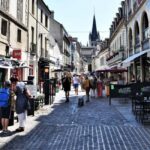
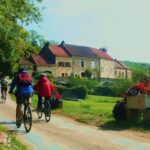
The Côte de Nuits is famous for red wine, especially Pinot Noir, and the drive gives you a useful sense of the area before the tasting begins. You pass wine-making villages, medieval houses, churches, castles, and rows of vines that change character from one plot to the next.
Do not expect every village to become a walking stop. The tour is built around seeing the region from the vehicle, getting out at selected points, walking through the vines, and visiting Clos de Vougeot. If you want several long village visits with time for cafés and independent browsing, you need a fuller-day tour.
That limitation is also part of the appeal. In four and a half hours, the guide can cover much more ground than you could comfortably walk. The route has been described as a discovery of vines and heritage rather than a town-by-town sightseeing schedule.
You may also stop at viewpoints or vineyard plots for an explanation of local soil, exposure, and wine production. The exact stops can vary. One afternoon included Fixin and its church, while another included views of the tiny Romanée-Conti plot, a name familiar to wine lovers but easy to miss when driving through the region.
Walking among the Côte de Nuits vines
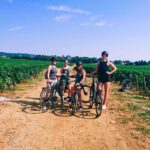
The vineyard walk is a simple but important part of the tour. Wine can feel abstract when you only meet it in a glass. Seeing the rows of vines, the slopes, and the small divisions between plots gives you a clearer idea of how much Burgundy depends on place.
Your guide may explain the local idea of terroir, meaning the combination of soil, slope, climate, and human work that shapes a wine. You do not need prior wine knowledge. Guides have worked successfully with complete beginners as well as people who already know their Burgundy villages.
This is also a good place to ask practical questions. You can learn why Pinot Noir is so closely associated with the Côte de Nuits, how white wines fit into the region, and why a Premier Cru label signals something different from a village wine. The strongest guides use the vines and villages around you as their classroom.
The walk is not presented as a strenuous hike. Still, wear comfortable shoes and bring a layer. You are moving between a van, rural sites, a château, and a cellar, and weather can affect the feel of the afternoon. Rain did not prevent one recorded visit from including vineyard views and the château, but clear weather will make the countryside easier to enjoy.
Inside Château du Clos de Vougeot
Château du Clos de Vougeot is the historical centerpiece. Despite its château name, this is not mainly a furnished aristocratic residence. Its importance comes from wine production and the Cistercian monks who developed the site.
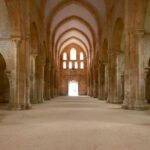
Inside, you see wine-making facilities built between the 12th and 16th centuries. The visit includes the vat rooms, presses, and the monks’ cellar. These spaces help explain how Burgundy wine was produced long before modern stainless steel tanks and polished tasting rooms became standard.
The old presses are especially useful for understanding the scale and labor of earlier wine-making. The building gives the afternoon a sense of continuity: you begin with modern Burgundy wines in a cellar, then connect them to centuries of production in the same region.
Do not expect the château visit to replace a full museum tour. The stop is one part of a moving itinerary, not a long independent visit with hours to explore every room. Its value comes from the guide’s explanation and from seeing the physical setting where the region’s wine culture took shape.
Tasting five to seven Burgundy wines
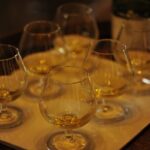
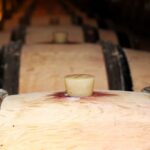
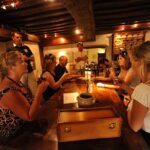
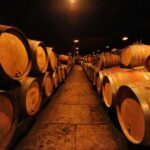
The tasting is usually a selection of five to seven wines in a traditional cellar, with red and white Burgundy and, when available, Premier Cru examples. Pinot Noir gets special attention, as it should on a Côte de Nuits outing, but the white wines give you a useful comparison.
The order of the tasting may vary. The schedule describes a cellar tasting as a central stop, while some afternoons have finished with the wines after the sightseeing. Either way, set aside time to listen before judging what you like. Burgundy wine is often less about immediate power and more about aroma, balance, texture, and the way the wine reflects its place.
The guide’s role is a major part of the value. Antonin is described as a WSET Diploma graduate, while Paul has been praised for his sommelier-level understanding and friendly delivery. Ivan is from Burgundy and combines local roots with a strong grasp of the wines. Other guides, including Leonie, David, Hubert, and Jeremy, have also been singled out for clear explanations and a warm manner.
The tasting can be adapted to the group when numbers are small. One three-person outing included two winery visits and nine wines, more than the standard five to seven. That should not be treated as a guarantee, but it shows that the exact experience can change with the group and the guide.
For beginners, this is likely the most useful portion. You get a framework for tasting instead of simply being handed glasses. Ask the guide to compare the wines, explain the labels, and point out what makes a Premier Cru different. If you already collect Burgundy, you may find the selection less specialized than a private estate appointment, but the broader regional context adds value.

The Ouche Valley on the return
The drive back through the Hautes Côtes de Nuits and the Ouche Valley gives the afternoon a pleasant change of pace. Instead of staying only among the celebrated grand cru vineyards, you see ancient forests, open countryside, and a less polished side of Burgundy.
The route includes views of the Burgundy Canal, an 18th-century waterway running through the valley. This is not a canal cruise or a dedicated engineering visit. It is a scenic part of the return journey, useful for seeing how the region extends beyond the famous wine route.
This final stretch also helps put the Côte de Nuits in context. Burgundy is not just a strip of prestigious vineyards. It is a rural region of farms, woodland, villages, waterways, and old roads. If the weather is good, the drive can be one of the more memorable parts of the afternoon.
What the four-and-a-half-hour schedule really feels like
The tour starts at 1:30 p.m. from the central bus parking area at 16 Place Darcy in Dijon and ends back at the same meeting point. A typical outing runs until about 6 p.m., though the precise order and timing of stops can change.
You should think of this as a compact road trip, not four hours of continuous sightseeing. The vehicle time is necessary to connect Dijon with the vineyards, château, valley, and tasting locations. One clear caution is that the first 60 to 90 minutes may include substantial driving before you make a major stop.
That can disappoint anyone expecting to stroll through multiple wine villages. It should suit you well if you want a guided overview, scenic roads, selected stops, and an organized tasting without arranging transport yourself.
The van is limited to eight participants, and most people can take part. The meeting point is near public transportation, and a mobile ticket is accepted. Confirmation comes at booking, but departure requires at least four people. If the minimum is not reached, the operator may cancel after confirmation and offer another option or a full refund.
Who should book this tour
I would recommend it to first-time Burgundy visitors, couples, solo visitors who want company, and anyone staying in Dijon without a rental car. It is also a smart choice for people who want wine education without committing to a full day.
You will get the most from it if you enjoy asking questions. The guides are repeatedly praised for their wine knowledge, local background, humor, driving, and ability to explain difficult ideas in plain language. Antonin, Paul, Ivan, Leonie, and Jeremy are names worth noting, although the guide assigned to your departure may differ.
The tour also suits mixed groups. Beginners can learn how Burgundy works, while more experienced drinkers can focus on vineyard names, Premier Cru distinctions, and production methods. A small group can make the afternoon feel more personal, especially when the guide adjusts the discussion to the participants.
I would look elsewhere if your priority is shopping in villages, visiting several independent domaines, or spending a long time at one estate. The tour covers a lot of ground, so the experience is broad rather than highly specialized.
Practical advice for a better afternoon
Arrive with time to spare at Place Darcy, since the tour leaves at 1:30 p.m. Bring water and comfortable shoes for the vineyard walk. Because lunch is not included, eat beforehand if you tend to get hungry in the afternoon.
Keep your expectations clear about the tasting. Five to seven wines are included, but a larger selection is possible in some small groups. The focus is learning about Burgundy, not simply drinking as much as possible.
If you are new to wine, say so. The guides have experience teaching beginners, and the afternoon becomes more useful when you ask basic questions instead of trying to sound like an expert. If you already know Burgundy, ask about the specific plots and villages you pass.
The tour offers free cancellation up to 24 hours before the start time. Within 24 hours, cancellations and changes are not accepted for a refund. Also remember the four-person minimum, which can affect plans outside the operator’s control.
Should you book the Côte de Nuits half-day tour?
Book it if you want a well-priced introduction to Burgundy wine with transport included. The combination of Clos de Vougeot, vineyard views, countryside roads, and a guided tasting gives you more than a cellar appointment, while the four-and-a-half-hour length leaves the evening free in Dijon.
The strongest reason to choose it is the guide. A skilled host can turn a confusing patchwork of French names into a clear story about grapes, plots, villages, and quality. The small group makes that teaching easier.
Skip it if your ideal afternoon means stopping in several villages, wandering independently, or visiting a particular producer for a long tasting. For everyone else, this is a practical way to see the Côte de Nuits without a car and to leave with a better sense of what makes Burgundy wine so distinctive.
FAQ
Where does the tour start?
It starts at the central bus parking area at 16 Place Darcy, 21000 Dijon, France.
What time does the tour begin?
The scheduled start time is 1:30 p.m.
Where does the tour end?
The tour ends back at the meeting point in Dijon.
How long does the experience last?
It lasts approximately four hours and 30 minutes.
How many people can join the tour?
The maximum group size is eight participants.
How many people are needed for the tour to operate?
At least four people are required for departure.
What wines are included in the tasting?
The tasting includes five to seven Burgundy wines, including red and white wines and selections that may include Premier Cru. Pinot Noir is a key focus.
Is admission to Château du Clos de Vougeot included?
Yes. Entry to the château is included.
Is lunch included?
No. Lunch is not included.
Can I cancel for a full refund?
Yes, if you cancel at least 24 hours before the experience begins. Cancellations within 24 hours are not refundable.