REVIEW · DIJON
Dijon: La Cave du Palais Burgundy Wine Tasting Experience
Book on GetYourGuide →Operated by La Cave du Palais · Bookable on GetYourGuide
Burgundy tastes different when you understand why. This Dijon tasting pairs six wine samples with live commentary in a real, old vaulted cellar. I like that you get both the romance of the underground space and the practical lesson behind each pour. I also like the small-group feel, which makes it easy to ask questions as you go. One thing to consider: this is a focused tasting (not a casual hang), and it’s not for kids or anyone who needs wheelchair access.
If Burgundy is on your list, this is a smart first stop. You’ll work through wines that range from regional bottles to Grand Cru labels, tied to the “why” of Burgundy’s climates and aging. I appreciate that the guide keeps the pace interactive, and you get the sense you’ll leave with a clearer map of what you’re tasting. The only drawback is that the setting is cozy and underground, so if you’re hoping for lots of space to roam, plan to enjoy the experience seated and in close quarters.
What I’d lock in first: a guided set of six tastings in the heart of Dijon.
What I’d watch: this is a learning-focused tasting, and not the best fit for anyone under 18 or with limited mobility.
In This Review
- Key Points You’ll Care About
- Entering La Cave du Palais: a vaulted cellar lesson, not a lecture
- Getting to the meeting point in Dijon (Hotel du Palais area)
- The 90-minute flow: six tastings, live commentary, and room to ask
- Burgundy’s climates and aging: what you’ll actually taste
- Regional labels to Grand Cru: tasting the spectrum without the confusion
- Small group size (max 8): why it makes a difference
- Price and value in Dijon: $64 for six pours and real context
- Who this Dijon Burgundy tasting fits best (and who should skip)
- Should you book La Cave du Palais in Dijon?
- FAQ
- How many wines will I taste in this Dijon experience?
- How long does the wine tasting last?
- Where do I meet the guide?
- What languages are offered?
- Is this tasting suitable for children?
- Are pets allowed?
- FAQ
- Is wheelchair access available?
- Is there a chance to buy wine?
Key Points You’ll Care About
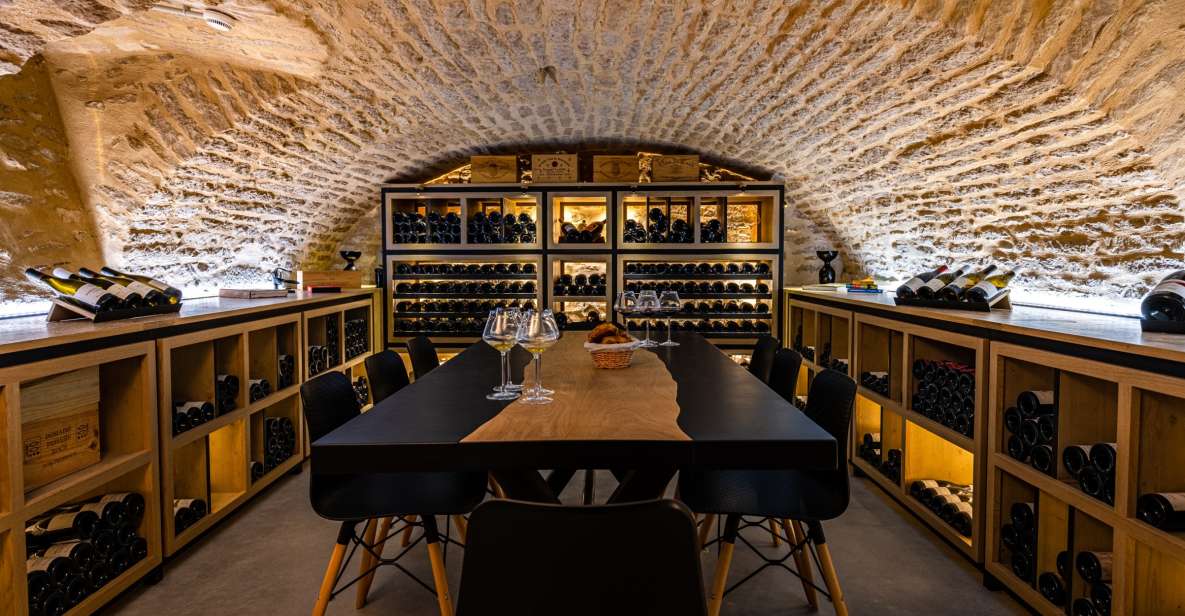
- Vaulted cellar setting in central Dijon (easy walk from Place de la République)
- Six tastings in 90 minutes with live, on-the-spot explanations
- Climates and aging explained in plain language so you can taste the difference
- A range of appellations up to Grand Cru, not just one neighborhood of Burgundy
- Small groups capped at 8, which makes Q&A actually happen
- Guides like Prune, Antoine, Leo, Rafael, and Robin often lead the session in English/French
Entering La Cave du Palais: a vaulted cellar lesson, not a lecture
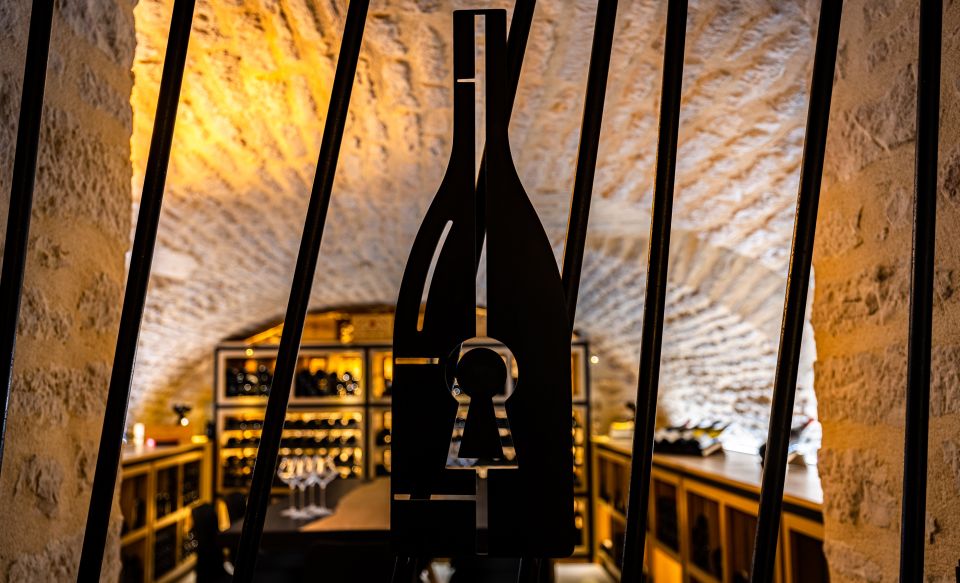
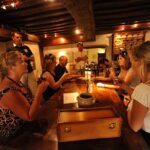
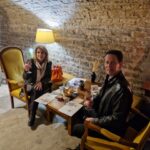
The first thing you notice is the room itself. La Cave du Palais is an old, vaulted cellar inside the Hotel du Palais. It feels exclusive without being stiff. Think: cool stone, close tables, and a setting made for wine talk.
Then the guide sets the tone quickly—this isn’t a slideshow vibe. It’s more like a guided tasting where each wine has a job to do. You’re not just drinking. You’re building a quick Burgundy framework so the next glass makes sense.
A practical note: because the space is cellar-cozy, you’ll likely stay at or near your table. If you hate that sort of “hold still and taste” format, this won’t feel like your kind of evening. If you like short, focused sessions with real conversation, it’s a great match.
You can also read our reviews of more food & drink experiences in Dijon
Getting to the meeting point in Dijon (Hotel du Palais area)
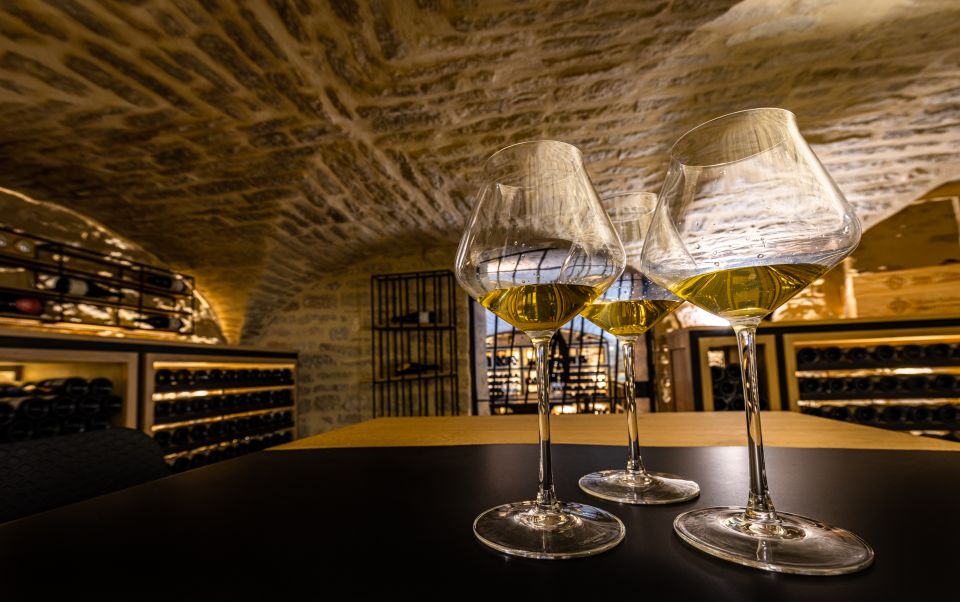
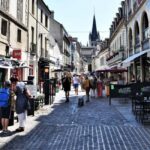
Meeting point is simple: La Cave du Palais, inside the Hotel du Palais. It’s about a 5-minute walk from Place de la République in the city center.
That matters because Dijon is very walkable. You don’t need to plan a taxi or bus ride to make this work. It’s also a nice option for your first night in town when you’re still figuring out where everything is. After the tasting, you’re already positioned for dinner.
I’d suggest arriving a little early so you’re not thinking about time while the tasting starts. When you’re in a cellar, you’ll notice the experience faster than you expect once you’re inside.
The 90-minute flow: six tastings, live commentary, and room to ask
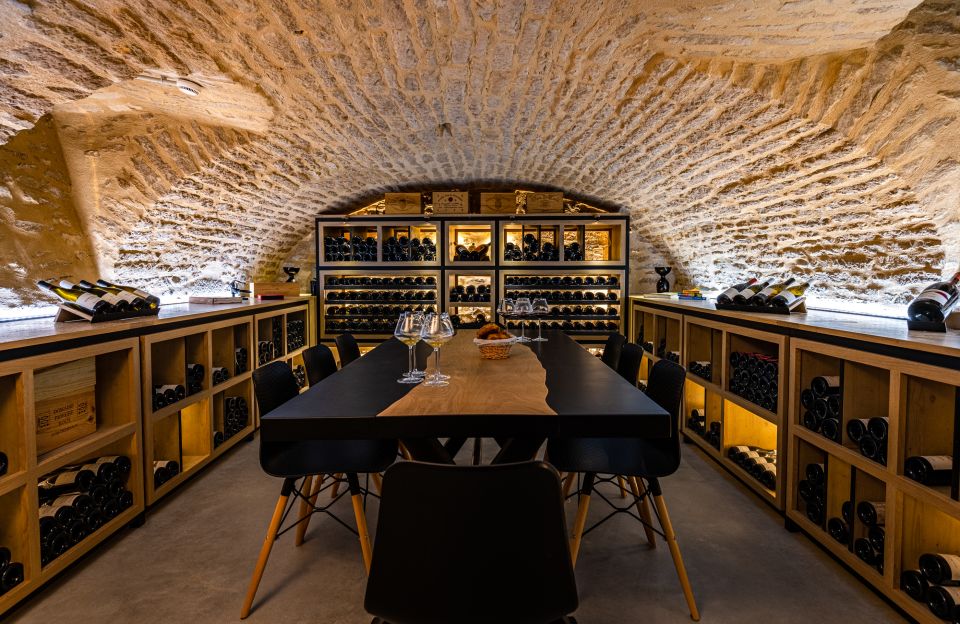
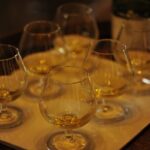
This experience runs 90 minutes. In that time, you’ll taste six different wines, guided in real time with live commentary. The pacing is designed so each pour connects to a point—region, vintage, climate, aging, and how those pieces show up on your palate.
Here’s how it feels, step by step:
- You settle in and get oriented to what you’re about to taste.
- You start tasting with the guide calling out the key differences to look for (not just what to like).
- Between pours, you get the explanation: what makes a Burgundy wine taste the way it does.
- You keep tasting through the set, moving across different Burgundy styles and appellations.
- You finish with time for questions and wrap-up, including helpful tips that can go beyond wine.
One of the biggest “value” signals from the experience is that it stays interactive. Many sessions are described as relaxed and informal, with guides making room for conversation instead of rushing through facts. In small groups, that’s the difference between memorizing and understanding.
You might also get practical supporting materials. Some past participants noted the presence of reference materials during the session, which helps if you want to remember what you tasted later.
Burgundy’s climates and aging: what you’ll actually taste
Burgundy isn’t one wine. It’s a map. And the guide’s core job here is to connect the map to what’s in your glass.
The tasting specifically focuses on:
- Climates (where the grapes grow and why that changes flavors)
- The years/vintage (what the growing season can do to the wine)
- Aging (how time affects aroma, texture, and taste)
Why that matters for you: without this context, it’s easy to treat Burgundy like a lineup of nice flavors. With it, you start tasting patterns. For example, you begin to notice how a wine’s texture and balance can shift based on aging choices, or how regional character can show up as flavor direction rather than just “sweet vs. dry.”
You also learn how Burgundy classification shows up in the glass. Even if you’re not chasing technical jargon, that framework makes your own bottle-shopping easier later.
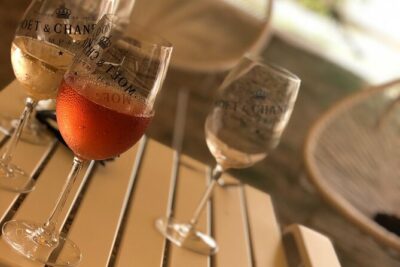
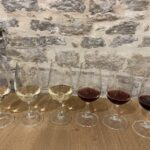
Also worth knowing: the guide may present the set as a mix of whites and reds. Some sessions have reported a breakdown like 3 reds and 3 whites, so you’re not stuck with only one style.
Regional labels to Grand Cru: tasting the spectrum without the confusion
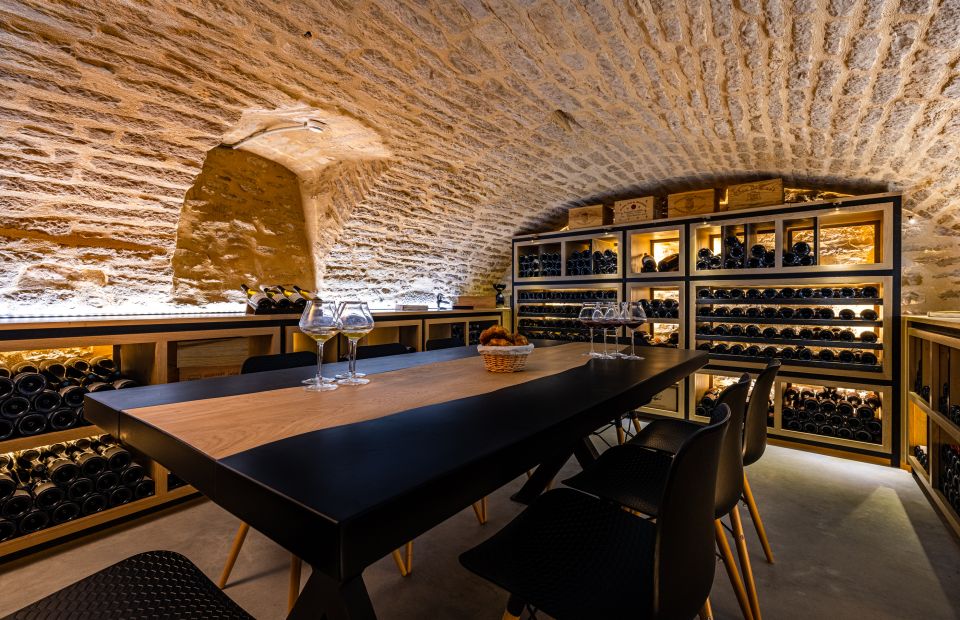
One of the highlights is the range of appellations. You’re not just tasting one pocket of Burgundy. You’ll sample bottles across a spectrum—from regional designations all the way up to Grand Cru, which is the top tier of Burgundy classification.
That range helps in two ways:
- You get a feel for how the “same grape family” can taste different depending on location and category.
- You learn how to read labels beyond names. The guide explains why those categories exist and how they relate to flavor and quality.
The best part is that you taste the differences in real time, so it stops being abstract. You can taste your way into understanding Burgundy’s hierarchy.
A small caution: if you’re only interested in learning about one village or you already know every label, the class might still be fun—but you won’t use it like a substitute for a full vineyard tour. It’s a tasting education, not a landscape walk.
You can also read our reviews of more wine tours in Dijon
Small group size (max 8): why it makes a difference
This is limited to 8 participants. That small number changes everything.
In a big group, the guide has to do a broadcast. Here, the guide can answer questions while you’re still tasting, not after the fact. That’s why a lot of past sessions sound like real conversation: people ask what they’re noticing, and the guide adjusts the explanation to match the group’s pace.
It also explains why you’ll often hear that guides handle mixed English/French groups smoothly. Several guide names show up in past sessions—Prune, Antoine, Rafael, Leo, and Robin—and the common thread is clear: they’re comfortable teaching in both French and English and keeping the tone friendly.
If you want a tasting where you can ask why a wine tastes the way it does (instead of just being handed notes), this small-group setup is a big deal.
Price and value in Dijon: $64 for six pours and real context
Let’s talk money. It costs $64 per person, lasts 90 minutes, and includes 6 wine tastings plus live commentary.
For wine education, that’s a solid structure:
- You’re paying for more than wine. You’re paying for the explanation that helps you connect taste to place and aging.
- You’re getting a set number of pours. No guesswork, no “extra tasting” scramble.
- You’re in a small group, which improves the odds you’ll actually interact.
Not included: extra tastings. So if you’re a major drinker and want to keep sampling beyond the set, you’ll need to decide ahead of time whether you plan to purchase additional wine on-site (the experience doesn’t push you that way, but the option can exist).
On balance, I’d consider this a good value if you care about Burgundy beyond just drinking. If you’re coming only for a quick sip with zero interest in how and why, you might feel the time is “too educational.” But if you want direction, this pricing matches the format.
Who this Dijon Burgundy tasting fits best (and who should skip)
This experience is designed for adults and it shows in the rules.
It’s for you if:
- You want an easy, central activity in Dijon (walkable meeting point)
- You like learning while tasting
- You’re curious about why Burgundy wines differ by climate, vintage, and aging
- You prefer small groups and Q&A
It’s not a fit if:
- You’re under 18 (must be over 18)
- You’re pregnant or you need wheelchair access (not suitable based on the activity rules)
- You travel with pets (pets not allowed)
One more practical fit check: this is a tasting session, so expect to focus on the wines and conversation rather than using the time as a social event to snack and wander.
Should you book La Cave du Palais in Dijon?
I’d book it if you want a fast, guided Burgundy education in a real cellar setting. The biggest win is the combination: six tastings paired with live explanation that connects directly to what you taste—especially the lessons on climate and aging and the sweep from regional wines to Grand Cru.
I’d skip it if you want a big, scenic, outdoorsy vineyard-style experience. This is underground and centered on tasting, not a hike through rows of vines.
If you’re short on time in Dijon, this is one of the smarter ways to get a feel for the region without booking separate winery visits. And if you’re the kind of person who likes asking questions, the small group size helps your evening feel personal, not rushed.
FAQ
How many wines will I taste in this Dijon experience?
You’ll taste 6 different wines during the 90-minute guided session.
How long does the wine tasting last?
The tasting experience lasts 90 minutes.
Where do I meet the guide?
You meet at La Cave du Palais in the Hotel du Palais, about a 5-minute walk from Place de la République in Dijon.
What languages are offered?
The host or greeter offers the experience in French and English.
Is this tasting suitable for children?
No. It’s not suitable for children under 18, and you must be over 18 to take part.
Are pets allowed?
No. Pets are not allowed.
FAQ
Is wheelchair access available?
This experience is not suitable for wheelchair users.
Is there a chance to buy wine?
The included part is the guided tastings, and extra tastings aren’t included. Some participants have mentioned they purchased a bottle, and the session is not described as a hard sell.