REVIEW · BAYEUX
Normandy American D-Day Experience (From Bayeux Station)
Book on Viator →Operated by Bayeux Shuttle · Bookable on Viator
Four American sites in one guided day.
This tour is interesting because you’re not just dropped on beaches. You get a clear, American-focused narrative of June 6, 1944, moving from Omaha to Utah with stops built around where people landed and where their stories are kept.
I love the way the day balances explanation and quiet time. You get guided context at each stop, then you’re given short stretches to walk, look, and take it in—like the 15 minutes on Omaha Beach (if the tide allows) and the 45 minutes to explore the American cemetery on your own.
My only caution is weather and pacing. Normandy can be cold, windy, and wet, and a long day with a lot of steps can feel heavier on beaches than it sounds, plus lunch isn’t included even though you’ll have time to eat in Sainte-Mère-Église.
In This Review
- Key things I’d bank on before you go
- Why start in Bayeux for the Normandy American D-Day story
- What the small-group format and onboard Wi-Fi actually change
- Omaha Beach: short sand time after the big overview
- The American Cemetery at Colleville-sur-Mer and why it feels different
- Pointe du Hoc: Rangers, fortifications, and the “why it mattered” explanation
- Sainte-Mère-Église: 82nd Airborne context plus the Airborne Museum entrance
- Utah Beach: another landing story with time for monuments
- Timing, pacing, and how to make the long day feel manageable
- The Normandy weather reality: wind, rain, and clothing choices
- Guides and the difference great storytelling makes
- Price and value: is $179.66 fair for this day?
- Should you book this Normandy American D-Day tour from Bayeux Station?
- FAQ
- How long is the Normandy American D-Day experience?
- Where do I meet for the tour?
- What’s included in the price?
- Is lunch included?
- Which stops are part of the day?
- Is the tour in English?
- Are train tickets from Paris included?
- Can I cancel for a full refund?
Key things I’d bank on before you go
- Small group feel (max 20 travelers): enough people for energy, not so many you lose the thread.
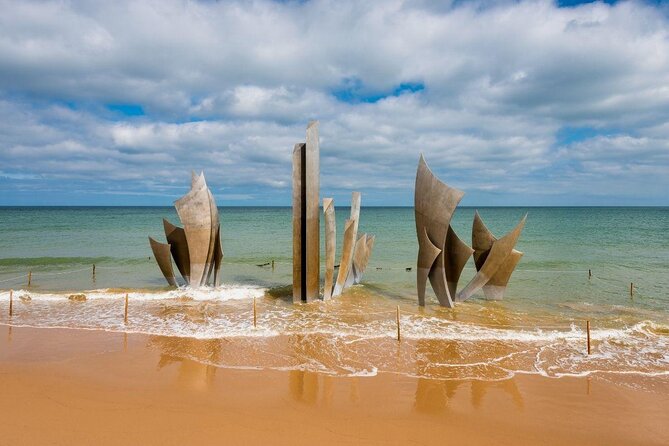
- Omaha + U.S. Cemetery timing: you get explanation, then your own quiet time.
- Pointe du Hoc guided walks: the fortifications get explained in plain, practical terms.
- Sainte-Mère-Église with the Airborne Museum included: sound-and-light experiences inside the memorial setting.
- Utah Beach and monuments: another American landing viewpoint, with time to wander.
Why start in Bayeux for the Normandy American D-Day story
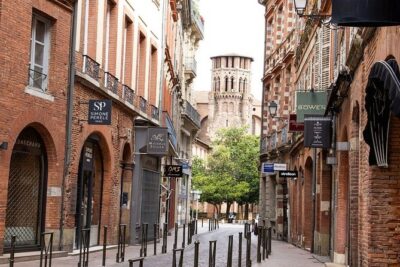
Bayeux is a smart base for Normandy, because it’s close enough to make a long day trip feel doable. You meet at Place de la Gare in Bayeux, with the tour starting at 8:55 am and returning you back to the same meeting point.
This matters for one big reason: it keeps your day focused. Instead of spending time figuring out local driving or switching between multiple transport options, you’re set up for a single run through the key American sites.
And you’re doing this in an air-conditioned vehicle. That’s not glamorous, but on a day that includes walking outside and waiting for the group at each stop, it helps a lot.
You can also read our reviews of more tours and experiences in Bayeux.
What the small-group format and onboard Wi-Fi actually change
With a maximum of 20 travelers, you can usually expect a smoother flow at photo stops and clearer instruction from your guide. You also get less “stop-and-wait forever” time than you would on a huge bus tour.
The tour also includes on-board Wi-Fi. It’s not life-changing, but it helps if you want to quickly check the tide timing, map your own short walk at Omaha, or keep family updated during the day.
Another practical bonus: you get a mobile ticket. That reduces the fuss on a travel day, especially when you’re pairing this with a train.
Omaha Beach: short sand time after the big overview
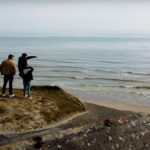
Omaha Beach is where the day kicks hard. Your guide gives you a structured overview of the D-Day landings here on June 6, 1944, so you’re not staring at the shoreline wondering what you’re looking at.
Then you’ll have around 15 minutes of free time to walk on the sand, but it’s dependent on tidal conditions. Translation: don’t assume you’ll be able to wander as far as your shoes allow today—go prepared to keep it short and simple.
What I’d do here:
- Wear shoes that handle sand and uneven ground.
- Plan to take photos quickly, then use the time for looking and absorbing.
Even with the short walking window, Omaha can hit emotionally. That’s partly because you’re standing in the exact place the narrative you heard just described is unfolding again, in your mind.
The American Cemetery at Colleville-sur-Mer and why it feels different
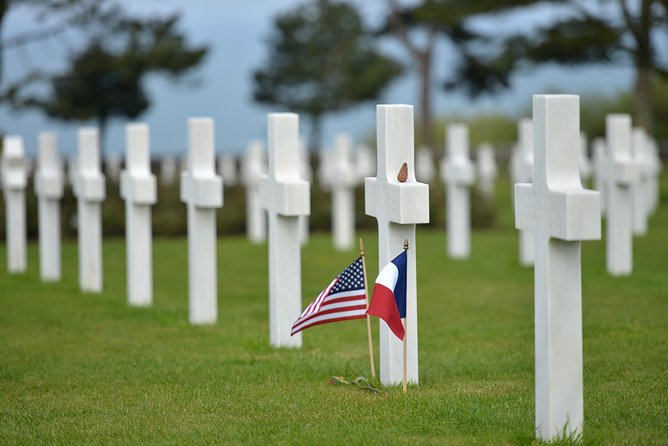
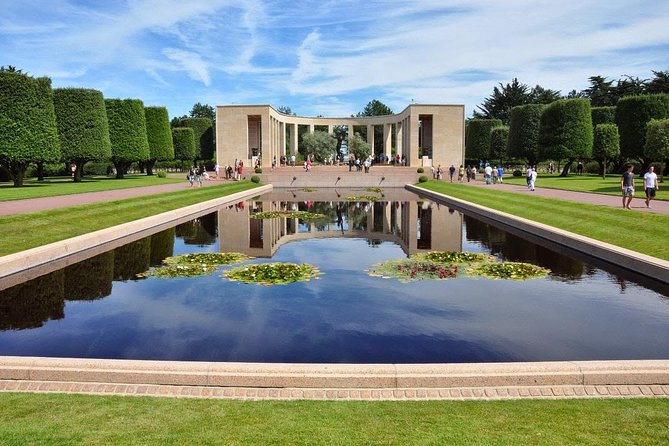
Next comes the American Cemetery at Colleville-sur-Mer, and this stop has a different tone from the beaches. Your guide leads you into the cemetery and explains why it’s located here and how it came to be, along with stories of the men and women buried there.
After the guided part, you’ll get about 45 minutes of free time. This is the portion where you can slow down. You’re not rushing between viewpoints. You can walk at your own pace, look closely at the names, and let the setting do its work.
If you’re the type who likes to read and stand still for a few minutes at each marker, you’ll appreciate this stop. If you prefer constant movement, you might wish you had more time—but 45 minutes is usually enough to get the emotional weight without exhausting you.
Pointe du Hoc: Rangers, fortifications, and the “why it mattered” explanation
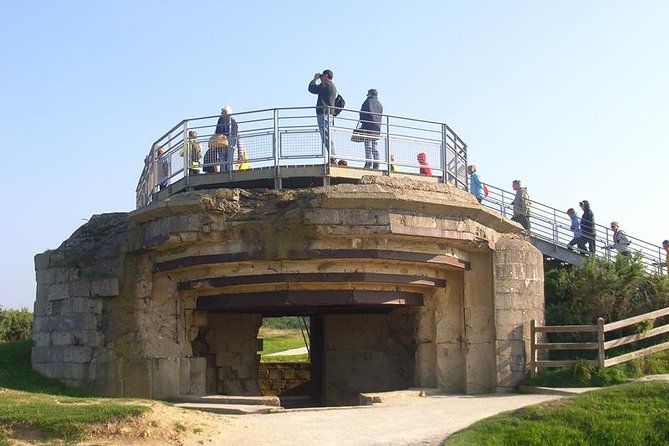
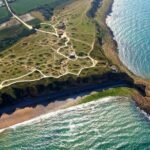
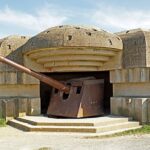
Pointe du Hoc is one of those places where the land looks rugged and the history is written into what’s left behind. The guide leads you around the site and explains the German fortifications that remain, then connects the dots to why American Rangers were assigned this objective.
You’ll hear how the Rangers succeeded in silencing a German long-range coastal battery. That’s the heart of the story here: not just that there was fighting, but that the outcome depended on what this position allowed.
You get about 1 hour at this stop, which is a good length. It’s long enough to walk the area with your guide, then keep moving afterward without feeling like the group has already moved on.
Practical tip: bring layers. Even on days when the sky is bright, Pointe du Hoc can feel exposed.


Sainte-Mère-Église: 82nd Airborne context plus the Airborne Museum entrance
Sainte-Mère-Église is where the airborne operation becomes more than a name. Your guide explains the importance of the 82nd Airborne operation on D-Day, and you’ll spend about 1 hour 30 minutes total at the town.
Inside that time, you’ll get about 1 hour free time for lunch, and lunch itself is not included. You can use more of the free window if you want to. If you like museums, it’s often worth shifting more time toward the Airborne Museum so you can see it at a comfortable pace.
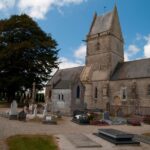
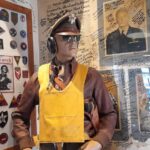
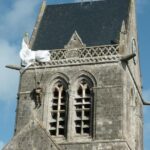
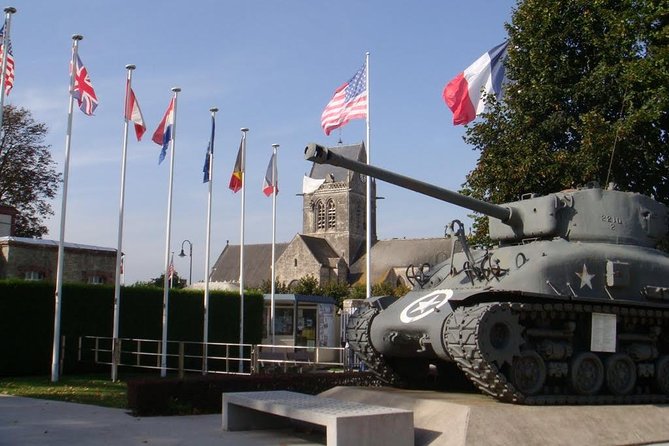
At the center of Sainte-Mère-Église is the church connected to John Steele, famously shown hanging from the bell tower by his parachute. Then the Airborne Museum helps you stitch the day together—from invasion preparations in England to the battles that followed in Normandy.
One detail I really like: the museum uses sound and light effects and includes boardable experiences like a glider and a C-47 aircraft. That gives you something physical to connect the story to, which can make the history easier to remember later.
Your museum time also benefits from hyperrealistic museography, including accompanying soldiers of the 82nd and 101st Airborne Division in the decisive battles of the Normandy landings. It’s not just a room of plaques—it’s set up to help you follow what happened and why.
Utah Beach: another landing story with time for monuments
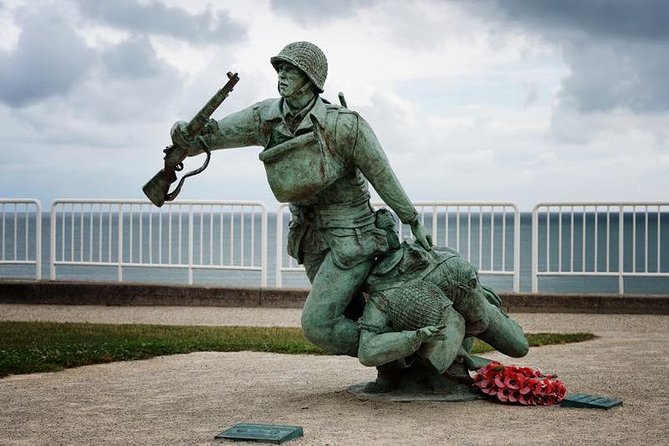
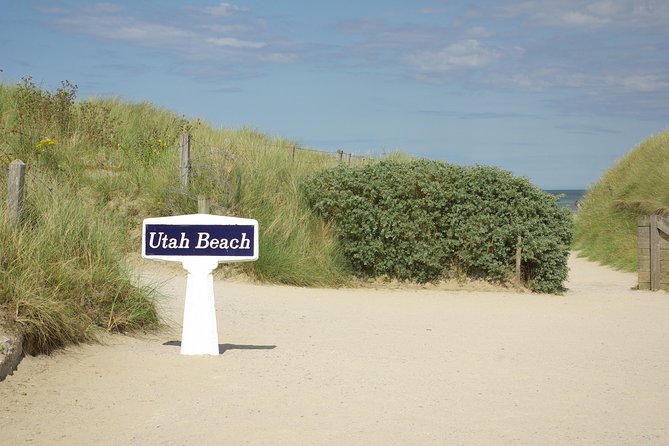
Utah Beach rounds out the American landing narrative with the 4th Infantry Division. Your guide gives you a detailed account of what happened here, and then you get about 50 minutes for free time to explore the monuments around the site.
Utah Beach is often quieter than Omaha, and that can be a good thing. You can slow down and compare what you’re seeing with the story your guide just gave you. It also gives your feet a break from the shortest, sand-focused walking you had earlier.
If you’re a photo person, use this last big beach window wisely. If you’re more reflective, this is a strong time to just stand and look without chasing every viewpoint.
Timing, pacing, and how to make the long day feel manageable
This tour runs about 8 hours 20 minutes. That’s a real chunk of a day, especially because you’ll have multiple guided segments and multiple “move, park, walk, regroup” rhythms.
The good news is that the tour is built around breaks:
- Omaha gives you a short walk window (about 15 minutes).
- The cemetery gives you a longer personal time (about 45 minutes).
- Pointe du Hoc is a full guided hour.
- Sainte-Mère-Église includes lunch time plus museum time.
- Utah gives you another guided overview plus about 50 minutes on your own.
What you should plan for:
- You’ll need snacks or lunch planning for Sainte-Mère-Église since lunch isn’t included.
- You may feel chilly or wet by the later beach stops if the weather turns.
Also, train tickets to and from Paris are not included. So treat this as a day trip you assemble around your own train timing. If you’re traveling from Paris that morning, I strongly recommend packing a basic breakfast for the ride, then planning your meal in Sainte-Mère-Église during your free time.
The Normandy weather reality: wind, rain, and clothing choices
Normandy beaches can be windy even when the rest of the day seems calm. On this route, you’ll be outside at Omaha and Pointe du Hoc and again at Utah, so weather isn’t a side issue—it’s part of the experience.
Bring weather gear that can handle gusts, not just a light umbrella. Waterproof layers and shoes that don’t lose grip on damp ground help a lot.
Even on a day that starts fine, you might end up soaked and cold. If that happens, the vehicle ride between sites becomes your recovery time.
Guides and the difference great storytelling makes
This tour’s quality often comes down to your guide, and the names you might see in the lineup are a big part of that. You could be with guides like Robin, Pierre-Alexandre, Roma, Pascal, Marina, Jordan, Mathieu, Camille, Brien, or Charles—each described as bringing the sites to life with clear explanations.
What I think matters most:
- The guide gives context before you walk.
- Then you get time to experience the place yourself.
- Some guides also use visual aids like photos and diagrams, which helps you picture scale and movement.
One of the best signs of a strong guide is how the day stays on schedule while still allowing genuine time to look around. A good guide keeps the story moving, but doesn’t shove you out the door every time you want to linger.
Price and value: is $179.66 fair for this day?
At $179.66 per person, this isn’t the cheapest way to see Normandy. But the value is in what’s bundled and how the day is structured.
Here’s what you’re paying for:
- Air-conditioned transport across multiple sites
- A professional guide for the key interpretation at each stop
- Airborne Museum entrance included
- Admission tickets for the listed stops are free within the tour plan
You’re also getting a limited group size (max 20), onboard Wi-Fi, and a mobile ticket. Those details matter when you’re doing a full day with multiple stops and you don’t want to fight logistics.
If you’re traveling without a car, this price starts to look more reasonable fast. You’d still need transportation in Normandy, guide-level interpretation, and time coordination between locations. This tour does that work for you in one shot.
The main trade-off is that time at each site is limited. You don’t get a slow, sit-all-day visit. You get a guided sweep plus short windows to absorb.
Should you book this Normandy American D-Day tour from Bayeux Station?
I’d book this if you want a structured, American-focused D-Day day without driving. It’s also a great choice if you enjoy history with a human storyline: beaches, cemetery, the mission at Pointe du Hoc, the airborne operation at Sainte-Mère-Église, and a final landing at Utah.
I’d hold off if you’re very sensitive to weather or you need long, unhurried museum time. The schedule is built for balance, not for lingering all day. And since lunch isn’t included, you’ll want to plan for eating during your free time.
If you’re ready to wear waterproof layers, bring solid walking shoes, and lean into the guided story, this is one of the more efficient ways to experience the American D-Day sites in a single day from Bayeux.
FAQ
How long is the Normandy American D-Day experience?
It runs about 8 hours 20 minutes.
Where do I meet for the tour?
You meet at Place de la Gare, Pl. de la Gare, 14400 Bayeux, France. The tour starts at 8:55 am and ends back at the meeting point.
What’s included in the price?
The price includes air-conditioned vehicle transport, a professional guide, and entrance to the Airborne Museum. The tour also lists admission tickets as free for the stops.
Is lunch included?
No. You’ll have time to eat during the Sainte-Mère-Église stop, but lunch is not included in the tour price.
Which stops are part of the day?
You’ll visit Omaha Beach, the U.S. Cemetery at Colleville-sur-Mer, Pointe du Hoc, Sainte-Mère-Église (including the Airborne Museum), and Utah Beach.
Is the tour in English?
Yes, it’s offered in English.
Are train tickets from Paris included?
No. Train tickets to and from Paris are not included.
Can I cancel for a full refund?
Yes. Free cancellation is offered, and you can cancel up to 24 hours in advance for a full refund. If you cancel less than 24 hours before the start time, the amount paid will not be refunded.