REVIEW · DIJON
DIJON: Enjoy a photo tour with a professional photographer
Book on GetYourGuide →Operated by tonystampfotoart · Bookable on GetYourGuide
Dijon’s old center gives you plenty to photograph, but the real value here is having Tony point out the details you might otherwise walk past. As a working photographer and postcard artist, he knows how to frame the city’s period buildings, streets, and cultural sights.
I like the small group of four, which leaves room for questions and a relaxed walking pace. I also like the follow-up information document, since you can concentrate on taking pictures instead of scribbling down names and facts. The main consideration is that this is a friendly photo walk, not an intensive camera course.
In This Review
- Key points
- Why Dijon Works So Well for a Photo Walk
- Meeting Tony at Porte Guillaume
- Walking Through the UNESCO Historic Center
- How the Two Hours Are Likely to Feel
- What You Photograph, and What You Do Not Visit
- Why the Follow-Up Document Matters
- Getting Value from the $70 Price
- The Right Camera and What to Pack
- Who Will Get the Most from This Experience
- What the Strongest Feedback Tells You
- Booking Details to Keep in Mind
- Should You Book Tony’s Dijon Photo Tour?
- FAQ
- How long does the Dijon photo tour last?
- Where does the tour meet?
- How will I recognize the guide?
- Is the tour suitable for beginners?
- What is included in the $70 price?
- What is not included?
Key points
- Tony’s local eye: Your guide is a professional photographer and artist who produces postcards for tourist offices and other regional outlets.
- UNESCO-listed setting: The walk takes place in Dijon’s historic center, recognized as a World Heritage site since 2015.
- Useful for all skill levels: Beginners receive practical guidance, while experienced photographers can use Tony’s suggestions to spot new angles and details.
- Small and personal: Groups are limited to four people, with larger groups possible only by prior arrangement.
- Information after the walk: Tony emails a document linking the various locations to the photographs you took there.
- Flexible timing: The advertised duration is two hours, with no extra charge if the walk runs longer.
Why Dijon Works So Well for a Photo Walk
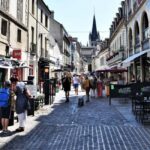
Dijon is not a city you need to rush through with a checklist. Its historic center is made up of streets and buildings that reward a slower look. Architectural details, old façades, and layers of local history give you plenty to notice even when you are standing in a familiar-looking square.
That makes a photo walk useful. You are not simply being taken from one sight to the next. Tony’s role is to help you see what deserves attention, then give you the freedom to make your own image. The tour description stresses imagination rather than a fixed set of technical rules, so you should expect prompts and ideas instead of a rigid photography lesson.
I would approach this as a way to get your bearings in central Dijon while building a personal visual record. You may take home a few polished photographs, but the bigger gain is learning which architectural features and viewpoints deserve another look later.
You can also read our reviews of more tours and experiences in Dijon.

Meeting Tony at Porte Guillaume
The tour begins at Porte Guillaume, Dijon’s William Gate, at Google reference 47.32336492621492, 5.034763803460934. This is a clear central meeting point, but you should still arrive with enough time to locate the gate and check that your phone is charged.
Tony is easy to identify. He wears a red Nationals baseball cap with a large W on the front. The guide is conducted in English, and the group size is limited to four participants. That small number matters here because photography takes time. One person may want help with a composition, another may be looking at a building detail, and a third may be waiting for a better angle.
The meeting point also sets the tone. You are starting at a historic gateway rather than a transport terminal or a distant attraction. From there, the experience focuses on the central city on foot, so wear comfortable shoes and clothing suited to the weather.
Walking Through the UNESCO Historic Center
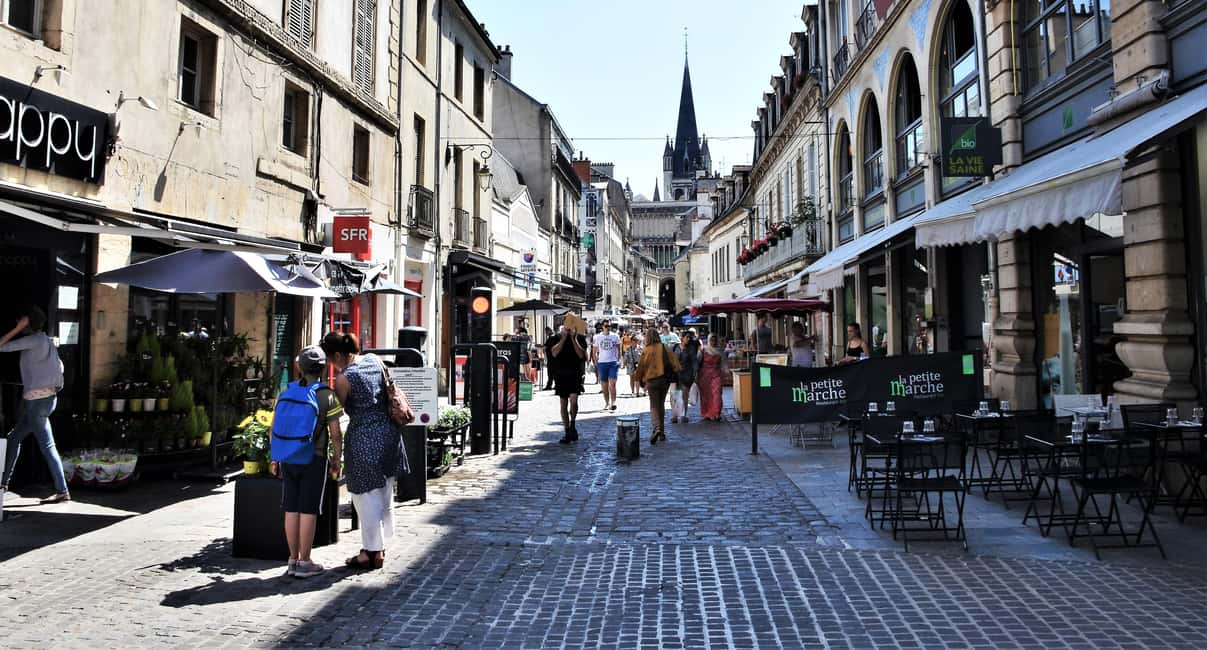
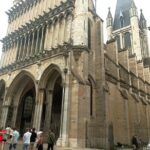
Dijon’s historic center has been a UNESCO World Heritage site since 2015. That designation gives useful context, but it is not the whole reason to bring a camera. The pleasure comes from looking closely at how the city’s older buildings fit together and how small details add character to a street scene.
Tony’s knowledge of the city’s architecture should help you connect what you see with the development of the region’s largest city. The tour information promises historical details about the buildings and locations, not just directions to attractive photo spots. That combination is helpful because a photograph becomes more meaningful when you know why a façade, gate, or street matters.
The exact stops are not fixed in the information provided, and that is worth noting. You are not being promised a named list of monuments or museum visits. Instead, Tony guides you to locations he considers worthwhile and encourages you to use each one as a starting point for your own composition.
You might photograph a broad view, a close architectural detail, or a pattern that would be easy to miss without a trained eye. The point is not to copy Tony’s postcard work. It is to understand how a professional notices the city.
How the Two Hours Are Likely to Feel
The walk lasts two hours, but the pace is intended to be casual rather than demanding. You will move through central Dijon while stopping to discuss locations, history, and possible photographs. Since the group is small, you should have time to ask about a scene before moving on.
The experience is described as fun and friendly, with no requirement that you have advanced technical skills. That makes it a good match if you use a smartphone or a simple camera and want some direction without being buried in camera jargon.
If you already photograph regularly, you may get more from the visual suggestions than from basic instruction. Tony can point out framing possibilities and details that you might not have considered. Still, do not book this expecting a formal workshop covering exposure, lenses, editing, or advanced camera technique. Those subjects are not promised.
The timing may also run beyond two hours without an additional charge. That is a welcome policy, since photography stops are not always easy to measure. You should still plan the rest of your day with some flexibility rather than scheduling a meal or train immediately after the stated finish time.
What You Photograph, and What You Do Not Visit
The experience centers on Dijon’s streets, historical buildings, and architectural details. Tony’s professional work producing and selling postcards in the region gives him a practical reason to think about what makes a scene work in an image.
That does not mean you will enter every building you see. Museum admission and entry to historical buildings are not included, and the activity is primarily an outdoor walking experience. If you want to visit a museum or explore an interior afterward, treat that as a separate plan.
This is also not a food tour. Food and drinks are not included, and there is no promise of a tasting stop. Dijon is part of Burgundy, so you may want to arrange a meal or local specialty on your own before or after the walk, but keep that separate from what you are paying for here.
Travel expenses are not included either. The tour begins at Porte Guillaume, and you are responsible for getting to the meeting point.


Why the Follow-Up Document Matters
One of the most useful touches is the information document Tony sends after the tour. It identifies the various locations visited and connects them with the photographs you took there.
That solves a common problem on guided walks. You may remember that a particular building looked striking, but forget its name or location by the time you return home. Because you do not need to stop and take notes during the walk, you can keep your attention on the street and the camera.
The document also gives your photographs a stronger connection to place. Instead of returning with a phone full of unnamed images, you can match your pictures to the city’s architecture and historical background. For a short two-hour activity, that follow-up adds lasting value.
Getting Value from the $70 Price
At $70 per person, this is not the cheapest way to walk around Dijon. You can explore the historic center without paying for a guide, and anyone with a camera can make photographs independently.
The price makes more sense if you value expert attention and a very small group. With no more than four participants, Tony can spend time discussing individual ideas rather than delivering a speech to a crowd. The fee also covers his photographic experience, historical explanations, location suggestions, and the follow-up document.
The possibility of an overrun without an extra charge improves the value, especially if the group stops often. You are paying for a focused two-hour experience, not for transport, meals, admissions, or equipment rental.
I would see it as worthwhile for a first visit to Dijon, particularly if you want a personal record of the city but are unsure where to begin. It is less compelling if your only goal is to reach as many famous sights as possible or if you already know central Dijon well and prefer to explore alone.
The Right Camera and What to Pack
You need to bring your own photographic equipment. That can be a dedicated camera, a smartphone, or whatever device you normally use, but the tour does not supply one.
A charged smartphone is specifically recommended, even if you plan to use a camera. You may need it for navigation, the meeting point, or contact with the guide. Bring drinks, sunscreen, a sun hat, and rain gear, since the activity takes place outdoors.
Comfortable shoes are important. The walk is described as casual, but you will still spend two hours on foot and may pause in several places. Wear weather-appropriate outdoor clothing rather than dressing only for photographs.
A simple preparation checklist:
- Charge your phone and camera batteries.
- Clear enough storage for new photographs.
- Bring rain protection even if the forecast looks mild.
- Use a strap or small bag that leaves your hands free.
- Consider taking one camera you already know how to operate.
The last point matters more than having expensive equipment. Since this is not an advanced technical course, you will get the most from it if you can respond quickly when Tony points out a possible image.
Who Will Get the Most from This Experience
This tour suits adults and older teenagers who enjoy taking pictures and want historical context along the way. Children under 16 are not permitted, so families with younger children will need another activity.
It is especially well matched to:
- First-time visitors who want a gentle introduction to central Dijon.
- Smartphone photographers seeking better composition ideas.
- Amateur photographers who like architecture and street scenes.
- Couples who want shared photographs from their visit.
- Experienced photographers who appreciate local guidance rather than a standard sightseeing talk.
The experience also suits people who like conversation. Tony’s manner comes across as informal and friendly, and the small group encourages discussion. One participant specifically appreciated receiving advice about Dijon and the wider region, not just the central walk. That suggests you can ask for broader local suggestions, though the primary subject remains photography and the city’s architecture.
You may want to skip it if you prefer a private solo walk, a museum-focused tour, or a structured technical class. It is also not the best choice if you dislike stopping often or want a tightly timed itinerary with guaranteed entry to particular buildings.
What the Strongest Feedback Tells You
The highest praise centers on Tony himself. He is described as friendly, easy to talk with, and helpful to people visiting Dijon for the first time. That is important because a photo walk works best when you feel comfortable asking basic questions and suggesting your own ideas.
The feedback also points to useful local advice beyond the immediate route. If you have extra time in Burgundy, you can ask Tony about the wider area, although you should not expect that conversation to replace a separate regional tour.
The experience received an overall rating of 4.8 from four ratings. That is a strong result, but the sample is small, so I would treat it as encouraging rather than definitive. The comments consistently support the same qualities: a pleasant guide, useful city information, and a good introduction for first-time visitors.
Booking Details to Keep in Mind
The tour is offered in English and operates as a small group. Larger groups may be accommodated by arrangement, but the standard format is limited to four people. If the intimate setup is a major reason you want this experience, confirm the arrangement before booking a larger party.
You can cancel up to 24 hours in advance for a full refund. The reserve-now, pay-later option also lets you hold a place without paying at the time of booking, which is useful when your Burgundy plans are still changing.
The activity lasts two hours, though it can run longer at no additional charge. Check the available starting times before booking, and leave some room in your schedule after the walk.
Should You Book Tony’s Dijon Photo Tour?
Book it if you want more than a quick look at Dijon’s old center. Tony offers a personal, low-pressure way to notice the city’s architecture, learn why certain locations matter, and return home with photographs tied to real places.
The strongest case is for first-time visitors, couples, and casual photographers who want guidance without a demanding class. The small group, English-language format, and follow-up location document add real value to the $70 price.
Skip it if you want museum entry, food, transport, supplied equipment, or a detailed technical photography workshop. If those are not concerns, this is a sensible way to spend two hours in Dijon, especially when you want your memories of the city to be more personal than a standard set of postcard views.
FAQ
How long does the Dijon photo tour last?
The tour is scheduled for two hours. It may run longer when needed, and there is no additional charge for an overrun.
Where does the tour meet?
The meeting point is Porte Guillaume, also known as William Gate. The listed Google reference is 47.32336492621492, 5.034763803460934.
How will I recognize the guide?
Your guide, Tony, wears a red Nationals baseball cap with a large W on the front.
Is the tour suitable for beginners?
Yes. The experience is designed to be friendly and does not require advanced technical photography skills. Beginners and experienced photographers can both receive guidance.
What is included in the $70 price?
The price includes Tony’s photographic guidance, historical information about Dijon, advice on creating memorable photographs, and the follow-up information document. There is no added fee if the walk takes longer than advertised.
What is not included?
You must bring your own photographic equipment. Food, drinks, travel expenses, museum admission, and entry to historical buildings are not included.