REVIEW · CARCASSONNE
Carcassonne: 1h30 Walking Tour of the Medieval City
Book on GetYourGuide →Operated by CARCASSONNE VISITE GUIDEE · Bookable on GetYourGuide
Waking up early in Carcassonne pays off fast. I love how this short tour lets you catch the medieval city waking up at a calm hour, then stitches the sites together into one clear story with a local guide like Nathalie.
Two things I really like: the crowd-light morning vibe and the way you get an orientation that makes everything you see later feel more meaningful, from the walls to the churches.
The only real drawback is physical. You’ll be walking on old stone streets for about 90 minutes, and it’s not set up for wheelchair users or people over 95.
In This Review
- Key Highlights You’ll Feel Right Away
- Why This Early Carcassonne Walk Works So Well
- Where the Tour Starts: Place du Prado and Dame Carcas
- Photo Stop to Medieval Viewpoints: Getting Your Bearings
- Crossing Toward the Narbonne Gate and Ramparts
- Panoramic Views to the Aude Valley: Why Fortifications Matter
- Inquisition Residence and the Medieval Bishopric: Power Under the Stones
- Basilica of Saint-Nazaire: A Site You’ll Notice More After the Walk
- Count’s Castle Exteriors: What You See vs. What You’ll Need Later
- Pace, Time, and Group Comfort in 90 Minutes
- Value and Pricing: Why $17 Feels Fair for What You Get
- What to Bring (So You Don’t Spend the Tour Thinking About Your Feet)
- So, Should You Book This Carcassonne Medieval City Tour?
- FAQ
- FAQ
- How long is the Carcassonne medieval city walking tour?
- Where do we meet for the tour?
- Is the tour offered in English?
- Is anything included besides the guide?
- Does the tour include access to museum entrances or the castle battlements?
- What should I bring, and is it wheelchair accessible?
Key Highlights You’ll Feel Right Away
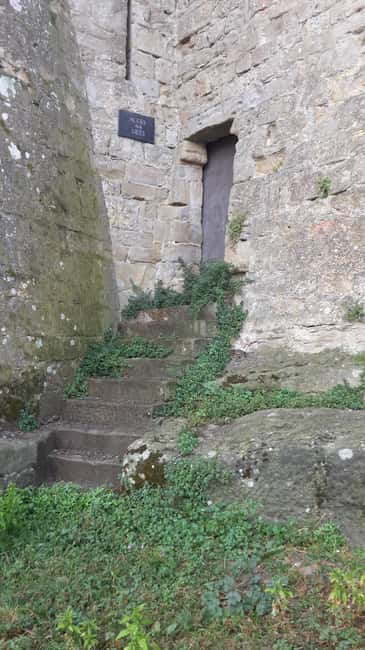
- Start early for golden morning light and noticeably fewer people on the same streets
- Narbonne Gate plus rampart viewpoints for that quick “I get it now” sense of how Carcassonne works
- Cathar Country context that makes the fortifications and power plays easier to understand
- Saint-Nazaire focus that gives the basilica area more meaning than a quick glance
- Practical pacing for a small, easy-to-follow stroll through the medieval layers
Why This Early Carcassonne Walk Works So Well
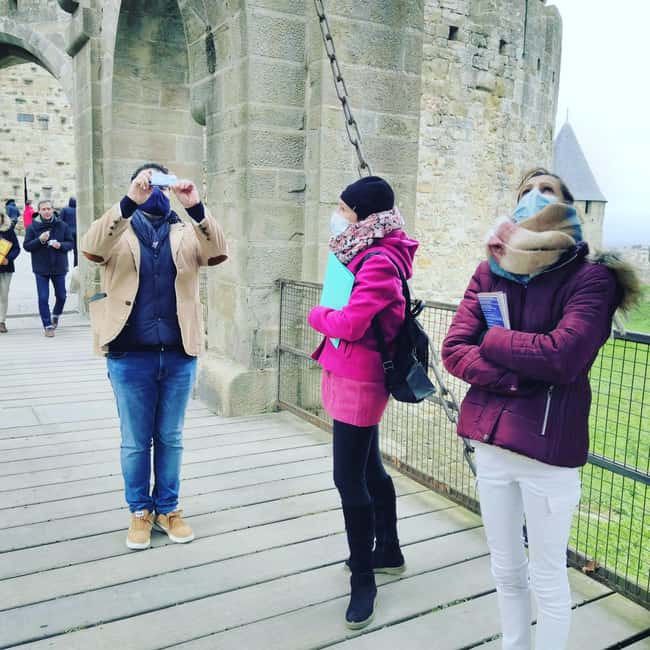
Carcassonne is famous, but that fame comes with crowds later in the day. This tour chooses the smart time: the cool morning hours when the fortress feels less like a photo stop and more like a real living place from another era. You’ll notice how quickly the atmosphere changes as the day warms up.
I also like that it’s not trying to cover everything. In about 90 minutes, you get the big structure: gates, walls, key religious buildings, and the power centers that shaped daily life inside the medieval city. When you leave, you’re not just tired—you’re oriented.
And yes, the light matters. Morning color makes stone look softer, and you’ll have a photo stop early enough to get your angles before the flow of day-trippers takes over.
You can also read our reviews of more walking tours in Carcassonne


Where the Tour Starts: Place du Prado and Dame Carcas
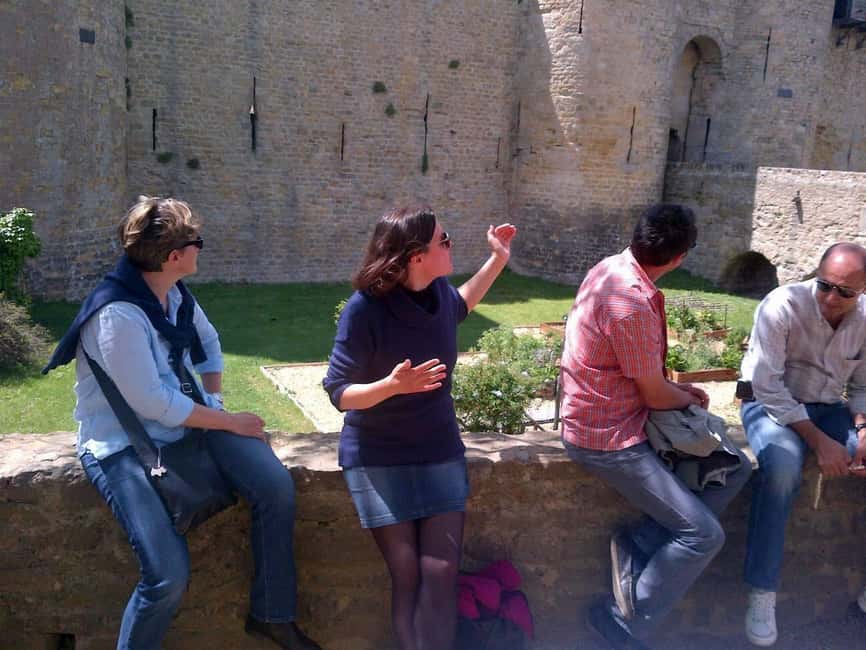
You meet in front of the bust of Dame Carcas. It’s a handy, memorable landmark, and it also signals you’re about to enter the medieval story rather than just “walk around town.”
From Place du Prado, you transition into the medieval core at a pace that feels comfortable. If you’ve ever done a sightseeing tour that rushes you from spot to spot, this one is built for people who want to actually look at details, not just collect stamps.
This start point is useful for one more reason: you’re close enough to quickly settle into the walk without a long preamble. You go straight from meeting into discovering.
Photo Stop to Medieval Viewpoints: Getting Your Bearings

Before you hit the gates and walls, you get a viewpoint photo stop. This is the kind of move that pays off later. You look out over what the city controls, and suddenly the medieval plan makes more sense.
The guide also explains the city’s inner logic as you walk—how different sections connect, why certain routes exist, and what the fortress walls were designed to do. It’s not a lecture where you zone out. It’s practical orientation, delivered while you can still see the angles.
You’ll find this especially helpful if Carcassonne is your first stop in the South of France. The region’s history can feel big and complicated on paper. On the ground, with a local guide, it becomes simpler.
Crossing Toward the Narbonne Gate and Ramparts
One of the best moments is reaching the draw bridge toward the Narbonne Gate and the ramparts. That single crossing adds drama without needing special effects. You’re walking through the same kinds of choke points medieval defenders cared about.
As you move along the ramparts, pay attention to what you can see and what you can’t. The walls are doing the work of defense and control, but the real clue is perspective: what routes are protected, and where attackers would have to slow down.
This is also where the tour’s “not on the beaten path” feel shows. You’re not stuck only at the most obvious postcard corners. Instead, you get a more defense-focused walk that explains why the city is built the way it is.
If you’re the type who likes understanding systems—how things are arranged to protect people—this part will click immediately.
Panoramic Views to the Aude Valley: Why Fortifications Matter
Along the way, you stop for panoramic views toward the Aude Valley. Even if you’ve seen photos of Carcassonne, these viewpoints make you think differently. The fortress isn’t just pretty stone. It’s a command point.
A guide can tell you “the views are important,” but walking there is how it lands. You get a feel for sightlines and elevation—exactly the things people in the Middle Ages would use for early warning and planning.
This section is also a good reminder of why an early start matters. If you wait until midday, you can end up fighting the heat instead of enjoying the scenery. In the morning, you can actually stand still for a moment and take it in.
You can also read our reviews of more city tours in Carcassonne




Inquisition Residence and the Medieval Bishopric: Power Under the Stones
Not all medieval history is sword-and-armor spectacle. Part of what makes Carcassonne fascinating is that it also reflects authority, religion, and power structures that shaped daily life.
During the walk, you’ll pass by the Inquisition’s residence and the medieval Bishopric. These stops help connect the dots between the city’s spiritual role and its enforcement role. It’s history with consequences, explained in a way that feels grounded rather than abstract.
If you like history that helps you interpret buildings as you see them, you’ll appreciate this. Instead of just learning dates, you start to understand motives and control—who had influence, and how it played out inside the walls.
Basilica of Saint-Nazaire: A Site You’ll Notice More After the Walk
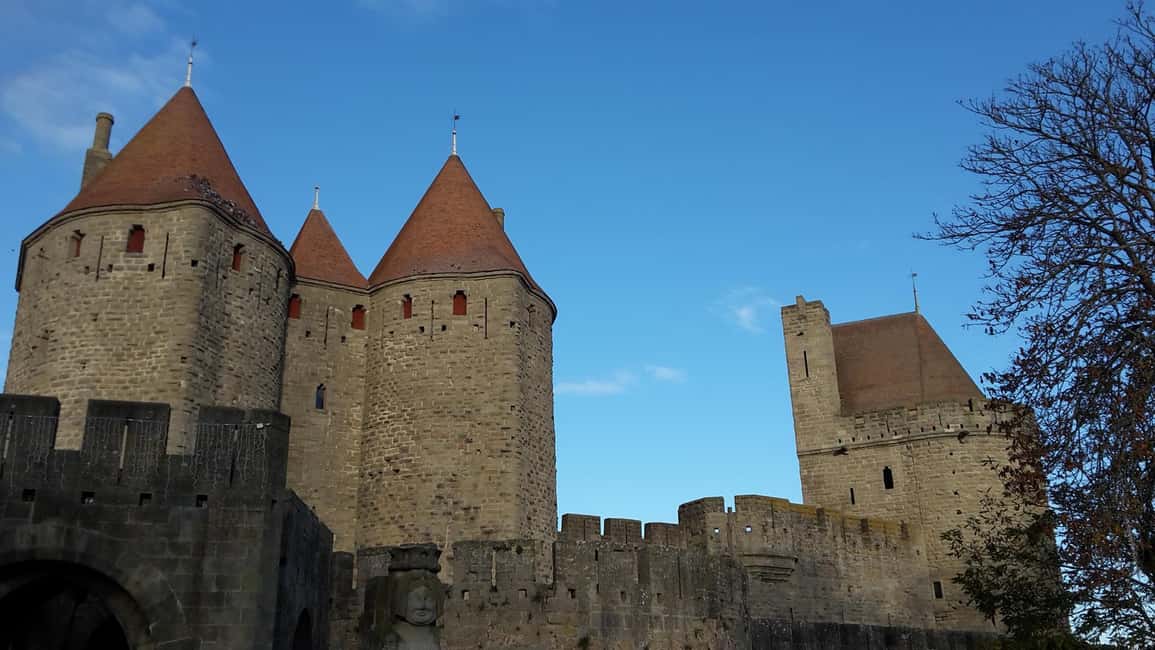
The tour leads you to the Basilica of Saint Nazaire. This is a natural moment to slow down. After moving around gates and fortification logic, the basilica shifts the mood toward devotion and long-term community life.
You’ll be able to appreciate the basilica area with better context. The guide’s explanations make it easier to recognize the significance of where you are—why this religious space sits in the heart of the medieval city.
One important practical note: if your timing lines up with a religious service (Sunday visits often do), you might find that access inside can be limited. It’s smart to keep flexibility in your expectations here and focus on what you can see from the areas available.
Count’s Castle Exteriors: What You See vs. What You’ll Need Later
Near the end, you’ll see the exteriors of the Count’s castle. This is a good “teaser” moment. You understand the presence of the castle in the city’s defensive story, and you get a sense of how it would have shaped movement and power inside the walls.
Do note what’s not included: the tour does not provide access to the battlements or the castle itself. That’s not a flaw—it’s a choice. This is an orientation walk, not a full castle ticket experience.
If you want the best value, you can treat this tour like the first chapter. Later, when you do the ramparts and castle areas, you’ll recognize what you’re looking at instead of wondering where everything fits.
Pace, Time, and Group Comfort in 90 Minutes
Ninety minutes is a sweet spot. It’s long enough to feel like you learned something real, but short enough that you’re not exhausted by the time the city gets busy.
The guide keeps a pace that works for a group without dragging. The best part is that it doesn’t feel like a rushed checklist. You stop at key points, get explanations, take photos, and then move on.
It’s also why this works for families and curious visitors. There’s enough structure to keep younger travelers interested, and enough context for adults who want meaning, not just monuments.
Value and Pricing: Why $17 Feels Fair for What You Get
At $17 per person for an English live, licensed guide, this is strong value—especially because you’re buying interpretation, not just walking. Carcassonne can be pricey once you start adding museum entrances and castle access. Here, your cost is mainly the guide and the guided route through the medieval core.
You also get a smart practical benefit: this tour helps you plan the rest of your day inside the city. When you know where the key gates, basilica area, and power sites are, you spend your future time better. You’re less likely to wander in circles.
Also worth appreciating: since it’s early, you’re paying for time well used. If you’re traveling in hot months, choosing the morning is not a luxury—it’s comfort.
What to Bring (So You Don’t Spend the Tour Thinking About Your Feet)
This walk is simple, but it demands comfort. Bring comfortable shoes—you’ll be moving on historic stone and narrow streets. A hat helps, and you’ll want drinks because 90 minutes can still feel long in warm weather.
Sunscreen is smart even in the morning, especially when you’re standing still at viewpoints. Wear comfortable clothes that don’t restrict movement, and think “walk first, photo second.”
If you’re sensitive to heat, this early timing is part of the reason the tour gets great results. Still, pack like you’ll be outside the whole time, because you will.
So, Should You Book This Carcassonne Medieval City Tour?
Book it if you want a confident start. This is perfect as your first encounter with Carcassonne’s medieval walls, gates, basilica area, and the logic of where power lived. You’ll leave with a mental map that makes later sightseeing easier and more satisfying.
Skip it only if you’re looking for full castle access and rampart entry. This tour does not include battlements or castle interiors, and it also doesn’t include museum entrances. In that case, you’d be better off pairing it with ticketed sites after the walk, rather than expecting everything in one go.
FAQ
FAQ
How long is the Carcassonne medieval city walking tour?
The tour lasts 90 minutes.
Where do we meet for the tour?
You meet in front of the bust of Dame Carcas.
Is the tour offered in English?
Yes. The live tour guide speaks English.
Is anything included besides the guide?
Yes. It includes a licensed guide and local specialist insight. Museum entrances, food, and beverages are not included.
Does the tour include access to museum entrances or the castle battlements?
No. Entrances to museums are not included, and there is no access to the battlements or the Count’s castle.
What should I bring, and is it wheelchair accessible?
Bring comfortable shoes, a hat, drinks, sunscreen, and comfortable clothes. It is not suitable for wheelchair users, and it is not suitable for people over 95 years.