REVIEW · CARCASSONNE
Carcassonne During World War 2
Book on Viator →Operated by Carcassonne During World War 2 · Bookable on Viator
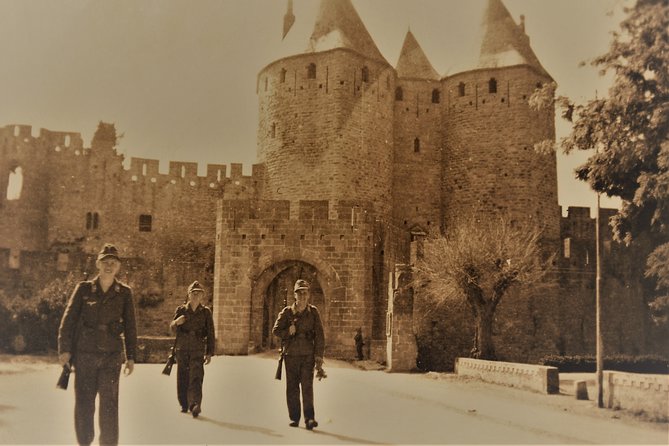
Carcassonne has a second wartime face. This walking tour lets you read the city through the lens of occupation and Resistance, with your guide using period black-and-white photos to make 1939 to 1945 feel real.
I especially like how it connects national events to street-level life, so you understand what people in Carcassonne actually faced.
You’ll also get a private feel to a focused subject: the tour is led in English by Paul, a WWII expert who ties the story to specific places in town. The pacing stays friendly too, with time to ask questions and absorb the darker material without turning it into a lecture.
One caution: Carcassonne’s old streets are narrow. On one day, the group was reported as large (23 people), which made it harder to hear and stand safely. Paul agreed it was too big and said he’ll look at setting a smaller limit (like 12) going forward, so I’d consider asking about group size if you’re sound-sensitive.
In This Review
- Key things to know before you go
- WWII in Carcassonne: what makes this tour different
- Your walk through 1939–1945: what you’ll cover
- The Fall of France and the split between occupied and non-occupied zones
- The invasion of the Free Zone
- Rationing and the pressure on daily life
- The Milice and systems of control
- S.T.O. and the impact on people’s lives
- Resistance vs. collaboration: the full spectrum
- Liberation and the aftermath
- The guide factor: Paul and the photo-driven storytelling
- Where you start and where you finish (and why that matters)
- Tour pacing and group size: the main practical consideration
- Value for the price: why $24.19 can make sense
- Who this tour suits best
- A quick checklist for a smooth morning walk
- Should you book Carcassonne During World War 2?
- FAQ
- FAQ
- How long is the Carcassonne During World War 2 tour?
- What time does the tour start?
- Is this tour offered in English?
- Is it a private tour?
- Where does the tour start and end?
- What themes will the guide cover during the walk?
- Does the tour include a ticket cost or admission fee?
- Do I need good weather for this tour?
- What is the cancellation policy?
Key things to know before you go
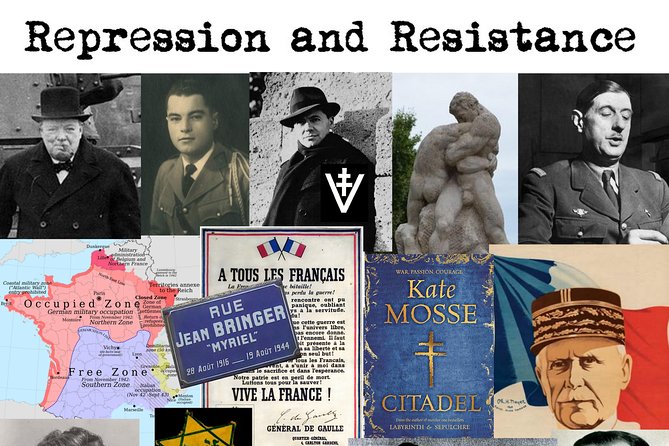
- WWII, told through Carcassonne’s exact streets (1939–1945), not just vague background
- Paul’s archive photos in black and white help you picture what the town looked like during the war
- Occupation meets resistance: rationing, collaboration, the Milice, S.T.O., and liberation all get explained
- A city detour from the usual tourist loop toward areas like la Bastide (the lower town), not just the headline sights
- Thoughtful, sometimes somber storytelling balanced with moments of interaction and appropriate humor
- Good weather matters since it’s a walking tour
WWII in Carcassonne: what makes this tour different
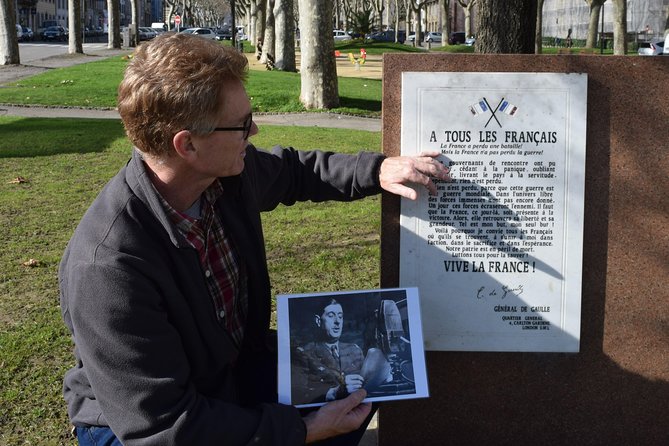
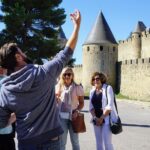
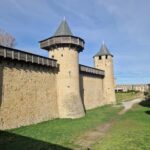
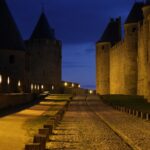
Carcassonne is famous for its medieval drama. This experience flips the script. Instead of treating the walls and towers like a museum backdrop, you walk through places tied to the war years and watch the story layer itself onto familiar streets.
The big win here is focus. The tour zeroes in on repression and resistance and then builds outward: you start with what happens to everyday life under occupation, and you gradually connect it to the wider picture of France, Vichy, and liberation. It’s not just a list of dates. You’ll hear how different choices were made inside the same town, often under pressure.
And then there’s the guide’s method. Paul brings in black-and-white wartime photos and uses them alongside local landmarks. It’s a simple tool, but it works. Photos are hard proof. They stop the war from feeling like a faraway TV plot.
You can also read our reviews of more tours and experiences in Carcassonne.

Your walk through 1939–1945: what you’ll cover
This is a guided walking tour that runs about 2 hours (about 2 hours 15 minutes is the approximate duration) and follows a timeline. You’ll cover key themes and you’ll move between town points with strong wartime links, so the story changes as the war changes.
Here’s how the tour content is framed:
The Fall of France and the split between occupied and non-occupied zones
You start with the shift that matters most: when France breaks into occupied and non-occupied areas. The tour explains what that means for a place like Carcassonne, where daily life changes fast.
If you only know WWII from the big battles, this part is useful. It shows how the war reaches ordinary routines long before liberation arrives.
The invasion of the Free Zone
Next comes the escalation: the invasion of the Free Zone. This is where many people’s understanding gets fuzzy because it’s easy to treat it as one more step in the map. In this tour, it’s treated as a lived reality—what changes for people when the boundaries shift again.
Rationing and the pressure on daily life
Then the story moves from politics to food and shortages. You’ll learn about rationing, which turns the occupation into something you can imagine: lines, scarcity, and constant calculation.
If you like history that has texture, this part is worth it. It gives you a practical sense of why “small” decisions mattered.
The Milice and systems of control
The Milice section focuses on enforcement and pressure. It helps you understand how repression wasn’t only about armies and uniforms; it was also about local institutions and mechanisms that shaped behavior.
S.T.O. and the impact on people’s lives
You’ll also hear about S.T.O. (forced labor). This is one of those topics that lands emotionally because it’s personal. The tour uses the Carcassonne context to keep it grounded rather than abstract.
Resistance vs. collaboration: the full spectrum
One of the most talked-about parts is the tour’s idea of a spectrum, not a simple good-guys/bad-guys story. You’ll cover the spectrum of resistance and the spectrum of collaboration.
That’s important. Real life isn’t clean. Under pressure, choices can be messy—sometimes driven by survival, sometimes by conviction.
Liberation and the aftermath
Finally, the tour reaches the liberation and then moves into what happened right after: post-war purges. That closing arc is crucial because it shows that “the war ending” wasn’t a neat curtain drop. The community had to process what it went through, and that has consequences.
The guide factor: Paul and the photo-driven storytelling
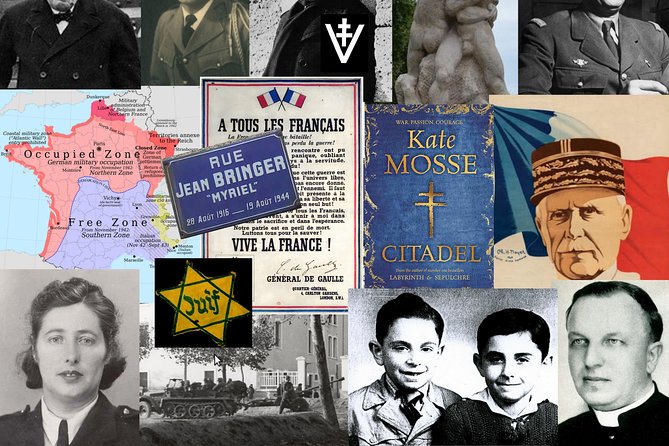
The tour’s strongest ingredient is the delivery. Multiple participants singled out Paul’s preparation and his ability to make the story feel anchored to place.
What stands out from the feedback is how Paul uses evidence in a way that stays human. The black-and-white photos aren’t decoration. They’re used to support the points made on the street. When Paul points at a landmark and then shows a period image, you start linking the building to a moment in time, not just to a style of architecture.
He also interacts with the group. People mention he involves the audience and keeps it lively without turning the subject into a comedy set. That balance matters here. WWII topics can easily become either too heavy (no breathing room) or too soft (no seriousness). The tour seems to land in the middle.
Also, Paul’s communication style gets praise for staying clear and well-paced. For a walking tour, that’s not a small thing. You need to understand what’s being said while moving through narrow streets, and that only works if the guide controls pace and volume.
Where you start and where you finish (and why that matters)
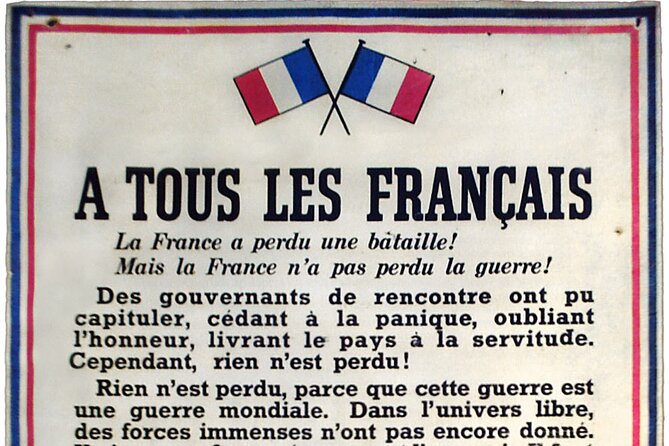
The tour starts at Brasserie a 4 Temps, 2 Bd Barbès, 11000 Carcassonne at 9:30 am. It ends at the memorial to the Resistance at Square Gambetta.
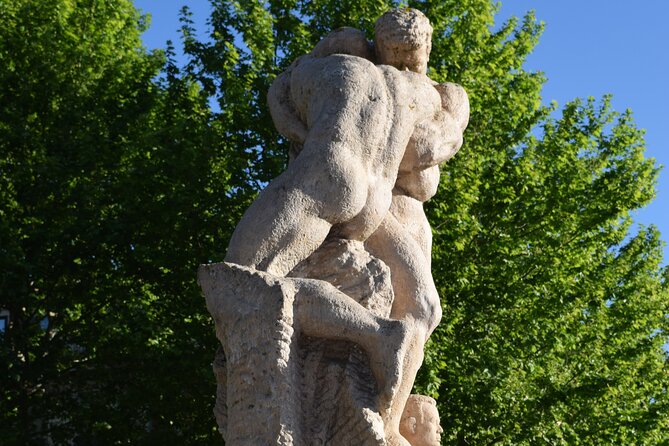
Finishing at a resistance memorial gives the experience a shape. You don’t wander off at random after a history talk; you end at a place built for remembrance. If you like your history with a “walk ends where meaning lives” feeling, you’ll appreciate that.
One more practical note: the start point is near public transportation. That helps if you’re mixing this with other Carcassonne plans, like wandering La Cité on your own afterward.
Tour pacing and group size: the main practical consideration
Carcassonne’s medieval town can feel like a maze—beautiful, but not forgiving. Narrow streets can squeeze people into corners where it’s hard to hear.
One report described a day with a group of 23, and the participant said it became difficult to hear and find a safe spot to stand. Paul responded directly, agreeing the group size was too large and that he would look at limiting the tour to around 12.
So here’s my practical advice: if you’re booking and you care a lot about sound and comfort, ask (or check) what group size you’ll be in. If you’re flexible and you don’t mind close quarters, the story-first format should still work well. If you want a more relaxed walk, aim for a smaller group slot.
Value for the price: why $24.19 can make sense
At $24.19 per person, this isn’t priced like a casual stroll with a light chat. You’re paying for a guided walking route with a specialized WWII focus and the use of archival photos and local context tied to Carcassonne.
What you’re getting for that price:
- A guided experience that runs about 2 hours 15 minutes
- An English-speaking guide with WWII expertise (Paul)
- A narrative arc that covers repression, resistance, and aftermath—plus local-to-national context
- No need to plan your own “research route” across Carcassonne’s sites
Could you read about this yourself? Sure. But the cost buys you structure, a timeline, and someone who can explain why the right moments connect. For history-heavy days, that kind of guided structure is often better value than you’d expect—especially in a compact place like Carcassonne where doing it “solo” can turn into lots of looking and not much understanding.
Who this tour suits best
This is a strong fit if you:
- Like history that focuses on real people and real choices, not only battle maps
- Want WWII context tailored to a specific French town
- Appreciate a guide who uses period visuals and clear explanations
- Enjoy walking tours that move at a conversational pace
It might feel like too much if you prefer lighter, purely architectural sightseeing. This one is built around occupation, collaboration, and the aftermath. It’s not graphic in the data provided, but it is inherently serious.
A quick checklist for a smooth morning walk
A few small tips based on how walking tours like this typically work in historic centers, plus what’s implied by the format here:
- Wear shoes you trust on uneven medieval streets.
- Bring a light layer. Morning weather can swing.
- If you’re sensitive to crowds or sound, consider asking about group size.
- Keep expectations realistic: it’s a walking tour, so you’ll be standing, moving, and listening more than sitting.
Should you book Carcassonne During World War 2?
If you’re going to Carcassonne for more than the famous walls, I’d say yes. This tour gives you a side of the city that most people miss: how the town lived through the war years, how people negotiated choices, and how the aftermath played out locally.
Book it if WWII history interests you and you’re okay with the tone being serious and reflective. It’s also a good pick for an “early Carcassonne plan,” since it starts at 9:30 am and ends at a meaningful memorial, so you can keep exploring afterward with a clearer head.
Skip (or at least rethink) it if you strongly dislike tight streets, crowded group walks, or heavy subject matter. The content is worth it, but comfort depends on group size.
FAQ
FAQ
How long is the Carcassonne During World War 2 tour?
It lasts about 2 hours 15 minutes (approx.), with the tour itself described as around 2 hours.
What time does the tour start?
The start time listed is 9:30 am.
Is this tour offered in English?
Yes, it is offered in English.
Is it a private tour?
Yes, it’s a private tour/activity, meaning only your group participates.
Where does the tour start and end?
It starts at Brasserie a 4 Temps, 2 Bd Barbès, 11000 Carcassonne, France, and ends at the memorial to the Resistance at Square Gambetta (16 Av. Arthur Mullot, 11000 Carcassonne).
What themes will the guide cover during the walk?
You’ll cover repression and resistance in Carcassonne between 1939 and 1945, including topics such as rationing, the Milice, S.T.O., resistance and collaboration, liberation, and post-war purges.
Does the tour include a ticket cost or admission fee?
The admission ticket is listed as free.
Do I need good weather for this tour?
Yes. The experience requires good weather. If it’s canceled due to poor weather, you’ll be offered a different date or a full refund.
What is the cancellation policy?
Free cancellation is available up to 24 hours in advance for a full refund. Canceling within 24 hours of the start time doesn’t receive a refund.