REVIEW · CARCASSONNE
Languedoc: Tour and Tasting at Domaine de Baronarques
Book on GetYourGuide →Operated by Domaine de Baronarques · Bookable on GetYourGuide
Winemaking here feels both old and practical. The Domaine de Baronarques tour mixes 17th-century roots with a behind-the-scenes look at fermentation and aging, ending in a three-wine tasting focused on Languedoc character.
I like the relaxed pace: you’re not rushed through pretty rooms, you’re led through the parts that actually make the wine. I also like the way the tasting ties back to what you just saw in the vat-house and barrel aging cellar, so the learning feels real instead of like trivia. One possible drawback is logistics: the estate is not a quick hop from Limoux, so you’ll need transport set up in advance.
In This Review
- Key takeaways before you go
- A 17th-century estate with Rothschild-era polish
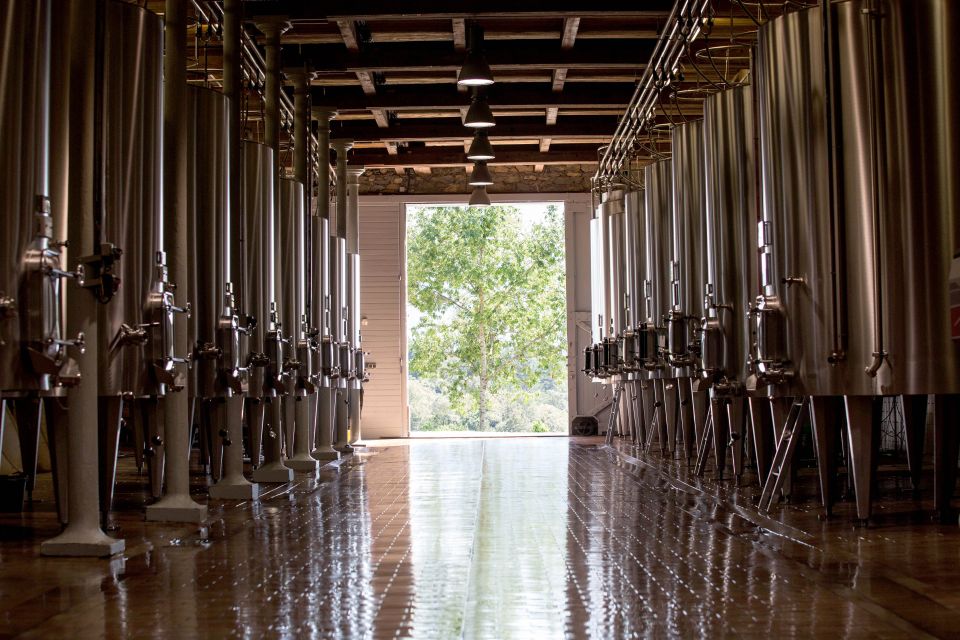
- Inside the vat-house and barrel aging cellar
- The Château and estate story you can actually use
- Three wines, one lesson about Languedoc terroir
- How the 1-hour format fits real travel days
- Price and value: what $24 buys you
- Getting to Limoux and what to plan around
- Who should book this tour (and who should skip it)
- Should you book the Domaine de Baronarques tour?
- FAQ
- How long is the Domaine de Baronarques tour and tasting?
- What wines are included in the tasting?
- Where do I meet for the tour?
- Is transportation from Limoux available at the last minute?
- What languages is the tour guide available in?
- Is the tour wheelchair accessible?
Key takeaways before you go
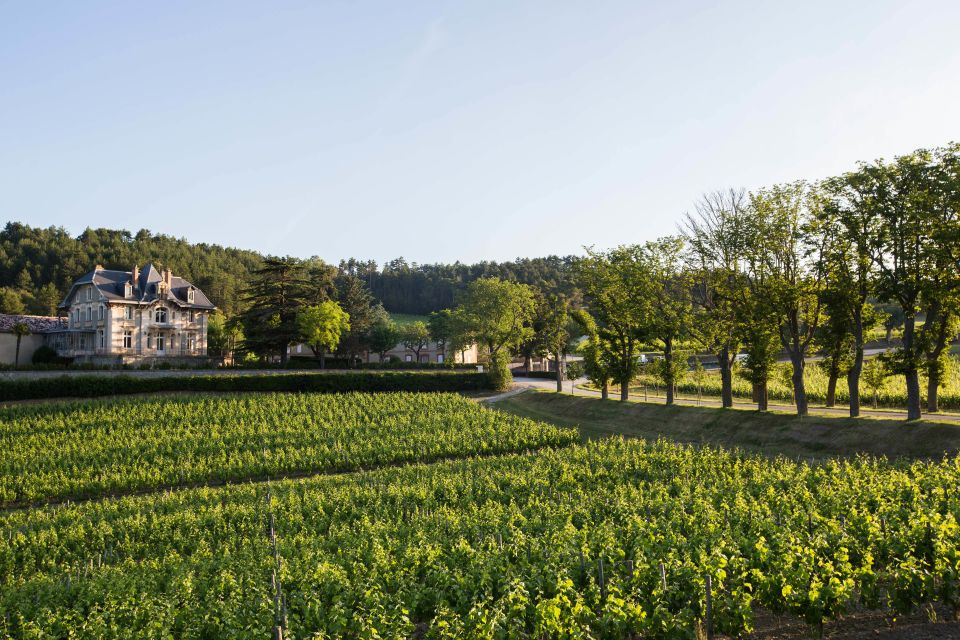
- Real production focus: you’ll tour the vat-house and barrel aging areas, not just the views.
- History with names attached: the story links the vineyard’s 17th-century past to later Rothschild-era ownership.
- A short tour that works: at about 1 hour, it’s easy to fit into a day trip.
- Three wines with clear purpose: the tasting highlights Grand Vin Rouge, La Capitalle de Baronarques, and Grand Vin Blanc.
- Guides bring the story to life: guides such as Flore and Jacky have been singled out for friendly, clear English-led explanations.
- Transport matters: getting between Limoux and the property takes planning, especially if you’re relying on taxis or pre-arranged rides.
A 17th-century estate with Rothschild-era polish
If your idea of a winery visit is walking through rows and taking a photo, this won’t replace that. But if you want something more useful—how a Languedoc estate thinks about time, craft, and taste—this tour hits a sweet spot.
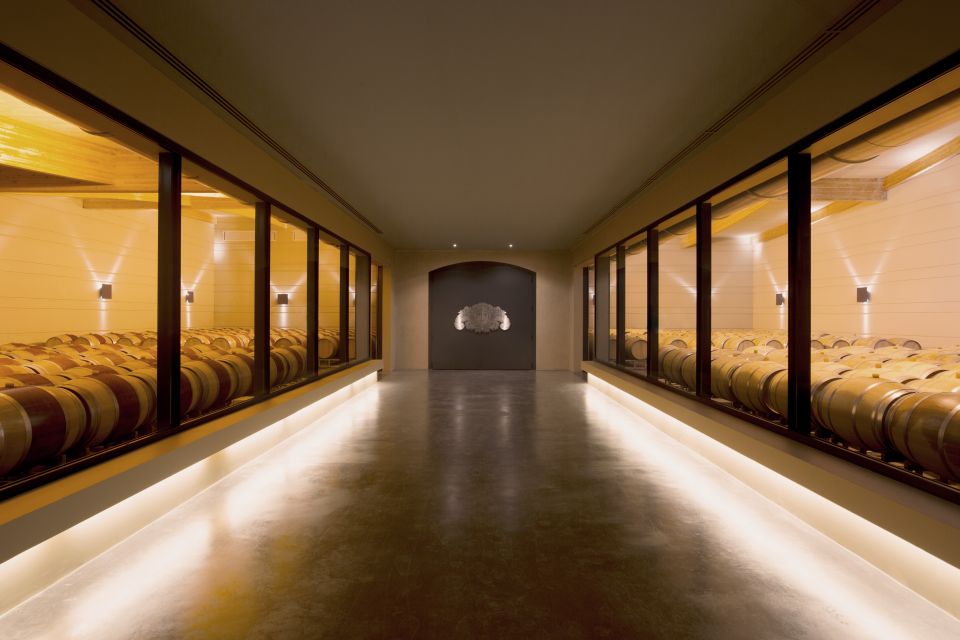
The vineyard at Domaine de Baronarques has been around since the 1600s. The land was once linked with the Abbey de Saint-Polycarpe, and later the estate became part of the Baroness Philippine de Rothschild story. In 1998, she and her two sons acquired the property, adding a modern stewardship chapter to a very old place. That matters because it explains why the visit doesn’t feel like a themed performance. You’re walking through an operation shaped by centuries, not just by current branding.
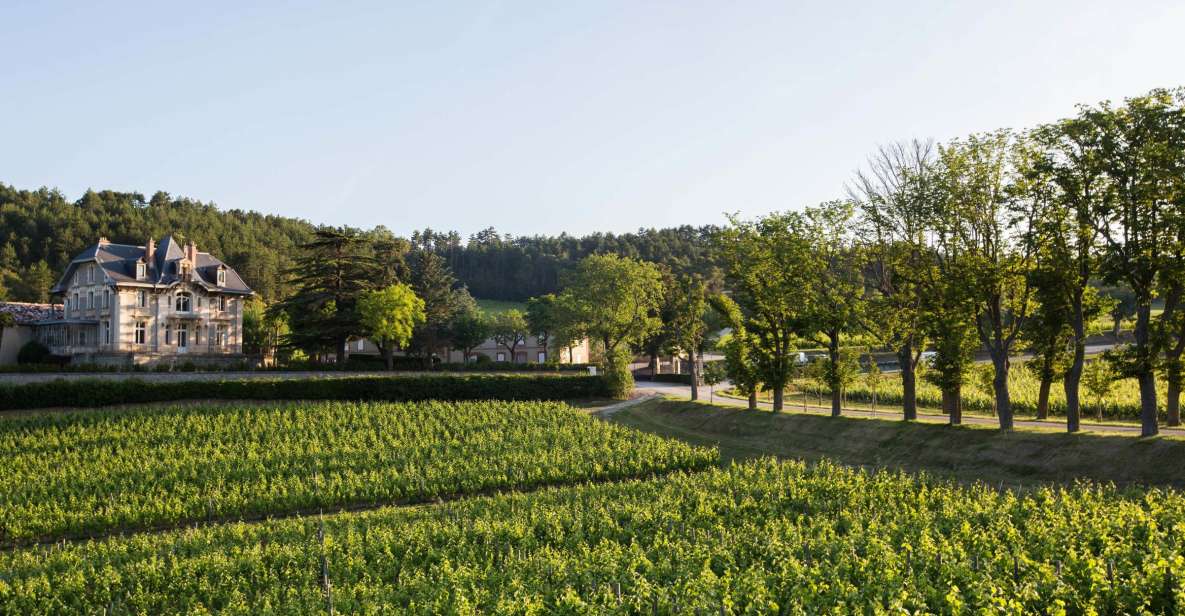
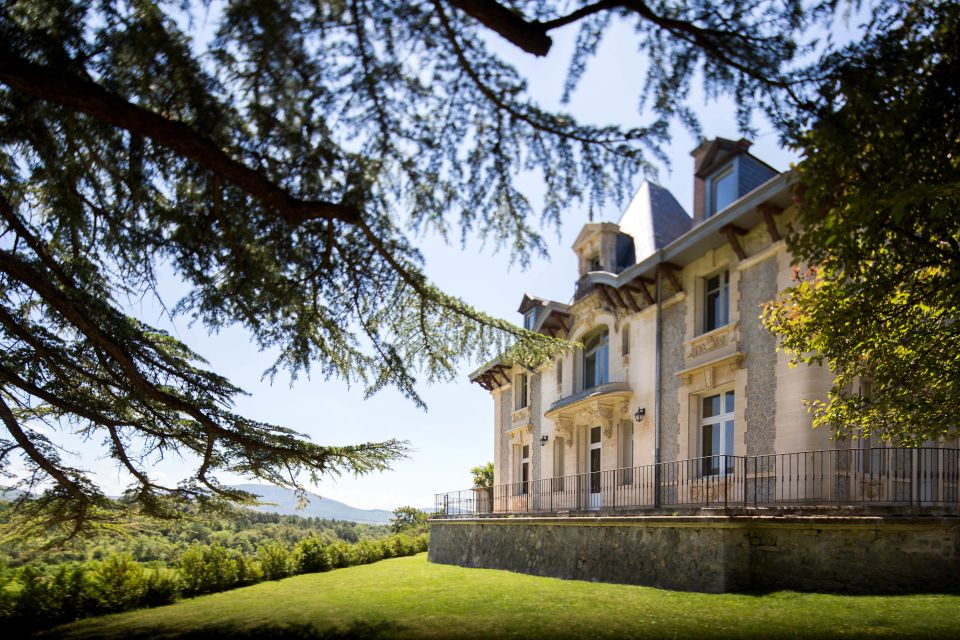
After arrival, the setting quickly gives you context. A 19th-century French Château sits into a tree-covered hill, and it acts like a visual anchor for the tour. You’re not stuck staring at a single building; you’re moving through spaces that show how the estate evolved—historic land, working cellars, and a tasting room where those choices become a glass.
You can also read our reviews of more food & drink experiences in Carcassonne

Inside the vat-house and barrel aging cellar
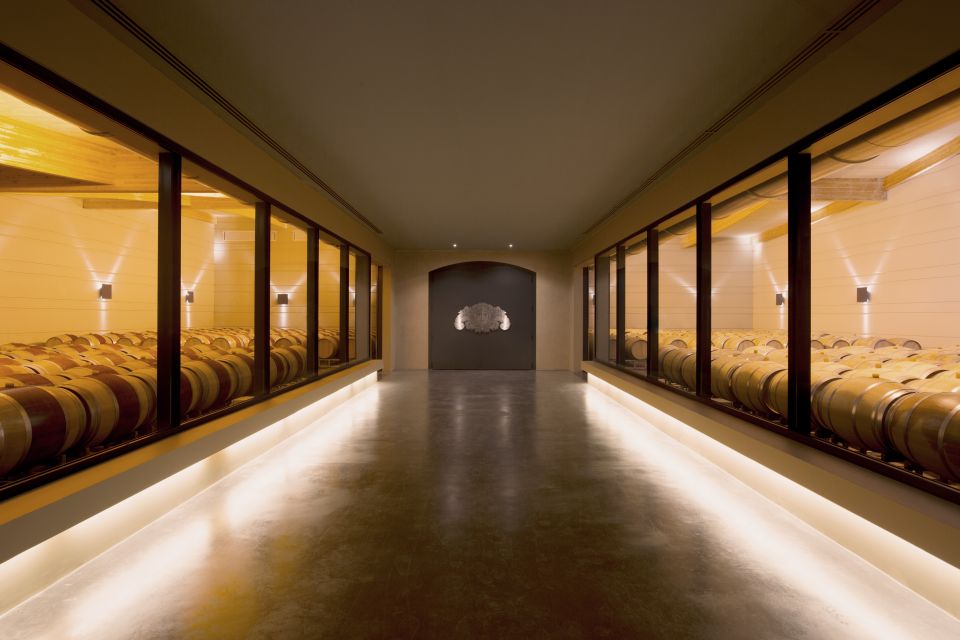
This is the part you’ll remember on your next wine shop stop. The tour is built around how wine actually moves from one stage to the next: fermentation in the vat-house, then aging in barrels.
In the vat-house, you get a first look at the kind of equipment wineries rely on to convert grape juice into wine. Even if you’re not a chemistry person, you can follow the logic: fermentation is where the transformation starts, and the controls you use here influence what happens later. The guide’s job is to translate that process into plain language, and many visitors specifically praise the way guides explain the steps clearly and in English when needed.
Then you shift into the barrel aging area. This is where the tone changes from active process to patient change. Barrels aren’t just storage. They help the wine develop character over time, and they can also influence texture and aroma. When the tour later leads into tasting, you’ll feel the connection immediately: you’re not trying to remember what you saw—you’re tasting it.
The cellar areas are also where the tour’s value becomes obvious. For about an hour, you’re getting access to the working side of the estate, including the “new barrel aging cellar” as part of what’s shown. That’s a big deal if you’ve ever done tastings at places that skip the technical portion. Here, you see the system that supports the wine, not just the final result.
The Château and estate story you can actually use
The Château isn’t just a backdrop. It frames the property’s identity and helps explain why visitors often describe the tour as both interesting and relaxed. The guide’s storytelling is tied to places: who held the estate, how it’s been managed over time, and what the estate produces today.
A useful point here is that this tour doesn’t treat history as a museum label. It connects history to production choices. The vineyard’s early ownership under the Abbey de Saint-Polycarpe gives you a sense of how long this land has been cared for. Then the Rothschild-era acquisition adds a later layer—new priorities, new scale, and ongoing investment in facilities like the barrel aging cellar.
You’ll also notice that the walk between stops is straightforward. Nothing feels like an obstacle course, which is a big plus on a hot day in southern France. You’re guided through the core areas, you get explanations at the right speed, and you end with wine as the payoff.
Three wines, one lesson about Languedoc terroir
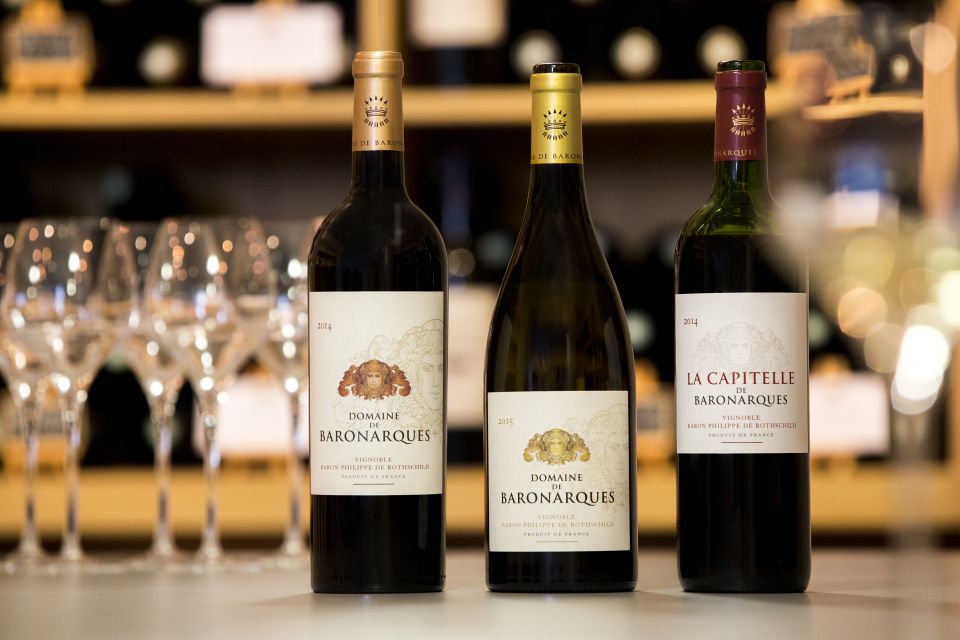
The tasting is the reason many people sign up, but it’s not just a free pour and a goodbye. The three wines are presented as a set meant to help you discover the terroir of Languedoc.
You’ll taste:
- Grand Vin Rouge
- La Capitalle de Baronarques
- Grand Vin Blanc
The smart thing about tasting three options is that you can compare structure, not just flavors. The red gives you one side of the estate’s expression; the white shows another. And La Capitalle de Baronarques sits in the middle of that experience as a named wine you can track as you learn what the estate wants you to notice.
What makes this valuable is the linking of stages. Since you’ve already seen how fermentation and aging work, you’re better equipped to understand why the wines taste the way they do. If you’ve ever tasted wine without any framework, this gives you one. You’re not memorizing a script—you’re connecting an observed process to a sensory result.
And the guide part matters. Names like Flore and Jacky come up in feedback because they’re described as friendly, passionate, and fluent enough to keep things clear in English. That’s huge for international visitors, especially if you want real meaning from the tasting, not just general descriptions.
How the 1-hour format fits real travel days
One hour sounds short—until you’re trying to make it work between trains, lunch plans, and the rest of your day. Here, the timing is actually a strength.
The tour is long enough to cover the key production spaces and still finish with a guided tasting that feels earned. It’s not a half-day excursion that derails your schedule. You can realistically plan it as:
- a calm start or stop during a broader Carcassonne or Limoux day,
- a good activity if you want something cultural but not exhausting,
- an add-on that gives you a clearer sense of the region’s wine without committing to a full wine-country day.
Reviews also point out that this works well when you want a family-friendly outing in terms of pace—just note it’s not suitable for children under 10. That keeps the experience aimed at adults and older kids who can follow a process-focused tour for about an hour.
If you’re short on time but you still want a wine experience with substance, this format is hard to beat.


Price and value: what $24 buys you
At $24 per person, this is positioned as approachable, especially for a visit that includes both a guided estate tour and a tasting of three wines.
The value angle here isn’t just the number. It’s what you get for the time:
- You tour the vat-house and barrel aging cellar (access is part of the price).
- You leave with guided explanations that help you understand what you taste.
- You finish with three named wines, which turns the visit into something you can compare later.
If you’ve ever paid wine-tasting prices at places where the tour is only a quick walk and the tasting feels like a transaction, you’ll appreciate the production focus here. You’re paying for the link between craft and result.
Also, it’s a budget-friendly way to learn about Languedoc terroir without signing up for expensive transport packages. That said, your total cost can shift depending on how you get there—more on that next.
Getting to Limoux and what to plan around
The meeting point is simple: you go to Limoux, then enter the property name in your GPS to reach the Domaine de Baronarques. The point is clear and easy to find if you’re driving.
The caution is transport from Limoux. The estate isn’t set up for last-minute public transport links. If you’re arriving by train or bus, plan how you’ll make the jump to the vineyard before you land in Limoux. If you’re coming from Carcassonne, expect that taxis can add up, and it may take some budgeting.
In practice, this is easiest if:
- you have a car,
- you already have a local driver arranged,
- or you’re comfortable with pre-planned ride scheduling.
This isn’t the kind of activity I’d treat as a spur-of-the-moment plan if you’re relying entirely on flexible transit.
Who should book this tour (and who should skip it)
This tour is best for you if you want:
- a short, structured winery visit with real production stops,
- wine tasting tied to what happens in the cellar,
- and a guide-led explanation in French or English.
It’s also a great match for people who want a calm break in the South of France that still feels meaningful. The repeated praise for the guides’ friendliness and clarity—especially names like Flore and Jacky—suggests the tour lands well even if you’re not a wine expert.
You might want to skip it if you’re traveling with young children. It’s not suitable for children under 10, and the tour is focused on process and tasting rather than kid-friendly distractions.
Should you book the Domaine de Baronarques tour?
Yes, I’d book it if you’re in the Limoux or Carcassonne orbit and you want a short, high-value wine experience. The best reason is the combination: vat-house + barrel aging cellar + tasting all in one guided loop, so you get context and not just wine.
Book it with one eye on logistics. If you can handle the Limoux-to-estate ride planning ahead of time, you’ll likely find the one-hour format satisfying rather than rushed. If getting there is the headache, then the tour’s value can shrink fast—because taxis and timing add costs you can’t ignore.
FAQ
How long is the Domaine de Baronarques tour and tasting?
The experience lasts 1 hour.
What wines are included in the tasting?
You’ll taste three wines: Grand Vin Rouge, La Capitalle de Baronarques, and Grand Vin Blanc.
Where do I meet for the tour?
Go to Limoux, then enter the Domaine de Baronarques name in your GPS to reach the property.
Is transportation from Limoux available at the last minute?
No. If you’re traveling to Limoux by train or bus, you need to organize transport from Limoux to the Domaine de Baronarques in advance.
What languages is the tour guide available in?
The tour guide offers French and English.
Is the tour wheelchair accessible?
Yes, it is wheelchair accessible.