REVIEW · MONTPELLIER
Montpellier Gourmet Food Tour
Book on Viator →Operated by Montpellier Wine Tours · Bookable on Viator
Food, wine, and medieval streets—easy to love. This Montpellier Gourmet Food Tour mixes a guided walk through the old center with 10 local specialties, so you get both stories and bites in one loop. It runs about 3 hours, is offered in English, and keeps groups small (max 12), which makes the pacing feel human.
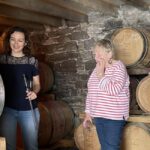
I especially like the guides and the way they build context while you eat. Names that come up include David, and also Gabriel with Leti assisting—people like them for the clear history and the time they give you. I also like the generous tastings, including standouts like cheeses, oysters, tielle sétoise, chocolate, eclairs, wine, and tapas.
The main thing to consider is the walking. Comfortable shoes matter, and if you show up too hungry (or too full), the tour can feel like a food marathon instead of a gentle stroll.
In This Review
- Key Highlights to Know Before You Go
- Meeting at Place de la Comédie: how the start sets you up
- The 3-hour tasting format: what you’ll do the whole time
- 10 Montpellier specialties: how the menu tasting feels in real life
- Learning the city as you walk: medieval streets with context
- Wine, sweets, and savory balance: keeping your appetite happy
- Price and value check for $114.28 per person
- Who this tour fits best (and who should skip it)
- Should you book the Montpellier Gourmet Food Tour?
- FAQ
- How long is the Montpellier Gourmet Food Tour?
- What time does the tour start, and where do I meet?
- Is the tour offered in English?
- How many people are in the group?
- What will I taste during the tour?
- Is there free cancellation?
Key Highlights to Know Before You Go

- Small group size (max 12) keeps questions answered and the walk from feeling rushed
- 10 local specialties means a real sampling menu, not just a couple of nibbles
- English guide makes it easier to understand the history behind what you’re tasting
- Meeting at Place de la Comédie puts you in the center of action from the start
- Savory + sweet + wine gives you variety across the whole 3-hour loop
- Bring comfy walking shoes—you’ll be on your feet for the full experience
Meeting at Place de la Comédie: how the start sets you up
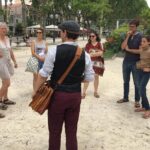
The tour begins at 7 Pl. de la Comédie, right at the Fountain of the Three Graces. If you’ve ever tried to find a tour meeting point in a historic city, you know why this matters: Place de la Comédie is straightforward, central, and easy to orient around. It’s also near public transportation, so you’re not forced into a complicated commute before you even taste anything.
Start time is 10:00 am, and the whole experience loops back to the meeting point at the end. I like this setup because you’re not hunting for your way out afterward. You can plan breakfast or a quick coffee beforehand, then focus on the walk and tastings without worrying about a second meetup.
The tour uses a mobile ticket, and you should receive confirmation at booking. That’s one less piece of paper to track—small win, big day-saving value. And since the group caps at 12 people, you can expect a more guided experience than the big-crew style food tours.
Finally, note the basic participation guidance: most travelers can participate. The catch is still the walking, so treat this as a city-walk adventure more than a sit-down meal. Wear shoes you’d wear for a casual half-day of exploring, and you’ll be fine.
You can also read our reviews of more food & drink experiences in Montpellier


The 3-hour tasting format: what you’ll do the whole time

This is a walking food tour through Montpellier, built around tastings along the way. The itinerary format is simple: you meet, you move through the city, and you taste 10 local specialties across the loop. Expect a steady rhythm—short walk segments, then food, then more walking.
At about 3 hours, the tour hits a sweet spot. It’s long enough to feel like you had an outing (not a quick snack stop), but short enough to fit into a day when you also want sightseeing. This timing matters in Montpellier because there’s plenty to do nearby, and you don’t want a tour to eat your entire schedule.
A key detail: there’s no “you pay entry fees at each stop” situation to manage. The itinerary lists admission as free, which usually means you’re not juggling extra admissions while your guide is steering the group. That’s helpful when you’re hungry and trying to enjoy the moment.
Also, with English offered and the group staying under a dozen people, the guide’s role is less about delivering facts at speed and more about making the history understandable. People repeatedly highlight the amount of information shared and the time guides give you. You’ll get culture with your food, which is what makes these tours more than just guided eating.
One practical tip comes up in the feedback: don’t go in overly full. If you do, you’ll struggle to enjoy the sweet and wine moments later. If you go too hungry, you might feel rushed—so aim for pleasantly ready, not empty or stuffed.
10 Montpellier specialties: how the menu tasting feels in real life

The biggest selling point here is the promise of 10 local specialties. In practice, that means variety—different textures, different flavors, and a mix of savory and sweet so you don’t get stuck in one flavor lane.
From the tastings mentioned, you can reasonably expect a spread that includes:
- Cheeses
- Oysters
- Tielle sétoise
- Chocolate
- Eclairs
- Wine
- Tapas
The nice thing about a menu like this is that it mirrors how Mediterranean food culture works: you’ll hit briny, creamy, hearty, and sweet notes across the walk. Oysters and cheeses set a savory foundation. Tielle sétoise (a regional specialty) adds something more specific and local, so you’re not only eating “generally French” items. Then chocolate and eclairs bring dessert into the picture before you start longing for your hotel bed.
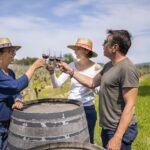
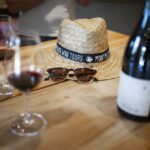
Wine is part of the mix too, and the feedback suggests it’s not just a token sip. Still, it’s smart to pace yourself. This is a walking tour, and the goal is to enjoy what you’re tasting, not turn the city into your personal slow-motion movie. If you drink, take your time during the tastings and keep an eye on your energy level for the next stretch.
Also, this tour gives you a chance to try foods you might otherwise skip. Not everyone orders oysters in a restaurant on a trip. But guided tastings reduce the pressure—you’re sampling, learning, and deciding what you actually want to return to later. That’s great value because it can shape your next meal plans in Montpellier.
One more detail worth noting: the tastings feel described as generous. That matters when you compare food tours. Some charge a similar price but deliver a smaller number of bites. Here, the number of specialties and the reported portion satisfaction are part of the experience strength.
Learning the city as you walk: medieval streets with context

Food tours often fail when they’re just eating stops with minimal sense of place. This one leans into the city itself. You’ll be walking through Montpellier’s charming medieval character, and the guides provide the history along the way.
What makes this work is the balance between story and bite timing. Guides like David, and teams like Gabriel with Leti as a trainee, come through as organized and friendly—people highlight both the competence and the kindness. That’s not fluff. When a guide is clear and relaxed, the group stays engaged instead of turning into people just waiting between courses.
I also like that you get historical context without turning it into a classroom. You’re not expected to memorize dates. Instead, you connect what you’re tasting to the city’s identity and traditions. It’s the sort of learning that sticks because it’s attached to sensory experience.
And since the tour ends back where you start, you keep your bearings. That matters in a city like Montpellier, where the center area can feel like a maze until you’ve walked it once with a plan.
The medieval streets element is also why shoe choice matters. Stone sidewalks and curving lanes can be a little rough if you’re wearing flimsy footwear. Bring something supportive, and you’ll enjoy the walk more than you’ll notice the effort.
Wine, sweets, and savory balance: keeping your appetite happy

This tour doesn’t stick to one simple pattern like bread-and-cheese or pastry-only. It moves through savory, then sweet, and includes wine as a thread through the experience. That variety is exactly why food tours are fun when they’re done well: you don’t feel stuck eating one thing for three hours.
The sweet stops—chocolate and eclairs are specifically mentioned—are a highlight for anyone with a dessert streak. But the real advantage is timing. By the time you reach sweet, you’ve already had savory experiences. That sequence makes dessert feel like a payoff, not a sugar overload.
Wine adds another layer. It can help you understand flavors better and makes the tasting experience feel like a proper regional food culture moment. Still, keep it practical. If you’re walking afterward (or you plan to explore a lot later that day), go slow and drink at a pace that keeps you comfortable.
Here’s the one behavioral rule I’d follow: don’t show up with a full stomach. The feedback specifically calls out the value of not eating too much beforehand. Think of it like a guided sampler menu—best enjoyed when you’re hungry enough to care, but not so hungry that you feel shaky.
If you want a smoother day, plan a light breakfast or an early coffee, then let the tour handle the heavy lifting. Afterward, you’ll likely want a calmer meal—maybe something simple—rather than trying to keep eating at full speed.





Price and value check for $114.28 per person

At $114.28 per person, you’re paying for three things: guided time, a structured tasting menu, and a walk through the historic center. Is it worth it? For the right kind of traveler, yes.
Start with the biggest value driver: 10 local specialties plus wine. That’s not a couple of small bites. It’s a true sampling lineup, and the feedback repeatedly points to generous tastings. In other words, you’re not paying high prices just to feel slightly snacky.
Next is the group size cap at 12 travelers. Smaller groups generally mean better attention and less chaotic pacing. You can ask questions, listen to explanations, and not feel like you’re getting herded. That matters because food tours are interactive—if it’s too crowded, you lose the point.
Finally, it’s about schedule efficiency. 3 hours is a compact window that gives you both a meal experience and a mini city orientation. If you’d otherwise spend that time piecing together restaurant plans and trying to guess what’s worth ordering, the tour can save energy—and often saves money too.
The only “watch your wallet” angle is that food tours aren’t always cost-effective for everyone. If you’re traveling with a picky eater, or if you already know exactly where you want to eat and what you want to order, a tour might feel less necessary. But if you want a curated starting point and a taste of Montpellier’s regional flavors, this price starts to make sense fast.
Who this tour fits best (and who should skip it)

This experience fits best if you like three things: walking, learning a city through food, and trying lots of bites without committing to a full meal at each stop.
It’s also a good option if you want help choosing. The menu includes items that you might not default to on your first day, like tielle sétoise and oysters. The guide context can help you order (or avoid) similar dishes later.
Choose this tour if:
- You enjoy savory and sweet variety
- You want a guided way to understand Montpellier’s local identity
- You prefer small groups and clear explanations
- You like tasting wine as part of the culture
You might skip it if:
- You hate walking and want fully sit-down food
- You’re not interested in tasting unfamiliar regional items
- You plan to eat a huge breakfast already (the tour works better when you come hungry-but-not-empty)
Also, if you’re sensitive to walking on uneven pavement, just plan accordingly. The guidance says most travelers can participate, but you’ll still be on your feet for the full 3 hours.
Should you book the Montpellier Gourmet Food Tour?

I’d book it if you want a first-day-friendly way to taste Montpellier and get your bearings fast. The best reasons are straightforward: 10 local specialties, a small-group feel, and guides who bring history without turning it into a lecture. The repeated praise for the guides (including David, plus Gabriel with Leti) points to a tour that actually connects the food to the city.
I wouldn’t book it if you’re expecting a light, casual stroll with a couple of bites. This is structured and it includes wine and sweets. Go in with comfy shoes, a sensible appetite, and a willingness to try things you might not order solo.
If that sounds like your kind of day—walk, taste, learn, and leave feeling like you ate your way through the city—this tour is a solid pick.
FAQ
How long is the Montpellier Gourmet Food Tour?
It runs for about 3 hours.
What time does the tour start, and where do I meet?
The start time is 10:00 am, and the meeting point is the Fountain of the Three Graces at 7 Pl. de la Comédie, 34000 Montpellier, France.
Is the tour offered in English?
Yes. The tour is offered in English.
How many people are in the group?
The tour has a maximum of 12 travelers.
What will I taste during the tour?
You’ll taste 10 local specialties along the way, including items such as cheeses, oysters, tielle sétoise, chocolate, eclairs, wine, and tapas.
Is there free cancellation?
Yes. You can cancel up to 24 hours in advance for a full refund.