REVIEW · MONTPELLIER
Montpellier: Express Walk with a Local in 60 minutes
Book on GetYourGuide →Operated by LocalBini AG (EU) · Bookable on GetYourGuide
Montpellier reveals itself quickly on foot, from the grand Fountain of the Three Graces to narrow medieval lanes and Montpellier Cathedral. I like the way this walk gives you the city’s main sights and local food advice in one compact outing. I also like the small groups, capped at eight, which make it easier to ask questions and adjust the pace.
The main catch is the clock. The advertised walk lasts about 60 minutes, although the booking information allows 1 to 2 hours depending on the selected start time. At $93 per person, that can feel steep for a short orientation, especially if your French or English tour arrangements are not confirmed clearly.
In This Review
- Key points at a glance
- Starting at the Fountain of the Three Graces
- Place de la Comédie and the city’s everyday rhythm
- Medieval streets and Montpellier’s old center
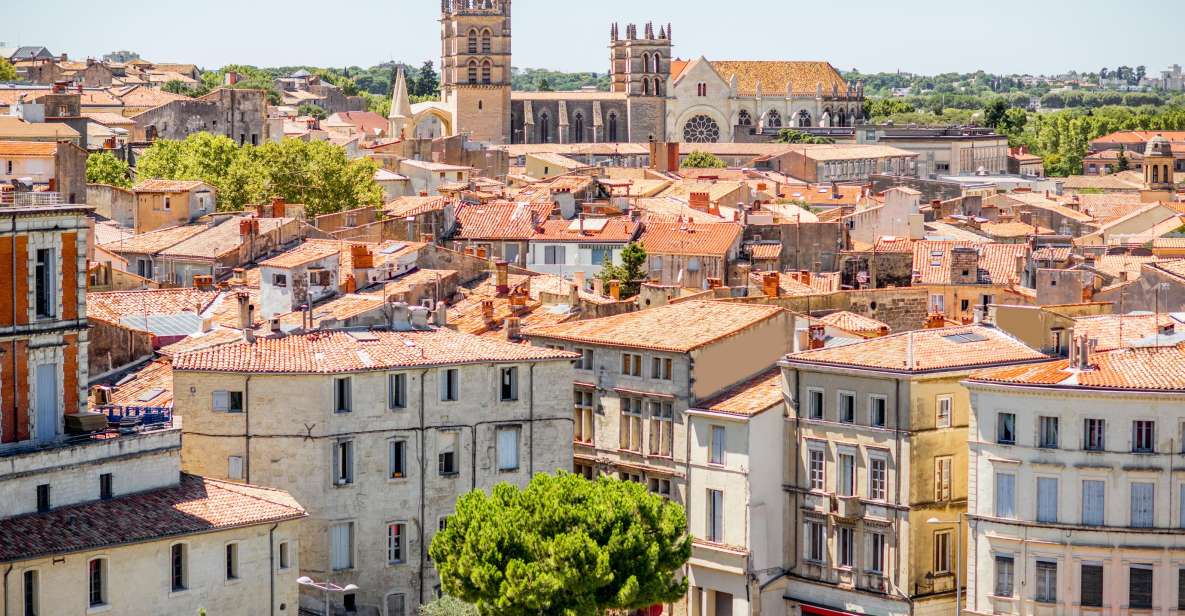
- Montpellier Cathedral as the final major landmark
- Food, cafes, and bars you can use after the walk
- Why the small group size matters
- Is $93 a fair price for an express walk?
- How to prepare for the 60-minute route
- Who will get the most from this Montpellier walk?
- Should you book this express Montpellier walk?
- FAQ
- Where does the Montpellier express walk begin?
- How long does the experience last?
- Which languages are available?
- What sights are included in the walk?
- How many people can join?
- Can the route change?
- Are museum and monument tickets included?
- What should I bring?
- Can I cancel or pay later?
Key points at a glance
- Start at the Fountain of the Three Graces: Meet in front of Montpellier’s famous fountain at Place de la Comédie.
- See the medieval center on foot: The route connects old streets and major sights without using transport.
- Finish near Montpellier Cathedral: You get an introduction to one of the city’s defining buildings.
- Ask for food and nightlife advice: Your local can point you toward cafes, restaurants, and lively bars.
- Keep the group small: Up to eight people allows for a more personal exchange.
- Expect a flexible route: Stops can change with the weather, your interests, and the group’s walking pace.
Starting at the Fountain of the Three Graces
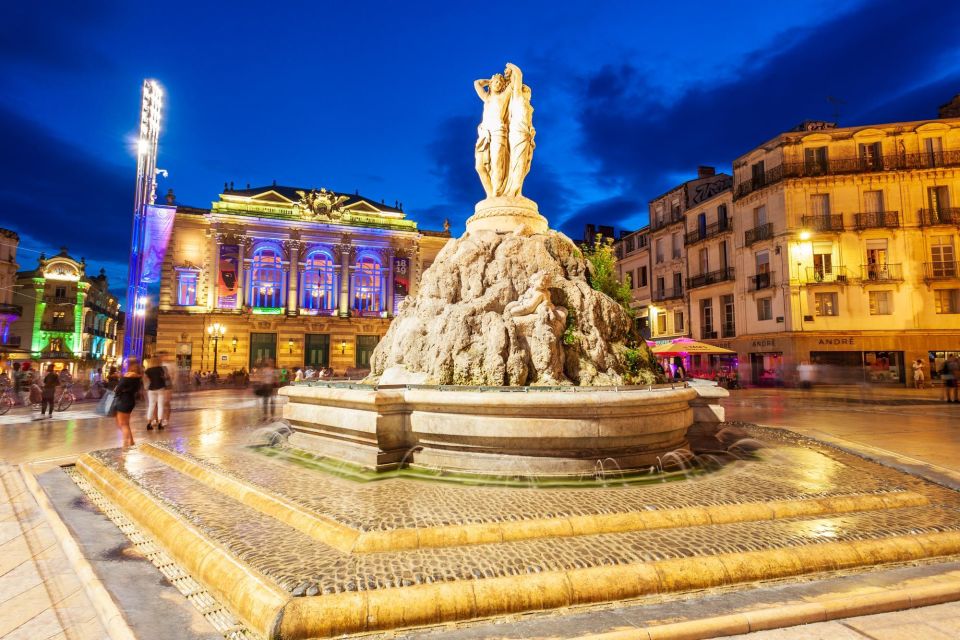
The meeting point is in front of the Fountain of the Three Graces, a useful place to begin because it puts you at the center of Montpellier’s city life. The fountain sits at Place de la Comédie, the large square often treated as the city’s main meeting point.
You should arrive ready to walk, not wait for a formal museum-style presentation. This is an orientation experience built around movement and conversation. Your local sets the tone, then leads you through the center while explaining what matters and where to go next.
The meeting point deserves a little care. One outing had a serious problem when the meeting location printed on the ticket did not match the actual place. The group lost 15 minutes from a one-hour walk. Check the final meeting details before setting off, and arrive early enough to find the fountain without rushing.
You can also read our reviews of more walking tours in Montpellier



Place de la Comédie and the city’s everyday rhythm
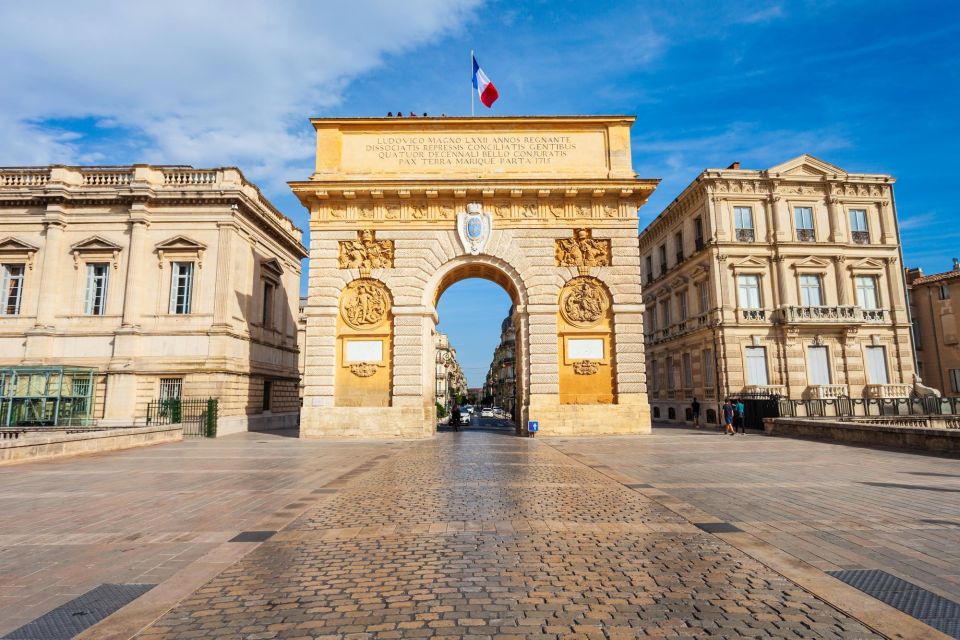
Starting at Place de la Comédie gives you an immediate sense of Montpellier’s scale. You are not beginning in an isolated corner, but in a central public square where streets, cafes, and daily routines meet.
Your guide uses the square as a reference point before moving into the older part of town. That is valuable if you have just arrived and are still trying to understand how Montpellier fits together. In a short time, you get a practical map in your head: where the central sights are, which streets lead into the old center, and where you might return later for a drink or meal.
Do not expect an extended architectural lecture here. The format favors key facts and useful direction over a long academic talk. That suits a visitor with limited time, but it may leave you wanting more if your main interest is art, architecture, or detailed local history.
The tour’s local angle is most useful when you ask direct questions. Ask where to eat after the walk, which bars have a relaxed atmosphere, or what part of the center is best for an evening stroll. The activity is designed to give you recommendations, so take advantage of the person in front of you rather than waiting for a prepared speech.
Medieval streets and Montpellier’s old center

From the square, the walk moves into Montpellier’s medieval streets. This is where the experience changes from a broad introduction to a close look at the city’s older character.
The narrow lanes are best appreciated slowly, but this is an express walk, so the pace may be brisk. You will see how the old center is arranged and get a sense of its historic charm without spending a full morning on every street. The route can adapt to your interests and walking speed, although the short time means your guide must make choices.
I like this part of the tour because a local can explain more than a street name or date. The useful details are often practical: which lanes are worth returning to, where the atmosphere changes, and how to connect the old center with the city’s cafes and evening spots.
The tradeoff is that the route may feel more like a sampler than a full visit. You will not have time to stop at every church, museum, monument, or shop. Entry tickets to museums and monuments are not included, and the walk does not promise interior visits. If you want to explore a particular building, treat the tour as a preview and return on your own.
Comfortable shoes matter. The activity specifically advises them, along with water and clothing suited to the weather. The route is on foot, and the experience is not suitable for people with mobility impairments. That is not a minor point: medieval streets can make a quick walk more tiring than the distance suggests.
Montpellier Cathedral as the final major landmark
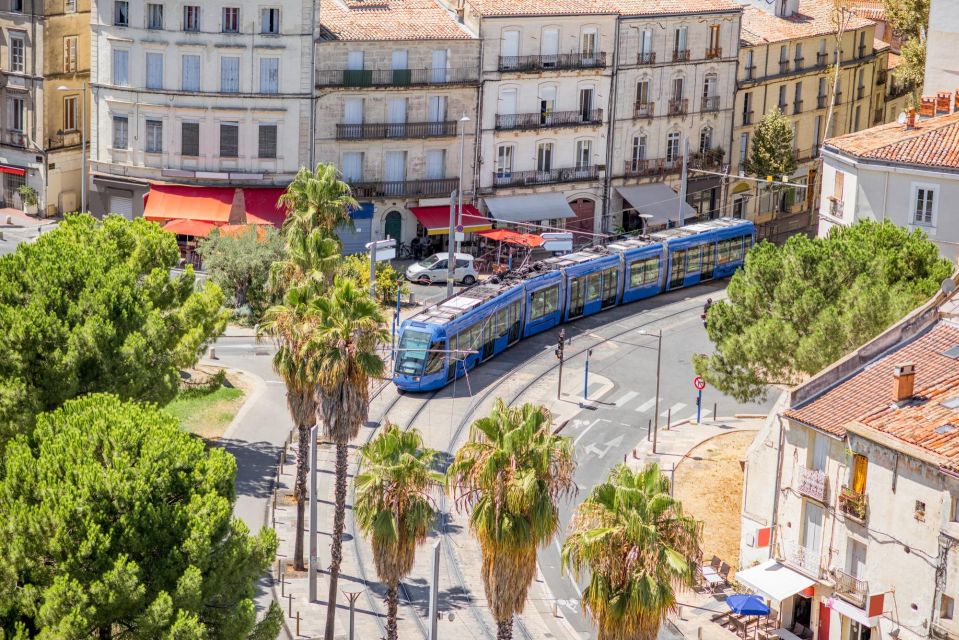
Montpellier Cathedral is one of the main sights included in the route. Reaching it gives the walk a clear sense of progress, from the central square through the older streets to one of the city’s key religious buildings.
The cathedral is a strong stop for a short orientation because it gives you a memorable target outside the busy center. You can place it on your mental map and use it as an anchor when exploring later.
The available details do not promise an extended interior tour or a ticketed visit. Think of the cathedral stop as part of the walking introduction, not a substitute for a dedicated cathedral visit. If you want more time for photographs, architecture, or quiet looking, you may need to return after the express walk.
Weather can change the route or the number of stops. That flexibility is sensible in Montpellier, but it also means you should not assume every departure will follow exactly the same sequence. The value is in the local explanation and orientation, not in a fixed checklist of buildings.
Food, cafes, and bars you can use after the walk
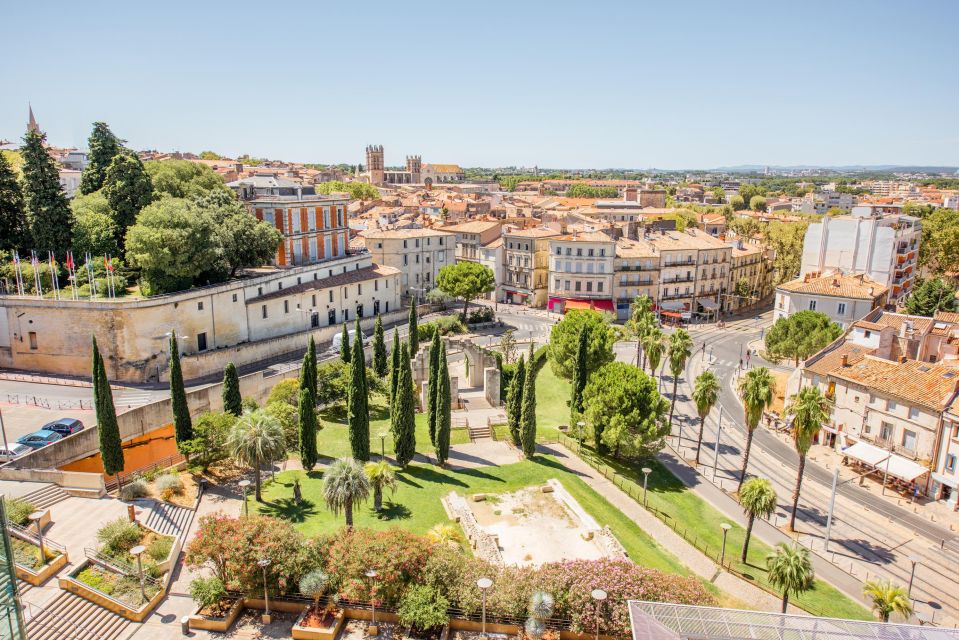
The best practical feature of this experience may be the advice you get for the rest of your stay. Your local is meant to point you toward local food, cafes, restaurants, and lively bars where you can relax in Montpellier style.
That advice matters because a short city visit can be eaten up by guesswork. Instead of spending your first evening scanning menus at random, you can ask for suggestions that match your budget, mood, or preferred pace. The activity includes personalised recommendations, so be specific about what you want.
One guide, Jordan, made a strong impression by knowing the streets, monuments, and churches and by introducing the group to friends at restaurants along the route. That detail gives you a sense of how personal this kind of walk can become. It does not mean every departure will include the same restaurant introductions, but it shows the benefit of having a local who is connected to the city’s daily scene.
Keep expectations sensible. The price does not include personal expenses, food, or drinks. You receive suggestions, not a meal or a bar crawl. If you want to follow the advice, budget separately for whatever you choose after the walk.






Why the small group size matters
The maximum group size is eight people. That is a useful limit for an activity based on conversation and local recommendations.
In a large group, a one-hour walk can turn into a follow-the-flag exercise. With eight or fewer people, you have a better chance to hear the guide, ask about a street you have just passed, and request advice for the rest of your visit. A private option is also available if you want the route to focus more closely on your own interests.
The group format is not completely fixed. The walk can adapt to the group’s interests and pace, and private or small-group departures are offered. Confirm the format when choosing your booking if personal attention matters to you.
Language needs special attention. The stated guide languages are English and French. On one departure, the booking was expected to be in French, but the guide spoke only English, and the group left after 25 minutes. That is a major failure for anyone relying on French, so check the language shown for your selected departure and raise any mismatch immediately.
Another departure with Jordan was adjusted to suit the visitors, with the guide speaking slowly so everything was easy to follow. That is the kind of flexibility you want, but it should not replace confirming the promised language before you go.
Is $93 a fair price for an express walk?
At $93 per person, this is not a cheap basic orientation. The price can make sense if you value a small group, a local’s personal advice, and a compact route that helps you use the rest of your time well.
The calculation changes if the walk lasts only an hour and the group is not truly personal. You are paying for access to a local perspective rather than for museum admission, transport, food, or a long guided visit. No entry tickets are included, and personal spending is extra.
I would see the price as easier to justify for a first afternoon in Montpellier, especially if you have only a short stay or want help choosing where to eat and drink. It is harder to justify if you already know the center, prefer to explore independently, or expect a detailed historical tour.
The experience has received a 4.5 rating from six recorded reviews, with praise for the guide’s local knowledge, clear explanations, and flexible approach. There is also a sharp warning about the wrong meeting point and language mismatch. With such a small number of ratings, I would focus less on the average number and more on making sure the practical details are correct for your booking.
How to prepare for the 60-minute route
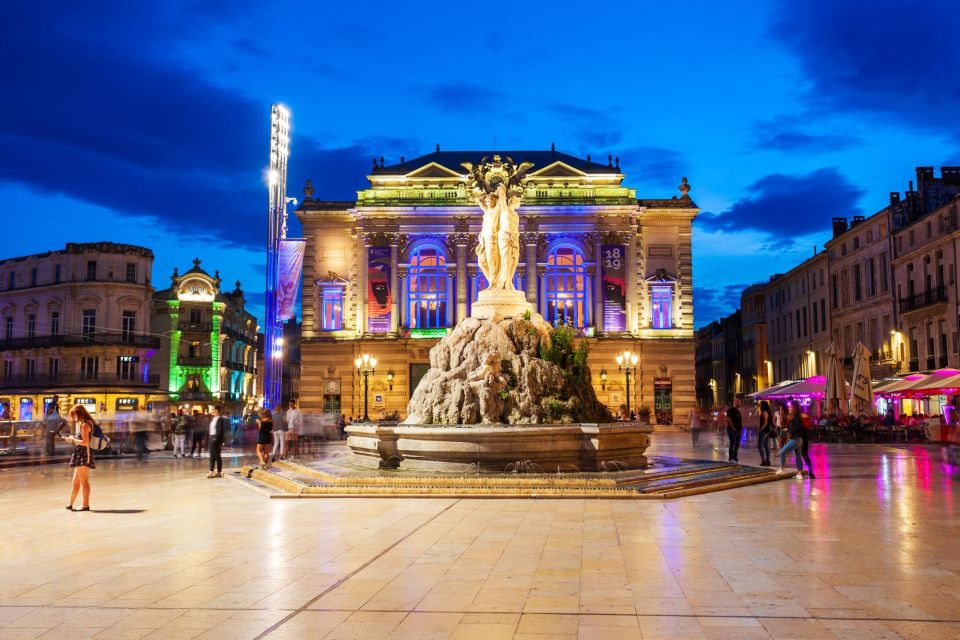
You should treat this as a brisk walking introduction, even though the booking information lists a duration range of 1 to 2 hours. Availability and start times vary, so check the selected departure rather than assuming every walk has the same length.
Bring:
- Comfortable walking shoes
- Water
- Weather-appropriate clothing
- A charged smartphone
The phone is useful for meeting-point details, contacting the provider if needed, and saving recommendations as you receive them. Montpellier’s older streets are much easier to enjoy when you are not distracted by sore feet or a dead battery.
There is no transport included, and the tour does not include tickets for transportation, museums, or monuments. Plan to walk from the Fountain of the Three Graces through the central and medieval areas. If the weather is poor, some stops may change.
The activity offers free cancellation up to 24 hours before the start for a full refund. You can also reserve now and pay later, which helps if your schedule is still shifting. Those terms are useful, but they do not solve the need to confirm the language and meeting point.
Who will get the most from this Montpellier walk?
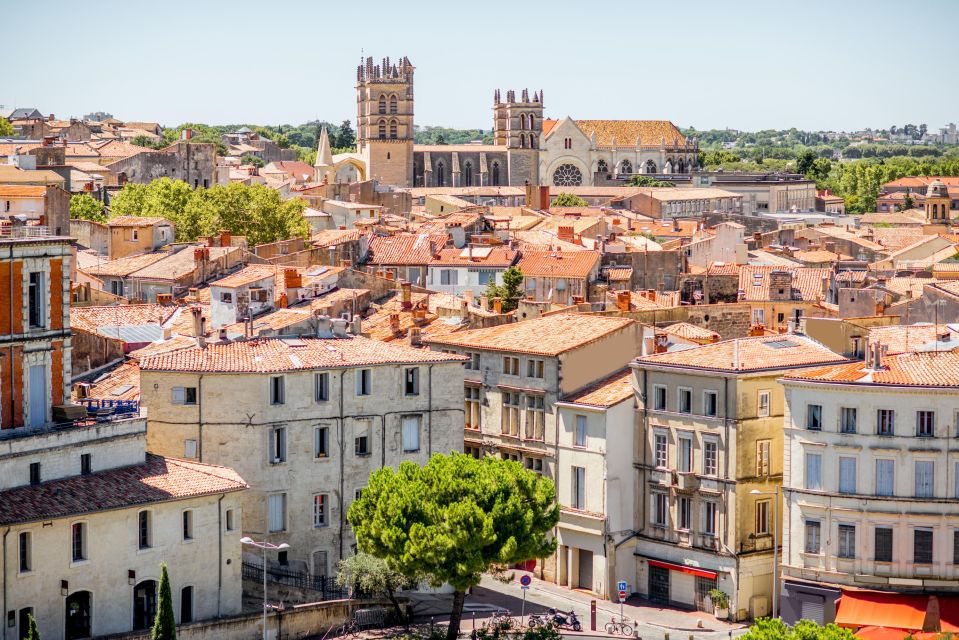
This experience suits you best if you are visiting Montpellier for the first time and want a quick sense of direction. It is also useful if you have only a few hours, prefer personal advice to a long scripted talk, or want help finding places to eat and drink later.
It can work well at the start of a stay. After the walk, you can return to a medieval street, cathedral, cafe, or restaurant that caught your attention. You will also have a chance to ask about your own plans rather than relying only on a general city guide.
It is less suitable if you need step-free access, dislike brisk walking, or want a detailed tour of the interiors of museums and monuments. It is also not ideal if you expect a full two-hour sightseeing program for the stated price.
English and French are available, but you should confirm the language on your departure. Private groups may suit you if you have a strong interest in food, architecture, nightlife, or a particular pace.
Should you book this express Montpellier walk?
Book it if you want a fast, personal introduction to Montpellier’s center, especially the route from Place de la Comédie through the medieval streets to Montpellier Cathedral. The small group limit and local tips can save you time later, and Jordan’s tailored approach shows what a good departure can offer.
Pause before booking if $93 feels high for an hour, if you need French-language guiding, or if you expect long stops inside monuments. Confirm the meeting point, language, group type, and actual duration before paying.
My practical verdict: this is a useful orientation for a first visit, not a full historical tour. Go in with the right expectations, wear good shoes, ask plenty of questions, and use the local’s recommendations to shape the rest of your Montpellier stay.
FAQ
Where does the Montpellier express walk begin?
The meeting point is in front of the Fountain of the Three Graces at Place de la Comédie.
How long does the experience last?
The walk is described as a 60-minute exploration, while the booking information lists a duration of 1 to 2 hours depending on the available departure. Check the selected start time and duration when booking.
Which languages are available?
The stated guide languages are English and French.
What sights are included in the walk?
The route includes Place de la Comédie, Montpellier’s medieval streets, and Montpellier Cathedral, along with other defining parts of the city center.
How many people can join?
The small group can include up to eight travellers. Private groups are also available.
Can the route change?
Yes. The route can adapt to the group’s interests and walking pace, and stops may vary according to the weather.
Are museum and monument tickets included?
No. Entry tickets for transportation, museums, and monuments are not included.
What should I bring?
Bring comfortable shoes, water, weather-appropriate clothing, and a charged smartphone.
Can I cancel or pay later?
You can cancel up to 24 hours in advance for a full refund. The reserve-now, pay-later option lets you book without paying at the time of reservation.