REVIEW · PARIS
Paris: Taste of Montmartre Food & Wine Walking Tour
Book on GetYourGuide →Operated by Devour Tours · Bookable on GetYourGuide
Montmartre tastes better when you skip the big crowds. This walking tour strings together 10 food tastings and 2 wine samples across six family-run spots, with a guide who connects what you eat to what made Montmartre tick. You’re also not just wandering for views—you get a real neighborhood rhythm, plus a 45-minute historical walk that helps the area click.
What I like most is the range: fresh bread and pastry to start, serious French cheese in the middle, then a sit-down lunch finish that feels like lunch in the quartier. The only real drawback to plan around is movement and food limits: it’s not set up for wheelchairs or strollers, it’s not recommended for vegans, and gluten intolerance isn’t suitable—so you’ll want to check your situation early.
In This Review
- Quick take: what you’ll notice right away
- Why Montmartre’s food route feels local (even if you’re new to Paris)
- The walking plan: from 40 Av. Junot to a lunch finish near Blanche
- Stop 1: Boris Lumé Boulangerie and the art of a proper French breakfast
- Stop 2: Maison Arnaud Larher Caulaincourt—chocolate and signature pastry culture
- Stop 3: L’Étoile de Montmartre—Aveyron savory pancakes in a tavern-style bistro
- Stop 4: Sacré-Cœur area and a 45-minute Montmartre history walk
- Stop 5: Fromagerie Racines—seasonal cheeses, favorites, and the joy of simple tasting
- Stop 6: Les naturistes (la cave)—natural wine with your cheese
- Stop 7: L’Été en Pente Douce—warm quiche in a timeless Montmartre bistro
- Price and value: is $116 worth it?
- Guide quality and pacing: what the best tours get right
- Who this tour suits best—and who should rethink it
- Should you book the Montmartre Food & Wine tour?
- FAQ
- How long is the Paris Taste of Montmartre Food & Wine walking tour?
- What’s included in the price?
- Where does the tour start?
- Is the tour suitable for wheelchair users or strollers?
- Can the tour handle dietary restrictions?
- Is the tour guided in English?
- What are the cancellation and payment options?
Quick take: what you’ll notice right away

- 10 food tastings across 6 stops, so you sample widely without committing to full portions
- Bakeries + cheese shop + natural wine cellar, which is a very classic French combo
- Small group capped at 10, which makes it easier to hear the guide and ask questions
- A guided 45-minute Montmartre walk tied to what you’re eating and where you are
- English-speaking live guide, with story-heavy commentary (names like David, Julia, Arturo, Vanessa, and Margo come up a lot)
Why Montmartre’s food route feels local (even if you’re new to Paris)

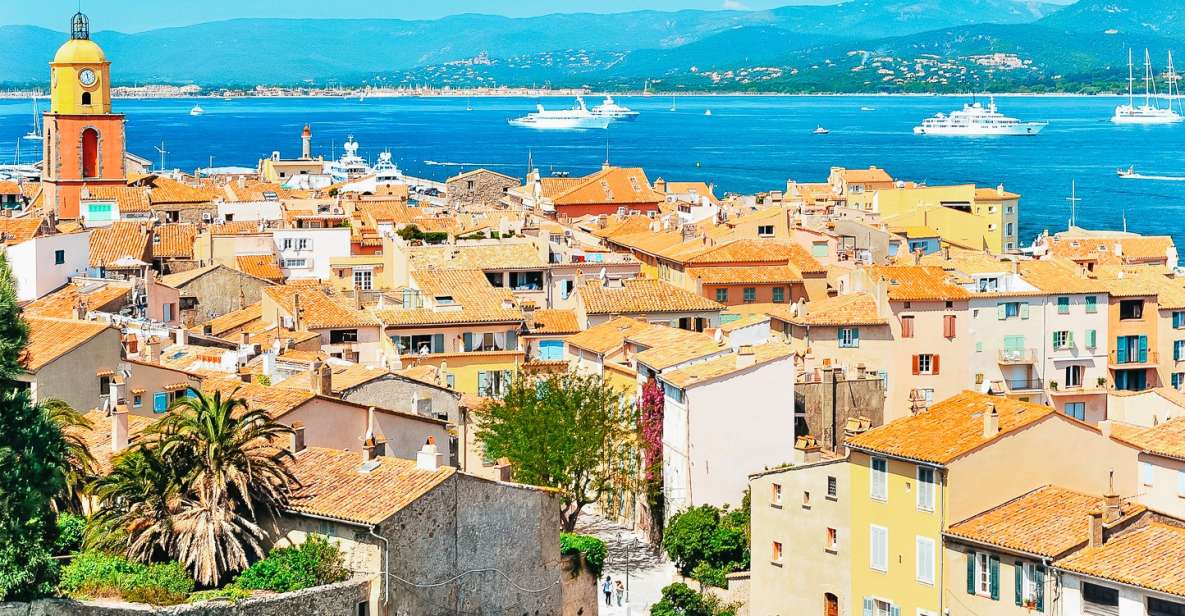
Montmartre can be a show for tourists—steps, selfies, and souvenir shops. This tour tries something smarter: it pushes you into the daily food world that locals still rely on. You start with breakfast culture (bread and buttered-goodness energy), then pivot to sweets, then savory, then cheese and wine, and finally a bistro lunch.
That sequence matters. French eating isn’t only about the final plate. It’s about how the day builds: warm bakery smell in the morning, pastry and chocolate mid-walk, then cheese and wine when the neighborhood slows down. By the time you reach the bistro quiche, you’re not surprised by what you’re eating. You’re ready for it.
You can also read our reviews of more walking tours in Paris



The walking plan: from 40 Av. Junot to a lunch finish near Blanche

The tour begins at 40 Avenue Junot, in front of a statue in a small square just over the tiny street from the address. You’ll want to arrive about 15 minutes early so you can find the guide holding a red bag or Devour Tours sign.
The whole experience runs about 210 minutes (3.5 hours). That’s enough time to eat at multiple family-run places and still get the 45-minute historical walk by Sacré-Cœur. It also means you should be comfortable doing a moderate-paced stroll with some steps in Montmartre.
You’ll finish at Blanche, which is convenient because it keeps you near the heart of nightlife and easy transit access if you want to keep going.
Stop 1: Boris Lumé Boulangerie and the art of a proper French breakfast

Your first stop is Boris Lumé Boulangerie, described as a French institution with generations of local regulars. This is where the tour sets the tone: smell first, then taste.
Expect classics like croissants and freshly baked bread, with a quick explanation of what a modest French breakfast typically looks like. The practical value here is simple. Once you understand the baseline—how locals think about butter, dough, and texture—everything after makes more sense.
If you love pastry, this is also where the tour can win you over fast. Some tours start with heavy dishes. This one begins with the stuff Paris does best: bread that tastes like baking day really happened.
Stop 2: Maison Arnaud Larher Caulaincourt—chocolate and signature pastry culture

After a short walk through Montmartre streets, you hit Maison Arnaud Larher Caulaincourt, a family-run pastry shop with Montmartre roots and a strong reputation. This is where the tour leans into sweets without going full sugar-bomb.
You’ll sample a selection of the shop’s signature chocolates and pastry. The key here isn’t only flavor—it’s variety. Chocolate in particular can be a great “lesson” food because it shows how a place thinks about ingredients and balance. You’ll likely notice differences in richness, sweetness, and texture compared to the kind of chocolate you’d grab at a basic convenience spot.
Stop 3: L’Étoile de Montmartre—Aveyron savory pancakes in a tavern-style bistro

Next comes L’Étoile de Montmartre, a bistro inspired by the taverns common in historic Montmartre. You’ll try a classic savory pancake from the Aveyron region, tied to the owners’ three-strong passion for the place they’ve built.
Why this stop works: it’s the shift from “treat food” into actual lunch energy. The savory pancake also gives you a taste of regional France beyond the usual Paris stereotypes. It’s a smart move for anyone who thinks French food is only about baguettes and cheese.
Also, this is a good point in the tour to slow down a bit mentally. You’re halfway to three meals worth of tasting spread across stops, and this savory break keeps everything from blending together.
You can also read our reviews of more food & drink experiences in Paris





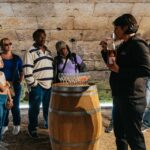
Stop 4: Sacré-Cœur area and a 45-minute Montmartre history walk

Between tastings, the tour adds a 45-minute historical walk. You’ll pass by Sacré-Cœur Basilica, then follow leafy streets and steps while your guide points out important neighborhood features.
This part is valuable because Montmartre’s look can be deceiving. It looks like one postcard layer stacked on another, but there’s a real timeline behind the streets. When your guide connects food culture to the neighborhood’s evolution, Montmartre starts to feel less like a viewpoint and more like a lived-in community.
And you’ll feel the pacing here, too. It’s long enough to matter, not so long that you burn out before cheese and wine.
Stop 5: Fromagerie Racines—seasonal cheeses, favorites, and the joy of simple tasting

Now you get to the most classic French flex: cheese. Your stop is Fromagerie Racines, where you’ll sample a cheeseboard with seasonal cheeses plus favorites from the shop.
This is one of those stops where you don’t just eat—you learn how to taste. Even without formal cheese training, tasting several cheeses back-to-back helps you notice differences: softness vs. firmness, mild vs. intense, creamy vs. sharper profiles. It’s a fun way to build your own “cheese preferences” fast.
If you’re the type who likes to shop at specialty stores later, this stop gives you real direction. You’ll leave knowing what you enjoyed—and likely what to ask for next time.
Stop 6: Les naturistes (la cave)—natural wine with your cheese

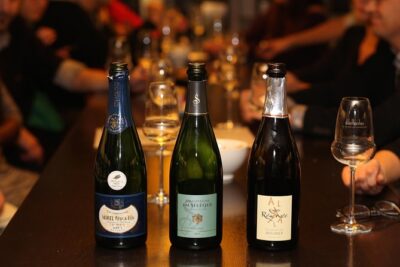
Right after the cheese, the tour pairs it with two glasses of natural wine at a local wine cellar: Les naturistes – la cave.
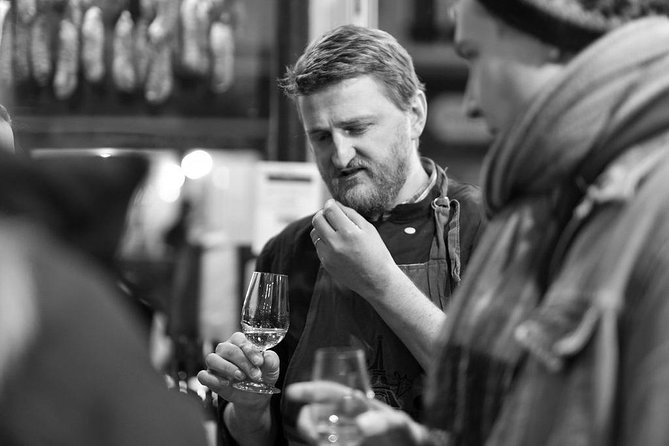
Natural wine can sound intimidating if you don’t know the vocabulary, but the tour’s structure helps. You’re already sampling cheese, so you can judge how the wine works with food instead of focusing on rules. Think of it as flavor matching in real time.
This also makes the whole “cheese + wine” moment feel like an actual meal, not a boxed tasting flight.
Stop 7: L’Été en Pente Douce—warm quiche in a timeless Montmartre bistro

For the finish, you step into L’Été en Pente Douce, where you’ll tuck into a hearty lunch of warm quiche. This is described as a perfect end to a day of discovery, and it really is the kind of practical wrap-up you want after multiple tastings.
Quiche is the right choice for a walking tour finish. It’s filling, warm, and easy to digest after you’ve already sampled pastries, chocolate, savory pancake, cheese, and wine. Plus, it feels like a neighborhood lunch rather than a performance.
Price and value: is $116 worth it?
At $116 per person for about 210 minutes, you’re paying for a bundle: a live English guide, 10 food tastings, and 2 wines across six family-run eateries.
Here’s why that can be good value if you’re hungry and curious. You’re not buying a single meal at one restaurant and hoping it’s great. You’re getting:
- multiple specialty shops (boulangerie, pastry, cheese)
- a dedicated sit-down bistro moment
- guided context that helps you understand what you’re tasting
If you already know you’ll want croissants, chocolate, cheese, wine, and a real lunch anyway, this is basically those purchases packaged with walking structure and local guidance. The price also tends to make sense because Montmartre eats are often expensive when you do them individually at prime tourist corners. This tour works the opposite direction: into smaller local places.
The main value risk isn’t the price—it’s your dietary needs. If you’re gluten-free or need vegan swaps, the tour is not designed for it, and that could change what you can eat.
Guide quality and pacing: what the best tours get right
Tour quality is usually about three things: guide energy, pacing, and how well stops connect. This one scores well on all three.
Names you’ll see associated with strong results include David, Julia, Arturo (and an Art), Vanessa, and Margo. The consistent thread is that the guide does two jobs at once: keeps the group moving and tells stories that make the neighborhood clearer.
Pacing also matters because you’re eating in multiple places. Some groups like tiny bites; others want bigger plates. The notes you have here suggest the pacing is generally well spaced, with one minor complaint that portions could be a bit smaller (balanced against the fact that the tasting approach is designed to be efficient).
Bottom line: if you’re a foodie who enjoys learning while you eat, this format fits.
Who this tour suits best—and who should rethink it
This is a great match for:
- first-time visitors who want Montmartre beyond the main photo spots
- people who love food variety and want a structured tasting plan
- anyone comfortable walking at a moderate pace for about three and a half hours, including steps
You should think twice if:
- you use a wheelchair or need stroller-friendly routes (the tour data says it’s not suitable for wheelchair users and not for strollers)
- you need strict gluten-free options (it’s listed as not suitable for gluten intolerance)
- you want a vegan-focused itinerary (it’s not recommended for vegans)
There’s also a data inconsistency worth flagging: one line says wheelchair accessible, while the “not suitable for” section says it isn’t suitable for wheelchair users. If accessibility is your priority, contact the operator before booking so you don’t get surprised.
If you have serious food allergies, you’ll need to sign an allergy waiver at the start, and it’s smart to contact the team in advance for your exact needs.
Should you book the Montmartre Food & Wine tour?
Yes, if you want an easy win in Montmartre: a small-group, English-guided food walk that mixes bakery, pastry, savory regional flavor, cheese, and natural wine, plus a real guided history stretch by Sacré-Cœur. The itinerary structure makes the tasting feel like one connected meal, not random stops.
Maybe skip or re-check fit if you fall into the limitations: gluten intolerance, vegan requirements, or mobility needs. Also, if you hate walking on steps, be cautious—Montmartre is a hill, and this tour is built around it.
If you match the sweet spot—walking comfort, willingness to try cheese and wine, and interest in Montmartre beyond the viewpoints—this is the kind of tour that gives you both tastes and context without wasting your day.
FAQ
How long is the Paris Taste of Montmartre Food & Wine walking tour?
The tour lasts about 210 minutes (around 3.5 hours).
What’s included in the price?
You get a live guide, 10 food tastings, and 2 wine tastings.
Where does the tour start?
The meeting point is in front of the statue located at 40 Avenue Junot, 75018, in a small square just over the tiny street from 40, Avenue Junot.
Is the tour suitable for wheelchair users or strollers?
The info provided is conflicting: it lists wheelchair accessible, but it also states the tour is not suitable for wheelchair users and not suitable for strollers. If this applies to you, contact the operator before booking.
Can the tour handle dietary restrictions?
It’s adaptable for vegetarians, pescatarians, non-alcoholic options, and pregnant women. It is not recommended for vegans, and it is not suitable for guests with gluten intolerance. People with serious food allergies need to sign an allergy waiver at the start.
Is the tour guided in English?
Yes. The live tour guide speaks English.
What are the cancellation and payment options?
There’s free cancellation up to 24 hours in advance for a full refund, and the tour offers a reserve now & pay later option.