Secret corridors in Lyon tell real stories. This private 2-hour walk takes you through Lyon’s legendary traboules, hidden passages built as shortcuts through buildings, with a licensed local guide who connects the routes to what really happened in the city.
Two things I really like: you get a 100% private experience reserved for just your group, and you hear the stories behind the passages, including the Canuts (silk workers) and the French Resistance in World War II. One thing to consider: the tour involves stairs and narrow indoor passageways, so it’s not suitable for wheelchair users or mobility impairments.
In This Review
- Key highlights to look forward to
- Lyon’s traboules: shortcuts that became witnesses
- Starting at Place de la Croix-Rousse and the Jacquard monument
- Croix-Rousse passages: Canuts, daily work, and quick routes
- Presqu’île: the heart of the walk and the wartime layer
- Vieux Lyon: medieval traboules and the Resistance story
- What makes this tour worth $129 (and not just a scenic walk)
- Private guide perks you’ll feel from minute one
- Timing, heat, and comfort: the real-world advice
- Where the tour ends and what to do next
- Who should book this hidden passages experience
- Should you book this private traboules tour?
- FAQ
- How long is the Lyon private traboules tour?
- Is this a truly private tour or shared with other groups?
- Where does the tour start, and how do I get there?
- Where does the tour end?
- Which areas of Lyon will we walk through?
- What’s included in the tour price?
- Are food and drinks included?
- What language options are available for the guide?
- Is there a cancellation policy?
- Is the tour suitable for wheelchair users or people with mobility impairments?
Key highlights to look forward to
- Fully private by design with no added participants
- Croix-Rousse to Presqu’île to Vieux Lyon across three historic areas
- Canuts and silk history explained through the exact walkways they used
- French Resistance sites tied to where people lived and moved
- Access to selected traboules that are normally closed to the public
- A licensed local guide in French, English, or Spanish, with history and practical context
Lyon’s traboules: shortcuts that became witnesses
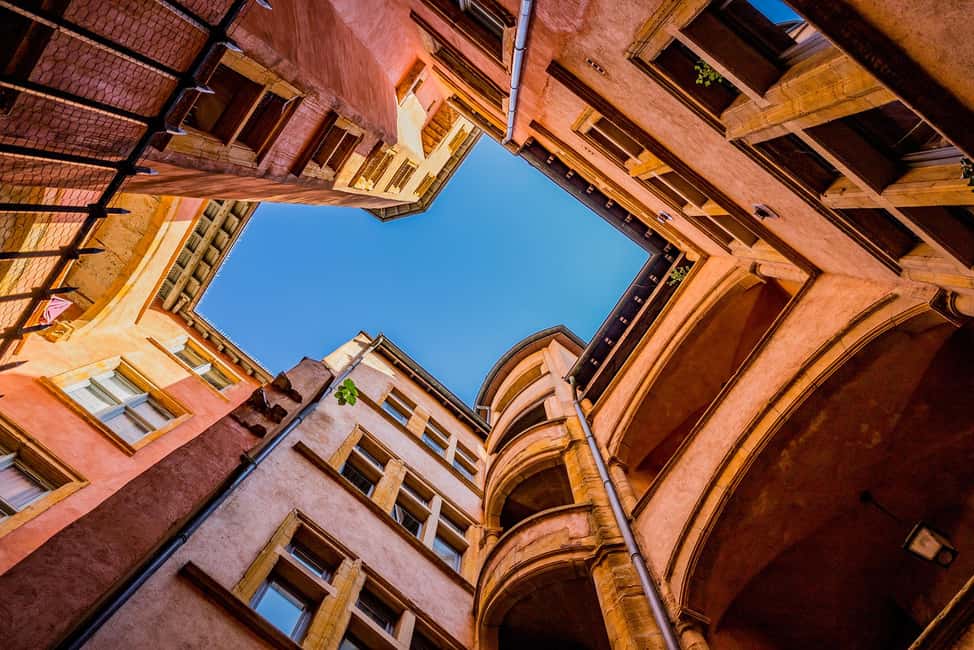
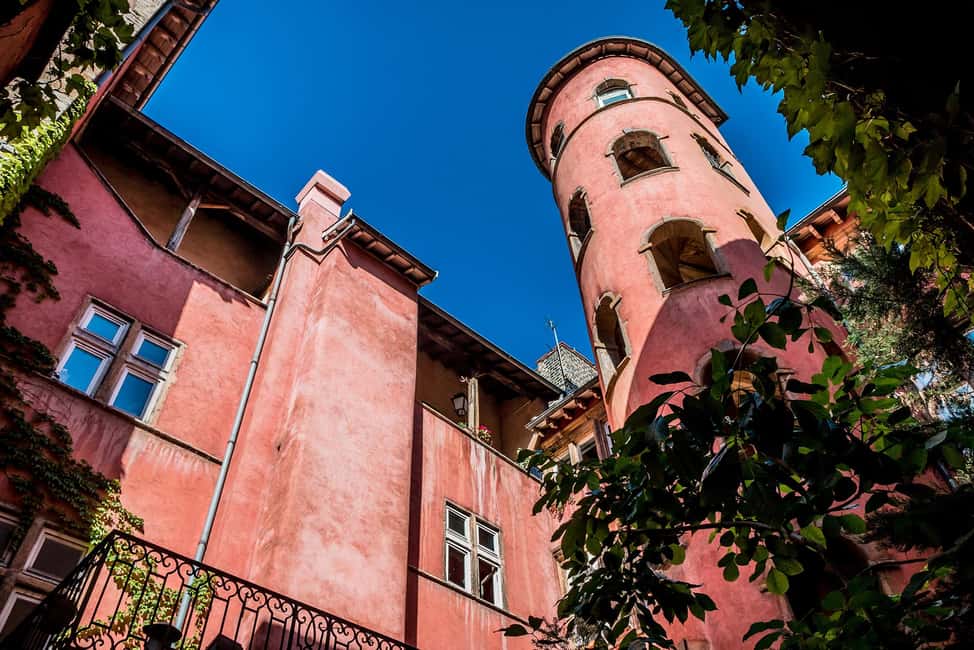
Lyon’s traboules are the kind of thing you could walk past all day without realizing what they are. These covered passageways cut through blocks, often linking courtyards and staircases that would otherwise force you to take a longer route around. The cool part is that the city didn’t build them just to be clever—people used them for work, for daily life, and when things got dangerous.
That’s why I like this tour format. You’re not just shown a list of passages. You learn how the layout of the neighborhoods shaped movement, and then you layer in the big human stories tied to those spaces: silk production and the workers who fought for better conditions, then later, the wartime networks that relied on secrecy and route knowledge.
Also, this is real privacy. Many tours call themselves private, but still shuffle groups in practice. Here, your booking stays reserved for your group only, so you can ask questions at the pace you want.
You can also read our reviews of more private tours in Lyon


Starting at Place de la Croix-Rousse and the Jacquard monument
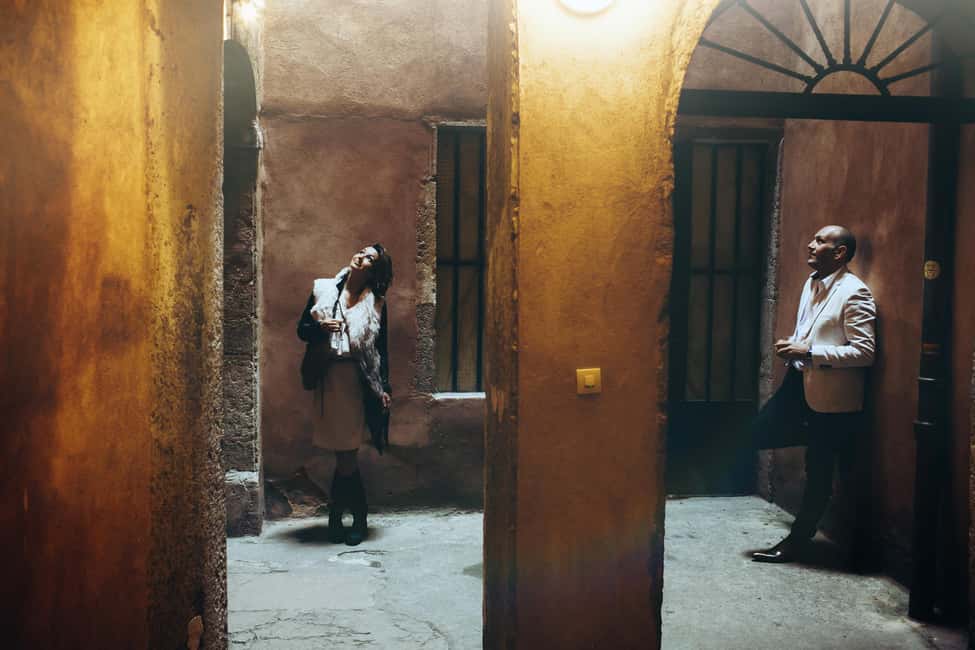
The walk begins at Place de la Croix-Rousse, meeting in front of the Monument of Jacquard. This is a smart start point because the Croix-Rousse hill is closely tied to Lyon’s silk era. If you want the tour to make sense as you go, it helps to begin with the neighborhood identity first, not last.
In Croix-Rousse, you’ll spend about 45 minutes with the guide focusing on how people lived and worked in this part of town. The silk connection matters here: the Canuts weren’t just background characters. Their work and the industry’s evolution shaped streets, buildings, and the daily rhythms of the area. The traboules aren’t treated like random “cool hallways.” They’re presented as part of the neighborhood system.
Practical note: Croix-Rousse is hilly, and traboules often involve stairs. If you’re the type who plans to move slowly, you’ll still be fine, but go into it knowing your legs will get a workout.
Croix-Rousse passages: Canuts, daily work, and quick routes
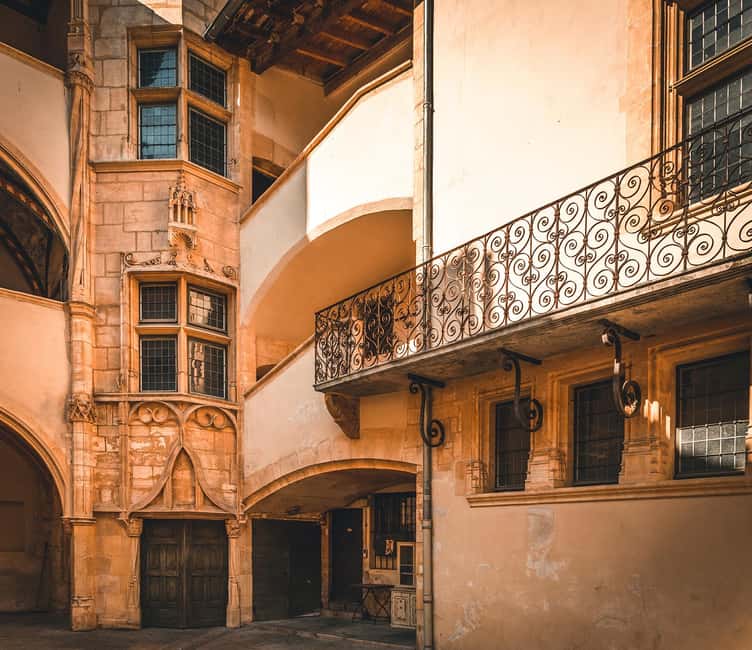
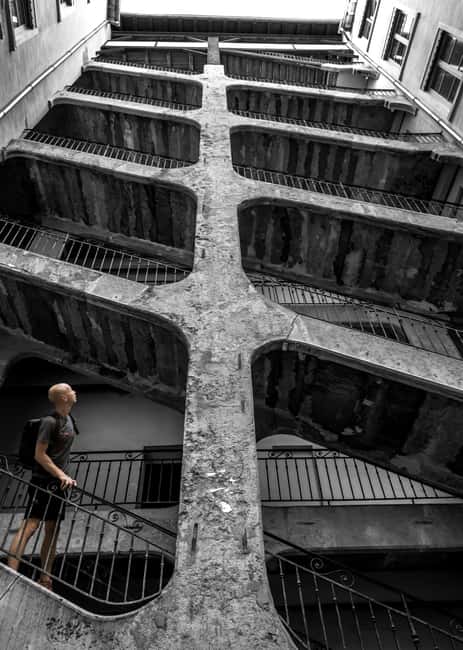
This is where the tour’s storytelling clicks. You walk through shadowed passageways that feel slightly cinematic, but the guide keeps bringing it back to function. You learn why these connections mattered: shortcuts between streets, easier access between courtyards, and better ways to move through dense building layouts.
The Canuts story is particularly useful because it turns “silk history” into something you can picture. Instead of just hearing about machines and textiles, you’re shown the spaces that made the neighborhood’s work possible. That makes the city’s industrial identity feel less abstract.
If you’re hoping for architecture appreciation, this stop delivers too. You’ll see the way buildings create passage routes on purpose, not by accident. And because it’s a private tour, you can spend extra time on details you care about—doors, stairs, courtyards, and the way each passage connects to the next.
Presqu’île: the heart of the walk and the wartime layer
Next comes Presqu’île, where you spend about 30 minutes. This area is where the city feels more like a connector zone—places that link neighborhoods and make movement easier. For your walk, that translates into a change of pace from the hill’s intensity to the more central pulse of Lyon.
Here the guide ties the traboules into Lyon’s bigger turning points. The big theme stays consistent: these passages functioned as routes through the city, and that same advantage could be used for survival when circumstances changed.
You also get a good chance to catch your breath before the final stretch in Vieux Lyon. The sequence matters: by the time you reach the medieval area, you’re not doing your hardest climbing right at the end. That’s a comfort detail worth paying attention to.
Vieux Lyon: medieval traboules and the Resistance story
The tour culminates in Vieux Lyon, where you’ll spend about 1 hour exploring the older traboules and the stories tied to World War II. This is the part that tends to stick with people because the guide connects secrecy and local knowledge—exactly what you’d expect to matter in wartime.
You’ll hear how French Resistance fighters used these routes, including where they lived. That framing makes the passageways feel less like architectural leftovers and more like active infrastructure—spaces where people could move with fewer eyes on them and where familiarity with the city could help you stay one step ahead.
Vieux Lyon’s age adds atmosphere too. Even if you’ve seen plenty of historic European streets, Lyon’s traboules give you a different perspective because they cut through interior spaces, not just streetscapes. You’re essentially walking through the city’s internal map.
And yes, you should expect steps. This stop is the one most likely to challenge your pace, especially if it’s warm. The good news: the guide is prepared to manage comfort. If conditions are hot, you can expect the walking order and pacing to be adjusted so you’re not stuck in the sun while you’re tiring out.



What makes this tour worth $129 (and not just a scenic walk)
At $129 per person for a 2-hour private tour, you’re not paying for a long sightseeing day. You’re paying for three specific things:
- A licensed local guide who can explain how the spaces connect to real events.
- 100% privacy for your group only, so your questions and interests can shape the route details.
- Access to selected traboules normally closed to the public, which changes the value from “nice story” to “actual access.”
So the question isn’t whether you’ll get a good photo or two. You’ll get that. The real value is whether you want to understand the city’s hidden logic: why these corridors exist, why people relied on them, and how Lyon’s major chapters played out in buildings you can walk through.
If you’re the kind of traveler who likes context—silk labor, architecture, wartime movement—this price starts to feel fair. If you mainly want an easy stroll with minimal stairs and low effort, you might prefer a shorter or more accessible sightseeing option.
Private guide perks you’ll feel from minute one
A private tour sounds good on paper, but you feel it in small moments. The guide can tailor the pace, answer your questions directly, and adjust the walking order when the day calls for it.
You also have language flexibility: the guide speaks French, English, and Spanish. That matters if you want nuance instead of simplified explanations.
And the tone tends to be practical, not lecture-mode. In particular, the guide approach is often described as friendly and even lightly humorous, which helps when you’re walking through enclosed spaces that can feel heavy if the tour is too formal.
Timing, heat, and comfort: the real-world advice
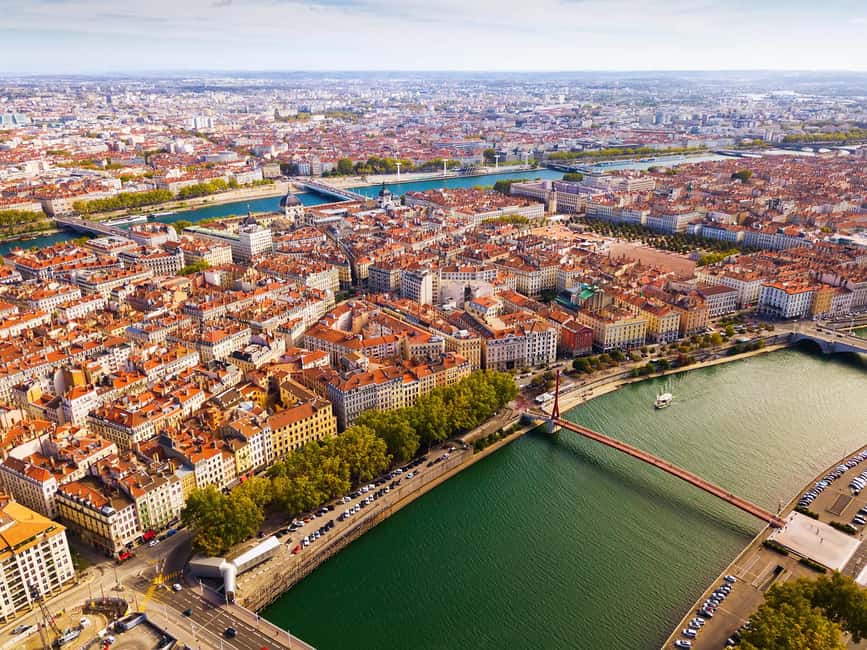
This experience lasts about 2 hours, with guided time across three neighborhood sections. That’s short enough to feel energetic, but long enough that you’ll want to plan for comfort.
Here’s what you should think about before you go:
- Wear good walking shoes. You’re on stairs and inside/outside transitions.
- Bring water, especially in warm months. The guide may adjust the route order for heat, but you still need to hydrate.
- If you can choose among starting times, consider an earlier slot to avoid crowds and to keep the daylight from turning the streets into a heat trap.
Also, expect the passages themselves to be tight. Even if the tour is well-paced, you’ll be in and out of shadowed sections, so keep your pace steady.
Where the tour ends and what to do next
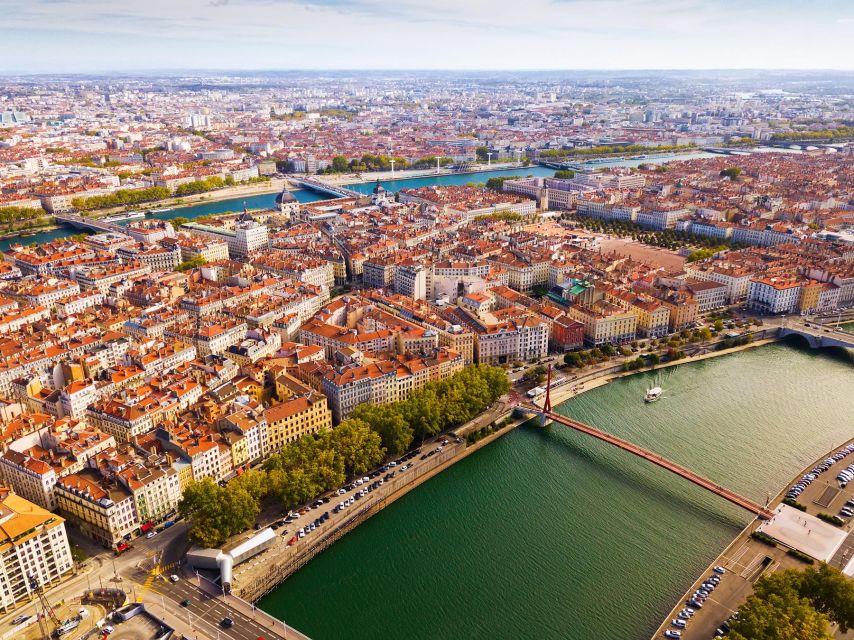
The tour finishes in Vieux Lyon. That’s a great landing spot because it leaves you in the right area for an after-walk plan—whether that means wandering streets on your own, grabbing a meal nearby, or using the map knowledge you gained during the walk to explore farther without getting lost.
If you like to keep momentum, consider immediately following up with places you learned about during the wartime and silk segments. When the tour gives you names and locations tied to routes, your next step around the neighborhood becomes easier and more meaningful.
Who should book this hidden passages experience
This is a strong match if you:
- Want architecture + history tied to the places themselves
- Like stories with clear context: the Canuts and the Resistance
- Prefer a guide who can adapt pacing to conditions like extreme heat
- Value privacy and don’t want your questions competing with a larger group
It’s less ideal if you:
- Need a step-free route (it’s not suitable for wheelchair users or mobility impairments)
- Want a minimal-effort activity with no stairs
Should you book this private traboules tour?
If you’re deciding between a general city tour and something more specific, I’d book this if you’re interested in how Lyon works—literally how people moved through buildings. The combination of private access, selected normally-closed traboules, and stories that connect the passages to real history makes it a focused use of time.
If you know you’ll struggle with stairs, or you want a fully accessible route, you should skip this one and look for a different Lyon experience designed around mobility needs.
For everyone else, it’s one of those tours that changes how you see the city. After you’ve walked the corridors, Lyon’s streets feel less like a grid and more like a living set of connections you can actually understand.
FAQ
How long is the Lyon private traboules tour?
The tour lasts 2 hours.
Is this a truly private tour or shared with other groups?
It’s fully private. Your booking is reserved for your group only, and no other participants are added.
Where does the tour start, and how do I get there?
You meet in front of the Monument of Jacquard in the middle of Place Croix Rousse. It’s accessible by metro C at Cuire Stop Croix Rousse.
Where does the tour end?
The tour finishes in Vieux Lyon.
Which areas of Lyon will we walk through?
You’ll explore traboules in Croix-Rousse, Presqu’île, and Vieux Lyon.
What’s included in the tour price?
You get a guided private walking tour, a licensed local guide, historical insights (including the Canuts and the French Resistance), and access to selected traboules normally closed to the general public.
Are food and drinks included?
No. Food and drinks are not included.
What language options are available for the guide?
The guide is available in French, English, and Spanish.
Is there a cancellation policy?
Yes. You can cancel up to 24 hours in advance for a full refund.
Is the tour suitable for wheelchair users or people with mobility impairments?
No. It’s not suitable for people with mobility impairments or wheelchair users.