REVIEW · LYON
Lyon: City Highlights Walking Tour
Book on GetYourGuide →Operated by Spyns Tours · Bookable on GetYourGuide
Lyon clicks fast when you walk it. This Lyon highlights tour is built around seeing the big sights and the off-the-map shortcuts, led by Aidan or his father Ryan, both fluent in English and French. You’ll get the stories that connect Roman Fourvière to Renaissance Lyon to what changed during World War II, without the lecture tone.
What I like most is how personal it feels in both group sizes, from a max 10-person option (2 hours) to a max 18-person option (about 1.5 hours). The second thing: you’re not just sightseeing. The route includes traboules (secret medieval passageways) and funicular access on the longer tour, plus photo stops and practical tips for where to eat like locals.
One consideration: there’s real walking. The longer route is about 5 km (3 miles) and the shorter one about 2 km (1.3 miles), with mostly flat terrain. If you’re sensitive to crowds or long distances, pick the shorter option—or wear comfortable shoes and take your time.
In This Review
- Key highlights worth planning for
- Choosing between the 2-hour and 1.5-hour walks
- Starting points: Place Saint-Jean or Place Bellecour
- Fourvière Basilica and Roman theatres: the hilltop story you can see
- Cathédrale Saint-Jean-Baptiste and the Old Lyon shift
- La Longue Traboule and Vieux Lyon: secret passageways that actually matter
- Place Bellecour and the river Saône: the easy sighting rhythm
- Place des Terreaux, Bartholdi fountain, city hall, and the opera house
- Hôtel-Dieu on the short route: why the 1.5 hours still feels complete
- Funicular tickets and photo stops: the small extras that save your time
- Price and value: what $25 buys you in Lyon time
- Who this tour suits best (and who should skip it)
- Tips for getting the most from your walk
- Should you book this Lyon City Highlights Walking Tour?
- FAQ
- How long is the Lyon highlights walking tour?
- What are the walking distances for each option?
- Where do tours start?
- What’s included in the 2-hour tour?
- What’s included in the 1.5-hour tour?
- Are the guides fluent in English?
- Is food or drink included?
- Does the tour include photo stops?
- Can I cancel for a refund?
Key highlights worth planning for
- Two routes that match your stamina: 5 km with Fourvière funicular vs 2 km focused on Old Lyon essentials
- Traboules with context: the secret passages make sense when a guide explains why they were built
- Roman-to-Renaissance storytelling: Aidan links Roman origins, silk trade, and WWII roles into the places you see
- Small-group feel: max 10 on the long tour and max 18 on the short tour keeps questions flowing
- Good photo rhythm: planned photo stops at major viewpoints and monuments
- Bouchon restaurant pointers: along the way, you’ll get suggestions for classic Lyon meals (food not included)
Choosing between the 2-hour and 1.5-hour walks
This tour comes in two lengths, so you can match it to your day instead of forcing “one size fits all.”
The 2-hour option (max 10 guests, 5 km total) is the best pick if you want maximum variety. You’ll climb to the Fourvière area using the Fourvière Funiculaire (tickets included), then spend time connecting the hills, Roman ruins, and the river-and-city-center sights.
The 1.5-hour option (max 18 guests, 2 km total) is for a quick hit. You’ll stay closer to central Lyon, with Old Lyon highlights, a look at the traboules, and the imposing Renaissance Hôtel-Dieu (now a hotel and shopping complex). It’s an efficient way to get the Lyon feeling without using up your whole morning.
If you’re visiting for the first time, I like the idea of doing the longer version because it stitches the city together—from ancient layers to modern civic life. If you’re short on energy, the shorter option still covers the most “Lyon-specific” bits: Old Lyon + traboules + the river/squares.
You can also read our reviews of more walking tours in Lyon
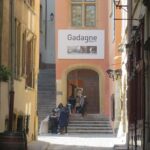
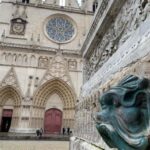
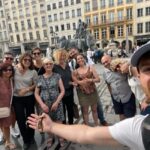
Starting points: Place Saint-Jean or Place Bellecour
Your tour begins at one of two places, depending on the option you book: Place Saint-Jean or Place Bellecour. Both are good anchors.
- Place Saint-Jean sets you up for an Old Lyon flow that leads naturally into the church-and-historic-core area.
- Place Bellecour drops you into Lyon’s main square energy quickly, which works well if you want to start with the city’s scale and then head toward the smaller, more secretive lanes afterward.
There’s also a short metro/subway segment listed (about 10 minutes). That matters because Lyon isn’t only one level; moving efficiently means more time at the key sights and fewer “how do we get there?” moments.
Fourvière Basilica and Roman theatres: the hilltop story you can see
On the longer 2-hour route, the big start is Basilica of Notre-Dame de Fourvière. This is the place where Lyon feels like it’s watching you back. The guide time here isn’t just about the building—it’s about understanding why Fourvière became so important, and how the city’s identity turned into architecture.
Right after that, you’ll also visit the Ancient Theatre of Fourvière. This is where you see Lyon’s Roman past in a way that makes your brain do the timeline math: you’re looking at a structure built for crowds, drama, and public life, then walking into later centuries where Lyon reinvented its own “stage.”
What I’d pay attention to here: your guide’s connections between the Roman era and the later Renaissance and modern periods. When that thread is explained, these stops stop feeling like random highlights and start feeling like one story told in stone.
Cathédrale Saint-Jean-Baptiste and the Old Lyon shift
The longer tour includes Cathédrale Saint-Jean-Baptiste, which helps bridge the Roman-to-medieval jump. This stop gives you a “center of gravity” moment—less hilltop views, more the lived-in spiritual and civic heart of the old quarter.
Then you transition into the real Lyon texture: narrow streets, layered buildings, and the kind of passages tourists often walk past without realizing what they are.
If you like getting oriented fast—like how streets connect, where the city funnel points are—this is a strong segment to include early in your trip.
La Longue Traboule and Vieux Lyon: secret passageways that actually matter
Here’s the part that many people love because it’s practical and mysterious at the same time: the traboules.
On the longer route you’ll specifically visit La Longue Traboule. On the shorter route, traboules are still part of the plan, which tells me the operator knows what makes Lyon feel unique.
Why these passageways are worth your time:
- They cut through building blocks in a way that’s hard to notice on your own.
- They show how Lyon’s neighborhoods functioned historically, when moving people and goods efficiently mattered.
- They create little “micro-scenery” moments—turns, gates, courtyards—where you suddenly understand the logic of the street plan.
Then comes Vieux Lyon. This is where the guide’s storytelling pays off. Instead of just pointing out pretty façades, the guide ties architecture to the city’s evolution—starting with the Roman origins and moving through periods like the Renaissance silk trade and the city’s WWII role.
You can also read our reviews of more city tours in Lyon




Place Bellecour and the river Saône: the easy sighting rhythm
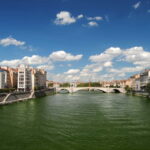
Both tour lengths include Place Bellecour and time near the river Saône, which is smart. You get contrast: open square energy on one side, water-and-views calm on the other.
Place Bellecour is Lyon’s main square, and it’s the kind of place where it’s easier to grasp the city’s scale than in the tight medieval lanes. In reviews people also mention the four-horse monument, which is exactly the sort of visual anchor that makes your photos look like they belong to Lyon and not just Europe.
The Saône portion helps you reset. After all the stone details and narrow corridors, the river gives your legs a breather and your eyes something wide to catch.
If you’re tired of tours that feel like a sprint, this is a good balance section.
Place des Terreaux, Bartholdi fountain, city hall, and the opera house
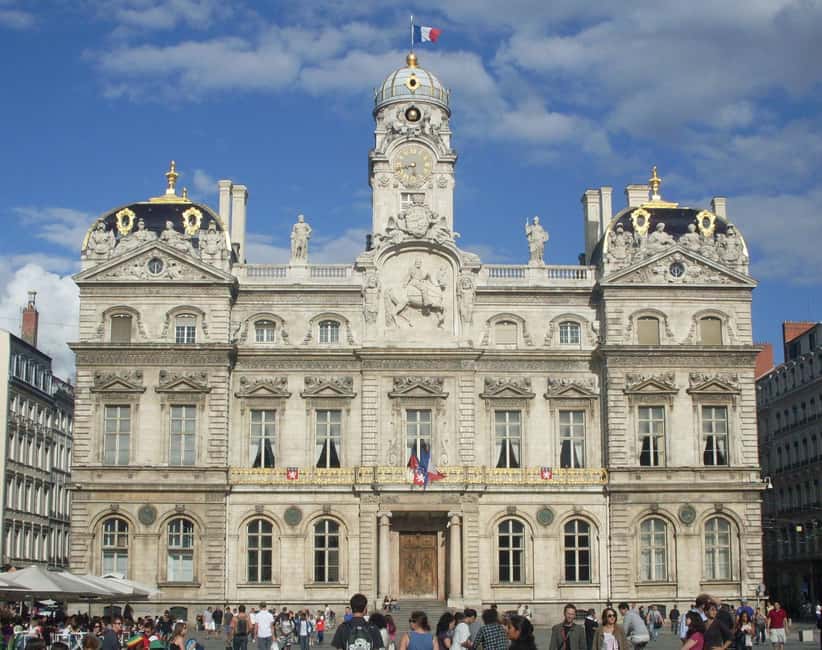
On the 2-hour option, the route adds Place des Terreaux, the Bartholdi fountain photo stop, Lyon’s city hall, and the opera house.
This set of stops works for two reasons:
1) It’s where Lyon’s civic identity shows up in art and architecture, not just private lanes.
2) The photo stops are timed well, so you don’t feel like you’re always rushing to “get the shot.”
Bartholdi’s fountain is a standout visual. Even if you don’t know much about it going in, it’s the kind of monument you’ll remember later when you’re planning your next day in Lyon.
Then you move into the civic buildings and grand cultural spaces. This isn’t only pretty—it helps you see Lyon as a city with institutions and ambition, not just a pretty backdrop.
Hôtel-Dieu on the short route: why the 1.5 hours still feels complete
If you choose the 1.5-hour option, don’t worry—you still get a “big structure” moment with Hôtel-Dieu.
This Renaissance hospital complex is now a hotel and shopping center, which means you see history repurposed rather than sealed off. That kind of transformation is common in European cities, but Lyon does it with style. And having a guide explain what you’re looking at helps you avoid missing the meaning behind the façade.
The shorter route still includes Old Lyon and traboules, so you’re not sacrificing the most Lyon-specific parts. You’re just trimming the hilltop and a few downtown landmarks to keep walking manageable.
Funicular tickets and photo stops: the small extras that save your time
A quick note on value: the tour includes Fourvière Funiculaire tickets on the 2-hour option. That matters because it removes one planning step and helps you spend your time walking (the enjoyable kind) rather than figuring out timing.
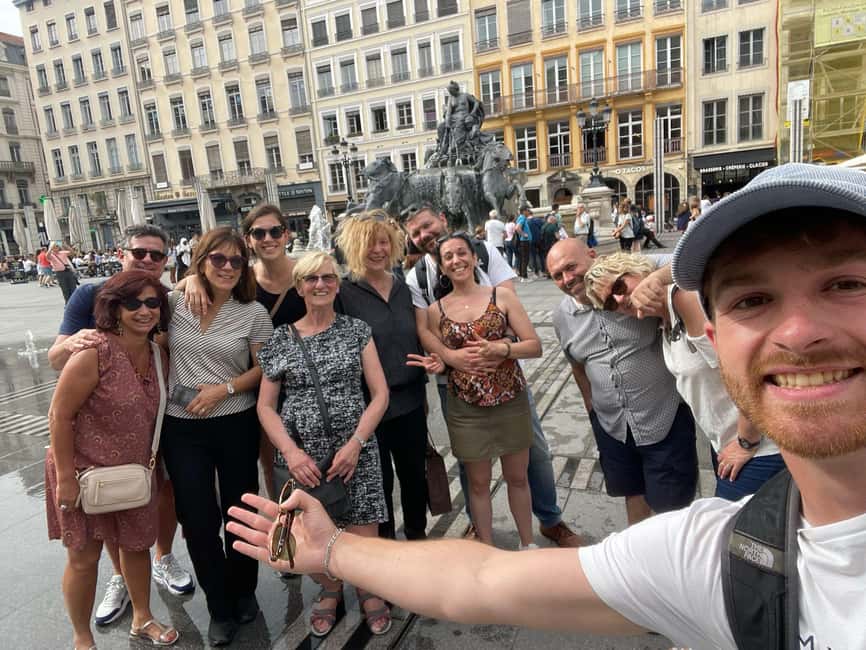
Photo stops are also built into the flow. In several comments about the experience, people highlight how the guide makes picture-taking easier—sometimes even doing it for you while you focus on the moment.
Also included: guide time plus the tour itself. Food and drink aren’t included, so treat this as your cultural orientation and tip for the rest of your day.
Price and value: what $25 buys you in Lyon time
At $25 per person for 90 minutes to 2 hours, this is priced like a focused “orientation tour,” not a half-day production.
Here’s what you’re paying for in practical terms:
- A live guide fluent in English and French
- A tight route that hits Lyon’s most recognizable anchors
- Access value on the longer option through the funicular tickets
- Organized photo stops (less hassle for you)
- Restaurant recommendations along the way, including classic bouchon style suggestions
Could it be cheaper? Sure. But if you’re trying to make one trip count, this kind of walking tour often wins because it saves you the “wasted morning” problem—arriving somewhere and realizing you skipped the story that makes it click.
You’ll still need to budget for your own lunch or snacks. And you should come with comfortable shoes because you will walk.
Who this tour suits best (and who should skip it)
This is a strong fit if you:
- Want your first Lyon day to feel organized
- Like history told through buildings and street patterns
- Enjoy asking questions and getting real-time answers
- Prefer small groups (max 10 or max 18) over crowded bus-style tours
It’s also friendly across ages and physical abilities, since the terrain is listed as mostly flat and distances are clearly capped for each option.
The one group limit given is specific: it’s not suitable for people over 95 years. If you’re in your late 80s or 90s, I’d be extra careful with the 2-hour option and choose the 1.5-hour route if you book this.
Tips for getting the most from your walk
If you want this tour to do more than check boxes, do these simple things:
- Bring comfortable shoes and plan for about 2–5 km of walking.
- Ask your guide for a lunch plan right at the start; you’ll get better suggestions when the tour is still fresh in your mind.
- If you’re planning museum time afterward, use the tour stops to decide what to return to. Places like Fourvière and Vieux Lyon are easy to revisit once you know how they connect.
One more small strategy: take photos, yes, but also take mental notes on the “why.” Traboules make more sense when you understand their function, and the squares make more sense when you understand Lyon’s civic rhythm.
Should you book this Lyon City Highlights Walking Tour?
I think it’s a smart booking if you want a fast, high-value first look at Lyon with a guide like Aidan or Ryan leading the way. The combination of Roman-era sites, Old Lyon traboules, and major civic landmarks makes it more than a sightseeing list—it gives you a map of the city’s identity.
Choose the 2-hour option if you want the most stops, including Fourvière funicular and the full highlight set. Choose the 1.5-hour option if your schedule or legs are limited but you still want traboules, Old Lyon, the Saône, and the Hôtel-Dieu.
If you hate walking, this won’t be your best match. If you’re willing to put in a bit of distance for a guided, story-based city orientation, it’s a very reasonable $25 way to make Lyon click.
FAQ
How long is the Lyon highlights walking tour?
The tour runs about 90 minutes to 2 hours, depending on which option you choose.
What are the walking distances for each option?
The longer 2-hour option covers about 5 km (3 miles). The shorter 1.5-hour option covers about 2 km (1.3 miles).
Where do tours start?
Meeting points may vary by option, but starting locations listed include Place Saint-Jean and Place Bellecour.
What’s included in the 2-hour tour?
The 2-hour route includes sights such as Fourvière Basilica, the Ancient Theatre of Fourvière, Cathédrale Saint-Jean-Baptiste, La Longue Traboule, Vieux Lyon, Place des Terreaux, the Bartholdi fountain, city hall, and the opera house. It also includes Fourvière Funiculaire tickets.
What’s included in the 1.5-hour tour?
The 1.5-hour route focuses on Vieux Lyon, traboules, Place Bellecour, the river Saône, and Hôtel-Dieu.
Are the guides fluent in English?
Yes. The tour has a live guide who is available in English and French. Aidan is noted as fluent in English as well as French.
Is food or drink included?
No. Food and drink are not included, though you will get bouchon restaurant recommendations along the way.
Does the tour include photo stops?
Yes. The tour includes photo stops, including stops connected with major sights.
Can I cancel for a refund?
You can cancel up to 24 hours in advance for a full refund.