REVIEW · LYON
Lyon: Private Walking Tour of “Traboules” in the Old Town
Book on GetYourGuide →Operated by Visage des pentes · Bookable on GetYourGuide
You will walk through Lyon’s hidden shortcuts. A guided look at traboules turns a normal Old Town stroll into a living history lesson you can follow with your feet.
I like that you’re led by local Lyon guide Yannick, not a script. And I love the focus on lesser-known passageways tucked into Vieux Lyon’s Renaissance streets. One catch: expect a lot of steps and tight corridors, so it’s not a good fit for wheelchair users or anyone with major mobility limits.
This tour also stands out for how the stories connect to real buildings. You’ll hear how Lyon’s commerce, power struggles, and even wartime escape routes used these corridor networks. It’s a tour where the atmosphere matters, and quiet respect for residents is part of the rules.
Finally, there’s the simple practical side. The walk is 150 minutes and can feel long, especially in cold or wet weather, since you’re constantly moving between streets and interior passageways.
In This Review
- Key things I’d prioritize before you go
- Why Lyon’s traboules feel like a city-within-a-city
- Meeting in cathedral square: the start sets the tone
- Vieux Lyon corridors: what you’ll actually walk through
- The stories behind the stones: silk, power, and wartime Lyon
- A guide like Yannick: humor, clarity, and real local instincts
- How the 150 minutes works in real life
- Price check: is $43 worth it for Lyon’s specific experience
- Who should book this traboules tour
- Should you book the Lyon private traboules walking tour
- FAQ
- Where do I meet the guide?
- How long is the Lyon traboules walking tour?
- What languages are the tours offered in?
- How big is the group?
- Is this tour suitable for wheelchair users or people with mobility impairments?
- What should I bring, and is there any behavior guidance?
- Is it flexible to book, and can I cancel?
Key things I’d prioritize before you go
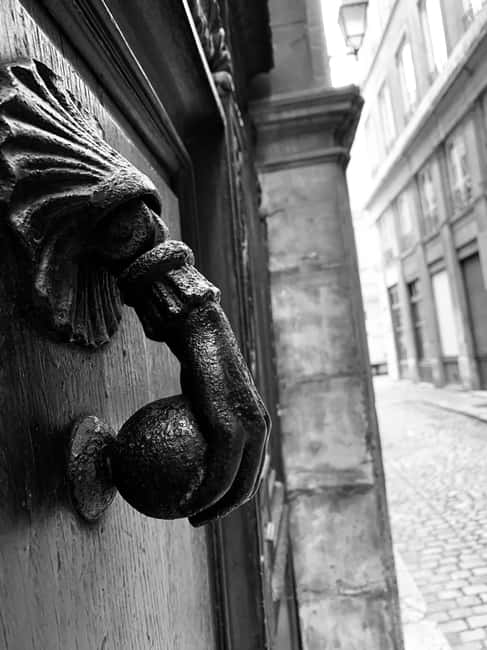
- A small group up to 10 people keeps the pace human and questions easy
- 50+ passageways still open to the public gives you a real sense of the network’s scale
- Yannick’s humor and storytelling style makes the history stick without feeling like a lecture
- Hidden traboules in Vieux Lyon means you’re not only seeing the obvious, crowded ones
- Architecture + everyday life is the mix, not just dates and rulers
- Residential etiquette matters since you’re walking through working courtyards and corridors
Why Lyon’s traboules feel like a city-within-a-city
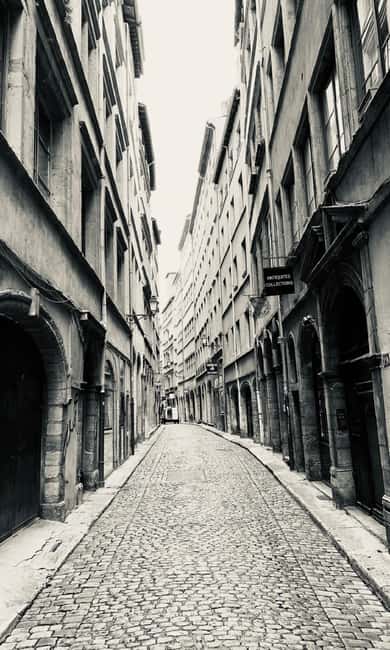
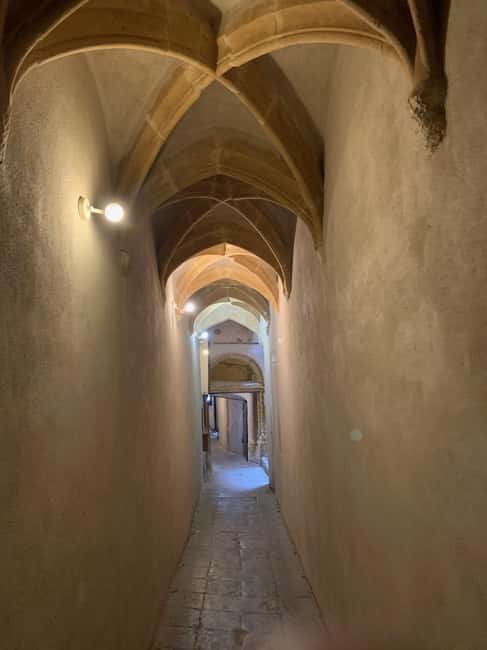
Traboules are Lyon’s secret superpower: passages that cut through buildings instead of sticking to street corners. In Vieux Lyon, that means you can move quickly, stay sheltered, and reach courtyards that look closed off from the street. Up close, the walls, arches, and courtyards start to make sense as a practical design system, not just a quirky tourist feature.
What makes this tour satisfying is the way it treats traboules as infrastructure. You’ll connect the corridors to how Lyon worked when it was driven by trades, property, and power. When your guide explains why certain passageways exist and how residents used them, the network stops being random and becomes logical.
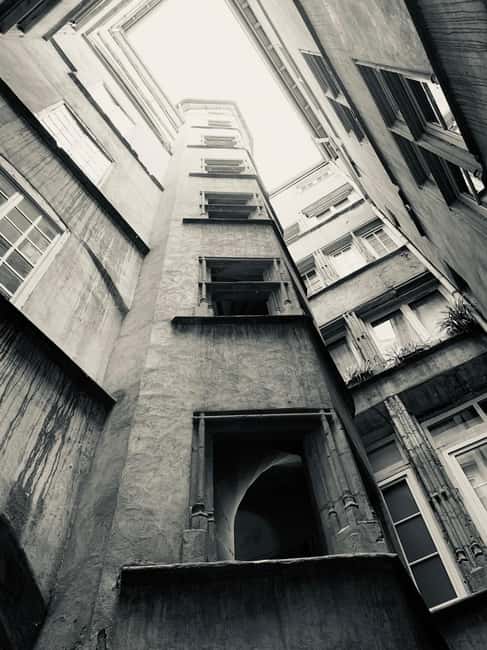
And yes, there’s history. But it lands because it’s attached to the physical places you’re standing inside. When you look up and see the shape of the passage, you understand how people could move, hide, and communicate.
You can also read our reviews of more walking tours in Lyon



Meeting in cathedral square: the start sets the tone
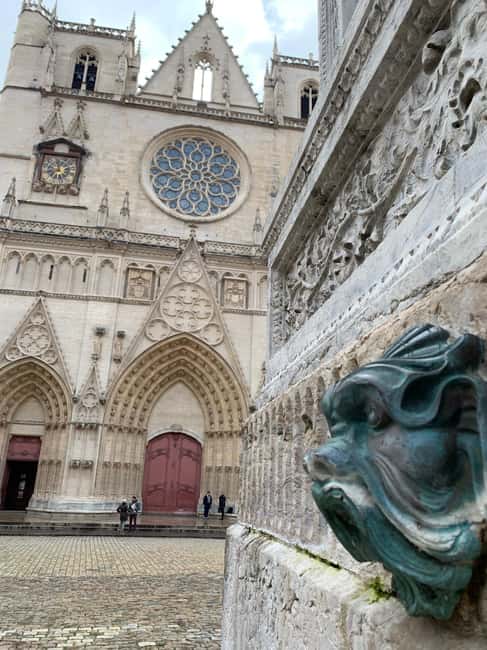
Your tour begins in the right mood: you meet your guide in front of the old fountain in the middle of the cathedral square. That location isn’t just convenient. It’s a calm, recognizable reference point before the walk turns into narrower streets and indoor corridors.
From the first minutes, you’ll get the basics of what you’re about to see. Your guide helps you understand how traboules work across Vieux Lyon, and what to look for as you move from street to courtyard to corridor. This orientation matters because Lyon’s Old Town can feel maze-like on your own.
Also, since this is a private walking tour with a small group, you’re not just shuffling along with strangers. You can hear the story without turning your head constantly. That’s a big deal once you start entering passageways where sound carries differently.
Vieux Lyon corridors: what you’ll actually walk through
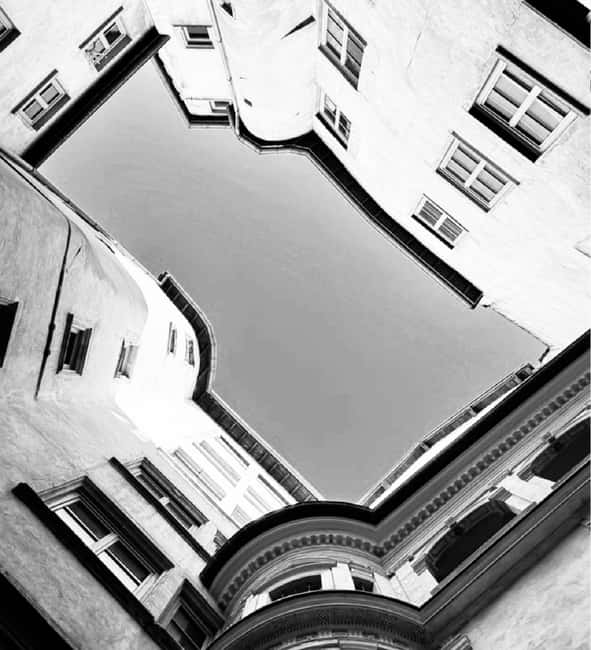
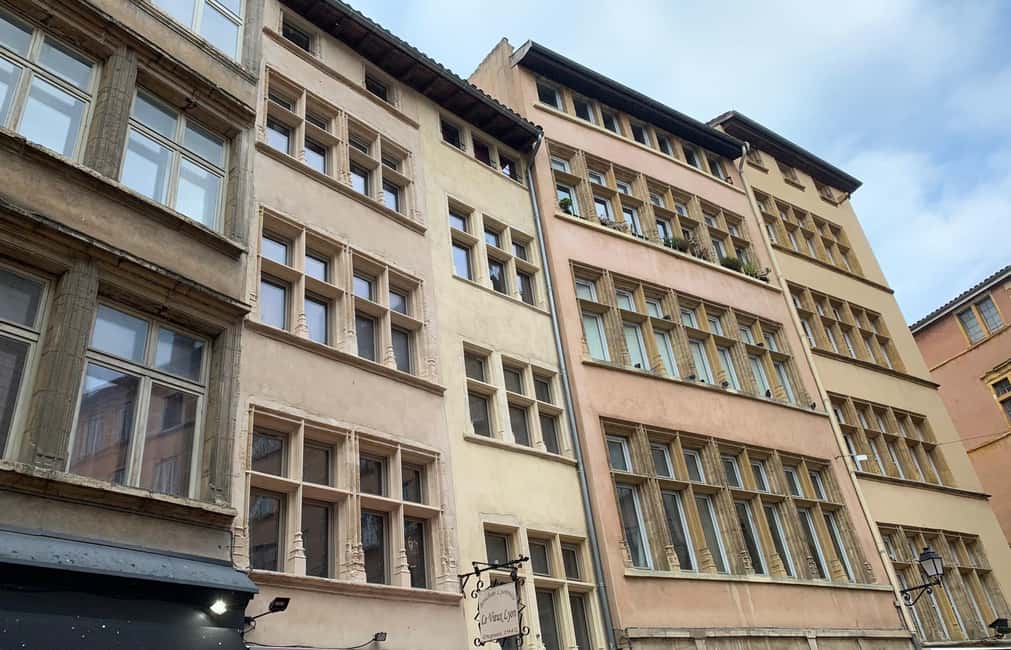
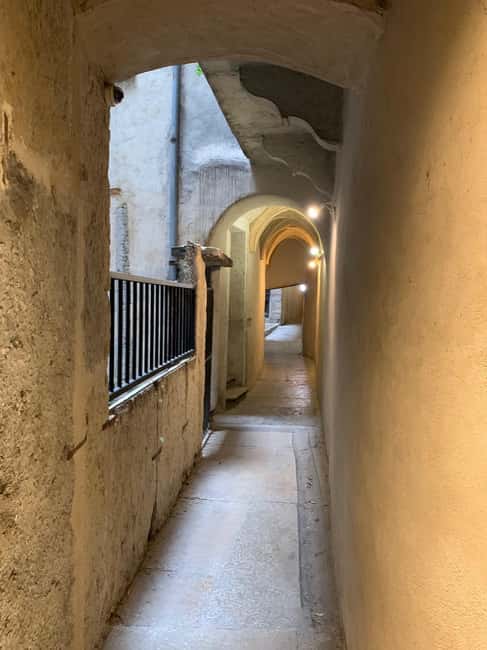
The main event is the traboules network in the Renaissance district of Vieux Lyon. The tour focuses on some of the passageways still open to the public, including lesser-known ones tucked away behind ordinary doors and gates.
Here’s what the experience usually feels like on the ground. You step off a main street, enter a courtyard, then transition into a corridor that runs through or between buildings. You may pass under arches, through vaulted sections, or along narrow stretches where courtyards connect multiple access points. It’s not a single tunnel. It’s a set of linked pathways that create multiple routes through the neighborhood.
The value of having a guide here is simple: without local help, many of these access points stay invisible. Yannick’s whole angle is showing you how the neighborhood is actually navigable if you know where to look. That includes understanding the difference between a corridor that’s just a passage and one that served a specific purpose for work, trade, or movement.
And because the group is small, you’re not forced to sprint. You can slow down for details like architectural features and the way courtyards are arranged around the corridor system.
The stories behind the stones: silk, power, and wartime Lyon
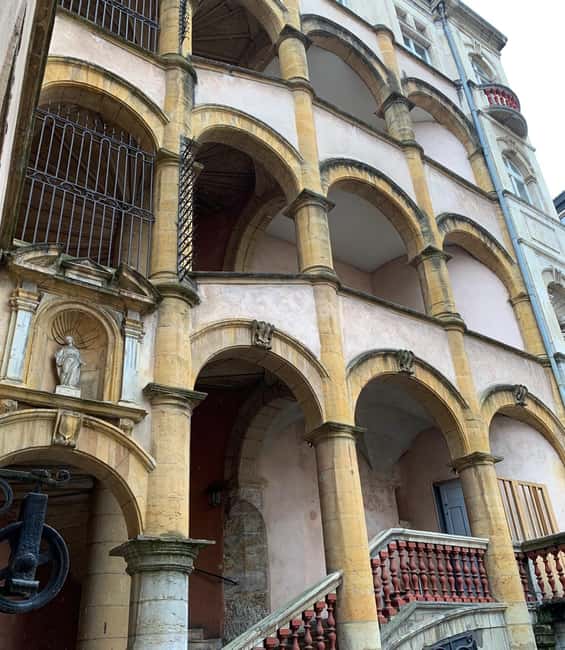
The tour’s narrative is built around Lyon’s complicated past, using the traboules as the through-line. The big themes you’ll hear about are commerce, politics, religion, and wartime life. You won’t just learn what happened. You’ll learn why these corridors mattered to the people dealing with daily challenges.
Silk trade shows up early in the story. Lyon’s silk reputation isn’t just a trivia point here. The guide connects trade activity to the practical needs of moving goods, workers, and people through protected routes. When you see the passageways in the context of work and industry, the network feels designed for efficiency.
Then you’ll get the power-and-control layer. One of the more memorable threads is the long-term rivalry between church authority and civic rule, explained through the way buildings and passage access reflected who had influence. You’ll also hear about how notable names like the Medici leave faint traces in the local storyline, even when you’re walking in quiet courtyards you’d normally ignore.
For wartime, the tour brings in French Resistance activity during the Second World War. This is where traboules stop being only historical plumbing and start sounding like a living survival tool. The idea is that these linked corridors could support covert meetings, quick movement, and discreet access when the normal street world was dangerous.
The guide also injects clever, memorable humor. One story angle involves the Swiss soldiers who sacked Lyon in the 16th century, described in a playful way that makes the event easier to remember without losing historical clarity. It’s a technique that keeps you attentive, especially on a 150-minute walk with lots of turns.
A guide like Yannick: humor, clarity, and real local instincts
A lot of tours promise personality. This one tends to deliver it because Yannick’s style is built on energy and timing, not just jokes. In the feedback you’re given, his approach is repeatedly described as funny, engaging, and able to adapt the walk to the group.
That adaptability matters when you’re learning about architecture and history. Some people care most about buildings and symbols. Others want social history and politics. Yannick’s stories seem to blend both, and you’ll feel that in how the tour switches between corridor facts and the human stories tied to them.
You’ll also notice his attention to pacing. The tour format leaves room for questions, which is a big advantage in a small group of around 10. In a city like Lyon, the best part is often the moment you ask why something was built a certain way or what a courtyard sign actually meant.
Another quietly important strength: respect for residents. Traboules connect to real homes and active courtyards. The tour keeps the experience quiet and considerate, which is also the smartest way to ensure the neighborhood stays open and welcoming to visitors.
You can also read our reviews of more private tours in Lyon






How the 150 minutes works in real life
At 150 minutes, you’re getting roughly two and a half hours of walking, entering passageways, and hearing stories. That time length is a sweet spot. It’s long enough to feel like you’re actually learning the neighborhood, not just collecting highlights. It’s short enough that you’re still fresh when you finish and want to explore more on your own.
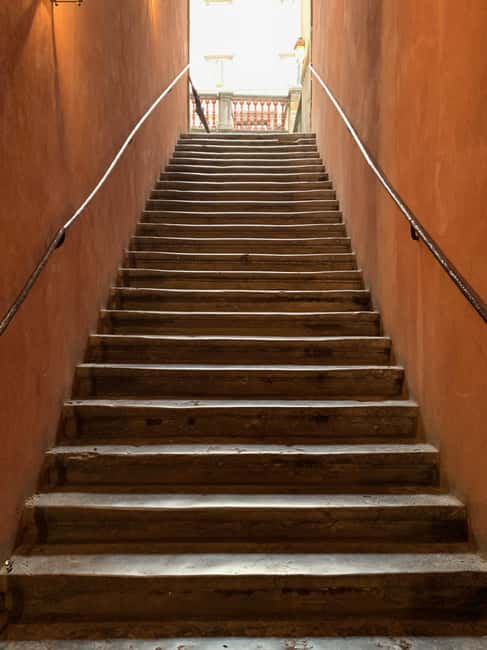
You should plan to keep moving. The tour isn’t a slow museum walk. It’s a walking route stitched through Vieux Lyon’s corridor system, so comfortable shoes are non-negotiable.
The cold-weather reality: one piece of feedback notes the tour can feel long in chilly conditions. That’s not a deal-breaker, but it is a good reminder to dress for the weather and bring layers. If it’s raining, expect you’ll be wet for parts of the walk, since you’re outside between stops.
On the plus side, a private walking tour with a small group makes the time feel smoother. You’re not stuck waiting for a big crowd at narrow entrances. You can listen, move, and ask questions without the “tour bus effect.”
Price check: is $43 worth it for Lyon’s specific experience
At $43 per person for a 150-minute private walking tour, you’re paying for three things: (1) access to traboules that are hard to find on your own, (2) a guide who explains what you’re looking at, and (3) small-group pacing that keeps the experience personal.
If you were to DIY Lyon’s traboules, you’d likely do well with a couple of well-known passageways. But this tour is designed to cover lesser-known corridors and to connect them to silk trade, political tension, religious power, and wartime use. That’s the difference between seeing courtyards and actually understanding why they’re linked.
The guide’s humor and storytelling also count as value. When the stories are memorable, the cost feels easier to justify because you walk away with more than a set of photos. You’re better equipped to spot corridor access points after the tour, which extends your return on time.
So, if you care about architecture with context, or you want a route you can’t easily map yourself, the price lands in the reasonable-to-good category. If you only want quick photo stops and you dislike walking or stairs, you’ll feel the cost more than the value.
Who should book this traboules tour
This is a strong choice if you want a deeper Lyon experience without spending time guessing your way through the Old Town. It works especially well if you like architecture plus human stories, or if you want a guided framework so you can explore the area smarter afterward.
It’s also a good fit for families with older kids who can handle walking and listening. Feedback mentions teens enjoying it, which often means the pacing and storytelling are accessible, not overly academic.
Skip it if you use a wheelchair or have mobility impairments. The tour includes stairs and stairways inside traboules, and strollers can be hard to manage for the same reason. Also, since you’re moving through quiet residential spaces, you’ll need to keep noise levels low.
Should you book the Lyon private traboules walking tour
Yes, you should book this tour if your goal is to understand Vieux Lyon’s corridor network instead of just snapping a few pictures. The combination of small group size, access to open passageways, and Yannick’s storytelling style makes it an efficient use of 150 minutes.
Book it early in your Lyon visit if you want it to shape how you explore the city afterward. Once you understand how the corridors connect and what details to look for, the rest of the Old Town feels easier to navigate and more interesting to read.
Don’t book it if stairs are an issue for you, or if you want a fully accessible route. Also think twice if you’re expecting a short, mostly street-level stroll.
If you can handle comfortable walking and stairs, this is one of the better ways to see Lyon’s hidden side with a guide who clearly treats these traboules like a local craft, not a generic sightseeing checkbox.
FAQ
Where do I meet the guide?
Meet your guide in front of the old fountain in the middle of the cathedral square.
How long is the Lyon traboules walking tour?
The tour lasts 150 minutes.
What languages are the tours offered in?
The live guide works in English and French.
How big is the group?
It’s a small group limited to 10 participants.
Is this tour suitable for wheelchair users or people with mobility impairments?
No. It is not suitable for people with mobility impairments and it is not suitable for wheelchair users.
What should I bring, and is there any behavior guidance?
Bring comfortable shoes. Making noise is not allowed.
Is it flexible to book, and can I cancel?
You can reserve now and pay later. There is also free cancellation up to 24 hours in advance for a full refund.