REVIEW · PARIS
Louvre Museum Masterpieces Guided Tour
Book on Viator →Operated by Paris TRIP · Bookable on Viator
Skip Louvre chaos with a highlights sprint. This is a 2-hour, English-language Louvre tour built around skip-the-line entry and a small-group pace, with stops that hit the museum’s biggest icons first instead of letting you wander and waste daylight. I love the tight focus on the works that most people come for (Venus de Milo, Nike of Samothrace, Mona Lisa) and the way your guide adds story, context, and viewing tips. One caution: it’s still the Louvre—crowds, stairs, and the long walk around the famous pieces can wear you out.
The format is simple. You meet at Librairie Delamain (155 Rue Saint-Honoré, 75001), walk with your guide straight to the masterpieces, then you get independent time inside the museum afterward. It’s designed for first-timers who want a fast orientation and a smart path through a place that can swallow a whole day.
Here’s the practical takeaway on value: you’re paying about $121.72 per person for a guided highlights tour (max 6 people) plus the included admission ticket. It can feel like money well spent if you want the big names and guidance through the crowds; if you’re hoping for a relaxed stroll with plenty of sitting and detours, plan differently—this one is built for movement.
In This Review
- Key points that make this tour worth your time
- Why the Louvre needs a plan (and this tour gives you one)
- Meeting at Librairie Delamain and getting moving fast
- Nike of Samothrace and the art of looking up
- Venus de Milo: how a missing piece becomes a story
- Mona Lisa: getting the most from the loudest crowd
- The rest of the museum time: use it like a power tool
- Price and value: what $121.72 is really paying for
- Skip-the-line: a promise, not a magic spell
- Walking, stairs, and comfort: know what you’re signing up for
- Who should book this Louvre Masterpieces tour?
- Should you book the Louvre Museum Masterpieces Guided Tour?
- FAQ
- How long is the Louvre highlights tour?
- Is the museum admission ticket included in the price?
- What group size should I expect?
- Where do we meet, and where does the tour end?
- Which famous masterpieces will we see?
- Does the tour really skip the line?
- Is the tour wheelchair accessible, and are food or drinks included?
Key points that make this tour worth your time
- Small group (max 6): more questions, more adjustment, less herding.
- Big icons first: Nike of Samothrace, Venus de Milo, then Mona Lisa, so you don’t miss the core works.
- Skip-the-line promise: most people report faster entry, but delays can happen when access points change.
- Two hours is the sweet spot: you get a guided hit list, then time to choose your own rabbit holes.
- English guide + art history stories: not just facts, but context for what you’re looking at.
- Physical walking required: stairs and museum crowds are part of the deal.
Why the Louvre needs a plan (and this tour gives you one)
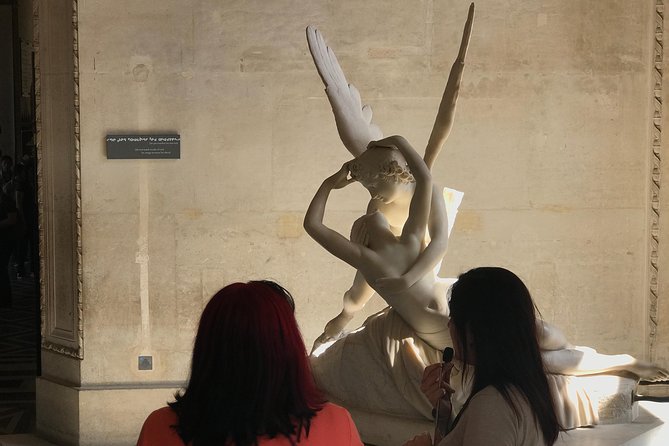
The Louvre is not hard because the building is confusing—it’s hard because it’s enormous. On your own, you can end up spending more time plotting where to go next than actually looking at the art. This tour solves that with a short, purposeful route that brings you to the museum’s headline pieces quickly.
The best part is the order. You don’t start deep in side galleries where you might get lost in the sheer volume. You start with a walk-and-explain rhythm: your guide sets the scene, then you stand where the artwork makes sense, instead of trying to figure it out while surrounded by thousands of people.
Another thing I like: the guide doesn’t just say what the work is. They help you see it—what to notice, how to interpret details, and why the piece matters in the Louvre’s wider story. That’s especially useful with works like the Mona Lisa, where the viewing experience is often crowded and chaotic.
You can also read our reviews of more guided tours in Paris



Meeting at Librairie Delamain and getting moving fast
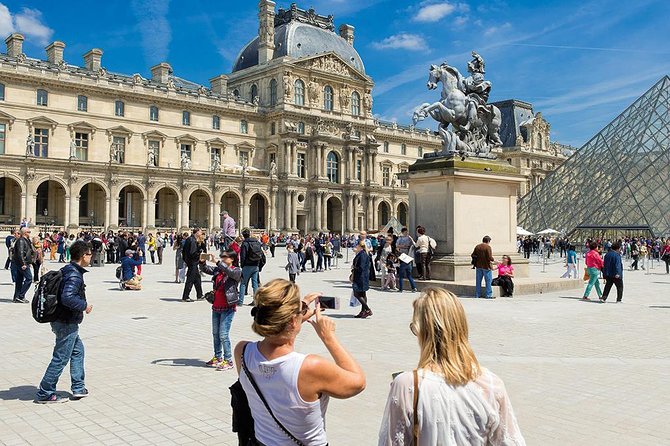
You meet at Librairie Delamain, 155 Rue Saint-Honoré in Paris’s 1st arrondissement. The location is convenient for transit, and it’s the kind of meeting point that tends to be easy to find if you arrive with a little buffer.
From there, the goal is momentum. Your guide leads you away from the stress point and toward the highlights, so your tour time doesn’t feel eaten up by logistics. And because the group is limited to 6, you generally move as a unit instead of being stuck behind a wall of people.
One small but real consideration: this is a meeting-from-the-street experience. You should come ready to walk right away. If you’re traveling with tight mobility needs, know that the museum route involves walking and stairs, and the tour is not listed as wheelchair accessible.
Nike of Samothrace and the art of looking up
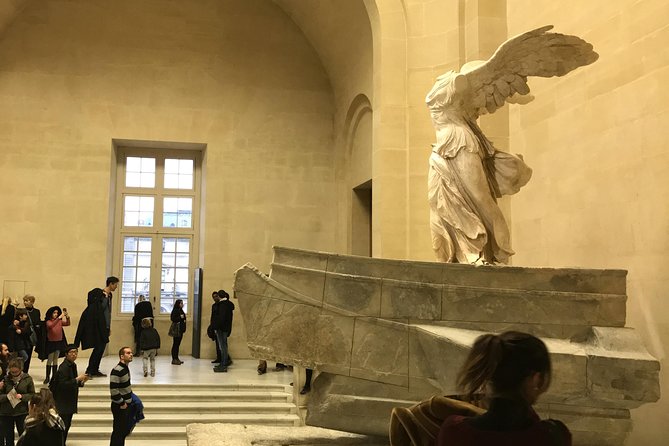
The first statue stop is often a gut-punch in the best way: Nike of Samothrace. Your guide takes you to the foot of the towering figure of Victory, and you get to appreciate what made the statue famous in the first place—movement, energy, and that unmistakable sense of wind in the sculpted cloak.
What I like about this stop is the context. It’s not just an ancient sculpture staring back at you. You learn what Nike represents, then you stand in the spot where scale and details hit. It’s easier to connect with the work when your guide gives you a framework before you get close.
The group size helps here. You’re less likely to be jostled into a bad view for a quick photo. In the Louvre, that matters—viewing conditions change fast, and having a guide helps you find the best angles without turning the stop into a sprint.
Venus de Milo: how a missing piece becomes a story
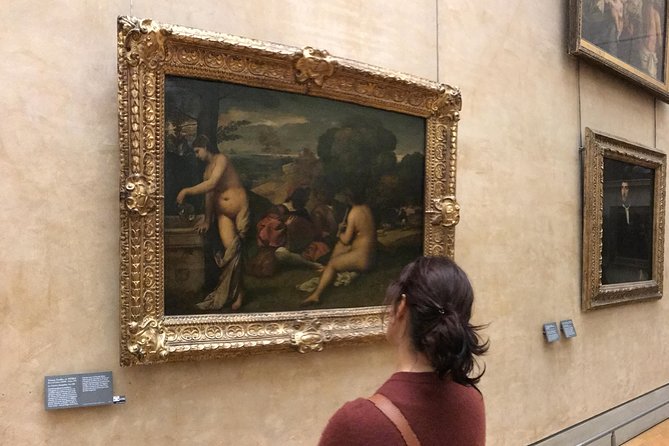
Next comes Venus de Milo, one of the most famous survivors from ancient Greece. Your guide explains what happened to the statue and how it was discovered on the tiny Aegean island of Milos. That lost-and-found arc adds a strange kind of drama: you’re not only looking at a sculpture—you’re looking at the afterlife of a sculpture.
This is another place where a guide helps you interpret what you’re seeing. Without context, you can miss why the figure has such a hold on modern imagination. With context, you notice more: posture, expression, and the way the body still reads with strength even though the statue isn’t intact.
Also, since this is a highlights tour, you’re not stuck here for long. You get enough time to take in the key aspects without losing the rest of the route to crowd fatigue.
Mona Lisa: getting the most from the loudest crowd
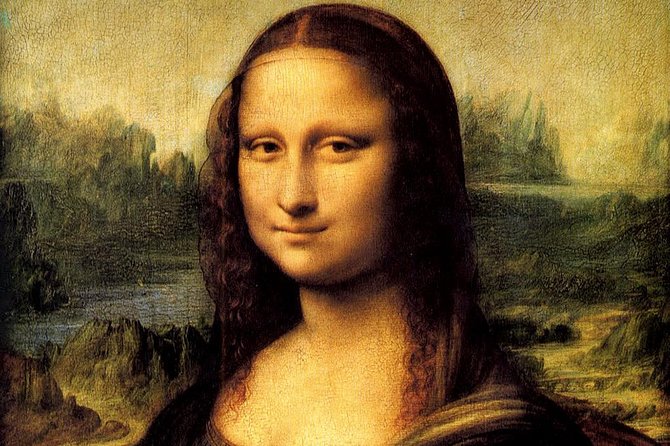
Then you hit the big one: Leonardo da Vinci’s Mona Lisa. Expect the area to be crowded in a way that feels almost like an event. One practical reality: the crowd can make it hard to see her closely, even when you’re there on time.
That’s where the guide’s job becomes more than storytelling. You can be standing right next to the painting and still struggle to see much, because people crowd around the same point. Your guide helps you find a workable viewing position and explains what to notice, including what’s known and what still feels mysterious about the portrait.
This stop is also a lesson in patience. If your plan is photos from the front, you might be disappointed. If your plan is learning how to look—how the gaze works, how the technique holds up—you’ll get a lot more out of the time.
You can also read our reviews of more museum experiences in Paris




The rest of the museum time: use it like a power tool
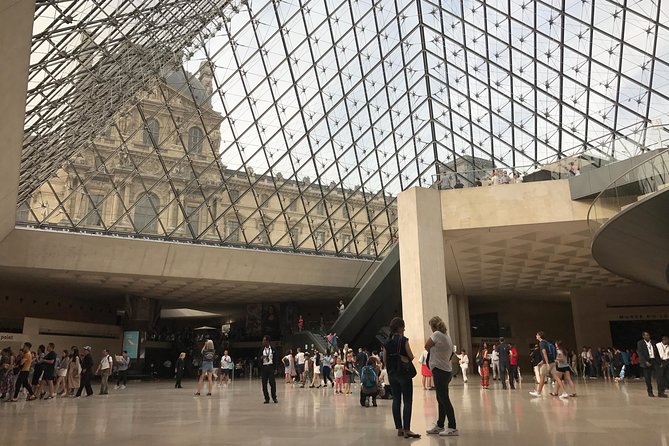
After the guided portion, you get independent time inside the Louvre. That’s one of the best parts of this format, because you can shift from someone else’s route to your own interests.
In practice, your guide points you toward what to chase next. Some guides also help you aim for follow-up favorites beyond the headline works, including pointers toward other sections people often overlook. If you’re the type who wants to choose your own path, this handoff is exactly what you want.
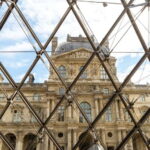
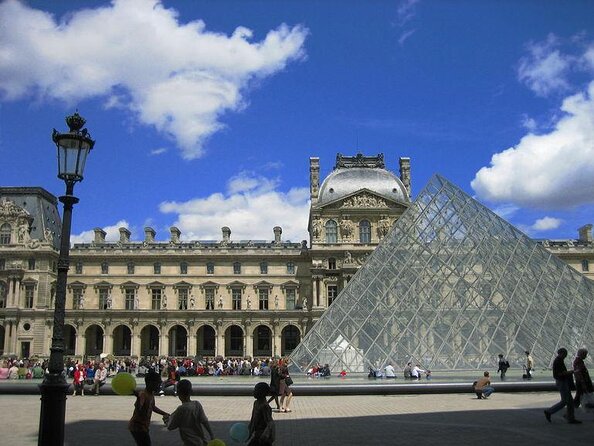
One bonus detail you might encounter: some routes also lead through areas that connect to the Louvre’s famous pyramid view when you transition out. It’s not the main show, but it’s a nice way to tie together the inside experience with the Louvre’s iconic exterior shape.
Price and value: what $121.72 is really paying for
At $121.72 per person, you’re paying for three things at once: a professional guide, a short-route highlights experience, and an included admission ticket (listed as €28). You’re also paying for the time savings of going straight to the masterpieces instead of building your own itinerary from scratch.
When this price feels like a win:
- You’re short on time and want the museum’s biggest hits without spending hours deciding.
- You like having a person explain what you’re looking at while you’re looking at it.
- You prefer a small group where questions are realistic.
When it might not feel right:
- If you already know exactly what you want and you’re comfortable planning your own routes under pressure.
- If you’re expecting skip-the-line to guarantee zero delays every single time. The promise is strong, and many people report smooth entry, but access can be affected by crowd surges, entrance changes, or strikes.
That last point matters. If you want the Louvre as a calm, uncrowded gallery stroll, you may still feel the museum’s intensity even with the best timing.
Skip-the-line: a promise, not a magic spell
The tour description focuses on guaranteed skip-the-line admission, and plenty of experiences align with that. But the Louvre is a live system: entrance lanes can close, and timed entry can get weird in peak periods.
A couple of real-world examples show the pattern. One person said their skip-the-line benefit didn’t work as described because a dedicated guided entrance was closed for maintenance. Another mentioned a strike that delayed entry until later in the morning, which of course isn’t anyone’s fault, but it changes the day’s flow.
So here’s how I’d think about it: the skip-the-line feature is your edge, but you still need a flexible mindset. Arrive with a calm plan, not a rigid expectation of perfect conditions.
Walking, stairs, and comfort: know what you’re signing up for
This tour clearly comes with movement. It’s about 2 hours, and the museum route includes walking and stairs. It’s also listed as not wheelchair accessible, and it asks for a strong physical fitness level.
That said, good guides can make a big difference. Some guides are careful about breaks, seating opportunities, and route adjustments when someone has physical limitations. One guide insisted a guest sit every chance they could during the visit, and another made sure the group handled bathroom and water stops in a practical way.
There’s also the reality of comfort inside the Louvre. One unhappy note mentioned lack of air-conditioning during their visit. I can’t promise your experience will match that, but on hot days, assume you’ll need to manage heat and energy yourself.
If you depend on audio guidance, one person had a headset issue that the guide corrected during the tour. The takeaway: stay alert, speak up quickly if something isn’t working, and you’ll usually get help fast.
Who should book this Louvre Masterpieces tour?
Book it if you want:
- A fast, high-impact introduction to the Louvre’s best-known works.
- A route that saves time and prevents you from wandering in circles.
- A guide who explains more than the label—how to see, what to notice, and why it matters.
It’s also a strong family choice. One guide managed to keep a group including two teenagers engaged, and another made the tour feel doable for a 13-year-old. If your group wants stories plus structure, this kind of format tends to work.
Skip it or rethink it if:
- You need step-free access (it’s not wheelchair accessible).
- You want lots of sitting and slow browsing.
- You’re okay with a self-guided plan and don’t need guided viewing advice.
For most first-timers, though, this tour is a smart way to get oriented and then decide where to go next.
Should you book the Louvre Museum Masterpieces Guided Tour?
Yes, if your main goal is to see the Louvre’s biggest masterpieces with a guide leading the way and you want to spend your time looking instead of planning. The small-group size, the focused stops (Nike, Venus de Milo, Mona Lisa), and the included admission ticket make it a practical value—especially if you book ahead, since this experience is often reserved about 33 days in advance.
My final advice is simple:
- Choose an earlier time slot when you can, since it can mean smoother security and easier movement.
- Wear shoes you can walk in for the full 2 hours plus any extra roaming afterward.
- Keep expectations realistic about crowding around the Mona Lisa, even with skip-the-line access.
If you match those needs, this tour is one of the easiest ways to leave the Louvre feeling like you actually got somewhere.
FAQ
How long is the Louvre highlights tour?
The tour lasts about 2 hours.
Is the museum admission ticket included in the price?
Yes. The entrance ticket to the Louvre is included (listed as €28).
What group size should I expect?
The tour is limited to a maximum of 6 travelers.
Where do we meet, and where does the tour end?
You meet at Librairie Delamain, 155 Rue Saint-Honoré, 75001 Paris. The tour ends inside the Louvre, at the end of your visit.
Which famous masterpieces will we see?
The highlights include major stops such as the Nike of Samothrace, the Venus de Milo, and Leonardo da Vinci’s Mona Lisa.
Does the tour really skip the line?
The tour is advertised as skip-the-line with guaranteed admission, and many experiences describe faster entry. At the same time, access can be affected by unusual situations like entrance closures or strikes.
Is the tour wheelchair accessible, and are food or drinks included?
No, it is not wheelchair accessible. Food and drinks are not included.