REVIEW · COLMAR
Visit and tasting of wines and cheese and charcuterie platter
Book on Viator →Operated by Domaine Specht - Vins d'Alsace et activités oenotouristiques · Bookable on Viator
Smell the wine before you even taste. At Domaine Specht in Mittelwihr, you tour the pressing hall, walk through stainless vats and historic wooden tuns, then finish with a tasting cellar session that comes with cheese and charcuterie. I love the hands-on cellar storytelling and the fact that you can choose your tasting, but the main consideration is the tight 1 hour 30 minute time window, so come with a few questions ready.
This is also built for real conversation: the group stays small (up to 15), the tour is in English, and it starts and ends right at 2 Rue des Églises in Mittelwihr. For $36.12 per person, you’re getting more than a sip or two, with an experience that feels like a mini tour of winemaking plus an aperitif-style platter.
In This Review
- Key highlights you will care about
- Domaine Specht in Mittelwihr: what this Alsace wine and platter tour is really about
- Stop 1: Entering the pressing hall (where grapes start the transformation)
- Stop 2: Walking through the stainless steel vats during fermentation
- Stop 3: Historic wooden tuns and fermentation/aging style
- Tasting cellar finale: estate wines plus cheese and charcuterie
- Price and value: is $36.12 per person a fair deal?
- Who will enjoy this most (and who should adjust expectations)
- Tips to get more out of your wine and cheese tasting
- Should you book this Mittelwihr cellar tour and tasting?
- FAQ
- FAQ
- Where is the tour meeting point?
- How long does the visit and tasting take?
- How much does it cost?
- What language is the tour offered in?
- What does the tasting include?
- How big are the groups?
- Are service animals allowed?
- What are the cancellation rules?
- Will I get confirmation after booking?
Key highlights you will care about

- Cellar route that matches the wine process: pressing hall, stainless vats, then wooden tuns
- Real tasting cellar time with estate wines paired with cheese and charcuterie
- You can choose what you taste, not just follow a fixed pour
- Small group size (max 15) makes questions easy
- English mobile ticket for straightforward planning
- Ideal for aperitif or a light lunch style of eating
Domaine Specht in Mittelwihr: what this Alsace wine and platter tour is really about

If you want an Alsace wine experience that explains the how, not just the what, this Domaine Specht tour is a smart pick. The heart of it is simple: you explore the cellar production spaces, then you sit down in the tasting cellar to taste the result with a proper food pairing.
I like that it stays practical. You are not bouncing around town for logistics. Instead, you move through the winery in a clear sequence, so the talk about fermentation and winemaking processes makes sense before you even start tasting. And because the group is small and the pace is unhurried, you can ask follow-up questions without feeling rushed.
The overall vibe is friendly and focused. You’ll see the kinds of spaces where wine changes from grape to must to fermenting liquid, then into something that can be served. That context makes the tasting more meaningful, because you can connect flavors to what happens earlier.
You can also read our reviews of more food & drink experiences in Colmar
Stop 1: Entering the pressing hall (where grapes start the transformation)
The tour begins with the pressing hall, and this is a great first stop for anyone who wants a quick education in what winemakers do right at the start. Pressing is where fruit becomes must, the key step that sets the whole process in motion.
Why this part matters: once you understand that the wine begins with what’s extracted from the grapes, the rest of the cellar tour starts to click. You’ll also get the chance to see the working environment where the early steps happen, rather than treating winemaking like magic.
A practical tip: if you have a favorite style of Alsace wine, ask about how the winemaking choices influence it. You’ll likely get better answers when you’re standing in the exact place where decisions start.
Stop 2: Walking through the stainless steel vats during fermentation

Next, the tour moves through the middle of the stainless steel vats. This is where the experience turns from general talk into process you can actually picture.
Stainless steel vats matter because they are a common tool for managing fermentation and protecting the wine’s character while it develops. Even without a chemistry lesson, this stop helps you understand why many Alsace whites can taste clean, lively, and fruit-forward.
This is one of the parts I’d call most valuable if you care about why Alsace wines can taste different even when they come from similar regions. You’re learning what happens after pressing, and you can start mentally linking the stages you see to what you taste later.
You should also know the tour is short. You’ll cover a lot of cellar ground, so if you want deep technical answers, be ready with a few pointed questions.
Stop 3: Historic wooden tuns and fermentation/aging style

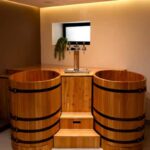
Then you head into the historic portion of the cellar with wooden tuns. This is the stop that adds character and context, because it shifts from modern stainless spaces to older cellar tools with a different feel and purpose.
Wood changes the way a winery thinks about aging and handling wine. It’s a visual and sensory contrast too: wooden tuns look and feel different, and the conversation tends to become more about how winemaking choices affect texture and overall wine personality.
What I like here is that the tour doesn’t treat wood as a decoration. It’s framed as part of the winemaking process, so your tasting later doesn’t feel disconnected. You’ll be able to listen for how these choices show up in glass.
If you enjoy craft wine and want more than a basic tasting, this wooden-tun stop is often where the lightbulb moment happens.
Tasting cellar finale: estate wines plus cheese and charcuterie
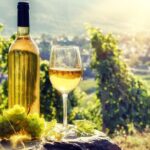
The last act happens in the tasting cellar, where you sample the best wines from the estate alongside an assortment of cheeses and charcuterie. This is designed as an aperitif or a light lunch, so plan on eating something beyond just bread and crackers.
This is also where the experience gets personal. You can choose your tasting, which means you’re not stuck with only whatever the host pours first. That gives you control, especially if you prefer whites, enjoy a specific grape, or just want to compare styles.
Some tastings can include a range of Alsace favorites, from Riesling to Gewurztraminer, and you may also sample a Pinot Noir. Since selection can vary, treat that as a helpful expectation of what the cellar might offer rather than a guaranteed lineup.
Food pairing is part of the point. Cheese and charcuterie are not an afterthought here. They give you a chance to taste how wine changes in your mouth with salty, fatty, and savory flavors. If you’ve ever felt that wine tastings are too abstract, this format fixes that. It’s practical, edible, and you can taste differences faster.
One extra value note: some guests leave with a box. That means you can take your selected bottles with you rather than only enjoying them during the visit.
You can also read our reviews of more wine tours in Colmar
Price and value: is $36.12 per person a fair deal?

At $36.12 per person for about 1 hour 30 minutes, you’re paying for three things in one package: a cellar tour through multiple production spaces, a wine tasting in the tasting cellar, and an actual platter of cheeses and charcuterie.
In this part of Alsace, wine tastings can be priced in a way that sometimes feels like you pay mainly for the pour. Here, you’re also paying for the production walk-through. You get context, plus time to taste, plus food. That combination is why the value feels strong.
You also get a small-group experience with a maximum of 15 people. Smaller groups often mean more time and fewer interruptions, which can matter a lot when you’re asking about winemaking steps like fermentation.
If you’re the kind of traveler who likes to understand what you’re eating and drinking, this price tends to feel reasonable because it’s not just sipping. It’s an explanation plus a tasting table.
Who will enjoy this most (and who should adjust expectations)
This tour fits best if you like one or more of these:
- You want an Alsace wine tasting that includes the production side
- You enjoy cheese-and-charcuterie pairings more than you enjoy formal dining
- You prefer a small-group experience where questions feel welcome
- You want a short activity that still feels educational and satisfying
It’s also a good match for couples and small groups. The route is compact, and the pacing is made for conversation, not for sprinting from room to room.
The main consideration is time. In 1 hour 30 minutes, you’ll see pressing spaces, fermentation areas, and a tasting finale. It’s not a long winery immersion. So if you want to spend hours in one place or go very deep into technical specifics, you might want to pair this with a second, longer tasting elsewhere.
Tips to get more out of your wine and cheese tasting
You’ll get the most out of this experience if you treat it like a mini winemaking lesson with food. Here are simple ways to make that happen:
- Come ready to compare styles. If you love white Alsace, ask how fermentation choices influence aromas and taste.
- Ask questions while you’re standing in the relevant part of the cellar. It helps you connect the talk to the setting.
- Pace your bites. Take a sip, then a bite of cheese or charcuterie, then sip again. You’ll taste the pairing effect faster.
- If you have a preference, say it early. Since you can choose your tasting, you’ll steer your pours toward what you actually want to learn.
- If you’re celebrating, mention it. A patient, informative guide experience is part of the charm, and it can make the moment feel more personal.
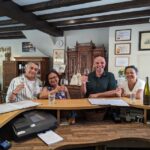
Some guides named in guest accounts include Orianne and Herr Specht, and the consistent theme is friendly teaching with patience for questions.
Should you book this Mittelwihr cellar tour and tasting?
Book it if you want a compact, high-value Alsace experience that mixes cellar education with a real tasting and food pairing. The small group size, the clear production-to-tasting flow, and the option to choose what you taste are the big reasons to say yes.
Skip it or adjust expectations if you are looking for a long, deep dive spanning a half day, or if you only want a quick drink stop with minimal explanation. This is a structured 90-minute experience, and it rewards curiosity more than casual passersby.
FAQ
FAQ
Where is the tour meeting point?
It meets at 2 Rue des Églises, 68630 Mittelwihr, France, and it ends back at the same meeting point.
How long does the visit and tasting take?
The duration is about 1 hour 30 minutes.
How much does it cost?
It costs $36.12 per person.
What language is the tour offered in?
The tour is offered in English.
What does the tasting include?
You’ll taste wines from the estate in the tasting cellar, accompanied by an assortment of cheeses and charcuterie.
How big are the groups?
The activity has a maximum of 15 travelers.
Are service animals allowed?
Yes, service animals are allowed.
What are the cancellation rules?
You can cancel for a full refund up to 24 hours before the experience starts.
Will I get confirmation after booking?
Yes, confirmation is received at the time of booking.