REVIEW · PARIS
Paris: Entry Ticket to the Great Gallery of Evolution
Book on GetYourGuide →Operated by GetYourGuide Tours & Tickets GmbH · Bookable on GetYourGuide
Evolution looks better under a glass roof. The Grande Galerie de l’Évolution inside the Jardin des Plantes turns natural history into a walk-through science story, with dramatic lighting and life-size displays you can actually follow at your own pace.
I love the sheer scale—over 7,000 preserved animal specimens from every continent—because it makes evolution feel concrete, not abstract. I also like the digital exhibits that connect the animals you’re seeing to the bigger ideas of biodiversity and change over time.
One thing to plan for: the gallery can feel a bit cold, and that’s not just theory. If you’re visiting in winter, pack a layer so you can linger.
In This Review
- Key things that make this museum worth your time
- Grande Galerie de l’Évolution: under that glass-roof world
- 7,000+ specimens from every continent: how the layout tells the story
- Digital exhibits on evolution and biodiversity (the parts that make it click)
- Rare, extinct, and themed environments: what to focus on
- Temporary exhibitions: a bonus that can shift your route
- Kids’ discovery spaces in the Jardin des Plantes
- Price and value: is $15 worth it?
- Hours, best timing, and how long you really need
- Included vs not included: what you should plan for
- Who this experience suits best
- Should you book this Paris evolution ticket?
- FAQ
- How much is the entry ticket?
- How long is the visit?
- Where is this located?
- What is included with the ticket?
- What is not included?
- Are there free admission options?
- Is the museum wheelchair accessible?
- What days is it closed?
- What are the opening hours and last admission time?
- Is the ticket refundable?
Key things that make this museum worth your time
- 7,000+ preserved specimens: from big animals to small ones, all arranged to show how life varies across the planet
- Digital evolution stations: hands-on style learning that keeps your brain engaged, not just your eyes
- Themed rooms with rare and extinct species: more than a zoo look—there’s a storyline
- Children’s discovery spaces and activities: a real place for kids to touch, try, and learn
- Soundscapes and atmospheric lighting: the setting helps the science stick
Grande Galerie de l’Évolution: under that glass-roof world
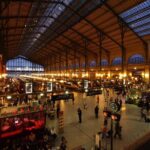
The museum sits right in the Jardin des Plantes area, and the experience begins with the building itself. You’re walking under a spectacular glass roof, and the light plus the long central nave makes you feel like you’re moving through time. It’s one of those museum designs where the space guides you—your eyes naturally travel from one habitat to the next.
What I like is that you’re not just staring at cases. The displays are staged to feel lifelike, with dramatic presentation that makes even preserved specimens look “present.” If you like natural history but get impatient with quiet, dusty halls, this format helps.
A few more Paris tours and experiences worth a look



7,000+ specimens from every continent: how the layout tells the story
The headline number is huge for a reason: over 7,000 preserved animal specimens lets you see variation in scale and form. You’ll come across everything from large animals like elephants to smaller creatures such as butterflies. That range matters because evolution isn’t only about rare “wow” animals—it’s about patterns you start noticing once you’ve got enough examples in front of you.
As you move along, the museum’s sections are organized in a way that connects ideas: where animals live, how they’re related, and what changes when environments shift. The gallery’s visual rhythm helps you build a mental map instead of just collecting facts.
A practical tip: don’t try to read every label. Pick a few specimens in each section and then look for the digital stations nearby that explain the “why.” That strategy keeps the visit fun and prevents information overload.
Digital exhibits on evolution and biodiversity (the parts that make it click)
The gallery includes interactive, digital-style exhibits focused on evolution and biodiversity. This is where the museum moves from “look at animals” to “understand what’s going on.” The idea is simple: you’re seeing the evidence (the specimens and how they’re displayed), then you’re using the tech stations to connect it to concepts like how species change and why ecosystems matter.
These areas are also a good break from walking. If you’re visiting with kids or anyone who tires of long exhibitions, the digital stops give you a natural pace change. You can spend a few minutes here, then resume the walk without feeling like you’re stuck in one spot.
Also, the museum atmosphere helps. The lighting and staging make the content feel like part of a larger exhibit, not a random add-on screen.
Rare, extinct, and themed environments: what to focus on
One of the most satisfying parts of the museum is the way it presents rare and extinct species in themed settings. Instead of treating extinct animals like a footnote, the gallery gives them space in the overall storyline. That makes the museum more emotional (in a thoughtful way) and more memorable later.
You’ll also encounter themed sections with soundscapes that reflect different ecosystems. That matters because evolution isn’t only about the past—it’s about real environments and real constraints. When you hear the world those animals come from, you understand why certain traits help in certain habitats.
What to pay attention to while you’re walking:
- Look for how sections group animals by theme, not just by “pretty specimens.”
- When you see an extinct species, check the nearby context panels or stations so you understand what the display is trying to teach.
- If you’re short on time, prioritize the big thematic rooms first, then circle back for details.
Temporary exhibitions: a bonus that can shift your route
The museum schedule can include temporary exhibitions alongside the permanent galleries. Since your ticket covers permanent exhibitions, think of temporary shows as a bonus you might get depending on the day. If a temporary exhibit looks relevant to what you want to learn (biodiversity challenges, conservation topics), it’s worth adjusting your walking order to fit it in.
The upside of having temporary content is that repeat visits can feel different. Even on a first trip, it can keep the day from feeling like one long, fixed track.
You can also read our reviews of more museum experiences in Paris





Kids’ discovery spaces in the Jardin des Plantes
This is a strong choice for families because the museum has dedicated children’s areas with discovery-style spaces and activities. One of the best things about this setup is how it reduces friction. Kids don’t have to “endure” the science part. They get a place where curiosity is part of the design.
From the kinds of family visits people describe, the hands-on learning and activities are exactly what holds attention for younger visitors—especially when a child has a clear mission like finding certain displays or completing short discovery tasks.
If you’re going with a child, plan your day around breaks:
- Use the kids’ areas as a reset point.
- Let them pick a couple of themes they want to see rather than trying to cover everything.
- Dress for comfort, since a colder museum day can affect how long children want to stay.
Price and value: is $15 worth it?
At about $15 per person for a 1-day ticket, this museum can be solid value if your goal is a high-impact learning experience. You’re paying for a full entry ticket to the permanent exhibitions, plus access to all the main gallery spaces where the specimens and digital stations are located.
What makes the price feel reasonable is the combination: scale (7,000+ specimens) plus modern interpretation (digital exhibits) plus family-focused spaces. That mix is harder to find in many museums where you either get “big collection” but little interaction—or interactive tech with fewer real displays.
It’s also a good use of a limited Paris day because the visit is designed as one continuous experience. You’re not juggling multiple tickets, multiple timed tours, or separate transportation plans.
Hours, best timing, and how long you really need
The gallery is open every day except Tuesdays, plus closures on January 1, May 1, and December 25. Usual hours run 10:00 AM to 6:00 PM, and the last admission is 45 minutes before closing.
If you want a smoother day, aim for earlier in the open hours. Not because you’ll “beat crowds” (you might still find plenty of people), but because you’ll be fresher for the long walk and you’ll have more flexibility if you slow down at digital stations or children’s areas.
Your ticket is valid for 1 day, and you should check starting times. That matters because your ideal route depends on when you enter. Plan for time to wander and not just “pass through.”
One more practical point: bring a warm layer. A colder experience shows up in real feedback, and the glass-roof setting can feel chilly.
Included vs not included: what you should plan for
Your ticket includes:
- Entry ticket to the Grande Galerie de l’Évolution
- Access to the permanent exhibitions
Not included:
- Audio guide
- Guided tour
So if you want structured storytelling, you’ll need to rely on signage, your own pace, and the digital exhibits inside. The upside is freedom: you can stop exactly where you’re curious and skip what doesn’t interest you.
If you’re the kind of visitor who loves guided explanations, consider adding your own supplement outside the museum (like reading up before you go). But if you enjoy exploring, this setup is actually a good match.
Who this experience suits best
This museum works especially well if you:
- Like science but want a human, visual way to learn
- Travel with kids who need active spaces
- Want a single “big ticket” museum day that combines real specimens with modern interpretation
It’s also a nice fit for anyone visiting the Latin Quarter area afterward. The museum ends in the Jardin des Plantes surroundings, so you can naturally roll into a walk through the gardens.
If you’re traveling with mobility needs, the experience is wheelchair accessible, so you can plan the day without worrying about basic access barriers.
Should you book this Paris evolution ticket?
Book it if you want a museum that feels like a guided storyline without needing a formal guide. For me, the winning combo is the scale—7,000+ preserved specimens—paired with interactive digital exhibits and thoughtful family areas. At around $15, it also compares well to other “one-site” museum days in Paris where you pay a similar amount for much less variety.
Skip or reconsider if you dislike colder indoor spaces or if you want a fully scripted, leader-led tour. The ticket gives you access and freedom, not an audio guide or guided commentary.
If you’re planning a first-time visit to the Jardin des Plantes area, this is one of the most straightforward ways to turn that time into something educational and memorable.
FAQ
How much is the entry ticket?
The price is $15 per person.
How long is the visit?
The experience is listed as 1 day.
Where is this located?
It’s in the Jardin des Plantes area in Paris, Ile-de-France, France.
What is included with the ticket?
Your ticket includes entry to the Grande Galerie de l’Évolution and access to the permanent exhibitions.
What is not included?
An audio guide and a guided tour are not included.
Are there free admission options?
Yes. Free admission is available for people under 26 years old (EU and non-EU residents). Free admission is also available for disabled visitors and their companion with justification issued by the MDPH.
Is the museum wheelchair accessible?
Yes, the experience is wheelchair accessible.
What days is it closed?
It’s open every day except Tuesdays, January 1, May 1, and December 25.
What are the opening hours and last admission time?
It’s open 10:00 AM to 6:00 PM, with last admission 45 minutes before closing.
Is the ticket refundable?
No. The activity is non-refundable, and it’s valid for 1 day (starting times depend on availability).