REVIEW · COLMAR
Traditional visit and tasting
Book on Viator →Operated by Domaine Specht - Vins d'Alsace et activités oenotouristiques · Bookable on Viator
Small-cellar wine tours make me grin. At Domaine Specht near Colmar, you follow a lively path through a pressing hall and tank rooms, then wrap it up with an Alsace tasting served with Kougelhopf (or pretzel). I love how personal it feels for an easy 1 hour visit, and I also like that the tasting comes with guidance so you are not left guessing. One thing to plan for: getting there can be tricky if your transport options are limited.
This is built for small groups, with a maximum of 15 people, and it runs in English. You get a mobile ticket, and it starts right in Mittelwihr at 2 Rue des Églises, which keeps the start simple.
In This Review
- Key things to know before you go
- Entering The Specht Cellar: What the 1-Hour Visit Really Feels Like
- A quick reality check on timing
- Pressing Hall First: Where You See Winemaking Begin
- Don’t expect a long technical lecture
- Stainless Steel Tanks: Learning About Fermentation Without the Headaches
- Why tanks matter for your tasting
- Historic Cellar With Wooden Cranes: Old Meets Working Winemaking
- A good place to ask questions
- The Tasting Cellar: Wines Plus Alsace Comfort Food
- How tasting works in this format
- What to do with your taste buds
- Price and Value: Why $18 Works Here
- When the price is most worth it
- Colmar Area Logistics: Getting to Mittelwihr
- Quick practical tip
- Who This Tour Fits Best (and Who Should Skip It)
- Should You Book This Domaine Specht Wine Tasting?
- FAQ
- What is the duration of the Domaine Specht wine visit and tasting?
- How much does it cost?
- Where does the tour start?
- Is the tour available in English?
- What do I do during the tour?
- What food is served with the tasting?
- How large is the group?
- Do I get a mobile ticket?
- Are service animals allowed?
- Is there a cancellation window?
Key things to know before you go

- A true cellar walk, not just a room tour: you see the pressing hall, then stainless steel tanks, then the historic cellar.
- Historic wooden cranes, plus modern tanks: you get both the old-school and the working side of winemaking.
- Fermentation explained in plain language: you will learn what happens after grapes are pressed.
- Tasting cellar finale with local bites: Kougelhopf, a pretzel, or sliced Mauricettes et Vosgiennes, depending on group size.
- Small group vibe: max 15 people, which means more Q&A time.
- English available, for real: the tour is offered in English, so you can follow along comfortably.
Entering The Specht Cellar: What the 1-Hour Visit Really Feels Like

This tour is short on paper and satisfying in real life. Plan for about 1 hour, and you will feel like you actually stepped inside the winemaking workflow, not just looked at a label wall.
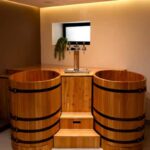
The pacing is straightforward. You start with the part of the process where grapes are handled and pressed, then you move into the middle of the cellar area with stainless steel tanks, and finally you shift to a historic section featuring old wooden cranes. That last stop matters. It gives you the sense that the building itself has a story—while you still get practical, hands-on process talk.
For me, the best part is that it stays personal. This is a family-run estate-style experience, and it tends to come across as friendly and welcoming rather than salesy. You are there to learn, ask questions, and then taste.
You can also read our reviews of more food & drink experiences in Colmar

A quick reality check on timing
Because it is only about an hour, you will want to arrive on time. If you are fashionably late, you might miss the chance to ask your best questions during the visit segment.
Pressing Hall First: Where You See Winemaking Begin
You do not start with the fancy part. You start at the pressing hall, which sets the tone. This is the stage that helps you understand what comes before fermentation—because the tour is not only about what wine tastes like, it is about how wine gets made.
What I like about leading with pressing is that it gives you a mental anchor. When you later hear about fermentation, it will make more sense. You can connect the dots instead of treating the process like separate trivia.
Also, this first stop is visually clear. Even if you are not a wine person, you can usually spot why this space matters. Grapes are handled here, and you are learning the logic of why each next step exists.
Don’t expect a long technical lecture
The tour focuses on walking through the spaces and explaining what happens there. If you want a lab-style deep dive with exact settings and numbers, you may want a longer, more specialized class. For most people, this is the right length and tone.
Stainless Steel Tanks: Learning About Fermentation Without the Headaches

After the pressing hall, you move into the area with stainless steel tanks. This is where the visit shifts from the physical beginnings to the process phase—especially the part about fermentation.
The big win here is that you are shown the environment where winemaking happens while the guide explains the process. It is easier to follow when you can connect the words to the actual place: the tank area is a working setting, and it helps you understand what fermentation is doing, even at a basic level.
From the tone of guides on this kind of visit, you can expect conversation style. People love that the guide spends time answering questions, not rushing. That matters if you are new to Alsace wine or if you just want to understand what you are tasting at the end.



Why tanks matter for your tasting
Even without getting overly technical, the tanks stop can change how you taste. When you know what stage the wine is coming from, you start paying attention to the flavors you care about. You stop thinking only about sweetness or dryness and start noticing balance.
Historic Cellar With Wooden Cranes: Old Meets Working Winemaking
Then comes the shift to the historic part of the cellar, where you will see wooden cranes. This is one of those details that makes the visit feel more than routine. It gives you that Alsace atmosphere: craft, heritage, and the sense that winemaking has been happening in these spaces for generations.
More importantly, this stop helps you understand how fermentation and storage practices fit into a physical cellar setting. Even if you are not an architecture fan, it shows you that wine work is both science and practical building design.
A good place to ask questions
This is the part where you can ask about how the historic cellar connects to the overall workflow. Since the group is small (max 15), it is usually easier to get a direct answer than in larger tours where everyone has to wait their turn.
The Tasting Cellar: Wines Plus Alsace Comfort Food

At the end, you go into the tasting cellar and taste the best wines from the estate. This is where the tour becomes fun, not just educational.
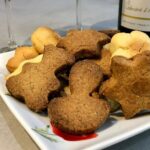
What you eat is traditional and Alsace-style: you are offered Kougelhopf, or a pretzel, or an assortment of sliced Mauricettes et Vosgiennes depending on how many people are in the group. That choice-by-group-size detail is actually helpful. It keeps things flowing and keeps the tasting experience from feeling chaotic or rushed.
How tasting works in this format
This is a guided tasting. That means you are not stuck staring at a flight list trying to decode what you are supposed to taste. The guide helps walk you through it, and the overall vibe is friendly—especially for people who call themselves amateurs, not wine experts.
In reviews tied to this experience, the biggest praise is consistent: guides are sweet, patient, and happy to answer questions. One host named Thibault Specht is mentioned in connection with a passionate, accessible explanation of the process. If you get the same energy, you will likely enjoy how personal it feels.
What to do with your taste buds
Go in with a simple plan: taste first, then ask. When you have a question like Why does this one taste different?, it is easier to connect it back to what you saw in the cellar just an hour earlier.
Also, do not overload yourself. It is a short tasting. Pace your sips, and take the food breaks. The bready Alsace bites can help reset your palate.
Price and Value: Why $18 Works Here
At $18 per person for about an hour, this sits in the sweet spot between a quick stop and a full class. You are paying for three things that actually add up:
- time in the cellar spaces (pressing hall, tanks, historic section)
- a guided explanation of fermentation and winemaking steps
- a guided tasting with local baked items
For Colmar, that is solid value—especially because you are not just paying for wine samples. You are paying for context. And context makes tastings more enjoyable, because you start tasting with purpose.
When the price is most worth it
This price is especially good if:
- you want an Alsace wine tasting without a half-day commitment
- you like small-group experiences where questions get answered
- you want the food pairing (Kougelhopf or pretzel) included with the tasting
If you only want to drink and are not interested in the process at all, you might feel it is more than you need. But if you want the full picture, $18 feels fair.
Colmar Area Logistics: Getting to Mittelwihr
The tour starts at 2 Rue des Églises, 68630 Mittelwihr, and returns to the same place. It is close enough to Colmar to plan for a day trip, but not every public transport setup is ideal.
A practical heads-up: service can be limited, and some people note there are not many buses. So if you are relying on public transport, I would plan your route ahead and build in buffer time.
Quick practical tip
If you have a car or you are using a taxi-style plan, this becomes easy. If you are walking or taking buses, you want to check your timetable before you assume the schedule will match your tasting time.
Who This Tour Fits Best (and Who Should Skip It)

This experience fits best if you want:
- a small, friendly cellar tour with time to talk
- a basic-but-clear explanation of fermentation and winemaking
- an Alsace tasting paired with local comfort food
It is a great choice for couples and solo visitors who prefer conversation over crowds. It is also a solid fit if you are traveling with someone who is not a wine fanatic. The tour structure is simple: see spaces, learn the basics, taste with guidance.
It might not fit if:
- you want a long, classroom-style technical course
- you need a strict schedule with zero flexibility for questions and pacing
- you cannot reliably get to the start point in Mittelwihr
Should You Book This Domaine Specht Wine Tasting?
I would book it if you want a short, high-value Alsace experience with a real cellar walk and a guided tasting that includes food. The small group size and the focus on answering questions are the main reasons this earns such strong ratings.
If you are picky about logistics, still go—but only after you confirm your way to Mittelwihr. Once you are there, the tour format does the work for you: pressing hall to tanks to historic cellar, then tasting in a way that is easy to enjoy.
FAQ
What is the duration of the Domaine Specht wine visit and tasting?
It lasts about 1 hour.
How much does it cost?
The price is $18.00 per person.
Where does the tour start?
It starts at 2 Rue des Églises, 68630 Mittelwihr, France, and it ends back at the same meeting point.
Is the tour available in English?
Yes, it is offered in English.
What do I do during the tour?
You walk through the pressing hall, the area with stainless steel tanks, and the historic cellar with wooden cranes, then you join a tasting in the tasting cellar.
What food is served with the tasting?
You will have traditional Alsatian Kougelhopf, a pretzel, or an assortment of sliced Mauricettes et Vosgiennes, depending on the number of participants.
How large is the group?
The tour has a maximum of 15 travelers.
Do I get a mobile ticket?
Yes, it is a mobile ticket.
Are service animals allowed?
Yes, service animals are allowed.
Is there a cancellation window?
You can cancel up to 24 hours in advance for a full refund.
If you want, tell me your travel dates and whether you’re using public transport or a car, and I’ll help you plan the easiest timing around this Mittelwihr stop.