REVIEW · PARIS
The historic district of Montmartre
Book on GetYourGuide →Operated by Tours In Rose · Bookable on GetYourGuide
Montmartre has layers, like a good postcard you can read. This 90-minute guided walk helps you make sense of the history and culture as you move through the neighborhood, with clear explanations and on-the-ground stops that fit the area’s steep, story-filled streets. I like how it pairs professional live guidance with simple materials you can use right after.
I especially like that the tour focuses on Montmartre’s artists and cultural significance, not just random viewpoints. You’ll also get a guided rhythm: photo moments, short walks, and time to absorb what you’re seeing, while still keeping the whole experience tight and worth your $35.
One consideration: it’s a walking tour with multiple steps and a finish at Basilique du Sacré-Cœur, so comfortable shoes matter a lot. It’s also not suitable for wheelchair users, and backpacks aren’t allowed.
In This Review
- Key takeaways before you go
- Starting at Blanche metro: the easiest way to begin Montmartre right
- From a quick bakery visit to the Montmartre story engine
- Photo stop to real understanding: walking with a plan
- Squares, monuments, and artist history you can actually place
- When you need it most: a breather and a free-time window
- The guided stretches that make Montmartre feel coherent
- Finishing at Sacré-Cœur: show up with stories in your head
- Price and value: what $35 buys in 90 minutes
- What to bring and what to avoid on a guided Montmartre walk
- Who should book this Montmartre historic district tour?
- Tips to make the most of your 90 minutes
- Should you book? My take on whether this is worth it
- FAQ
- Where is the meeting point for the tour?
- How long is the Montmartre historic district experience?
- How much does it cost?
- What language options are available?
- What is included in the price?
- Are meals or drinks included?
- Where does the tour end?
- What should I bring?
- What items are not allowed?
- Is the tour wheelchair accessible?
Key takeaways before you go
- A guide who explains the neighborhood’s meaning: you won’t just see sights—you’ll understand why they matter.
- Artist history in context: the tour connects cultural life to the streets and squares you’re standing on.
- Maps and brochures included: you can keep learning after the walk ends.
- Short, planned walking sections: the pacing helps you enjoy Montmartre without feeling rushed.
- Sacré-Cœur as the logical finish: you arrive with stories in your head, not just a big building in front of you.
Starting at Blanche metro: the easiest way to begin Montmartre right

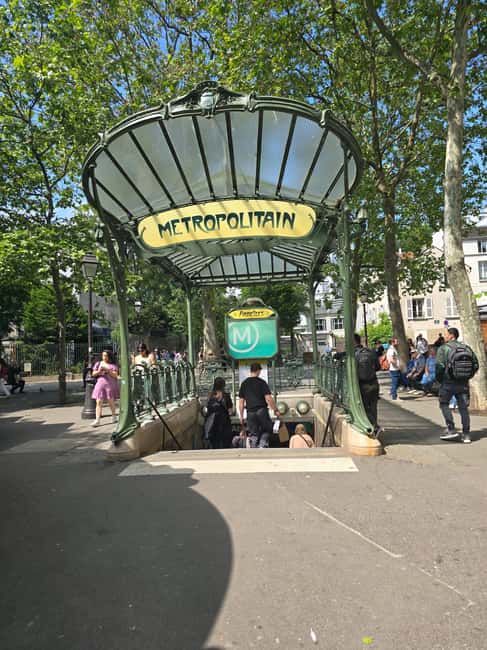
I like starting this tour at Blanche metro station (Line 2) because it’s a clear, central meeting point that gets you moving fast. The address is 59 Boulevard de Clichy, 75009 Paris, so you can line up your arrival without guessing. Also, Blanche sits at the edge of the Montmartre area, which means your “first impressions” are already shaped by what you’ll learn next.
Arrive about 15 minutes early. Not because you’ll be stressed—but because the first moments set the tone. You’ll meet your professional guide and get oriented before you step into the winding parts of the neighborhood. That orientation matters here. Montmartre can feel like it’s made of shortcuts, hills, and sudden views. A guide helps you keep your bearings fast and understand what you’re looking at as you go.
And since the tour runs in English or French, the explanations stay practical instead of turning into vague sightseeing. The goal is simple: you should leave knowing what’s culturally important about Montmartre, not just collecting photos.
You can also read our reviews of more historical tours in Paris



From a quick bakery visit to the Montmartre story engine
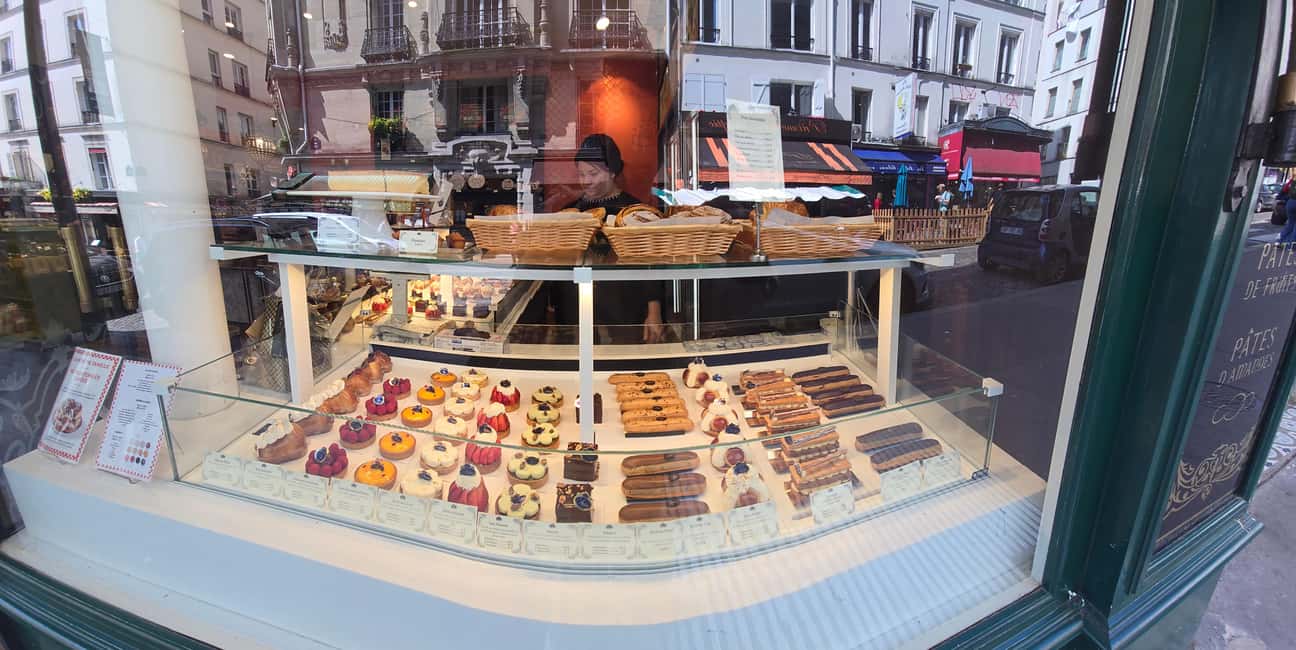
One of the first stops is a local bakery, with a short guided visit (about 5 minutes). This isn’t there to stuff your face. It’s there to ground you. Montmartre’s identity isn’t only monuments and artists—it’s everyday street life too. A bakery stop gives you that texture early, so the neighborhood doesn’t feel like a theme park of stone.
In a short window, your guide can connect food-and-street culture to how Montmartre evolved over time. That helps you later when you look at squares and historical buildings and realize they’re part of a bigger living neighborhood story.
Practical tip: this is a quick moment, so don’t wait for a big snack. If you want coffee or a pastry, handle it carefully around the timing, then come back to the group. The tour is built to keep moving without dragging.
Photo stop to real understanding: walking with a plan
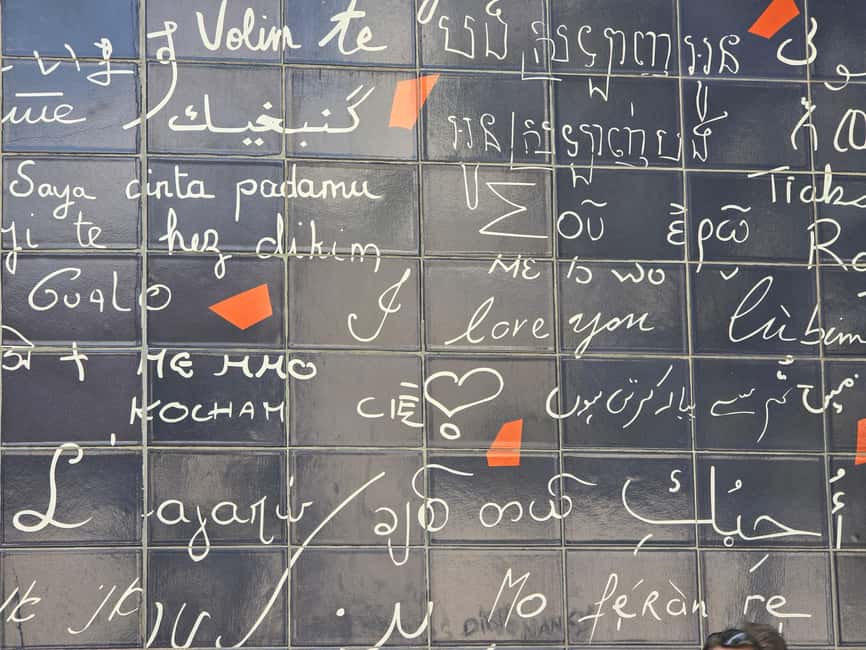
After the bakery, the tour moves into Montmartre with a photo stop and guided explanation (about 10 minutes). This is a smart technique. You get a viewpoint moment, then the guide translates what you’re looking at—how the area developed, what makes it distinct, and which features are more than decoration.
I like that this tour doesn’t treat Montmartre like a checklist. The guide’s job is to connect visible landmarks to cultural significance: monuments, works of art, squares, historic buildings, and the kinds of stories that made the area famous. Even in short segments, you’ll get the “why” behind what’s physically in front of you.
You’ll also walk through different pockets of the neighborhood during guided segments (including a walk phase of about 15 minutes and later longer walk phases). That mix keeps Montmartre from becoming one long climb where your brain goes on autopilot. Instead, each part feels purposeful.
Squares, monuments, and artist history you can actually place
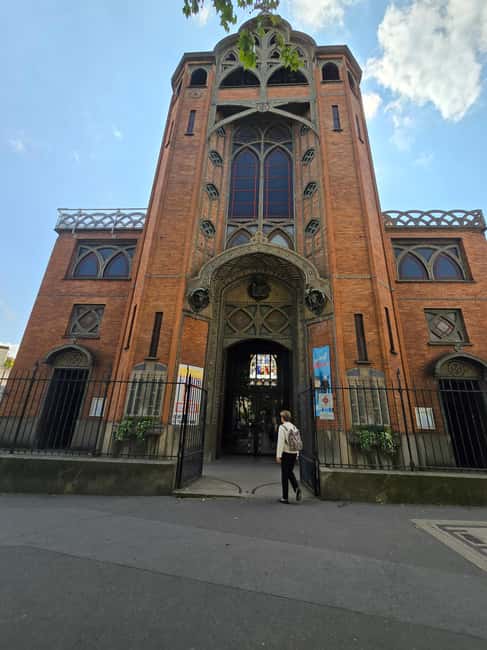
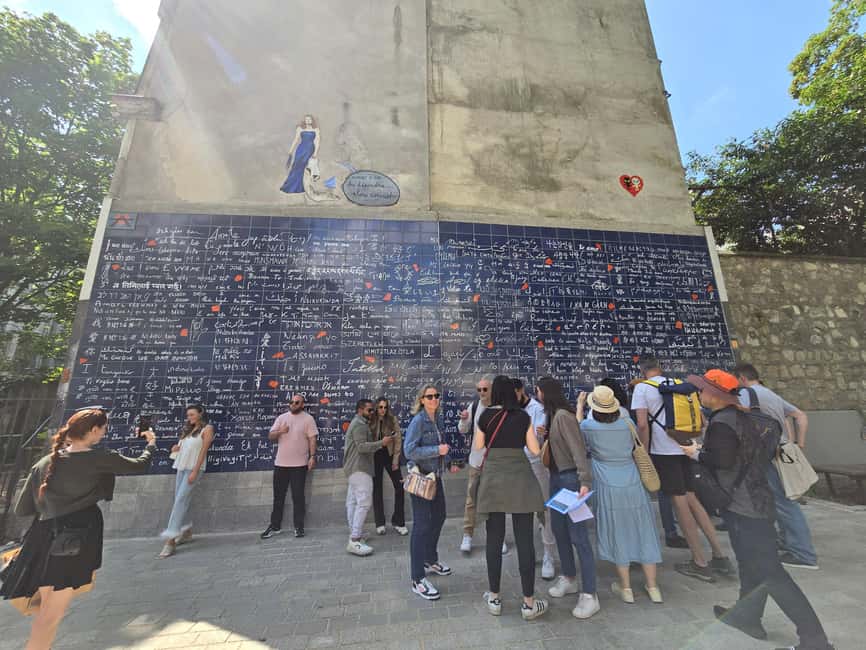
Montmartre’s reputation is tied to artists, but it’s easy to learn that in a vague way: famous names, dramatic legends, and lots of atmosphere. The value of this tour is that you get context you can attach to real locations—squares, historic buildings, and artistic heritage in the neighborhood.
During the guided portions (including about 15 minutes, then additional guided walks of around 20 minutes each), your guide explains:
- the history and characteristics of Montmartre
- the cultural importance of the area’s monuments and works of art
- how artists shaped the neighborhood’s identity
One reason I think this works for real travelers: you’re moving, not sitting. As you hear stories, you also see the street layout, the buildings, and the public spaces that framed everyday creativity. Montmartre makes more sense when you understand it spatially. You’ll leave with a mental map that’s more than “up is harder, down is easier.”
Guides on this tour tend to be especially strong at clear, easy-to-follow storytelling in English or French. People also highlight guides such as Arthur and Julien for being friendly while still bringing lots of useful anecdotes and cross-connecting details. That style matters because Montmartre history is layered—you want a guide who can keep it clear.
When you need it most: a breather and a free-time window
There’s a free-time break built into the walk (around 20 minutes). I like this part because it gives your eyes time to catch up with what your guide just explained. It also lets you handle practical needs: quick photos, a look around a square, or a moment to sit if you find a good spot.
Use the free time to do something specific, not just wandering. For example:
- Revisit a spot where you got an explanation and compare what you noticed with what you learned.
- Take photos from the direction the guide pointed out, then switch angles for a second shot.
- Check your route mentally for the final climb toward Sacré-Cœur.
This window also helps if you’re traveling with a mix of interests—someone may want extra photos while someone else wants a slower look at building details. You’re not forced to sprint through everything together.






The guided stretches that make Montmartre feel coherent
The tour includes multiple guided walk segments (with guided time and walking time totaling much of the 90 minutes). Each segment builds on the last one, so Montmartre doesn’t feel like random stops. Instead, it becomes a connected story of how the neighborhood developed, what cultural life looked like there, and why certain places became meaningful.
You can expect explanations to cover historical and cultural points of interest, including references to major monuments and cathedrals in the area, plus archaeological traces mentioned as part of the broader Montmartre story. Even without you memorizing details, the overall effect is that the streets become readable. You start noticing how public spaces, religious buildings, and historic structures relate to the artistic identity people associate with Montmartre.
And because maps and brochures are provided, you’re not relying only on memory. You’ll have something to reference as you keep exploring after the walk ends.
Finishing at Sacré-Cœur: show up with stories in your head
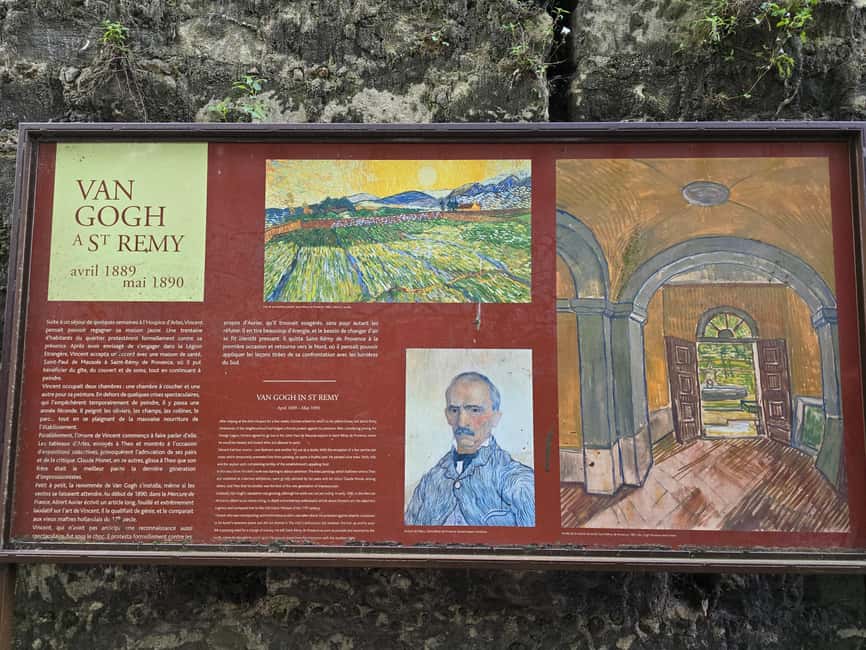
The tour ends at Basilique du Sacré-Cœur de Montmartre. This is the right finish because it’s the neighborhood’s most recognizable anchor. But the real win is arriving with context. If you understand what Montmartre represents culturally—why artists and monuments are tied into the area’s identity—the basilica isn’t just a big attraction. It becomes a conclusion to the story you’ve been following.
As you approach the basilica area, take a few minutes to slow down. Look not only at the building itself, but at how the surrounding streets and viewpoints shape the experience. Your guide’s explanations will help you notice cultural meaning in the details, rather than treating everything as postcard scenery.
Price and value: what $35 buys in 90 minutes
At $35 per person for 90 minutes, you’re paying for three things that add up quickly:
- A professional live guide who interprets what you’re seeing.
- Admission to several Montmartre sites (included).
- Maps and brochures, so you can extend the value after the tour.
If you were to do Montmartre alone, you’d likely spend money on attractions anyway, and you’d still lose the “translation layer” that makes the history stick. This tour is built for people who want a structured, time-efficient way to understand a neighborhood that can otherwise feel confusing.
Is it the cheapest way to see Montmartre? Probably not. But it often feels like good value because the guide time plus site access reduces wasted effort. You spend your energy where it counts: on the spots with meaning.
What to bring and what to avoid on a guided Montmartre walk
This tour is designed for walking, so pack for comfort:
- Comfortable shoes (non-negotiable)
- Hat and sunscreen (Montmartre sun can be sneaky)
- Water
Also remember the rules: no alcohol and drugs, and backpacks aren’t allowed. The tour also asks you not to touch plants.
If you’re traveling light, a small crossbody bag or daypack substitute that fits comfortably (without being a backpack) will usually feel easier. Since you’ll be walking in an older neighborhood, you don’t want bulky gear swinging while you’re trying to listen and look.
Who should book this Montmartre historic district tour?
This is a great match if you:
- want clear explanations of Montmartre’s cultural heritage
- like art and neighborhood history, and want it tied to real places
- prefer a short guided format rather than spending half a day piecing things together yourself
- enjoy learning with maps and brochures you can use later
It may not be your best fit if you:
- need a wheelchair-accessible route (it’s not suitable for wheelchair users)
- don’t want any walking time at all
- are hoping for a slow, sit-down museum-style experience (this is a walking tour format)
Tips to make the most of your 90 minutes
Montmartre rewards smart travel habits. Here are practical ways to get more out of the time you’re spending:
- Start with the right mindset: you’re learning a neighborhood, not just visiting points.
- Keep water handy so you’re not forced to break away from the group at inconvenient moments.
- Bring sun protection even if it looks mild at the start.
- During guided segments, listen for the parts your guide points you toward. Those are often the “photo facts” you’ll want to capture later.
- Use the free-time window for a focused goal, not endless wandering.
If you do those small things, the tour’s 90-minute pace feels efficient instead of tiring.
Should you book? My take on whether this is worth it
Yes, I’d book it if you want Montmartre’s story without spending hours sorting it out. The strong value is the mix of professional live guidance, site access, and practical learning tools like maps and brochures. You’ll walk away with a clearer sense of Montmartre’s history and cultural significance, and you’ll reach Sacré-Cœur with more than just views—you’ll have meaning.
Skip it if you’re trying to minimize walking or need wheelchair accessibility. And if you’re already deeply confident in Montmartre history and love wandering without explanations, you might not get as much from the guided structure.
FAQ
Where is the meeting point for the tour?
You meet at Blanche metro station on line 2, at 59 Boulevard de Clichy, 75009 Paris.
How long is the Montmartre historic district experience?
The tour lasts 90 minutes.
How much does it cost?
The price is $35 per person.
What language options are available?
The live guide offers English and French.
What is included in the price?
A professional live tour guide is included, plus admission to several sites in Montmartre. You also receive maps and brochures.
Are meals or drinks included?
No. Meals and beverages are not included.
Where does the tour end?
The tour finishes at Basilique du Sacré-Cœur de Montmartre.
What should I bring?
Wear comfortable walking shoes, and bring a hat, sunscreen, and water.
What items are not allowed?
Backpacks aren’t allowed. Alcohol and drugs are not allowed, and you shouldn’t touch plants.
Is the tour wheelchair accessible?
No, it is not suitable for wheelchair users.