REVIEW · STRASBOURG
Strasbourg : guided walking tour through the wars 1871-1945
Book on GetYourGuide →Operated by Bretzel&Fun · Bookable on GetYourGuide
War shadows change how you see Strasbourg. I love how the tour reads the city through Neustadt’s monumental architecture and how the guide, Nicolas, tells the story with Alsatian point of view and personal details that make the eras feel human. The only real drawback: the subject matter is heavy at times, so if you’re only after pretty postcard stops, this won’t be that kind of stroll.
Strasbourg’s past here is not one clean timeline. You’ll move through the 1871 to 1945 period and learn that Strasbourg changed nationality four times, which helps explain why the city can feel both French and German in the same breath.
This is also built for comfort and focus. With a small group (up to 6) and a plan that runs rain or shine, you get real back-and-forth time with the guide, though the walk isn’t suitable for people with mobility impairments.
In This Review
- Key highlights to expect
- Why Strasbourg needs a war-years lens
- Neustadt architecture: the “new city” that tells a German Empire story
- 1871 to 1918: changing nationality, visible city planning
- Into the center: Place Broglie and Place Kléber in World War II
- Liberation through the guide’s storyline: Leclerc and local resistance
- The walk itself: small group pace, real Q&A, and photos
- Timing, logistics, and rain-or-shine reality
- Price and value: why $35 makes sense here
- Who should book this tour (and who may want a different plan)
- Should you book this tour?
- FAQ
- How long is the guided walking tour
- What does the tour cover in terms of time period
- Where do we meet for the tour
- What is the group size
- What languages are offered
- Is the tour offered in bad weather
- Is the tour suitable for people with mobility impairments
- How much does the tour cost
- Is there free cancellation
- Is pay later available
Key highlights to expect

- Neustadt vs. Old Town: you’ll see how a “new city” plan created a totally different Strasbourg.
- 1871–1918 under the German Empire: the walk explains why so many buildings look the way they do.
- Monumental architecture with real context: you learn not just what you’re seeing, but why it was built.
- World War II locations in the center: you’ll connect Place Broglie and Place Kléber to what happened to the city.
- Liberation stories: the guide ties General Leclerc and local resistance heroes into one coherent narrative.
- Photo stops built in: the route is designed so you can capture key views without racing.
Why Strasbourg needs a war-years lens

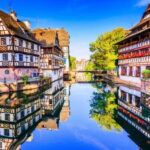
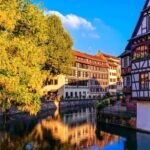
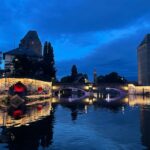
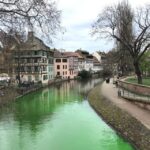
Strasbourg can look calm now, with its river, bridges, and postcard-perfect streets. But the city’s architecture is also a record of power shifts, and the guided walk leans into that fact. That’s what makes this tour more than a sightseeing loop.
I like that it doesn’t treat the past like a museum label. You get a sense of how big political changes—crossing borders, changing nationality, new rules and new influences—show up in the way a city is planned and built. You also learn that history isn’t just one side’s story or another’s; it’s layers.
That tone matters. You’ll spend 90 minutes moving through difficult chapters, including the tragic parts of World War II, and you’ll leave with a clearer picture of how Strasbourg ended up the way it is today.
You can also read our reviews of more walking tours in Strasbourg

Neustadt architecture: the “new city” that tells a German Empire story

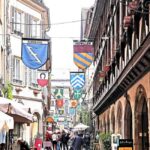
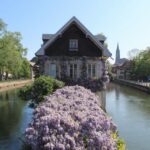
The tour’s backbone is the Neustadt district, which the guide explains as a “new city” built in German times, and distinctly different from the Old Town. This is not a minor detour. It’s the part that helps you understand why Strasbourg feels architecturally two cities at once.
You’ll learn that the Neustadt plan was created during the Second Empire era, shaped by the will of Kaiser Wilhelm I and Kaiser Wilhelm II. That sentence alone tells you what you’re going to get: city planning used as a statement. Buildings there aren’t accidental, and the guide makes the link between politics and streets feel obvious rather than abstract.
What I especially like is the balanced way the guide approaches it. The story includes the fact that Prussia conquered Alsace by force in 1870, but it also covers the investment and development that followed. In other words, you’re not asked to choose between “only bad” or “only good.” You see how a forced shift can lead to major building programs—and you can judge the impact with your own eyes.
The architecture also acts like a time machine. You’ll get the feeling that parts of the university area and wider Neustadt scene still carry that era’s imprint, not as faded propaganda, but as lived city space.
1871 to 1918: changing nationality, visible city planning

One of the most clarifying ideas on this walk is the span from 1871 to 1918, when Strasbourg was part of the German Empire. That date range is crucial, because it explains why you see such strong German Empire-era influence in the Neustadt district.
And yes, the tour stresses something many people only half-know: Strasbourg changed nationality four times across the 1871–1945 window. Learning that upfront helps you connect the dots between what you’re seeing in streets and what was happening in courts, schools, and daily life.
Here’s why this matters for you on the ground. If you only tour the Old Town, you might walk away thinking Strasbourg is simply a mix of French and German styles. This walk adds the missing piece: it’s not just a style mix. It’s a history of administration, identity, and power that left physical traces in urban design.
Nicolas is also good at explaining the “how” behind the feeling. He ties what’s in front of you to the reasons it was built and what it meant at the time. If you ask questions, he answers them and can pivot with extra anecdotes, including personal and family stories that add texture to the big timeline.
Into the center: Place Broglie and Place Kléber in World War II
After the Neustadt focus, the tour heads toward key central locations to talk about Strasbourg during World War II. This is where the tone shifts from architectural explanation to human consequence.
You’ll visit Place Broglie and Place Kléber, and the guide uses them as anchors for the city’s difficult wartime period. These aren’t just photo stops. The point is to connect open squares and prominent meeting points to the reality that the city’s life and identity were under threat.
The way the tour frames it helps prevent the classic problem of war talk on foot: it can turn into vague sadness that doesn’t connect to anything. Here, the squares act as reference points, so you can look around and think, This is where the story played out.
This part is ideal if you like specific locations and you want context for why particular parts of Strasbourg feel emotionally heavier than others. You’ll also get a sense of how the city’s identity debates didn’t disappear; they just changed clothes across different eras of conflict.
Liberation through the guide’s storyline: Leclerc and local resistance

The tour doesn’t stop at tragedy. It moves into liberation, and that shift gives the whole experience momentum. You’ll hear about the story of the city’s liberation from General Leclerc to the heroes of the resistance.
I like this approach because it keeps the focus on who mattered and what actions changed outcomes. Even if you already know broad facts about the end of the war in Europe, hearing how the guide organizes the story for Strasbourg helps everything feel more anchored.
You also get secrets and anecdotes woven into the narrative. Those details do more than entertain. They help you remember the timeline, and they make the story feel like it belongs to the city rather than to history books far away.
By the end, the message clicks: Strasbourg’s liberation wasn’t only a military event. It was tied to people on the ground—resistance efforts, local courage, and a sense that the city’s future had to be rebuilt with meaning.
You can also read our reviews of more guided tours in Strasbourg
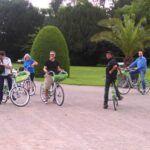
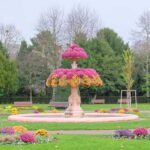
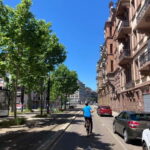

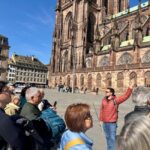
The walk itself: small group pace, real Q&A, and photos

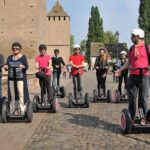
The format is simple and smart: a local group tour capped at 6 people. That small size makes a difference. You’re not shouting over a crowd, and you can ask follow-up questions without feeling like you’re slowing the entire group down.
Nicolas is repeatedly described as engaging and story-driven, and that style shows up in how the walk stays conversational. You’ll hear answers to questions and extra anecdotes when your curiosity takes a new direction. If you like a guide who can switch from architecture to personal human stories without losing the thread, this is the right setup.
The tour also includes photo opportunities, which is practical if you want to capture both buildings and squares. The walk is structured enough that you’re not constantly stopping to figure out what angle is worth your time. Just keep your phone or camera ready, and you’ll be fine.
One more practical point: the guide’s outfit makes meeting up straightforward. You’ll find your guide wearing a black t-shirt with an orange logo reading Bretzel&Fun.
Timing, logistics, and rain-or-shine reality

This is a 90-minute walking tour. That duration is short enough to feel doable, even if you’re traveling on a packed day, but long enough for the guide to explain the why behind what you see in the Neustadt and then connect it to WWII-era locations.
It also runs rain or shine. So plan like a local: bring a light rain layer or an umbrella you can manage while walking. The tour is designed to keep moving, not to pause for weather.
The pace is focused, not lazy. Since the walk isn’t suitable for people with mobility impairments, it’s worth being honest with yourself about your own walking comfort before booking. Even with a small group, you should expect real time on foot.
Price and value: why $35 makes sense here

The price is $35 per person for a 90-minute guided walk. At first glance, you might think that’s a lot for a city walk. But the value is in what you’re buying: a tight bundle of expertise, a small-group setting, and an experience that targets a part of Strasbourg many people skip.
Most visitors spend their time in the Old Town. This tour spends that time elsewhere: in the Neustadt district and then at central squares tied to WWII. That’s the difference between seeing buildings and understanding the city’s identity shifts through time.
You also get best advice for your stay in the region, which is a real travel perk. When you’re leaving a tour with a clearer idea of what to explore next, that can save you hours of guessing.
And because the group stays small, you’re paying for more than narration. You’re paying for a more personal conversation and a better chance to ask the questions that make history click for you.
Who should book this tour (and who may want a different plan)

This tour is a great fit if you care about history that connects to visible places. If you like architecture, this is especially strong because the Neustadt district and its monumental character are treated as evidence, not decoration.
It’s also a good choice if you enjoy story-driven guiding. Nicolas’ storytelling approach is highlighted in multiple accounts, and it’s the kind of guide work that turns a timeline into something you can picture.
On the other hand, this isn’t the best match if you want a light, casual walk with zero heavy themes. The World War II portion and liberation story include difficult material. If that feels like too much on a vacation day, you might prefer a purely architectural or purely Old Town route instead.
And if mobility is a factor, the tour isn’t suitable for people with mobility impairments. In that case, you’ll want to look for a different format that fits your needs.
Should you book this tour?
Yes—if you want Strasbourg to make sense beyond the obvious sights. This is the kind of walk that gives you a sharper read on why the city looks the way it does, with Neustadt architecture in the driver’s seat and wartime locations used to ground the story in place.
Book it if you’re an architecture lover, a history fan, or someone who likes guides who answer questions and bring in personal context. Choose a different option if you only want gentle sightseeing or if you need an accessible route.
If you’re on the fence, here’s the simple test: ask yourself whether you’re curious about why Strasbourg changed, not just how it looks now. If the answer is yes, this 90-minute walk is a very practical way to get that perspective quickly.
FAQ
How long is the guided walking tour
It lasts 90 minutes.
What does the tour cover in terms of time period
It focuses on Strasbourg from 1871 to 1945, including the years when Strasbourg was part of the German Empire (1871 to 1918), and the Second World War and liberation of the city.
Where do we meet for the tour
You meet at the center of the Republic Square at the statue. Your guide will be wearing a black t-shirt with an orange logo reading Bretzel&Fun.
What is the group size
It is a small group limited to 6 participants.
What languages are offered
The live guide offers French and English.
Is the tour offered in bad weather
The tour takes place rain or shine.
Is the tour suitable for people with mobility impairments
No. It is not suitable for people with mobility impairments.
How much does the tour cost
The price is $35 per person.
Is there free cancellation
Yes. You can cancel up to 24 hours in advance for a full refund.
Is pay later available
Yes. The tour offers reserve now & pay later, meaning you can book your spot and pay nothing today.