REVIEW · PARIS
Paris: Macaron Baking Class in Central Paris
Book on GetYourGuide →Operated by Studio Pâtisserie · Bookable on GetYourGuide
Macarons are fun until you try making them. In central Paris, this hands-on macaron baking class turns the fuss into a guided, doable process. I love the step-by-step coaching (not just watching), and you also get a real sense of why macarons work when you follow the technique closely.
One big consideration: this class is not suitable for vegans, children under 12, or people with nut allergies. If any of those apply, you’ll want to pick a different food experience in Paris.
In This Review
- Key things that make this class worth your time
- Why this 150-minute macaron class feels focused (and not rushed)
- Finding the grey storefront and getting settled
- The intro: macaron history, ingredients, and the “why” behind the texture
- Making macaron shells: where technique really shows
- Fillings and assembling: turning shells into real macarons
- Baking and troubleshooting: the part that builds confidence
- Tasting your batch: that earned sense of accomplishment
- Taking the recipe home (so you can try again)
- Value check: is $122 a fair deal for a Paris macaron class?
- Who this class suits best (and who should choose differently)
- Before you go: small prep tips that actually help
- Should you book this central Paris macaron baking class?
Key things that make this class worth your time
- Small-group size (up to 10) keeps it personal, so you can actually get help when your shells need adjusting.
- English instruction means you can focus on technique instead of guessing what the chef means.
- Hands-on from shells to fillings so you’re doing the work, not just tasting the result.
- Macaron “science” moments like texture, piping, and troubleshooting, plus guidance for different conditions.
- Clean, organized studio setup with stations that don’t feel cramped.
- You leave with macarons and a recipe, so you can try again back home.
Why this 150-minute macaron class feels focused (and not rushed)
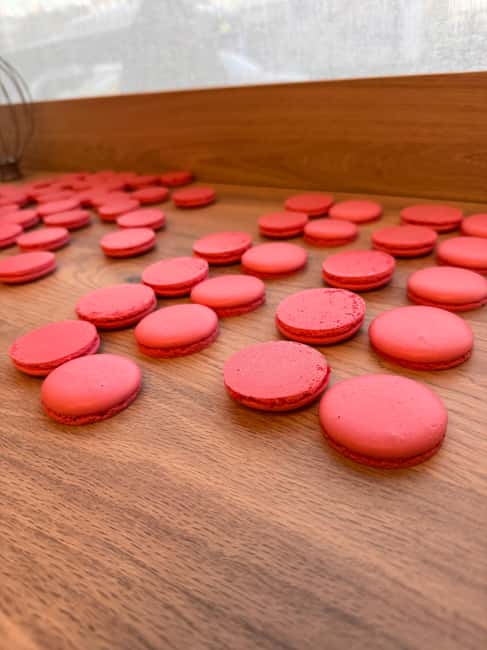
A lot of baking classes promise magic, then you spend most of the time standing around. Here, the structure is built for momentum: you arrive, learn the fundamentals, then get busy making shells and assembling fillings. In 150 minutes, you’ll get the full loop from mixing to piping to baking to tasting.
The big win for me is that the class treats macarons like a craft with logic. You’re not memorizing steps. You’re learning the cause-and-effect behind things like batter consistency and how the shells bake into the classic texture.
And yes, you’ll taste what you made. That final bite matters because macarons can look similar but taste very different depending on technique.
You can also read our reviews of more cooking classes in Paris
Finding the grey storefront and getting settled
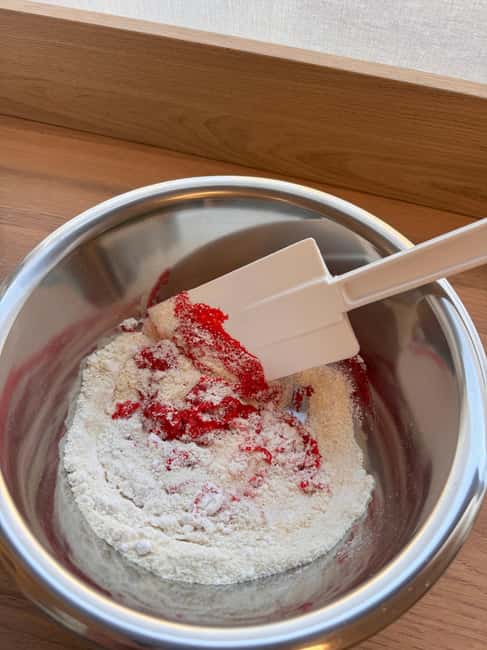
The meeting point is simple: look for a grey-colored store front on the main road. It’s the kind of detail that saves time, especially if you’re arriving in the middle of a busy day.
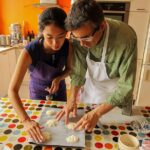
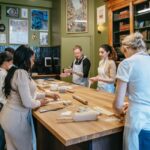
When you arrive, you’ll get settled and meet your fellow bakers. The class starts with an introduction before you touch the ingredients, which helps if you’re brand new to macarons. If you’ve baked nothing more complex than cookies, you’ll still be able to follow along.
Good call on bringing comfortable shoes and clothes. You’ll be standing and moving between a few work stations while your macarons bake.
The intro: macaron history, ingredients, and the “why” behind the texture
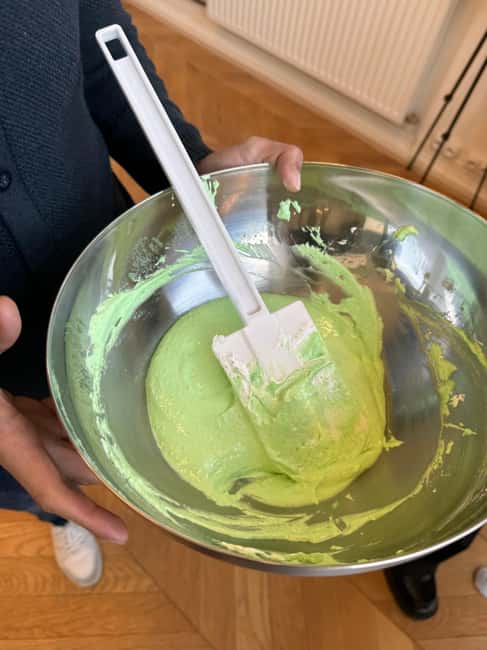
Before the mixing begins, you get the story and the ingredients. You’ll hear about the origins and cultural significance of macarons, then connect that background to what’s actually happening in the bowl: key ingredients, how they behave, and what the finished macaron is supposed to feel like.
This matters more than it sounds. Macarons have a very specific structure—shell, airy interior, and that signature top that forms correctly. If you understand what the batter should look and feel like, you waste less time and you fix problems faster.
The class also frames baking as a science with an artistic payoff. One of the most helpful parts of the experience is getting tips for troubleshooting. Instead of panicking when your batter seems off, you learn what to adjust and what to watch for.
Making macaron shells: where technique really shows
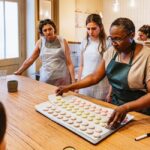
The hands-on part starts with creating the macaron shells. You’ll work on technique with an instructor guiding you through the steps for getting the right batter consistency and shaping the shells.
The common challenge with macarons is consistency. The batter can be too thick, too loose, or just slightly off—and that affects everything from how the feet form to whether the surface cracks. In this class, you’re coached through the mixing and piping process so you can correct course as you go.
You also learn how to pipe so your shells bake evenly. This is one of those things that’s hard to learn from a video. In class, you can watch, do it, and get feedback immediately.
If you like practical training, you’ll probably enjoy how the stations are set up. Multiple past participants noted that the space is organized and clean, and that you’re not crowded, so you can focus.
Fillings and assembling: turning shells into real macarons
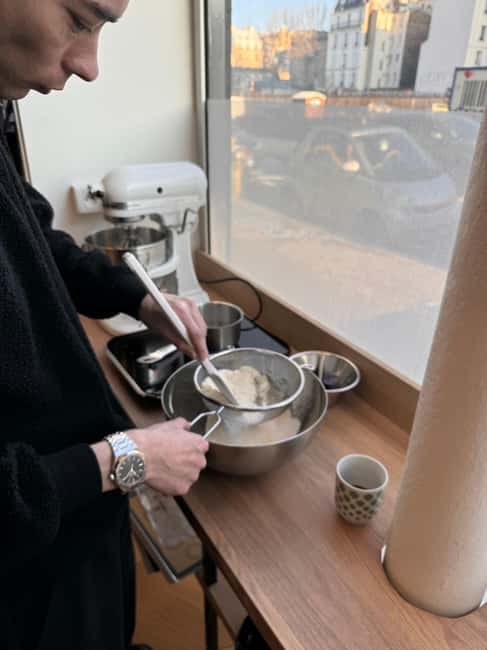
Once the shells are baked, you move to fillings. The class guides you through the pairing process—matching the shells and assembling so each macaron feels complete and balanced.
Most classes focus on the shell, then treat the filling like an afterthought. Here, you learn how the filling fits into the final bite. That’s why the finished macarons don’t just look right. They taste right.
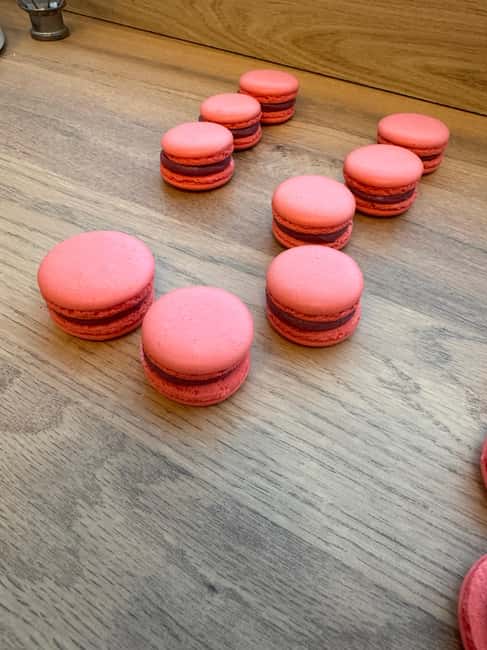
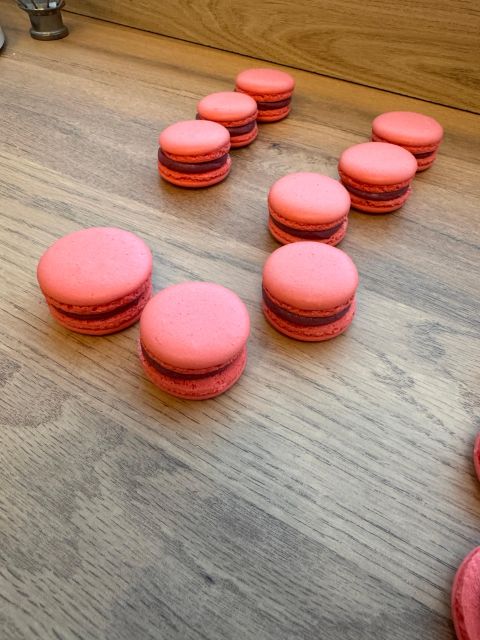
One small note: the flavors used in class may not match what you’d automatically pick for yourself at a Paris pâtisserie. A participant mentioned the class included chocolate, black currant, and passionfruit rather than more mainstream options like pistachio or vanilla. If you have strong preferences, don’t assume the lineup will be your favorite flavor set.
A few more Paris tours and experiences worth a look




Baking and troubleshooting: the part that builds confidence
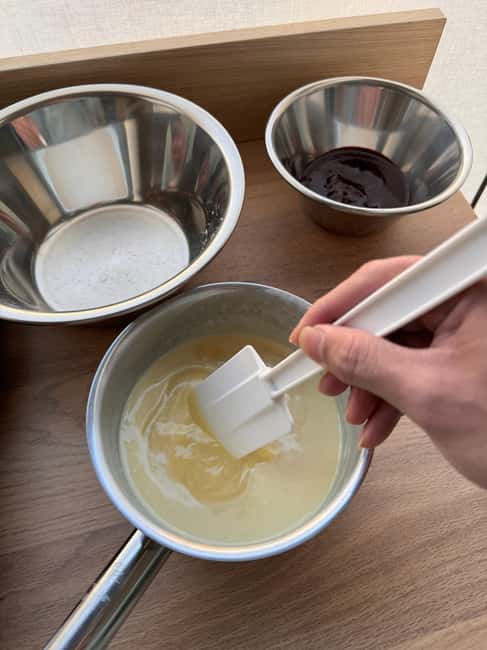
While your macarons bake, you’re not left hanging. The class is paced so you’re still engaged, and some participants even mention a refreshing drink while waiting for the oven results.
This is where you learn the most confidence-building lessons. You’re shown how to troubleshoot the usual issues—texture problems, uneven results, or shells that aren’t behaving. You also get tips for adapting when conditions differ at home. One review specifically referenced improvisation advice for different weather, which is exactly the kind of real-world info that helps after the class.
By the end, the overall vibe is: you can do this yourself. You won’t be guessing. You’ll have a process.
Tasting your batch: that earned sense of accomplishment
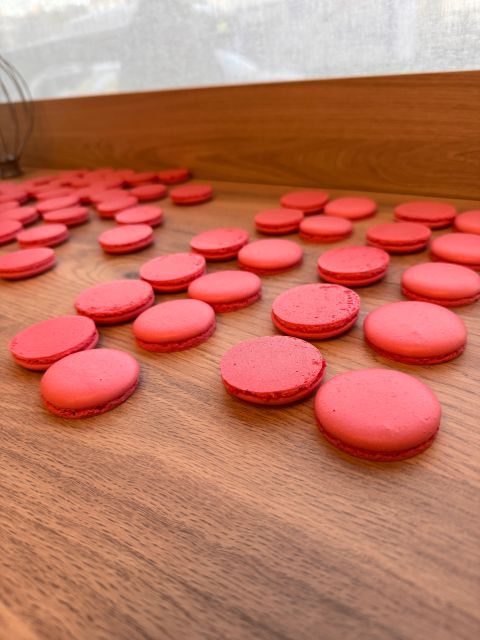
After baking, it’s tasting time. You sample the finished macarons—what you piped, baked, and assembled. This is the payoff moment where you can compare your expectations with the actual texture and flavor.
What I like about this format is that it turns tasting into feedback. You get to ask yourself: Was the shell crisp enough? Was the interior airy? Did the filling taste balanced? And you can trace it back to the choices you made during the steps.
Many participants also mentioned you leave with enough macarons to snack on for days. Some reviews describe taking home around 15 macarons per person, with a total box depending on how the class is structured. Even without exact numbers promised in the basic info, the overall pattern is that you don’t just taste once—you get to take your work home.
Taking the recipe home (so you can try again)
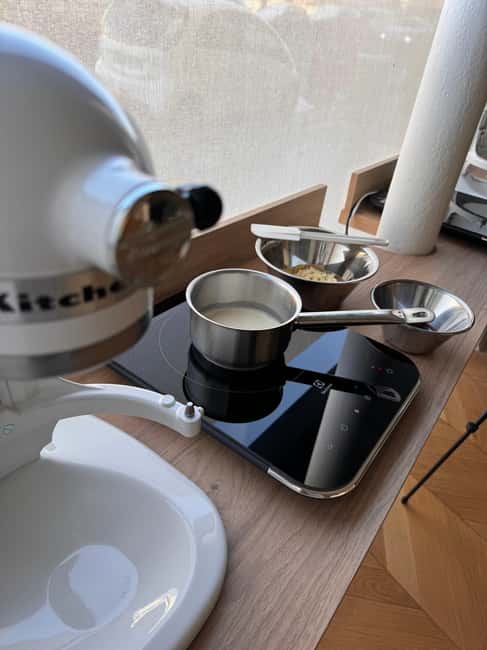
The class includes a recipe to take home, and that’s where the value really pays off. Paris is great, but the best souvenir is a skill you can repeat.
You’ll use the recipe along with what you learned about consistency and technique. One of the strongest themes in the feedback is how clear instruction helped people make macarons again later at home, even if they were starting from zero.
If you’re the kind of traveler who likes bringing something practical back to your kitchen, this class is a strong match.
Value check: is $122 a fair deal for a Paris macaron class?
$122 per person is not “cheap,” but it also isn’t priced like a fancy tasting-only experience. You’re paying for:
- an instructor guiding you in English,
- a hands-on class (shells, fillings, assembly),
- tasting,
- a recipe you can actually use later,
- and a small-group format limited to 10 participants.
In plain terms, you’re buying time with a pastry pro plus the practice to make the results at home. The difference between a class and a cookbook is the feedback loop—when your batter or piping looks off, you get corrections in the moment.
For couples and families, the value often feels even better because you’re doing something memorable together that produces an edible outcome. Several participants called it a Paris highlight or a “must do” activity, and the shared theme was that it was worth the money because they left with both skills and macarons.
Who this class suits best (and who should choose differently)
This experience is a great fit if you:
- want a hands-on food activity in central Paris rather than a passive tour,
- like learning technique (mixing, piping, and troubleshooting),
- enjoy baking or want a challenge that feels rewarding.
It’s also a solid option for older teens, since one review described two kids aged 13 and 15 being thrilled. But it’s not suitable for children under 12, so plan accordingly.
It’s not a fit if you:
- are vegan (not suitable),
- have nut allergies (not suitable),
because macarons use ingredients that trigger those restrictions.
If you’re picky about flavors, know that the class may use a specific set of macaron fillings rather than giving you a full choose-your-own spread.
Before you go: small prep tips that actually help
Here’s what I’d do to have a smoother experience:
- Wear comfortable clothes and shoes so you can stand comfortably during baking and instruction.
- Bring a curious mindset. This class rewards attention to texture and timing.
- If you’re new to macarons, don’t aim for perfect on the first try. Aim for learning how to correct small issues.
- If you care about flavors, mentally prepare for the possibility that the chef chooses the menu for the day.
And if you want to stretch the value of the class, ask the instructor for Paris food recommendations while you’re there. Multiple participants mention that Chef Leo shared suggestions for places to check out around the city.
Should you book this central Paris macaron baking class?
I think you should book it if you want a fun, skill-building Paris food moment where you actually make the macarons, learn the technique behind them, and take home both macarons and a recipe. The small-group size and English instruction make it especially friendly if you’re traveling solo, as well as if you’re with family.
Skip it if you fall into the listed limitations: not suitable for vegans, children under 12, or nut allergy concerns. And if you want a very specific flavor set, be aware the class may use predetermined flavors.
If your goal is one high-impact activity that feels like France beyond a museum ticket, this macaron class is a strong choice.