REVIEW · PARIS
Paris Baking Insider Experience near Notre-Dame
Book on Viator →Operated by ExperienceFirst · Bookable on Viator
You walk in thinking you know bread, then you leave noticing dough details most people miss. This hands-on Paris Baking Insider Experience focuses on real technique: baguette shaping, croissant dough lamination, and the flavor differences behind flours, yeast, and sourdough, all in a small group capped at 8.
I especially like how the class is run like an insider workflow, not a staged demo. Guides such as Yeju, Valentina, Clara, David, Pierre, and Martin are repeatedly singled out for keeping everyone involved and explaining what you’re touching. One thing to consider: depending on the day, some dough may be partly prepared for you, so the experience can feel more like guided technique than a full scratch-from-start-to-finish bread seminar.
In This Review
- What you get for the money
- Quick highlights to notice
- Entering the Paris bakery near Notre-Dame (and why it feels different)
- What the 2-hour flow usually looks like
- Baguettes and bread shaping: the small techniques that change everything
- Don’t expect one perfect baguette template
- Croissant dough lamination: the part most people get wrong
- The sweet side: financiers and mini cakes you can actually taste
- Tastings and snacks: how to use them to learn faster
- Guides make or break it: Yeju, Valentina, Clara, David, Pierre, Martin
- Price and value: is $108.89 worth it?
- Practical tips before you go
- Who this class suits best
- Should you book this Paris Baking Insider Experience?
- FAQ
- What will we make during the Paris Baking Insider Experience?
- Is the class beginner-friendly?
- How long is the experience?
- How big is the group?
- Do I need to speak French?
- Can I cancel for free?
- What should I bring or wear?
What you get for the money
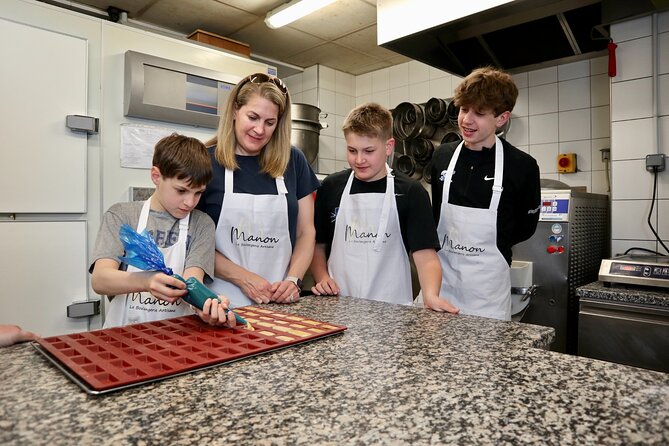
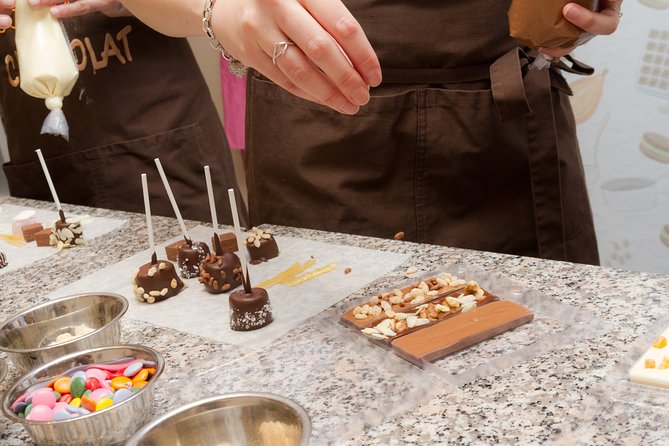
For about 2 hours, you get expert-led baking, snacks, and tastings as you go, plus the chance to take home a stack of what you made. That value comes from doing the work yourself (shaping, rolling, laminating), then learning what makes French pastries and bread taste the way they do.
The main drawback isn’t the concept. It’s expectation-setting. A few people felt the hands-on time wasn’t as big as they hoped, and once there was a mismatch between what was expected and what was taught. If you want a super long, deeply measured class, you may find this more like a focused baking workshop than a full recipe school.
Quick highlights to notice
- Small group max 8 means more time at the counter and fewer standing around moments
- Baguette shaping + dough types (including sourdough and croissant dough) teach you what’s different, not just what to do
- Croissant lamination work gives you a real feel for puff pastry-style layers
- Tastings and snacks are built into the flow so you connect technique to flavor
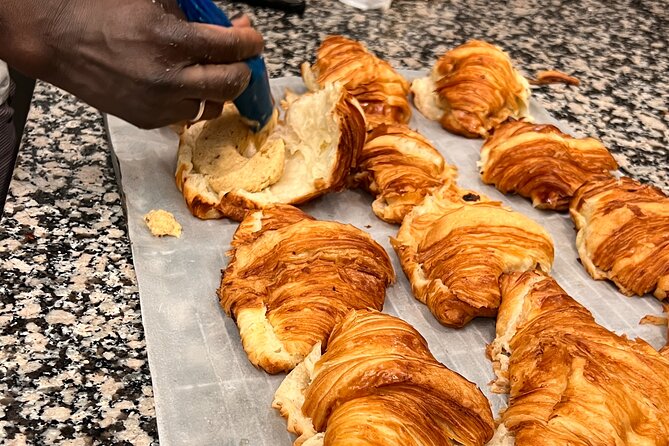
- You often leave with plenty to take home, which turns the class into dinner plans
You can also read our reviews of more tours and experiences in Paris.



Entering the Paris bakery near Notre-Dame (and why it feels different)
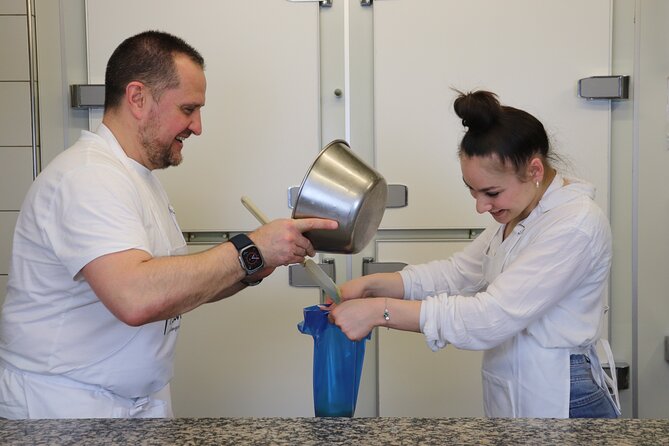
This is set up as an insider experience in a real Paris bakery kitchen, not a pop-up studio. The meeting point is at 25 Rue de Bretagne (75003) and the activity ends back there. Because it’s near public transportation, you can usually fit it into a sightseeing day without a big detour.
The vibe matters here. You’re working in an active bakery environment, which helps you understand pacing: flour on the floor, dough that needs attention, and staff that know exactly what comes next. It’s also why the class is only around 2 hours. You get to participate without losing the “real workplace” feel.
One practical note that affects your day: it’s 15 steps to the bakery on the second floor with no elevator. If stairs are hard for you, plan for a slower start or consider a different activity.
What the 2-hour flow usually looks like
The schedule isn’t described hour-by-hour, but the structure is clear: tour the work area, learn key dough concepts, do hands-on baking tasks, and taste along the way. Expect the guide to explain dough behavior while you’re actively shaping or rolling it.
A typical rhythm feels like this:
- You arrive and get oriented, with the guide explaining what you’ll work on.
- You learn the differences in key ingredients, especially bread flours, yeast vs sourdough, and what those choices do to flavor and texture.
- You get hands-on with dough tasks such as baguette shaping, and croissant-dough lamination/rolling steps.
- You taste what’s being created and snack during the session.
Even when some prep is done earlier, you still participate in the parts that teach you technique. Several people noted that dough can be partly prepared, which means you might focus on shaping and finishing rather than mixing everything from scratch.
Baguettes and bread shaping: the small techniques that change everything
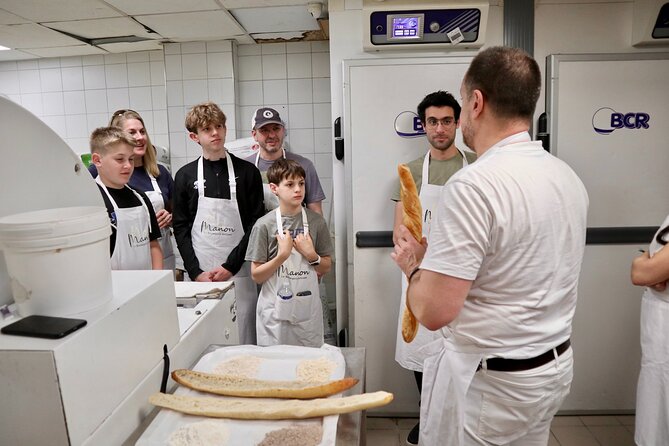
The core bread focus here is more than just making dough. You learn how to distinguish baguette styles by technique. That means you’re not only practicing the motions, you’re building a mental checklist for what to look for next time.
You’ll also learn the ingredient logic behind French bread:
- How different flours behave in dough
- How yeast works differently than sourdough
- Why hydration, handling, and shaping affect the final crumb and crust
This is where the class earns its reputation. People who already bake at home often say they learned something useful anyway, especially about how French bakers think about dough and perfection. Even if you never plan to bake a baguette again, you’ll leave with a clearer sense of why French bread tastes like French bread.
Don’t expect one perfect baguette template
French bread isn’t one style. The guide’s point is that technique drives identity. If you love food details, this lesson is satisfying because you’ll see multiple shaping methods and learn how those methods link to texture and structure.





Croissant dough lamination: the part most people get wrong
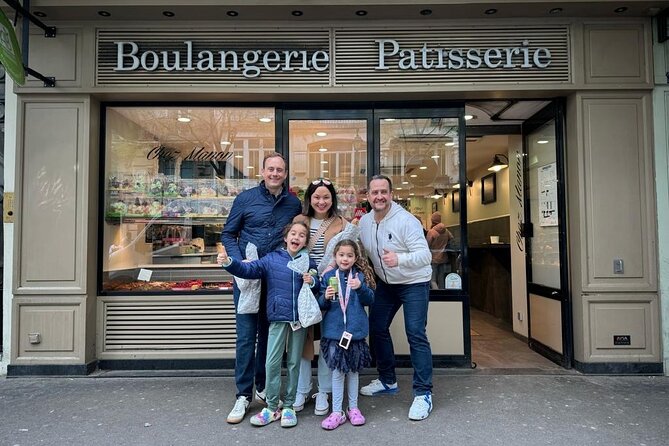
Croissants look simple in photos. Up close, they’re about layers, temperature, and handling. This experience is designed to teach you that reality by having you work with croissant dough and practice lamination steps.
When you roll and fold dough, you feel the logic immediately. You’re not memorizing a recipe. You’re learning what “layers” means in your hands. Then you connect it to results when tastings come along.
The croissant focus gets praise because it’s hands-on, and because the guide explains the why. Some people mention that croissant dough may be pre-rolled or partially prepared, but the lamination/rolling work you do still matters. It’s the part that teaches control rather than just following directions.
The sweet side: financiers and mini cakes you can actually taste
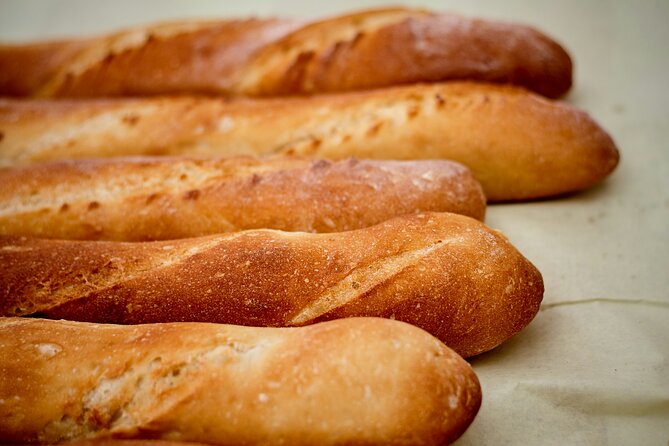
Bread is only half the story. The class also includes sweet items, and the specific menu can vary based on what the bakery is producing that day. Commonly mentioned treats include financiers (often described as almond-based mini cakes), as well as other small cakes such as madelines and almond-style cakes.
The value of the sweet portion is that it reinforces ingredient thinking. Instead of just learning pastry as a separate world, you get to compare how dough and batter behave. And because there are tastings during the session, you can link what you did to what you’re tasting, right away.
Tastings and snacks: how to use them to learn faster
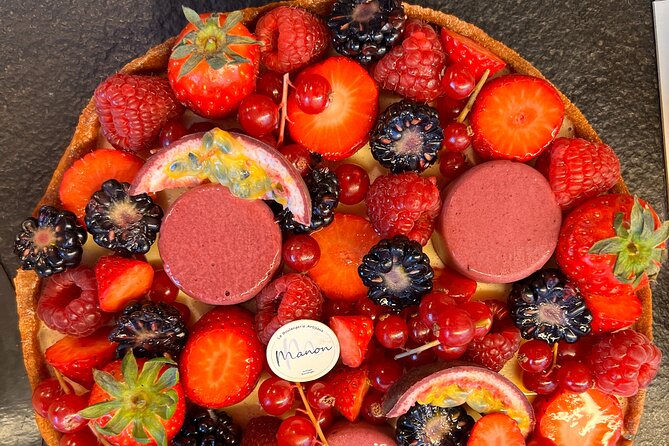
You get snacks and tastings along the way, which sounds casual until you realize why it works. When you taste while the guide is still talking, your brain makes faster connections between technique and flavor.
As you sample, I’d focus on three things:
- Crust vs interior texture (especially on the bread and any laminated pastry)
- Flavor sources you can identify (flour character, butter impact, fermentation tang)
- What changes if you handle dough differently
You don’t need to be a food scientist. Just pay attention. This is one reason the class is popular: it turns eating into a lesson, not an afterthought.
Guides make or break it: Yeju, Valentina, Clara, David, Pierre, Martin
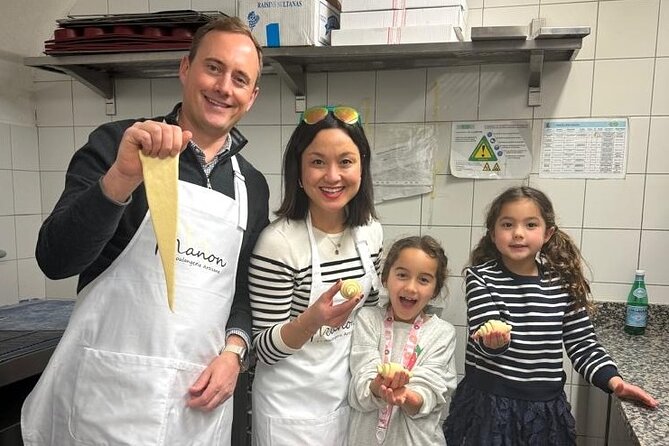
The strongest theme in the feedback is instruction quality. People mention guides by name a lot. Yeju is described as funny, organized, and good at making sure everyone gets chances to try everything. Valentina is repeatedly praised for being patient and positive, including with kids. Clara and David are also singled out for being interactive and helpful, with Clara noted for skill and David for engaging groups.
There are also mixed notes. One person felt the guide was more tour-oriented than baking-technical, and that some steps felt basic or too short. Another complained about organization and discomfort during the session. The practical takeaway for you: you should choose this class for the workshop vibe and hands-on fun, not for a hardcore, highly technical training camp.
Price and value: is $108.89 worth it?
At $108.89 per person for about 2 hours, the price makes sense when you factor in what’s included:
- Expert guide and a real bakery setting
- Hands-on instruction (not just a walk-through)
- Snacks and tastings
- Bread and pastries you make, with multiple reports that you can take home plenty
Where the value really shows is the small group size (max 8). You’re paying for time at the workbench and for technique explanation you can actually apply. If the alternative is watching baking videos or doing a generic food tour, this gives you a tangible skill and a satisfying take-home reward.
That said, set your expectations: it can feel like a guided experience with some prep done ahead, so it’s not a full “every gram, every minute” bread engineering class.
Practical tips before you go
A few details will help you get the most out of the session:
Wear for flour and warmth. One review noted it gets warm near the ovens and that there’s a lot of flour on the floor. Dress like you’re doing something hands-on, not like you’re going to a museum.
Plan for stairs. There are 15 steps to the second-floor bakery with no elevator. If you’re bringing kids or you tire easily, decide what’s realistic for your group.
Bring an extra bag. Multiple people advise bringing a bag because you may leave with more bread and cakes than you expect.
Expect to stand. The tour requires standing for an extended period.
Kids are welcome with limits. Children are allowed, but they must be accompanied by an adult. Kids under 5 can join free but won’t participate in the hands-on baking due to safety.
Mobile ticket and English instruction. You’ll get a mobile ticket, and the experience is offered in English.
Who this class suits best
This experience is ideal if you want an authentic taste of French baking technique without hours of homework. It’s great for:
- Beginners who want to learn what makes baguettes and croissants work
- Food lovers who like “why” as much as “what”
- Families and multigenerational groups (many positive notes mention kids doing well)
- People who already bake at home but want French technique perspective
It may be less ideal if:
- You’re expecting a completely from-scratch, measurement-heavy class with lots of kneading time
- You want a calm, classroom-style environment rather than a working bakery pace
- You strongly prioritize specific hygiene standards and need reassurance beyond what you can see on arrival
Because one review raised hygiene concerns, I’d treat your senses seriously. If cleanliness is a make-or-break issue for you, it’s fair to observe the workspace and how dough handling is managed when you arrive.
Should you book this Paris Baking Insider Experience?
Book it if you want the practical French baking skills you can feel in your hands—especially baguette shaping and croissant lamination—plus the payoff of tastings and take-home breads. The small group limit and repeat praise for guides like Yeju, Valentina, Clara, and David point to a strong chance you’ll leave happy and fed.
Skip or consider something else if you need a highly structured class with full recipe-style measurements, or if stairs and standing will be a real problem for your group. Also double-check that you’re booked into the French bakery class rather than a different French pastry format.
If you’re the type who likes learning through doing, this is one of the more satisfying ways to spend two hours in Paris.
FAQ
What will we make during the Paris Baking Insider Experience?
You’ll do hands-on work connected to baguettes/bread and croissant dough, and you’ll also taste and bake sweet mini cakes, with items such as financiers and other small cakes being mentioned in the experience.
Is the class beginner-friendly?
Yes. The experience is designed to teach techniques to people who may not have baked bread or made proper croissant dough before, and it also works for intermediate bakers who want to learn French-specific methods.
How long is the experience?
It’s listed at about 2 hours.
How big is the group?
The group is limited to a maximum of 8 travelers.
Do I need to speak French?
No. The experience is offered in English.
Can I cancel for free?
Yes. You can cancel up to 24 hours in advance for a full refund. Free cancellation is available under that timing rule.
What should I bring or wear?
Wear clothes you don’t mind getting flour on, since it’s a working bakery environment. Many people recommend bringing an extra bag because you may leave with a lot of bread and cakes.