REVIEW · PARIS
Paris: Hands-On Small Group Cooking Class
Book on GetYourGuide →Operated by LES SECRETS GOURMANDS DE NOEMIE · Bookable on GetYourGuide
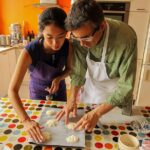
French cooking gets real in a Batignolles loft. This small-group class with Paris chef Noémie turns market ingredients into a full 3-course meal, step by step, with explanations you can actually use. I love the hands-on pace and the relaxed, friendly vibe (serious cooks and beginners both fit). One possible drawback: it’s scheduled for late morning into lunch, so you’ll want a plan that doesn’t leave you rushing right after 2:00 p.m.
Another reason I’d pick this class is the output. You eat what you make, and lunch includes a glass of French wine, plus coffee or tea, with recipes provided in English. If you prefer a quieter, purely observational experience, this is more active than that.
In This Review
- Key Things to Know Before You Cook in Batignolles
- Batignolles Loft Kitchen: Where the Class Feels Personal
- Finding 92 Rue Nollet (Paris 17) and Getting Settled
- Chef Noémie in Small Group Mode: How the Teaching Works
- Your 3-Course Lunch Plan (10:30–14:00): Starter, Main, Dessert
- Cooking With Fresh Market Ingredients: What You’ll Actually Learn
- Wine, Water, Coffee: The Lunch Setup That Makes It Feel Like Paris
- Kitchen Gear and Group Size: Why You Don’t Feel Like a Number
- Price and Value: Does $182 Make Sense for 3.5 Hours in Paris?
- After the Class: Using the Recipes to Cook Like You Belong in Paris
- Should You Book This Paris Cooking Class?
- FAQ
- How long is the Paris cooking class?
- Where do I meet for the cooking class?
- What languages are used during the class?
- How big is the group?
- What’s included with the meal?
- Is there free cancellation?
Key Things to Know Before You Cook in Batignolles

- A true small-group setup (up to 8): You get attention without feeling lost in a crowd.
- Chef Noémie teaches in a way you can follow: Clear instructions work well for first-timers.
- You produce a full 3-course lunch: Starter, main course with sides and sauce, and dessert.
- Fresh ingredients are part of the point: You’ll get a better feel for French cooking built on local basics.
- You leave with tools and instructions: Utensils, apron, and an English recipe copy help you recreate the meal later.
- No French-meal-day is complete without wine: You’ll be introduced to wine, and you’ll eat alongside it.
Batignolles Loft Kitchen: Where the Class Feels Personal

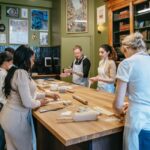
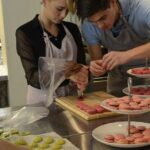
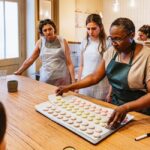
This class takes place in a loft-style atelier in the Batignolles area (Paris 17). That matters more than it sounds. A loft kitchen is usually bright, practical, and not cramped, so you can actually cook without bumping elbows every minute.
What you’re paying for here isn’t just the recipe itself. It’s the format: small group, real cooking stations, and a chef who can talk to you while you chop, stir, and taste. Reviews highlight how organized and welcoming Noémie is, and that combination makes a big difference when you’re learning technique rather than just following steps.
Also, the atmosphere is relaxed. The goal is to help you develop a new appreciation for fresh, local ingredients and for how French cooking builds flavor in layers—starter first, then the main course, then dessert. You come out with a sense of how the whole meal fits together.
The one thing I’d think about before booking: this is a hands-on lunch class, not a quick demo. If your schedule is tight or you hate cooking in a group setting, you might find the pace a bit involved.
You can also read our reviews of more cooking classes in Paris
Finding 92 Rue Nollet (Paris 17) and Getting Settled

Your meeting point is 92 rue Nollet, 75017 Paris. The neighborhood is serviced well by transit, so you won’t have to plan anything heroic.
If you’re taking the metro, use line 13 and get off at Brochant or La Fourche. By bus, you can use 66, 54, or 74 to Legendre, or 31 to Parc Martin Luther King. If you’re using Navette Péreire Pont Cardinet, alight at Pont Cardinet.
A quick practical tip: arrive a few minutes early. These classes are limited to 8 participants, so once you’re late, you lose the easy part—getting your station ready and getting oriented before the first prep starts.
Also note the house rules: no smoking and no pets. Simple, but it’s good to know if you’re traveling with anything furry or if someone in your group smokes.
Chef Noémie in Small Group Mode: How the Teaching Works

Chef Noémie is the heart of this experience. The best part is how she adjusts based on your skill level. That’s huge for a cooking class, because French techniques can feel intimidating when you’re new. Here, you’re not treated like a problem to solve. You’re treated like a cook-in-progress.
Language support is also built in. The class is hosted with English and French, and reviews mention that Noémie’s English is strong enough for non-fluent cooks. That means you can keep your focus on what matters: the why behind the steps, not just the translation.
You’ll also get recipe materials. You receive an English-language copy of the recipes, plus the kitchen provides the utensils and apron. So you’re not showing up to scramble for tools, and you can concentrate on learning the method.
One detail I particularly like from the reviews: Noémie is the type who encourages notes. People mention being allowed to take photo and video notes, which is exactly what you want if your goal is to recreate the meal at home. You’re basically building your own cooking reference while you cook.
And yes, there’s room for fun. One review describes Noémie adding candles for a 20th anniversary celebration made with homemade tarts. That’s not a guarantee, but it tells you the mood: warm, human, and happy to mark a moment if the occasion fits.
Your 3-Course Lunch Plan (10:30–14:00): Starter, Main, Dessert

This class runs for 210 minutes and is scheduled from 10:30 to 14:00. That’s long enough to do real cooking, plate a meal, and still enjoy eating it at a relaxed pace. You’re not just making food; you’re making a lunch you’ll actually sit down to enjoy.
You’ll cook a traditional-style menu:
- Starter: You’ll prep something that sets the flavor foundation.
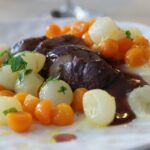
- Main course: Expect a proper centerpiece, including sauce and sides as part of the meal structure.
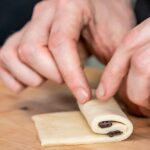
- Dessert: You’ll finish with something sweet that feels like it belongs after the main.
The structure matters because French cooking isn’t only about one dish. It’s about how techniques and flavors carry from one course to the next. Reviews mention you’ll learn the purpose of techniques, not just the motions. That’s the difference between following a recipe and understanding it.
One more thing: you’ll taste as you go. French cooking depends on small adjustments—salt level, acidity balance, doneness timing. Hands-on classes let you experience those adjustments rather than reading about them later.
A practical drawback to keep in mind: since the schedule runs right through lunch time, you’ll probably want to avoid booking anything immediately after the class ends. You’re eating, drinking, and then you may want time to cool down and process what you learned.
Cooking With Fresh Market Ingredients: What You’ll Actually Learn

A good French cooking class teaches you technique and mindset. This one leans hard on the first and supports the second.
From the information you’re given and the way Noémie teaches, you can expect a mix of basics that become powerful fast:
- Prep skills like chopping and practical mise en place habits
- Sauce-making logic and how to balance a finish
- How to think in textures and stages, especially when you’re moving from starter to main to dessert
Reviews highlight great tips for prepping and chopping, and they also point out how fresh the ingredients are. That’s not a marketing slogan here; it changes the experience. When your ingredients are high quality, your technique starts making sense. If the tomatoes are great, your tomato sauce won’t taste flat even before you master everything.
You’ll also learn how the techniques fit together. One review specifically mentions understanding the purpose of techniques, which is how you avoid cooking “by luck.” Once you know the purpose, you can substitute ingredients later and still get good results.
If you’re a novice, that’s your safety net. If you’re an experienced cook, you’ll still find value because the class clarifies what matters in French cooking: flavor balance, correct timing, and sauce structure.
If you have strong dietary preferences or allergies, the standard menu details here are limited. You might want to ask ahead of time so expectations match the class.
A few more Paris tours and experiences worth a look




Wine, Water, Coffee: The Lunch Setup That Makes It Feel Like Paris
This meal comes with mineral water, a glass of French wine, and coffee or tea. It’s a classic lunch format, and it makes the class feel like you’re sitting in on a real Parisian meal rather than finishing in a cafeteria line.
Reviews mention that Noémie introduces a wine that pairs well with what you’re making. That’s helpful even if you don’t know French wine labels yet. It gives you a starting point and a taste memory. If you like to learn by doing, this is a smart way to go.
One practical suggestion that comes straight from the feedback: ask Noémie for a wine recommendation and consider bringing it to share with the class when you eat. I like this idea because it turns the meal into a conversation. It also helps if you’re the type who wants to match flavors to your own taste.
In any case, don’t treat the wine as a side detail. The class is structured so you taste the food with the drinks that go along with French lunch culture.
Kitchen Gear and Group Size: Why You Don’t Feel Like a Number
The class is limited to 8 participants, which is exactly the sweet spot for learning. Too many people and you get quick instructions with little personal feedback. Too few and it can feel awkward or lonely. Here, you get enough group energy to make it fun, while still getting attention.
The kitchen is also described as well equipped. And since utensils and an apron are included, you don’t have to arrive prepared like it’s a cooking marathon training session. You can show up in normal travel clothes, tie on the apron, and focus.
One thing I’d mention if you’re thinking about timing: the class duration is 3.5 hours, which includes cooking and eating. That’s comfortable. You’re not being rushed through plating before you’ve learned what you’re doing.
Price and Value: Does $182 Make Sense for 3.5 Hours in Paris?

At $182 per person for 210 minutes, you’re not buying a bargain. But the value is more about what’s included and how the time is used than just the hourly math.
You get:
- A hands-on class with a chef (Noémie)
- A 3-course meal you help prepare and then eat
- Wine, mineral water, coffee or tea
- English recipe copy
- Utensils and apron
- A small group cap at 8 people
When you compare that to paying for separate activities (a guided food stop plus a cooking workshop plus a sit-down meal), this stacks up better than many single-item tours. You’re getting the meal and the teaching in one block of time.
The other value piece is learning quality. Reviews consistently praise how clear the instructions are and how welcoming Noémie is to different cooking levels. That kind of teaching helps you actually take home something useful, not just a full stomach.
If you love food, cooking, and culture, this is a solid use of vacation time. If you’re only curious but not willing to cook much, you might prefer a lighter food experience.
After the Class: Using the Recipes to Cook Like You Belong in Paris

What I like about classes like this is that you leave with a repeatable result. The English recipe copy means you’re not stuck trying to remember what happened at 11:45 a.m. in a busy kitchen.
I also like that the class encourages note-taking with photos and video. That means when you recreate the meal at home, you’ll know your personal checkpoints: texture cues, timing markers, and plating logic.
And don’t underestimate the social part. Eating what you made with a group in a relaxed setting is part of the learning. People in the feedback mention spending the rest of the afternoon exploring the neighborhood based on Noémie’s suggestions. Even if you don’t do a full neighborhood plan, you’ll likely leave with a better sense of where you are and what to look for next.
Should You Book This Paris Cooking Class?
Book it if you want a real cooking experience in Paris 17 with a chef who teaches in English and French, works well for beginners, and gives you an actual 3-course lunch out of your effort. The small group size and included meal make the price easier to justify, especially if you’d otherwise spend time piecing together food experiences.
Pass or reconsider if you hate hands-on cooking, want a passive tour, or have a schedule that can’t absorb a 10:30–14:00 lunch block. Also think twice if you expect a lot of flexibility for specialized diets, since the details provided focus on the standard menu.
If you’re on the fence, here’s an easy decision rule: if you’ll cook at home when you’re inspired, this class gives you both inspiration and instructions.
FAQ
How long is the Paris cooking class?
The class lasts 210 minutes, running from 10:30 to 14:00.
Where do I meet for the cooking class?
Meet at 92 rue Nollet 75017 Paris, France.
What languages are used during the class?
The class is taught and hosted in English and French.
How big is the group?
The group is small, limited to 8 participants.
What’s included with the meal?
You’ll get the food you cook, plus wine, tea, coffee, and mineral water, along with cooking utensils and an apron.
Is there free cancellation?
Yes. You can cancel up to 24 hours in advance for a full refund.