REVIEW · PARIS
Marais semi private walking tour
Book on Viator →Operated by Paris in person · Bookable on Viator
The best part of this Marais walk is its route through several layers of Paris: the former food market at Les Halles, the Jewish quarter, a 16th-century aristocratic mansion, Place des Vosges, and Bastille. In two hours, you get a useful first look at a neighborhood that can feel confusing when explored without a plan.
I like the small group limit of 10, and I like that an art historian leads the walk rather than a guide who simply points out façades. The main drawback is the price: $171.96 per person is a serious fee for two hours, especially since the tour enters neither the Pompidou Centre nor City Hall.
In This Review
- Key points to know before booking
- Why this two-hour Marais route works
- Les Halles and the Fontaine des Innocents
- The Pompidou Centre and modern Paris
- Hôtel de Ville and the limits of an exterior visit
- Rue des Rosiers and the Marais Jewish quarter
- The oldest paved street and a 16th-century town house
- Hôtel de Sully and the gardens
- Place des Vosges, the route’s grand centerpiece
- Bastille and the eastern end of the walk
- What the art historian guide adds
- Is $171.96 per person a fair price?
- Timing, weather, and walking comfort
- Who should book this Marais walk?
- Should you book the Marais semi-private walking tour?
- FAQ
- How long does the Marais walking tour last?
- How large is the group?
- Where does the tour start?
- Where does the tour end?
- Does the tour enter the Centre Pompidou?
- Does the tour enter Hôtel de Ville?
- Is food included?
- What is the cancellation policy?
Key points to know before booking

- Nine stops connect old Paris with modern Paris, from Les Halles to the Place de la Bastille.
- The group is capped at 10 people, making it easier to ask questions and hear the guide.
- Guides such as Tina, Boris, and Isadora have led past departures, with particular praise for their English, historical insight, and friendly manner.
- The Pompidou Centre and City Hall are outside visits only, so plan separate museum or interior visits if you want to go inside.
- The walk ends at Bastille, giving you a useful starting point for further exploring the eastern Marais.
- Rain can affect the experience, since this is an outdoor walking tour and clear hearing becomes harder in wet weather.
Why this two-hour Marais route works
The Marais is not one neat historical chapter. It is a patchwork of former market streets, religious landmarks, royal town houses, Jewish businesses, modern art, and political memory. The route works because it moves through those changes in a logical direction instead of leaving you to connect the dots alone.
You start near Café Étienne at 14 Rue de Turbigo in the 1st arrondissement and finish at Bastille in the 12th. The walk crosses from the area around Les Halles into the Marais, then continues east. That point-to-point design is useful: you do not spend the final 20 minutes retracing your steps.
The advertised stops add up to about 110 minutes, with the remaining time used for walking between them and linking the stories together. You should expect a steady outdoor walk rather than a long stop at any single monument.
You can also read our reviews of more walking tours in Paris



Les Halles and the Fontaine des Innocents
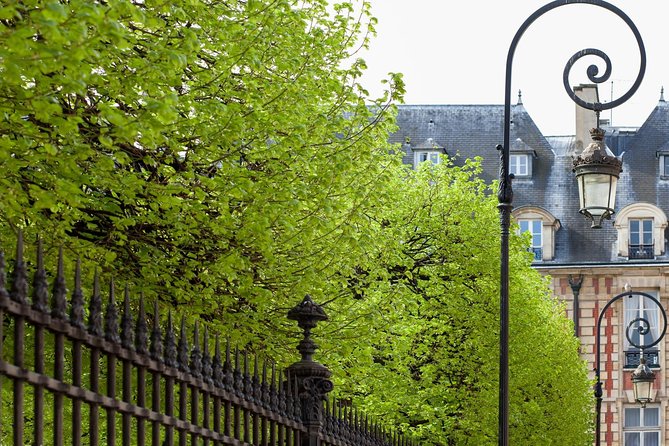
The first stop is Les Halles, once known as the belly of Paris. That nickname tells you why the quarter mattered. This was a major food center, and its importance shaped the daily life and commerce of the capital.
A guide adds value here by explaining how a market district affected the surrounding streets and the people who lived and worked nearby. You get about 15 minutes, enough for a clear introduction without turning the opening into a lecture.
Next comes the Fontaine des Innocents, described as the oldest fountain in Paris. The stop lasts about 10 minutes and gives you a chance to focus on a single piece of public architecture rather than rushing past it.
I like this opening because it begins with ordinary city life. Food, water, trade, and public space are easier ways into Parisian history than a string of dates. You start seeing the Marais as a working neighborhood, not just a collection of pretty façades.
The Pompidou Centre and modern Paris
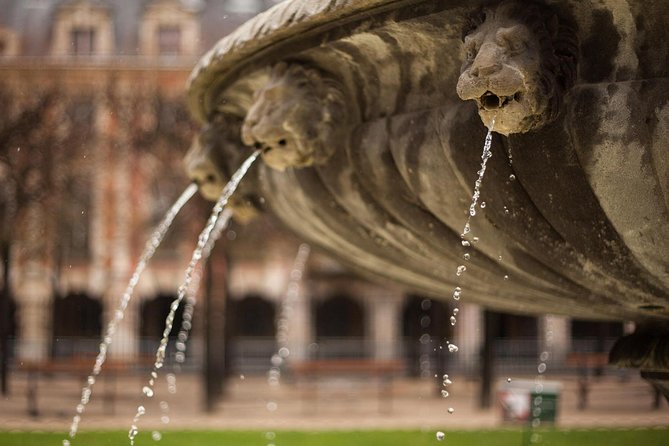
The Centre Pompidou is a sharp change of mood. Its modern design transformed this part of the city, and the guide discusses its effect from the outside.
This is not a museum visit. You do not receive admission, an interior tour, or time to see the galleries. The stop lasts around 15 minutes, so the focus is on the building and the way it changed the area around it.
That distinction matters when you compare this walk with a full art museum visit. If you want contemporary art, reserve separate time for the Centre Pompidou. If you want to understand why such a striking building was placed here and how it altered the neighborhood, this brief exterior stop does the job.
The contrast with the earlier Les Halles stop is one of the route’s strengths. Paris moves from market life to bold 20th-century architecture in only a few blocks. An art historian guide is especially useful at this point, since the building is easier to appreciate when you know its role in the city’s changing identity.
Hôtel de Ville and the limits of an exterior visit
The walk continues to Hôtel de Ville, presented as one of Paris’s major institutions and historic sites. You spend about 10 minutes here.
Again, this is an exterior visit only. The building is not open for ordinary tour entry, and the experience does not include access inside. The supplied information notes that entry is possible only one day each year, so do not book this walk expecting a City Hall interior.
That limitation is not a flaw in the route itself, but it is important for planning. The stop gives you context and a look at the building, while a separate visit would be needed for interior access. The guide can also help explain why this site matters to the city’s civic life, something that is easy to miss when you simply walk past it.
Rue des Rosiers and the Marais Jewish quarter
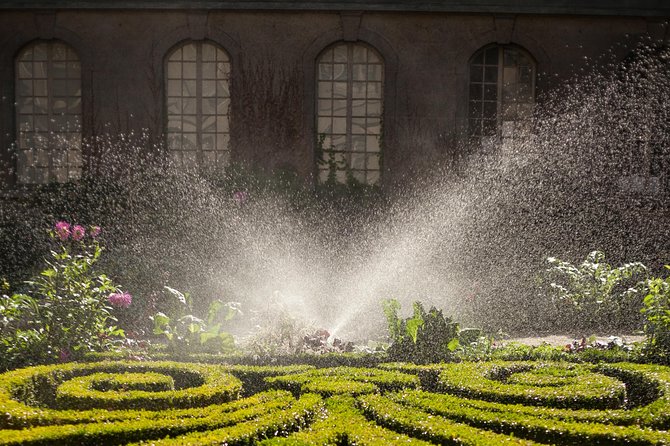
Rue des Rosiers is the center of Paris’s Jewish community. The tour allows about 10 minutes here, which is enough to introduce the quarter and its place in the Marais.
This is one of the stops I would most want a guide for. A street can look like a pleasant shopping lane when you do not know its social and cultural importance. Historical context helps you read the neighborhood beyond its cafés and storefronts.
The short time also sets a realistic expectation. You are getting an introduction, not a full study of Jewish Paris. If this subject is a main reason for your visit, you may want to return later and spend more time in the area on your own.
The route’s mix of communities and building styles is a major benefit. The Marais is not presented as a frozen historic district. It is a place where old institutions, modern shops, religious memory, art, and daily city life share the same streets.
You can also read our reviews of more private tours in Paris





The oldest paved street and a 16th-century town house
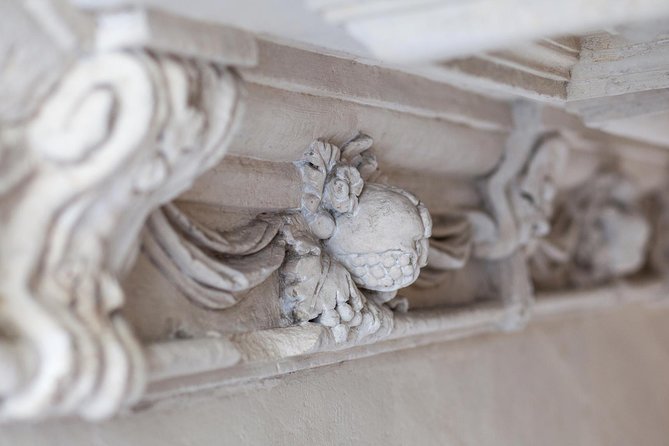
The stop at the Historical Library of the City of Paris brings in two unusual details. You hear about what is described as the oldest paved street in Paris and get a peek inside a distinctive 16th-century aristocratic city villa.
This is the kind of information you are unlikely to pick up from a quick walk with a guidebook. The street itself may not look dramatic at first. Its value comes from knowing how unusual it is and what it reveals about the age and development of the neighborhood.
The city villa is also important because the Marais is known for its grand private mansions, often called hôtels particuliers. These were urban residences for wealthy families, and their scale can surprise you when you first notice them tucked behind ordinary street fronts.
You have about 10 minutes here. That is enough for the guide to point out the relevant details, but not enough for a lengthy interior tour. Think of it as a carefully chosen glimpse into the private side of old Paris.
Hôtel de Sully and the gardens
The Jardin de l’Hôtel de Sully gives you another look at an aristocratic residence, this time with its garden. The stop lasts about 15 minutes.
This is a useful pause in the walking route. After the market, fountain, modern museum, civic building, and Jewish quarter, the garden offers a calmer setting and a chance to understand how wealthy Parisians once arranged their homes around courtyards and formal outdoor space.
I like that the route does not treat the Marais as a parade of streets alone. The garden helps explain the neighborhood’s private architecture. It also gives you a visual break before the large and famous Place des Vosges.
You should not expect a long garden visit. The tour has a fixed schedule and several more stops ahead. Still, 15 minutes is enough to look around and let the guide connect the building, garden, and wider Marais district.
Place des Vosges, the route’s grand centerpiece
Place des Vosges receives about 15 minutes, tied with the Pompidou Centre and Hôtel de Sully for the longest individual stops. It is often called the most beautiful square in the world, at least according to French opinion and plenty of admirers elsewhere.
The value here is not only the square’s appearance. Its regular design and surrounding town houses show a more planned, formal side of Paris than the older market streets. By this point in the walk, you have already seen several types of urban space, so the square becomes part of a larger story.
A guide can point out details you might miss while taking photographs. You also get a better sense of how the Marais shifted from a district of aristocratic residences to a mixed neighborhood with museums, shops, restaurants, and community institutions.
Fifteen minutes will not allow a full architectural study. It does provide enough time to see the layout, hear the main story, and mark the square for a later return. If you are visiting Paris for the first time, this is one of the places where you may want to linger after the tour ends.
Bastille and the eastern end of the walk
The final stop is Place de la Bastille, one of the most important historic sites in Paris and France. The tour gives it about 10 minutes and ends here.
Bastille is a strong finish because it shifts the focus from aristocratic residences and elegant squares to political history. The walk does not end at a museum entrance or return to the starting café. Instead, you finish in a major city square with easy access to more of eastern Paris.
The supplied route does not include entry to a Bastille attraction, so think of this as a guided orientation to the site. You receive the historical framework, then decide if you want to continue exploring the area.
Ending at Bastille can also help with your day’s planning. You can arrange a meal, another walk, or public transportation from there. The tour is near public transportation at the start and finish, though the exact travel advice is not specified.
What the art historian guide adds
The guide is the central reason to consider this experience at its price. The inclusion is a live professional art historian, not a recorded commentary or a self-guided route.
Past guides named in the supplied feedback include Tina, Boris, and Isadora. Tina was singled out for her excellent English and strong command of the subject. Boris was praised for connecting the past with present-day cultures and for engaging with questions. Isadora was noted for meeting participants near the metro and arriving on time.
Those details give you a useful picture of the guiding style to look for: clear English, historical connections, and room for conversation. The experience is not only about reaching nine locations. It is about learning why each one matters.
The guide’s quality may vary by departure, and the available feedback is small, so I would not assume you will receive a particular person. Still, the named examples suggest that the operator has used guides who can handle both art and broader Paris history.
Is $171.96 per person a fair price?
At $171.96 per person, this is expensive for a two-hour walk. The cost is easier to justify if you value a very small group, a professional art historian, and a route that covers several different chapters of Paris in one sitting.
It is harder to justify if you mainly want a casual neighborhood stroll. Every stop is free, snacks are not included, and you do not enter the Pompidou Centre or Hôtel de Ville. You are paying for interpretation, planning, and access to a small-group format, not for admissions.
With a maximum of 10 people, the guide can usually manage questions more easily than on a large coach-style walk. That matters in the Marais, where many of the best details are found in side streets and building façades rather than at a single major monument.
I would compare the cost with your priorities. First-time visitors who want a strong historical framework may find the fee worthwhile. Independent walkers who enjoy reading, wandering, and returning later may prefer to spend the money on a museum ticket or several self-guided walks.
Timing, weather, and walking comfort
The advertised duration is about two hours, but you should plan for continuous outdoor movement. A moderate level of physical fitness is recommended, and comfortable shoes make sense even though no extreme activity is involved.
Rain can reduce the quality of the experience. One account specifically noted that wet weather made it harder to hear the guide and appreciate the neighborhood atmosphere. Since much of the value comes from spoken explanation, a rainy day is more than a minor nuisance.
The group size helps, but it cannot remove street noise or bad weather. I would choose a dry forecast if you have flexibility, especially if hearing every historical explanation matters to you.
Service animals are allowed. The tour has a mobile ticket, and confirmation is provided at booking. Free cancellation is available if you cancel at least 24 hours before the start time. Cancellations or changes inside that window are not refunded or accepted, and the operator may offer another date or a full refund if the minimum number of participants is not reached.
Who should book this Marais walk?
I would recommend it to you if you want a quick, well-planned introduction to the Marais and prefer asking questions to following an app. It suits first-time Paris visitors, architecture fans, and anyone who wants the Jewish quarter, aristocratic town houses, Place des Vosges, and Bastille tied into one story.
It also suits people who like small groups. A maximum of 10 is intimate without making the walk feel like a private tour.
I would hesitate if you want long interior visits, extensive time at each site, or a low-cost activity. This is an orientation walk with exterior discussions, not a museum tour or a full-day cultural program.
Should you book the Marais semi-private walking tour?
Book it if the art historian guide and small group are the main draw. You will see a carefully chosen slice of Paris, from old market life to modern art and revolutionary memory, with guides such as Tina, Boris, or Isadora representing the sort of personal, informed approach the tour aims to provide.
Skip it if $171.96 feels too high for two hours or if you mainly want to enter the Pompidou Centre or Hôtel de Ville. For the right visitor, the price buys a useful framework and a more personal walk. For an independent explorer, the same route could be spread across a free afternoon with more time at each stop.
FAQ
How long does the Marais walking tour last?
The tour lasts approximately two hours.
How large is the group?
The group has a maximum of 10 travelers.
Where does the tour start?
It starts at Café Étienne, 14 Rue de Turbigo, 75001 Paris, France.
Where does the tour end?
The tour ends at Place de la Bastille in Paris.
Does the tour enter the Centre Pompidou?
No. The Centre Pompidou is discussed from the outside, and museum entry would require a separate visit.
Does the tour enter Hôtel de Ville?
No. The tour visits Hôtel de Ville from the outside. Interior access is not part of this experience.
Is food included?
No. Snacks are not included.
What is the cancellation policy?
You can cancel at least 24 hours before the start time for a full refund. Cancellations or changes made less than 24 hours before the start time are not refunded or accepted.