REVIEW · REIMS
Gourmet walk in the heart of the vineyards with Champagne tasting near Epernay
Book on Viator →Operated by Confidences d'Epicure · Bookable on Viator
Champagne tastes best when you can see how it grows. This 2-hour vineyard walk near Épernay pairs production lessons with a relaxed tasting at an independent winery. I especially like the focus on how Champagne is made as you move through the vines, and the fact that you get to try three different Champagnes with regional bites. The main thing to plan around is that it’s a walking experience with a moderate fitness level, so wear shoes you trust and expect some uphill pace.
You also get a small group size (max 8), which keeps the walk from feeling rushed. A good example: guides like Eric are praised for clear explanations in English and for letting you ask plenty of questions, not just follow along. One possible drawback: bottled water isn’t included, so bring your own, especially if you’re going in warm weather.
If you want a Champagne experience that feels like a short, fun class in the vineyards (with tastings that actually connect to what you’re seeing), this one is hard to beat.
In This Review
- Key things that make this Champagne walk worth your time
- Champagne in the vines: what this experience is really like
- Price and value: is $72.09 a fair deal?
- Where you start near Épernay: town feel before the vines
- The vineyard walk: views, climbs, and Champagne lessons in motion
- What you should expect physically
- How the guide turns walking into understanding
- The independent winery tasting: three Champagnes, paired thoughtfully
- Local bites you may taste
- What to pay attention to during the tasting
- Guide factor: why Eric gets mentioned so often
- Logistics that affect comfort (and your enjoyment)
- Who this Champagne walk is best for
- Weather and timing: plan for the reality of vineyards
- Should you book this Champagne tour?
- FAQ
- How long is the Champagne walk and tasting?
- What is the price per person?
- Is the tour offered in English?
- How many people are on the tour?
- What is included in the tasting?
- Do I need to bring bottled water?
- Where does the tour start and end?
- What’s the cancellation policy?
Key things that make this Champagne walk worth your time
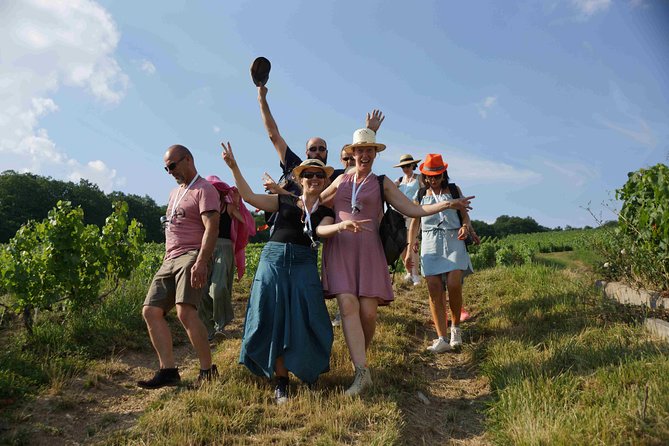
- Small group (up to 8) so you can actually ask questions during the tasting
- Three Champagne tastings paired with local specialties, not just plain sips
- Independent winery access that can be tough for solo visitors to arrange
- Vineyard walking near Épernay with views that build as you climb
- Local food pairing ideas, including Reims ham and champenois
Champagne in the vines: what this experience is really like
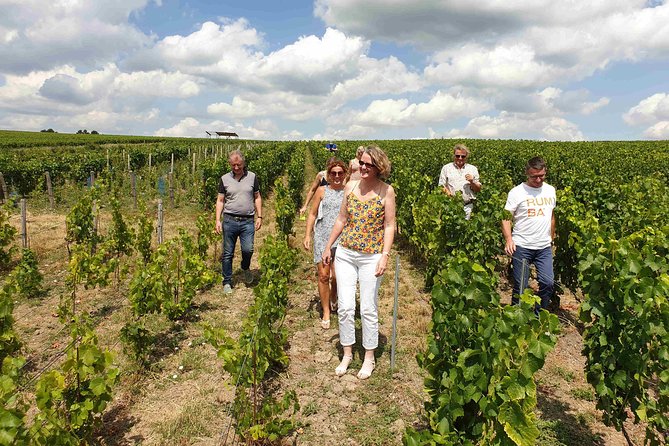
This is a two-hour Champagne outing built around one idea: Champagne is easier to understand when you’re walking where the grapes grow. You start near the Cumières area (postcode given for the meeting point), then you spend your time moving through the Épernay vineyard countryside and ending back where you began.
What makes it feel different from the typical tasting-only stop is the rhythm. You’re not just drinking. You’re getting context—how the vines are cultivated, how the production works, and what makes the different Champagnes distinct. That helps you taste with your brain engaged, not on autopilot.
And because it’s a small group, the guide can keep the pace human. You can ask follow-ups on grape choices, vineyard practice, and the reasons certain styles taste the way they do. Several groups call out Eric specifically for being warm, professional, and good at explaining in English.
You can also read our reviews of more walking tours in Reims


Price and value: is $72.09 a fair deal?
At $72.09 per person for about 2 hours, you’re paying for three things at once: a guided vineyard walk, access to tasting in an independent setting, and the actual drinks plus local food pairing.
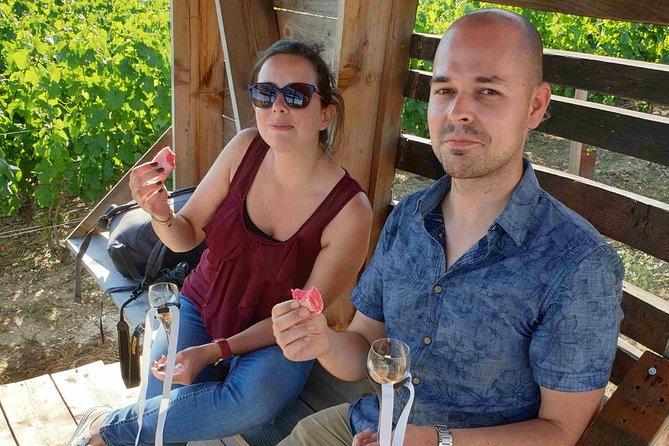
A key value point here is that you’re not paying for a big formal tour with lots of seats and lots of waiting. The group size is capped at 8, and the tasting includes three Champagnes and a Champagne glass. You also get local product pairings (including Reims ham and champenois), so the experience isn’t just alcohol. It’s alcohol plus regional food logic—how flavors connect.
The only thing that can reduce value for some people is if you’re expecting a long, transport-heavy day trip. This is a compact experience. You’re out for roughly two hours. If you want half a day or a full day with multiple producers, you’ll likely want a different kind of tour.
Where you start near Épernay: town feel before the vines
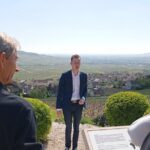
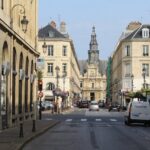
The walk begins in the Cumières area (meeting point listed at 51480 Cumières, France) and your route starts with a first orientation moment near a town hall and a church.
Why that early stop matters: it gives you a sense of place before the vineyards take over. Instead of jumping straight into countryside viewing, you get a quick local framing of the region. It’s a good “get your bearings fast” setup—especially if this is your first time in the Champagne region.
It also helps the guide settle the group and explain what you’ll focus on as you move. That way, when you step into the vines, you’re already listening for the right details.
The vineyard walk: views, climbs, and Champagne lessons in motion
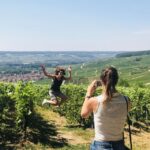
Once the walk shifts toward the vines, you’ll be doing the main work of the experience: walking among the vines while learning how Champagne production connects to what you’re seeing.
This is where the best parts land for many people. The views tend to grow as you climb, and the walking route gives you a sense of scale—an actual sense of how extensive these vineyards are. One review highlights the experience as beautiful even in November, which is a good sign that it’s not only a summer show.
What you should expect physically
The tour notes moderate physical fitness. That likely means you’re dealing with some uneven paths and an uphill feel. Bring comfortable shoes. If you’re sensitive to heat, plan your clothing with weather in mind. And again: bring your own water because bottled water isn’t included.
You can also read our reviews of more food & drink experiences in Reims




How the guide turns walking into understanding
The guide’s role is to make Champagne feel logical. You’ll hear about the production process and how the region contributes to taste. People also call out a clear explanation of differences between the three grape types used for Champagne, and how cultivation in the area affects what ends up in the glass.
This is useful even if you’re not a total wine nerd. Once you know what to listen for—fruit character, structure, style differences—you taste more confidently. You also avoid the common feeling of tasting three glasses that all blur together.
The independent winery tasting: three Champagnes, paired thoughtfully
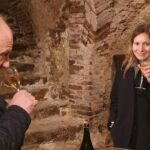
The highlight for many Champagne lovers is the tasting stop at an independent winery. This is where you go from theory to flavor.
You’ll taste three different Champagnes. Not all tastings are created equal; some are rushed, some feel generic. This one stands out because it’s paired with local products. The pairing changes how you experience each glass and helps you understand why certain Champagne styles work with certain foods.
Local bites you may taste
Regional specialties mentioned for this tour include Reims ham and champenois. Those aren’t random add-ons. They’re a way to taste the region through food that locals actually eat, then compare how that food interacts with what’s in your glass.
The guide may also do small food-and-drink pairing moments in the vineyard area itself. Several people describe multiple pairing steps, not just one formal tasting at the end. That’s a nice way to break up the walk so it doesn’t become one long uphill followed by a quick sip.
What to pay attention to during the tasting
To get the most out of the three tastings, I’d treat it like a mini checklist:
- Notice whether the Champagne feels more about freshness or more about weight and texture.
- Compare how each one changes when you eat a bite of the local specialty.
- Listen to the guide’s explanation of the production choices, then see if your palate matches the story.
If you’re a Champagne enthusiast, the best part is that you’re not stuck guessing. The guide helps you connect the grapes and cultivation to real differences in the bottles.
Guide factor: why Eric gets mentioned so often
A tour can have great vineyards and still fall flat if the guide can’t explain. Here, the reviews consistently bring up a guide named Eric and credit him for being knowledgeable and welcoming, with English that works well for international groups.
What that means for you: you’re likely to get more than “this is where grapes grow.” You should expect a real conversation—questions welcomed, explanations given clearly, and a sense that the guide cares if you understand what you’re tasting.
It’s also worth noting the tour is capped at 8 travelers. That matters because it gives the guide space to respond to your questions without the group feeling like a queue.
Logistics that affect comfort (and your enjoyment)
This tour is structured to be easy to join, with a few practical points you’ll want to plan around.
- Mobile ticket: you’ll show it on your phone.
- Toilets are available at the start.
- It’s near public transportation, which helps if you’re staying in Reims or nearby areas.
- Service animals are allowed.
- The duration is about 2 hours, so you don’t need to block your whole day.
Two practical comfort points stand out:
- Wear comfortable shoes for walking on vineyard paths.
- Bring water since bottled water isn’t included.
If you’re going in summer or a warm afternoon, water becomes a real part of the experience, not a side thought.
Who this Champagne walk is best for
This is a great fit if you:
- Want Champagne education without a heavy, formal tour style
- Like small-group experiences where questions are welcome
- Enjoy pairing alcohol with local food rather than tasting in a vacuum
- Are visiting Reims and want a Champagne-focused day that stays manageable in time
It’s also ideal if you’re traveling solo. The “independent winery access” angle is valuable because solo visitors can struggle to find the right combination of vineyard access and tasting structure.
If you’re the type who wants long winery stops, lots of transportation included, or a full day across multiple producers, you might find this tour shorter than you want.
Weather and timing: plan for the reality of vineyards
The experience is weather dependent and requires good weather. That matters because vineyards are outdoors and walking routes don’t work in bad conditions.
If your schedule is flexible, you’re in better shape. If you’re locked into specific days, you’ll want to watch the forecast and be ready for the experience to switch dates if weather is poor.
Late afternoon and early evening can be especially pleasant, since you’ll get the outdoor viewing benefits without spending the hottest part of the day in the sun.
Should you book this Champagne tour?
Book it if you want:
- A small-group Champagne walk in the Épernay region
- Three tastings tied to what you’re learning
- Local food pairing like Reims ham and champenois
- A guide who makes the process understandable in English
Skip it or consider another style of tour if:
- You dislike outdoor walking or you’re not comfortable with a moderate fitness level
- You want a longer, multi-stop route across several producers
- You’re not interested in food pairings and prefer tasting-only stops
For most people focused on value, learning, and a relaxed Champagne experience, this one lands very well.
FAQ
How long is the Champagne walk and tasting?
It runs for about 2 hours.
What is the price per person?
The price is $72.09 per person.
Is the tour offered in English?
Yes, it is offered in English.
How many people are on the tour?
The group size is capped at a maximum of 8 travelers.
What is included in the tasting?
You get three Champagne tastings with local products, a Champagne glass, and toilets are available at the start.
Do I need to bring bottled water?
Bottled water is not included, so you should plan to bring your own.
Where does the tour start and end?
It starts at 51480 Cumières, France, and ends back at the meeting point.
What’s the cancellation policy?
You can cancel for a full refund up to 24 hours before the experience starts. The tour also depends on good weather, and if it’s canceled due to poor weather, you’ll be offered a different date or a full refund. If the minimum number of travelers isn’t met, you’ll also be offered a different date/experience or a full refund.