REVIEW · REIMS
Let’s take a walk in the vineyards
Book on Viator →Operated by Champagne Christian Muller · Bookable on Viator
Champagne is easiest to understand with your feet on the ground, not just a flute in your hand. This 90-minute walk at Champagne Christian Muller takes you through the Grand Cru vineyards of Mailly-Champagne, where you learn how the soil, seasons, and careful vine work shape the bottle in your glass.
I like the small-group feel, with no more than 20 people, and the practical way the tour connects pruning, harvest, and Champagne production. I also like that the tasting includes two champagnes and champagne ratafia, so you leave with more than a scenic walk.
The main drawback is simple: this is an outdoor experience that requires good weather. The tasting room has also been described as a little worn and not especially welcoming, though the warm, helpful guiding by Lydie or Justine can make up for plain surroundings.
In This Review
- Key things to know before you book
- Starting in Mailly-Champagne, not central Reims
- Walking through the vines and soil
- Understanding how grapes become Champagne
- Finishing with two champagnes and ratafia
- How much value do you get for $28.66?
- Who will enjoy this vineyard walk?
- Timing, booking, and weather advice
- A realistic picture of the experience
- Should you book Champagne Christian Muller?
- FAQ
- Where does the tour begin?
- Where does the tour end?
- How long does the experience last?
- What is included in the price?
- Can I buy champagne after the tour?
- How many people can join the tour?
- Is the tour accessible to most people?
- What happens if the weather is poor?
Key things to know before you book

- Walk through a Grand Cru vineyard: You see the vines where the grapes are grown instead of learning only inside a cellar.
- Season-by-season explanations: The guide covers pruning, growing, harvest work, and how the vines change during the year.
- A tasting with three local pours: Your ticket includes two champagnes and the house’s champagne ratafia.
- A personal, practical guide: Lydie and Justine have both led visits, with explanations that connect the vines to wider Champagne traditions.
- Short and manageable timing: The experience lasts about 1 hour 30 minutes, useful when you have only part of a day near Reims.
- Mailly-Champagne meeting point: The tour is associated with Reims, but you meet at 35 Rue de la Libération in Mailly-Champagne.
Starting in Mailly-Champagne, not central Reims
The first detail to get right is the address. The experience is promoted for Reims, but the meeting point is at Champagne Christian Muller, 35 Rue de la Libération, 51500 Mailly-Champagne, France. The walk also ends there.
That matters because this is not a stroll you simply join from Reims Cathedral. You need to plan your way to Mailly-Champagne and allow time to arrive at the exact meeting point. The booking information does not include transportation, so your route there is your responsibility.
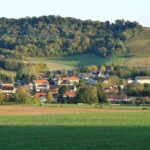
Once you arrive, the setting makes sense. You are close to the working vineyards rather than in a city tasting room. The tour begins with the place itself, which gives the rest of the experience a clear purpose: you are learning where Champagne starts.
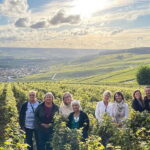
The group can have up to 20 people. That is not an intimate private tour, but it is still small enough for a guide to explain the basics without turning the walk into a large procession. If you prefer a very personal visit, a quieter date may help. One visit was led for only two people, allowing Lydie to give detailed attention and offer suggestions for other things to see in the region.
You can also read our reviews of more walking tours in Reims
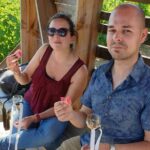


Walking through the vines and soil

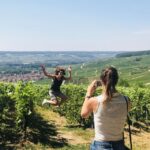
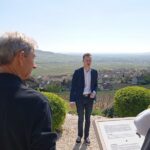
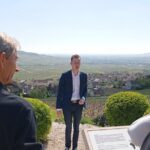
The heart of the experience is the vineyard walk. You learn how the vines function, how they change during the seasons, and why each plot matters to the final wine.
The guide discusses the work done from pruning through harvest. Pruning is not presented as a minor maintenance task. It is part of shaping the plant and managing the future crop. Later in the year, the work changes as the grapes develop and the harvest approaches.
This is useful because Champagne can seem simple from the outside: white bubbles, a famous label, a celebration. The vineyard shows the less visible side. Every bottle depends on choices made long before the cork is released.
The tour also explains the soil and terroir of the Grand Cru area. You will hear why Champagne’s growing conditions are special and why individual plots are treated as valuable. The supplied details do not promise a technical soil laboratory lesson, so you should expect an accessible explanation rather than a specialist viticulture course.
I like this part because it gives you a way to read the countryside. Instead of seeing rows of vines as a pretty backdrop, you begin to notice the work behind them. If you already know Champagne well, the visit may feel introductory. If your wine knowledge begins and ends with choosing brut or demi-sec, it gives you a useful framework.
Wear shoes suitable for an outdoor walk and check the weather before you go. The tour requires good conditions, and the provider may cancel if the weather is poor. In that case, you can receive a different date or a full refund.
Understanding how grapes become Champagne

The walk connects vineyard work with the art of making Champagne. The guide explains the techniques that give the region its character and discusses the story of the Christian Muller house.
The experience does not list a cellar tour or a full production demonstration, so you should not book it expecting to see every stage of bottling and fermentation. Its focus is the vineyard, the work carried out there, and the larger process that turns grapes into the region’s best-known drink.
That focus is a strength for a short visit. In 90 minutes, you get a coherent introduction instead of a long technical program. You learn what happens during the year, why the grapes matter, and how the vineyard connects to the finished cuvée.
The historical element adds context, though the information provided does not give a detailed timeline of the house. You will hear about the history of Champagne Christian Muller as part of the visit, but the main subject remains the vines and the production methods.
The guide’s role matters here. Lydie has been praised for explaining the vineyards clearly and for offering useful suggestions about other visits in the region. Justine has also received warm comments for her welcome, concrete explanations, and the quality of the champagne. If your guide is either of them, you can expect a personal approach rather than a script read at high speed.
Finishing with two champagnes and ratafia

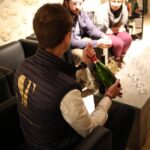
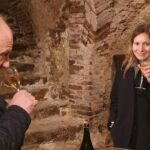
After the walk and explanations, you sit down for a tasting of two champagnes and the house’s champagne ratafia. This is included in the price, not an optional add-on.
The tasting is where the earlier discussion becomes practical. You can connect what you have learned about grapes, plots, and production with what you actually taste. If you are new to Champagne, pay attention to how the two cuvées differ. You do not need expert vocabulary. Notice the aromas, the balance, the texture, and which one you prefer.
Ratafia is another reason this tasting feels more specific than a standard Champagne pour. It gives you a chance to try a regional drink that is not simply another bottle of sparkling wine. The experience includes it as part of the tasting, so you can compare it with the two champagnes in the same setting.
You can purchase additional cuvées after the tour, but those bottles cost extra. That can be convenient if you find a favorite and want to take it home. I would treat the buying option as a choice, not as part of the tour’s value calculation.
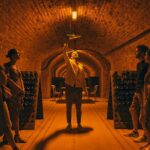
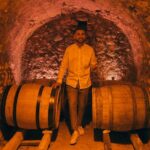
One point to keep in mind is the tasting room itself. It has been described as somewhat dated and less inviting than the vineyard setting. This is a fair warning if you expect polished interiors and a stylish wine bar. The tasting is about the drink and the conversation, not a carefully designed room.
How much value do you get for $28.66?

At $28.66 per person, the price is reasonable if you want a guided introduction that combines an outdoor walk with three tastings. You are paying for about 90 minutes of instruction, access to the vineyard setting, a guide, two champagnes, and champagne ratafia.
The value is strongest for someone who wants context. If you only want a glass of Champagne, this is more time and information than you need. If you want to understand what makes the region special, the walk gives your tasting a purpose.
The maximum group size of 20 also helps keep the cost below that of a private visit. You may not receive the same level of attention as a two-person appointment, but a group of this size remains manageable. On a quiet date, the experience may feel much more personal.
I would also consider the chance to ask regional questions. Lydie has helped visitors with suggestions for other places to visit, which adds value if this is part of a larger stay in Champagne. That kind of local guidance is not guaranteed, but it is a useful possibility.
The price does not include extra bottle purchases. If you are watching your budget, decide in advance whether you want to buy anything after the tasting. The included drinks are enough to sample the house without spending more.

Who will enjoy this vineyard walk?
I would recommend this experience to you if you want a short, clear introduction to Champagne and prefer a working vineyard to a formal city attraction. It is especially suitable if you want to understand the agricultural side of the region before visiting larger Champagne houses.
It also suits couples and small groups. A two-person visit received especially attentive guiding, and the group limit of 20 prevents the activity from becoming very large. Most people can participate, and service animals are allowed.
Wine beginners should find the subject approachable. The tour explains the basics of vine care, soil, terroir, Champagne production, and the house’s story. You do not need prior knowledge to follow along.
Champagne enthusiasts may appreciate the Grand Cru setting and the chance to discuss individual plots, but you should set your expectations correctly. This is a short guided walk, not a long professional tasting seminar or a detailed production master class.
Families and non-drinkers require a little more thought. The included tasting centers on alcoholic beverages, and the information provided does not describe child pricing or nonalcoholic alternatives. Most people can take part, but the tasting is clearly a central part of the program.
Timing, booking, and weather advice

The activity lasts approximately 1 hour 30 minutes. That makes it easy to place alongside another visit, though you should add your own travel time to and from Mailly-Champagne.
It is booked, on average, nine days ahead. I would not leave it until the last moment if your schedule in Champagne is fixed. Confirmation arrives within 48 hours of booking, subject to availability, so check that your time is confirmed before arranging the rest of your day.
The tour depends on good weather. You can cancel for a full refund up to 24 hours before the start time. Cancellations or changes made less than 24 hours before the start are not refunded or accepted, and the cut-off follows local time.
If the provider cancels because of poor weather, you will be offered another date or a full refund. That policy makes the activity easier to fit into a flexible itinerary. I would still avoid placing it on the only free afternoon of a tightly packed trip.
The mobile ticket is practical. Keep it available on your phone when you reach the meeting point. Since the tour starts and ends at the same address, you do not need to arrange a second pickup location afterward.
A realistic picture of the experience

The best part is the link between place and product. You walk among the vines, hear about the work carried out during the year, learn why the soil and individual plots matter, and then taste the result.
The tone appears friendly and direct. Lydie has been praised for her passion and willingness to answer broader questions about visiting Champagne. Justine has been praised for a warm welcome, concrete explanations, and excellent champagne. Those details suggest that the human side of the tour is important.
The setting is less polished than some high-end Champagne houses. The tasting room may feel plain or a little tired. If you want grand buildings, elaborate interiors, and a formal presentation, choose a larger house instead.
You should also remember that the experience is weather dependent. A vineyard walk is more enjoyable when conditions are comfortable, but the same outdoor setting becomes a limitation in rain or poor conditions. Bring sensible footwear and plan around the forecast.
Should you book Champagne Christian Muller?
Book this walk if you want to understand Champagne from the vine upward. For $28.66, you receive a guided vineyard visit, a practical lesson in seasonal work and terroir, and three included tastings. The experience is short enough for a busy itinerary and personal enough to feel connected to a family-style producer.
Skip it if your priority is a grand cellar tour, a highly polished tasting room, or an extensive technical session. You should also think twice if your schedule cannot handle a weather change.
For most people spending time around Reims, this is a useful choice when you want a quieter, more grounded look at the region. The vines are the main attraction, the guides add warmth, and the tasting gives you a clear finish. Just remember that the address is in Mailly-Champagne, not central Reims, and allow time to get there.
FAQ
Where does the tour begin?
The tour begins at Champagne Christian Muller, 35 Rue de la Libération, 51500 Mailly-Champagne, France.
Where does the tour end?
The activity ends back at the meeting point in Mailly-Champagne.
How long does the experience last?
The guided vineyard experience lasts approximately 1 hour 30 minutes.
What is included in the price?
The price includes the guided tour, two champagne tastings, and a tasting of the house’s champagne ratafia.
Can I buy champagne after the tour?
Yes. You can purchase additional cuvées after the tasting, but these purchases cost extra.
How many people can join the tour?
The activity accepts a maximum of 20 people.
Is the tour accessible to most people?
Most people can participate, and service animals are allowed.
What happens if the weather is poor?
The experience requires good weather. If the provider cancels because of poor conditions, you can choose another date or receive a full refund. You can also cancel up to 24 hours before the start for a full refund.