REVIEW · REIMS
3 days in Champagne – “Aromas” experience
Book on Viator →Operated by TOURS IN CHAMPAGNE - Stéphane Demissy · Bookable on Viator
Champagne’s big names are only half the story. This three-day private tour with Stéphane Demissy combines grand houses such as Pommery, Veuve Clicquot, Moët & Chandon, and Mercier with small family producers in the vineyards. The result is a useful look at both the polished brand world and the hands-on work behind grower Champagne.
I like the generous tasting program, with 21 Champagne tastings spread across the three days. I also like the unusual access to small producers, including a retired winemaker with bottles as old as 25 years and a grower who makes only 1,800 bottles from one enclosed vineyard site.
The main drawback is the price, $2,969.14 per person, before lodging and dinners. It makes the most sense for serious Champagne fans who want private transport, personal introductions, three lunches, and a carefully handled schedule, not for someone seeking a quick day trip.
In This Review
- Key points at a glance
- Why three days works well in Champagne
- Day one: Four famous names in one long introduction
- Pommery and its huge underground bottles
- Veuve Clicquot and the brand experience
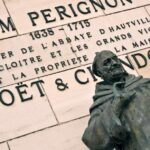
- Moët & Chandon and Dom Pérignon
- Mercier by small train
- Day two: Grand Cru villages and the Reims cathedral
- Sermiers and a Grand Cru grower
- Rilly-la-Montagne and a Premier Cru comparison
- Verzy and the UNESCO-listed vineyard views
- Reims Cathedral and royal history
- Day three: Barrel samples, old vintages, and Epernay
- Beaumont-sur-Vesle and the 1,800-bottle Clos
- Verzenay and bottles reaching 25 years old
- Hautvillers, the village of Dom Pérignon
- Avenue de Champagne in Epernay
- What the $2,969.14 price buys you
- Who will enjoy this Champagne tour most
- Should you book the three-day Aromas experience?
- FAQ
- Where does the Champagne tour begin?
- Can I join the tour from Paris?
- Is transportation private?
- Is the tour offered in English?
- How many Champagne tastings are included?
- Are lunches included?
- Are dinners included?
- Is accommodation included?
- Which major Champagne houses are visited?
- How far in advance can I cancel for a full refund?
Key points at a glance
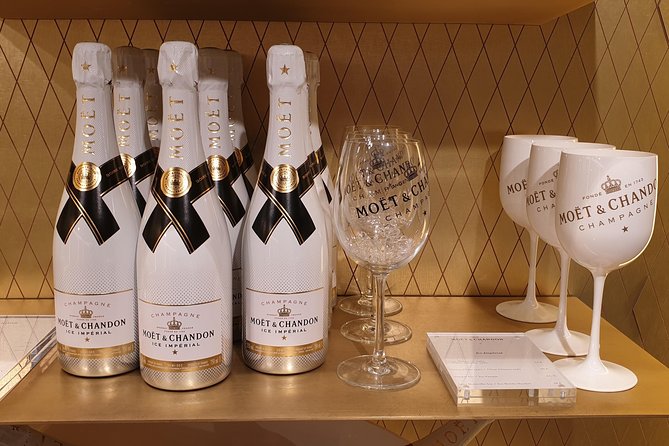
- Four famous houses on day one: See Pommery, Veuve Clicquot, Moët & Chandon, and Mercier in one busy introduction to Champagne’s best-known brands.
- Private meetings with small growers: Visit producers in Grand Cru and Premier Cru villages and taste with the people who make the wine.
- Aged Champagne takes center stage: Compare young and old bottles, including vintages reaching 25 years.
- 21 tastings are included: The program covers Champagne, clear wines from barrels, and older vintages.
- Pickup in Reims or Epernay: You receive private transportation throughout, with pickup at hotels and train stations.
- Three lunches are included: Dinners, lodging, and drinks with lunch cost extra.
Why three days works well in Champagne
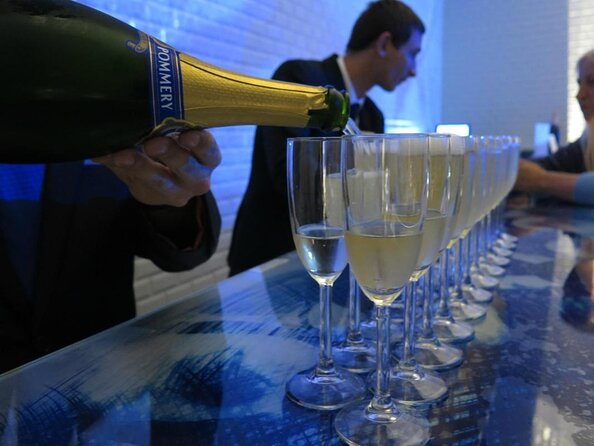
A single day in Champagne usually forces a choice. You can tour a famous cellar, visit a village producer, or admire the vineyards, but doing all three often means rushing. This itinerary gives each part its own day.
Day one focuses on major houses. Day two shifts to growers and the Reims area. Day three is more specialized, with barrel samples, old bottles, Hautvillers, and Epernay’s Avenue de Champagne. That progression matters. You first learn the names and production scale of the major brands, then see how smaller producers work with particular villages and plots.
The tour is private, so only your group takes part. That gives Stéphane room to adjust the day around your interests. The supplied details show him helping with restaurant suggestions, transport planning, and special arrangements. One group with different languages, a vegetarian, a wheelchair user, and a member joining for only part of the trip was handled with care, though you should explain any mobility needs before booking rather than assume every stop is fully accessible.
Pickup is available from hotels and train stations in Reims or Epernay. If you stay in Paris, the train to Reims takes about 45 minutes, and the tour can collect you at the Reims station and return you there at the end. That makes the experience possible without moving to Champagne, although three full days will feel much more relaxed if you sleep locally.
You can also read our reviews of more wine tours in Reims
Day one: Four famous names in one long introduction
The first day is packed. You visit four major Champagne houses, with about six and a half hours of cellar visits, tastings, and shop time before allowing for transport and lunch. It is an efficient way to learn how the famous labels present themselves, but it is also the least intimate day.
Pommery and its huge underground bottles
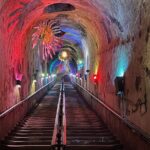
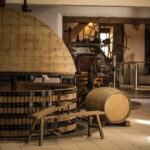
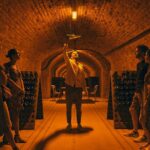
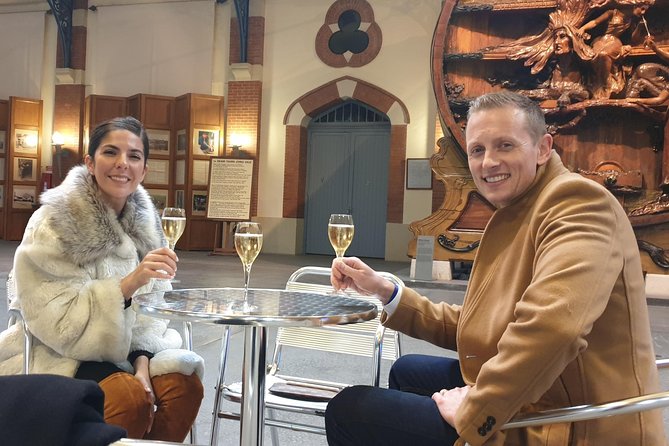
At Champagnes Pommery, you visit the cellars and taste in the old vinification centre. The route includes a look at the brand shop and a passage through the cellar where some of the largest Champagne bottles are aging.
This is a strong opening stop because it shows Champagne as an industrial and artistic operation, not simply a bottle on a restaurant list. You get the scale of underground storage, the visual drama of oversized bottles, and a tasting in a historic working setting.
The visit lasts about two hours, and admission is included. Shop time can be useful if you want branded items, but it also means this stop is partly about the public face of the house. If your main interest is tiny production and vineyard-specific wine, Pommery may feel more commercial than the later appointments.
Veuve Clicquot and the brand experience
Veuve Clicquot brings another famous label into view. The one-hour stop centers on the shop and tasting room, with time to see the company’s branded products and taste its Champagne.
This is a shorter, more focused visit than Pommery. You will not spend the same amount of time underground, but you will see how a major house builds a recognizable identity around its wine. I would treat it as a useful contrast rather than expect a long technical cellar lesson.
Moët & Chandon and Dom Pérignon
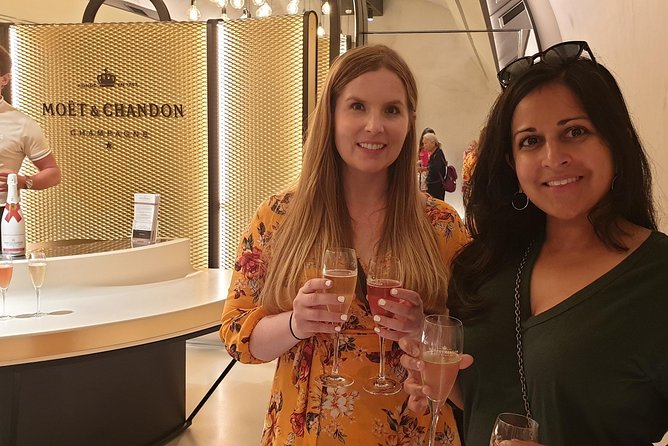
At Moët & Chandon, the plan includes a cellar visit, a Moët tasting, and time in the shop. The display also includes Moët and Dom Pérignon bottles and branded products.
For many people, this is one of the names that first sparked an interest in Champagne. Seeing it alongside smaller producers later helps you understand why a famous house offers consistency and scale, while a grower may focus more tightly on a village, grape mix, or individual plot.
The stop lasts about two hours. That is enough time for a substantial visit, but day one remains a full schedule. You should be ready for a lot of information, walking at some houses, and repeated tastings.

Mercier by small train
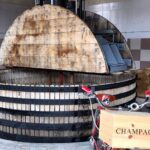
Mercier changes the pace. Instead of walking through the cellar, you ride a small train and see the underground spaces from your seat. Afterward, you taste Champagne and visit the shop, including the enormous oak barrel said to hold 200,000 bottles.
This is a practical stop if you want to save your legs after several cellar visits. The train also gives the visit a lighter, more theatrical feel. It may appeal to mixed groups, especially anyone who finds long underground walking tours tiring.
Taken together, day one offers name recognition, large-scale cellars, branded presentation, and different ways to experience the underground storage areas. It is not the day for quiet, slow conversation with a winemaker. That comes later.
Day two: Grand Cru villages and the Reims cathedral
Day two moves away from the big labels and into the vineyards around Reims. This is where the tour’s private format becomes especially useful. Instead of simply looking at rows of vines from a coach window, you meet producers and hear how their wines are made.
Sermiers and a Grand Cru grower
In Sermiers, you visit a small producer in the Mountain of Reims. The selected winemaker is in a Grand Cru village and gives your group a private look at the press centre, vinification centre, and cellars.
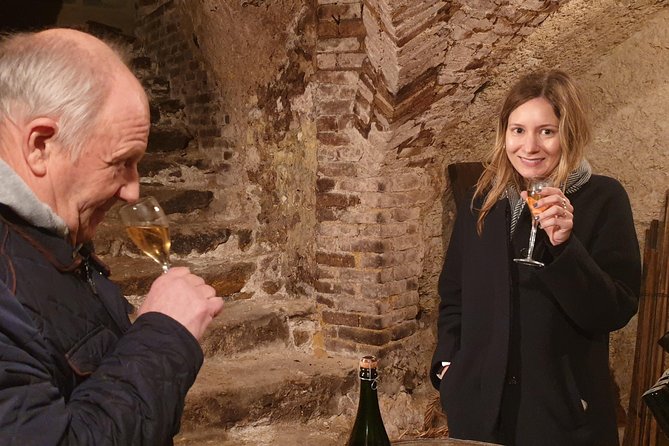
You taste at least four different Champagnes with the winemaker, who comments on them for your group. That direct explanation is valuable. You can ask why one wine tastes different from another and connect the answer to the producer’s methods, rather than relying only on a guide’s general description.
The visit lasts around two hours, with admission included. This is the kind of appointment that can make the tour feel personal. It is also why the experience costs more than a standard group excursion: private introductions and small-producer access are difficult to arrange independently.
Rilly-la-Montagne and a Premier Cru comparison
The second producer visit is in Rilly-la-Montagne, a Premier Cru village. You see the cellar, hear the producer’s story, learn how the Champagne is made, and taste wines from a different village.
The point is comparison. The two producers do not represent identical places or styles, so you can begin to notice how village, vineyard position, grape choices, aging, and producer decisions affect the glass. You do not need advanced wine knowledge to benefit. Stéphane’s role is to give you a framework for tasting without turning the stop into a lecture.
This two-hour visit follows another substantial appointment, so day two is still busy. If you prefer slow mornings and long restaurant lunches, ask about the exact timing before booking. The supplied program includes lunch, but drinks with lunch are extra.
Verzy and the UNESCO-listed vineyard views
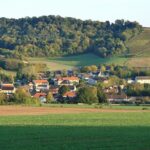
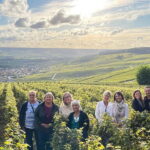
The drive through Verzy offers a change from tasting. You see the UNESCO-classified Champagne landscapes from the vehicle and get a sense of the vineyards as a connected region rather than isolated cellar stops.
This hour is important because Champagne is not only an underground cellar product. The villages, slopes, and rows of vines explain why place matters so much in the region. Since this is a drive rather than a stated walking visit, it also gives you a breather between tastings.
Reims Cathedral and royal history
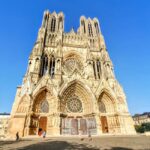
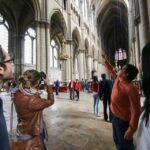
The day ends with a 30-minute stop at Notre-Dame Cathedral in Reims, the place where the kings of France were crowned for about 1,000 years.
Half an hour is enough to see the cathedral and understand its role in French history, but not enough for an unhurried architectural visit. Think of it as a well-chosen regional landmark added to a wine-focused day. If you want a detailed cathedral visit, you will need separate time in Reims.
Day three: Barrel samples, old vintages, and Epernay
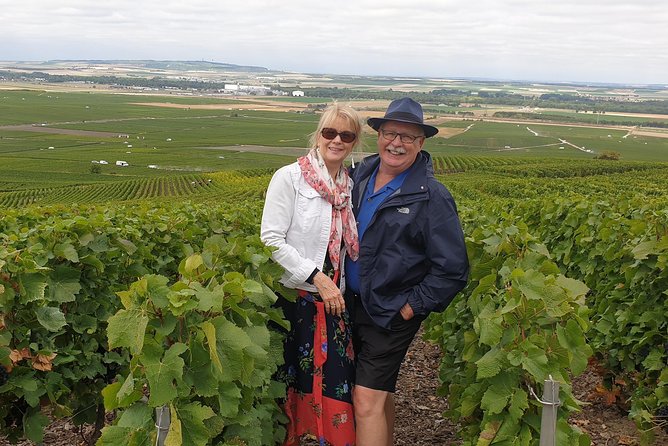
The final day is the most distinctive. It includes a tiny production site, barrel tasting, old Champagne, the village associated with Dom Pérignon, and Epernay’s famous avenue. For anyone drawn to how Champagne changes with age, this is likely the strongest day.
Beaumont-sur-Vesle and the 1,800-bottle Clos
In Beaumont-sur-Vesle, you meet a winemaker associated with one of the world’s top ten Chardonnays. The focus is a Clos, an enclosed vineyard site that produces only 1,800 bottles.
That small number changes the way you think about the bottle in front of you. You are not tasting a broad, anonymous blend made in vast quantities. You are tasting wine connected to one limited place, with production so small that every bottle represents a narrow slice of the vineyard.
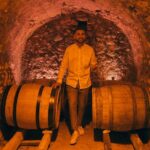
You also taste clear wines directly from oak barrels. These are wines before their final Champagne stage, allowing you to compare Chardonnay and Pinot Noir more plainly. This is one of the most educational parts of the tour because it separates grape character from the effects of finished sparkling wine, bottle aging, and blending.
The visit ends with exceptional Champagnes tasted with the creator. It lasts two hours and has no separate admission charge listed. This is a specialist stop, and it suits anyone who wants to understand the making of Champagne rather than simply collect famous labels.
Verzenay and bottles reaching 25 years old
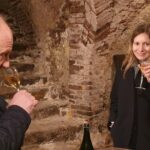
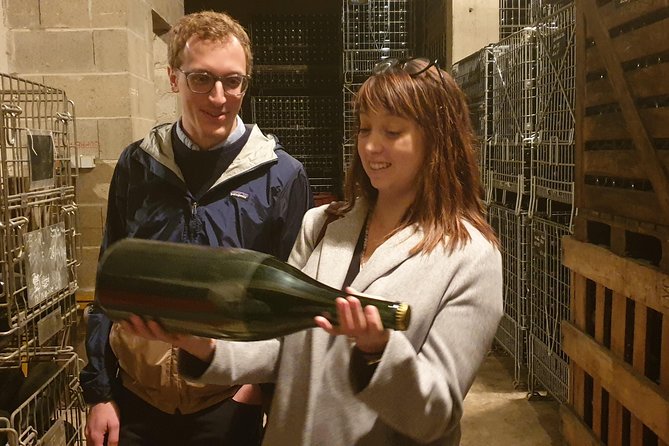
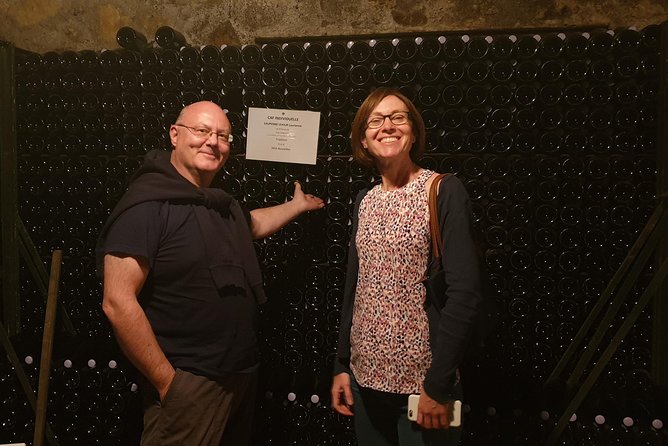
In Verzenay, you meet a retired, old-school winemaker who saved bottles during his working life. The tasting looks at aroma differences between young and old Champagne, with vintages up to 25 years old.
This is the sort of appointment that is hard to reproduce on your own. Old bottles are limited, and the value lies not only in tasting them but in having the producer explain what time has done to the wine. You can compare youthful freshness with the aromas and texture that develop through long aging.
The visit lasts about two hours. It is also a reminder that the tour is not built around a single brand style. You move from polished major-house tastings to small production, barrel samples, and mature vintages. The range is the real point.
Hautvillers, the village of Dom Pérignon
Hautvillers is presented as the village of Dom Pérignon. The stop lasts about 30 minutes, so expect a brief visit rather than a full historical program.
Still, the village adds a useful sense of place after two days of cellars and tastings. It connects the name most people know from the label with an actual Champagne village and gives you a short pause before the final Epernay drive.
Avenue de Champagne in Epernay
The tour finishes with a drive along Avenue de Champagne, Epernay’s famous Champagne thoroughfare. The half-hour route is a final look at the grand public face of the region, after you have already seen the private and agricultural side.
This is a fitting close. Day one shows major houses through tours and shops. Day three ends with the avenue where Champagne’s most recognizable names have their grand addresses. You may want extra time in Epernay afterward, since the listed stop is a drive, not a full visit to every house along the street.
What the $2,969.14 price buys you
The cost is high, but it covers more than tastings. You receive three days of private transportation, pickup in Reims or Epernay, three lunches, and 21 Champagne tastings. Admission is included at the major houses, while the producer visits do not list an added admission fee.
The biggest value is Stéphane’s network. The special moments are not just the standard cellar routes. They include private appointments with growers, tasting clear wines from oak barrels, meeting an older producer with aged bottles, and comparing Champagne from Grand Cru and Premier Cru villages.
You still need to budget for accommodation, dinners, and drinks during lunch. Those extras matter because the tour occupies three full days. A hotel in Reims or Epernay and restaurant meals will add to the total.
For a group of friends celebrating a birthday or milestone, the private setup may make sense. One supplied account described Stéphane as helping with restaurant bookings, airport-to-Reims transport, shipping additional cases, and tailoring the schedule to the group. Those are useful services, but you should confirm exactly what is included in your own booking. Do not assume wine shipping, airport transfers, or special appointments are part of the base price.
Who will enjoy this Champagne tour most
I would choose this experience if you want to understand Champagne from several angles. It suits wine lovers who care about producers, village classifications, aging, grape varieties, and the difference between a large house and a family grower.
It also works well for a private celebration. Stéphane can tailor the program, and the schedule provides enough variety for a group with different levels of wine interest. People who prefer famous labels will get four major houses. People who want local contact will get growers and private cellar visits.
You should think twice if you dislike structured days or repeated tastings. Day one is especially full, and three days of Champagne can be tiring even when the subject is enjoyable. This is not a casual sightseeing loop with one glass at each stop. It is a serious tasting program.
The English-language format is useful for international groups. Pickup is offered in Reims or Epernay, and the private vehicle removes the need to plan routes between villages. If you are staying in Paris, the 45-minute train connection to Reims is practical, but check the train schedule and allow enough time for the pickup arrangement.
Cancellation is flexible only up to three full days before the start time. Cancel later, or make changes inside that window, and the payment is not refunded.
Should you book the three-day Aromas experience?
Book it if you want Champagne’s full range in one carefully arranged trip: famous houses, small growers, Grand Cru and Premier Cru villages, barrel samples, old vintages, and the historic sights of Reims and Epernay.
The strongest reason to book is the access. Pommery and Moët & Chandon can introduce you to major brands, but the meetings in Sermiers, Rilly-la-Montagne, Beaumont-sur-Vesle, and Verzenay give the tour its character. The aged Champagne tasting and the 1,800-bottle Clos are particularly unusual.
Skip it if your budget is tight, you only want one or two tastings, or you prefer to arrange each stop yourself. At nearly $3,000 per person before hotels and dinners, this is a major purchase. For a milestone birthday, a serious wine trip, or a small group that values expert planning and personal introductions, the price can be justified. For a quick taste of the region, choose a shorter outing.
FAQ
Where does the Champagne tour begin?
Pickup is available from any location in Reims or Epernay, including hotels and train stations.
Can I join the tour from Paris?
Yes. You can take a train from Paris to Reims, which is described as taking about 45 minutes. The tour can collect you at Reims train station and return you there at the end.
Is transportation private?
Yes. Private transportation is included, and only your group participates in the activity.
Is the tour offered in English?
Yes. The experience is offered in English.
How many Champagne tastings are included?
The tour includes 21 Champagne tastings across the three days.
Are lunches included?
Yes. Three lunches are included. Drinks during lunch cost extra.
Are dinners included?
No. Dinners are not included.
Is accommodation included?
No. You must arrange and pay for your own lodging.
Which major Champagne houses are visited?
The first day includes Champagnes Pommery, Veuve Clicquot, Moët & Chandon, and Mercier.
How far in advance can I cancel for a full refund?
You must cancel at least three full days before the experience start time for a full refund. Cancellations made later are not refunded.