REVIEW · REIMS
From Reims: Champagne Small-Group tour with tastings & Lunch
Book on Viator →Operated by À La Française · Bookable on Viator
Small-group Champagne day starts with a drive. This tour is built for a max 8-person group, with an English-speaking guide who can bring the story to life, from names like Perrine and Thomas to Anne and Anna. You’ll roll past Avenue de Champagne landmarks, then head into the hills for Dom Pérignon country and a day that stays relaxed but packed with tasting time.
What I like most is the way the day layers lunch paired with select Champagnes right into the tasting experience, not as an afterthought. You’ll also get the Champagne process explained step-by-step while you visit the estate, then taste a total of 5 glasses. One thing to weigh: at about $260 per person, it can feel pricey if you’re mainly chasing a big-name label and don’t care as much about the smaller-producer vibe and meal pairing.
In This Review
- Key things to know before you go
- From Reims at 11:15: how the timing really works
- Avenue de Champagne drive-by: the easy way to spot the famous estates
- Hautvillers and Dom Pérignon’s resting place: meaning plus viewpoints
- Le Clos Corbier lunch and tasting: where the day turns into real Champagne education
- The lunch pairing is the point
- Dietary needs: do it early
- What you learn during the estate time
- The second cellar experience: smaller houses and pressure-free pours
- Those 5 glasses: what you should expect from the tastings
- Price and value at about $260: when it feels fair, and when it doesn’t
- Tips to make your Champagne day smoother (and more fun)
- Should you book this Reims Champagne small-group tour?
- FAQ
- Where is the meeting point for this tour?
- What time does the tour start?
- How many people are in the group?
- How long is the tour?
- Is lunch included, and is it paired with wine?
- How many tastings are included?
- Can dietary restrictions be accommodated?
- Is the tour offered in English?
- Is the tour suitable for children?
- Can I cancel and get a full refund?
Key things to know before you go
- Small group, big focus: up to 8 travelers, so questions and explanations actually land.
- A scenic Champagne-row start: you get the feel of Épernay’s Avenue de Champagne without spending hours stuck looking at gates.
- Hautvillers is more than a photo stop: Dom Pérignon’s resting place plus a viewpoint over the vineyards.
- Lunch is part of the program: a full French lunch with Champagne pairings at a Champagne estate (dietary needs handled if you flag them early).
- You’ll taste multiple styles, not just one pour: the tour includes 5 glasses total, spread through the estate experiences.
- Casual shoes matter: you’ll stop in the vines, so plan for uneven ground.
From Reims at 11:15: how the timing really works
This is a half-day-to-afternoon kind of outing, starting at 11:15 am. You meet at the Office de Tourisme du Grand Reims, Gare (train station), and you return to that same meeting point at around 5:30 pm. The timing matters because you get a calm start from Reims, then spend your best daylight hours moving through Épernay-area roads, Hautvillers, and Champagne estates.
The group stays small (maximum 8), and the tour runs in an air-conditioned vehicle, which is a real quality-of-life upgrade in hot or rainy weather. The schedule is also built around pacing: drive first for context, then walk for atmosphere, then settle in for lunch and tasting when the real learning happens.
If you’re coming from Paris by train, plan your day so you can arrive early enough to feel unhurried at the meeting point. You don’t want to sprint for a 11:15 departure after a scenic commute.
You can also read our reviews of more wine tours in Reims
Avenue de Champagne drive-by: the easy way to spot the famous estates
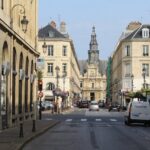
The day begins with a drive along Avenue de Champagne in Épernay. It’s one of those roads where you don’t even need to get out of the car to feel like you’re in Champagne-world. The tour is careful here: you admire a prestigious house from the road, then you keep moving rather than turning this into a slow lineup of gates and buses.
This stop also gives you a useful mental map. When later you hear about growers, vineyards, and cellars, you can picture what you saw along the avenue and how close these famous estates are to the working countryside that produces their grapes.
Practical note: you’re in a vehicle part of the time, but you still do best if you keep your phone and camera ready. Some of the best shots are from the road, not from a ticketed viewpoint.
Hautvillers and Dom Pérignon’s resting place: meaning plus viewpoints
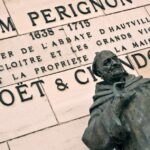
Next you head to Hautvillers, stopping at Abbaye Saint-Pierre d’Hautvillers. This is the moment where Champagne becomes personal instead of just celebratory. Dom Pérignon’s burial site gives the region a human anchor, and the village itself has an old-world feel that’s easy to appreciate even if you only have about an hour here.
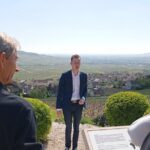
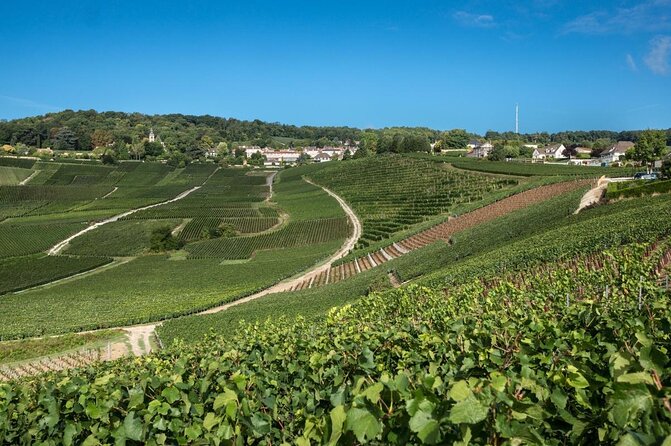
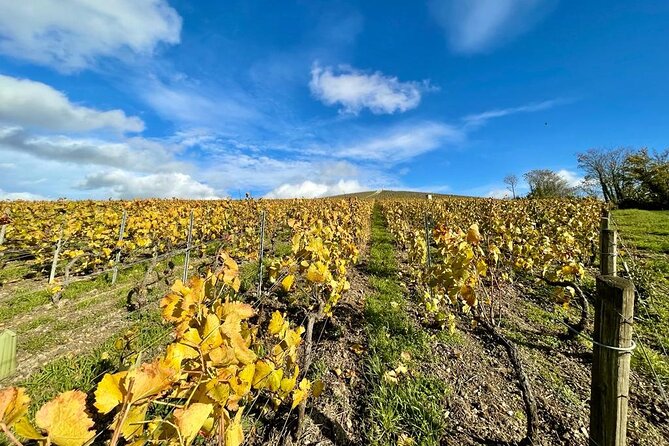
You’ll also get a stunning viewpoint over the vineyards, and that’s not just for show. Seeing the rows from above helps you understand how much the landscape (literally) shapes the growing and the long-aging style Champagne is famous for.
Wear shoes you’re comfortable walking in. The tour notes that you’ll stop in the vines, and the ground can be uneven. If you show up in anything delicate or slippery, you’ll spend more time managing your footing than enjoying the view.
Le Clos Corbier lunch and tasting: where the day turns into real Champagne education
The heart of the experience is at Le Clos Corbier – Expériences en Maison de Champagne. This is where you’ll spend around four hours, and it’s designed to be the day’s anchor: a warm lunch, paired tastings, and a close look at how Champagne life works.
The lunch pairing is the point
Your lunch includes regional specialties plus dessert, and it comes with Champagne pairing. This matters because a lot of wine tours treat food like a break. Here, the meal is part of the tasting education. In past experiences, the lunch has been served in a small, intimate setting, and courses have been paired one by one with different drinks. You can use that structure as a guide for your own table experiments later in the evening when you’re back home.
A few more Reims tours and experiences worth a look

Dietary needs: do it early
Dietary restrictions can be accommodated, but you need to mention allergies and restrictions at booking. Don’t wait until the day-of. If you have a serious allergy, it’s worth adding clear detail when you reserve so the team can plan safely.
What you learn during the estate time
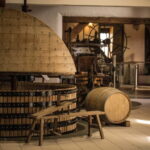
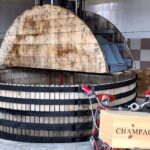
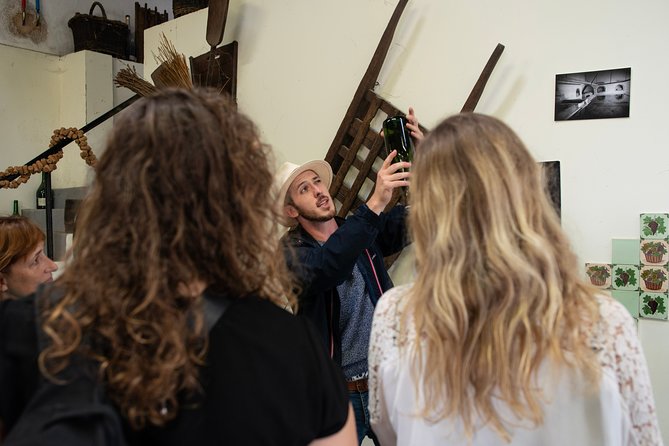
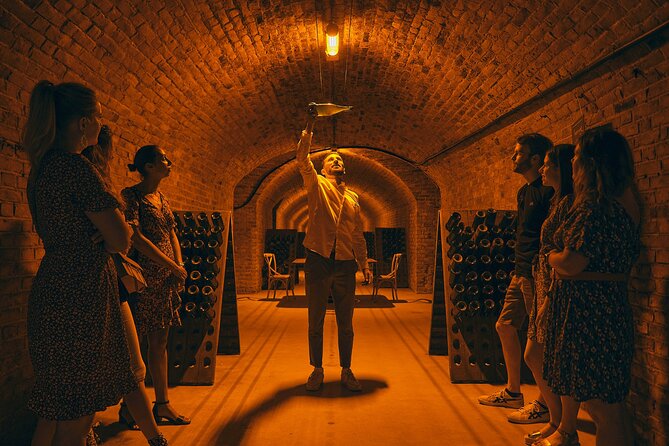
You’re not just drinking for fun here. The explanations focus on the Champagne making process and why it matters, including the sequence of steps from pressing and fermentation to bottling, the second fermentation, and removal of sediment. That’s the sort of detail that turns a glass of bubbles into a story you can repeat.
If you enjoy asking questions, this is also when you’re most likely to get answers that go beyond basic facts. On this tour, guides have a track record of turning the explanation into something you can actually follow and remember.
The second cellar experience: smaller houses and pressure-free pours
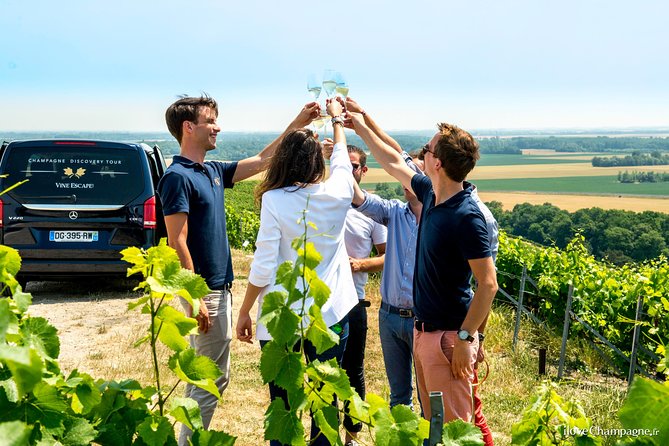
The tour format is built around seeing and tasting from Champagne houses, and the smaller-producer emphasis shows up in how people describe the day. You typically get an estate-style experience that focuses on craft and process rather than just a sales floor.
On some departures, the tastings have taken place at smaller family or regional producers such as Lancelot-Royer, Salmon Champagne, and Collery. The specific names can vary, but the vibe tends to be consistent: you tour the facilities, you taste, and you learn how their approach shows up in the glass.
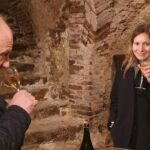
One of the big wins here is pacing and tone. Multiple guides have been praised for giving a friendly, pressure-free experience—meaning you learn first, taste second, and only buy if you genuinely want something. That’s a smarter approach for most visitors because Champagne shopping is easy to do impulsively, and it’s not always the best idea if you’re not sure what style you like.
If you want to bring a bottle home, ask what pairs well with food you actually eat. The best souvenirs are the ones you can use, not just display.
Those 5 glasses: what you should expect from the tastings
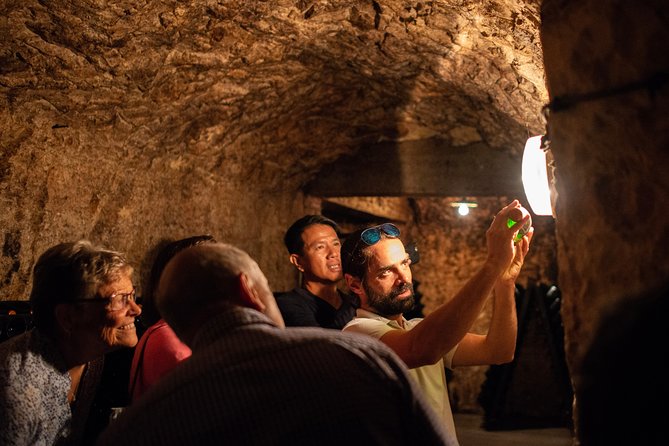
You’ll taste five glasses total during the tour. That’s a helpful number because it’s enough variety to notice differences in style, but not so much that your palate turns into mush before lunch ends.
Here’s the practical way to handle it:
- Pace your sips. One quick gulp doesn’t help you taste anything.
- Take notes mentally. Even a simple pattern like dry versus fruit-forward helps later.
- If you hit a favorite, ask what makes it different. You’ll get more value from the explanation than from buying on instinct.
Some previous groups have even described special tastings of older Champagnes, including examples of vintage-style pours. You can’t count on a specific vintage every day, but you should expect the team to aim for a meaningful tasting set, not random sampling.
Also, keep in mind that Champagne isn’t just about bubbles. The tasting is where you learn how time, method, and grape blend show up as texture and flavor—not just acidity.
Price and value at about $260: when it feels fair, and when it doesn’t
At $260.12 per person, this tour isn’t a budget Champagne day. It’s priced more like a curated experience: small group size, transport in an air-conditioned vehicle, an English-speaking guide, a full lunch, and five tasting glasses.
So when does it feel worth it?
- If you value small-group attention and a guide who can answer process questions clearly.
- If you care about food + Champagne pairing, not just a stop-and-sip routine.
- If you want a mix of cultural stops (Avenue de Champagne, Hautvillers) plus estate education.
When might it feel off?
- If you mostly want to tick off a major branded name and don’t care about the smaller houses or the meal pairing.
- If you’re expecting a lecture level of detail at every single minute. One downside that can vary by day is how much commentary a guide gives during driving time. The best days feel lively; slower days still cover the key facts, but the car moments can be more quiet.
A smart compromise for value-minded travelers: treat this as your Champagne education day. Then, if you come back later, you can do a more classic big-house visit for comparison.
Tips to make your Champagne day smoother (and more fun)
A few small things make a big difference on a day like this:
- Wear casual shoes with grip. You’ll walk around, and the tour mentions stops in the vines.
- Dress for changing weather. The tour runs in all weather, and you’ll be outside for viewpoints and village wandering.
- Come hungry enough for a full lunch with dessert. This is not a snack-and-tour format.
- If you have allergies or dietary needs, say it at booking. Don’t rely on last-minute changes.
- Bring a light layer even in warmer months. You’re outdoors at least a couple of times, and the vehicle may be cool.
If you’re sensitive to wine amounts, remember that five glasses can add up quickly. Slow down and water yourself between pours when you can. Bottled water isn’t listed as included, so plan to buy any you need separately.
Should you book this Reims Champagne small-group tour?
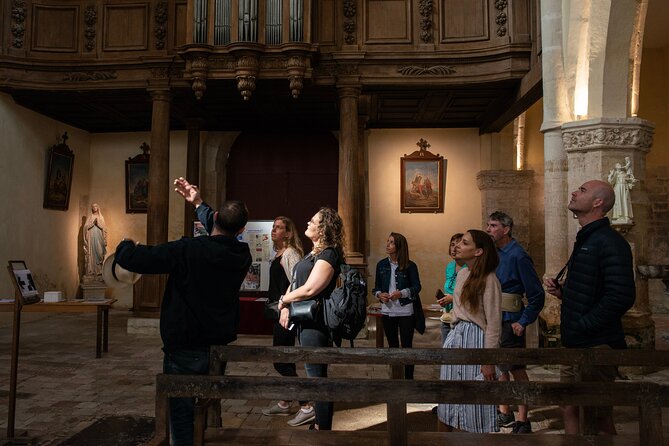
Book it if you want a true Champagne-region introduction that mixes scenery, meaning, and tasting into one comfortable day. This is especially good for first-timers who want to understand how Champagne is made (not just how it tastes), and for anyone who likes the idea of a lunch that actually teaches you something.
Skip it or compare other options if you’re chasing big famous names only, you want a longer time at a single landmark, or you’re traveling with kids under 10 (this tour is not compatible for that age group).
If you’re the type who enjoys asking why things happen—pressing, fermentation, second fermentation, sediment removal—this day has the right structure. And if you’re the type who enjoys a well-paired meal, the lunch is a major reason to choose it over a barebones tasting.
FAQ
Where is the meeting point for this tour?
You meet at the Office de Tourisme du Grand Reims – Site Gare (Train Station) at the Cr de la Gare, 51100 Reims, France.
What time does the tour start?
The tour starts at 11:15 am.
How many people are in the group?
The tour is limited to a maximum of 8 travelers.
How long is the tour?
It runs about 6 hours 15 minutes.
Is lunch included, and is it paired with wine?
Yes. Lunch is included and it comes with paired wines/Champagnes.
How many tastings are included?
You’ll taste 5 glasses as part of the tour.
Can dietary restrictions be accommodated?
Yes, dietary restrictions and allergies can be accommodated, but you must mention them at the time of booking.
Is the tour offered in English?
Yes, it’s offered with a local English-speaking guide.
Is the tour suitable for children?
No, the tour is not compatible with children under 10 years old.
Can I cancel and get a full refund?
Free cancellation is available up to 24 hours in advance for a full refund. If you cancel less than 24 hours before the start time, the amount paid is not refunded.