Champagne is more interesting when you see the vines, presses, vats, and chalk cellars behind the bottle. This six-hour outing from Reims puts you in the Montagne de Reims with a passionate winemaker, then adds tastings and food in the village of Ville-Dommange.
I like the small maximum of six people, which should make it easier to ask questions and follow the winemaking story. I also like the range of stops: you see the countryside, learn how grapes become Champagne, and finish with three champagnes and local specialties.
The main consideration is the pace. Six hours includes driving between villages, standing at production sites, walking through a cellar, and tasting alcohol, so you need moderate physical fitness and must be at least 18.
In This Review
- Key points to know
- Why this Champagne tour feels different
- Starting at Reims station at 9:30 am
- At Chapelle Saint-Lié, start with the vines
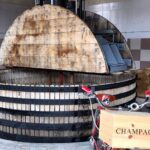
- Seeing presses and vats in Sermiers
- Ville-Dommange and the Isid’or cuvée
- Three champagnes with local food
- What the six-hour schedule means for you
- Who will get the most from this experience
- Practical booking advice and cancellation terms
- Should you book The Secrets of Champagne?
- FAQ
- Where does the tour start?
- What time does the tour begin?
- Where does the tour end?
- How long does the experience last?
- Is the tour offered in English?
- How many people can join the tour?
- Is Champagne tasting available to people under 18?
- What should I expect to see at the Sermiers cooperative?
- What wines are specifically included?
- Can I cancel for a full refund?
Key points to know
- A winemaker-led day: Learn about vine care directly beside the Sous Saint-Lié plot and taste a 2018 Brut Réserve.
- Premier Cru countryside: Pass Sermiers, Chamery, Ecueil, Sacy, and Ville-Dommange in the Montagne de Reims.
- Production from grape to bottle: Visit the Sermiers cooperative to see presses, vats, and the stages of production.
- Wood-aged Champagne: Taste the Isid’or cuvée while learning about vinification in wood and barrels.
- Old chalk cellar: Walk through a typical Champagne cellar excavated more than 200 years ago.
- Easy Reims departure: Meet at 9:30 am at the EFFIA Parking Reims Station and return there after the tour.
Why this Champagne tour feels different
Many Champagne outings focus on famous houses and grand tasting rooms. This one takes a smaller, more personal route through village vineyards and cooperative facilities. The focus is on how Champagne is made, not only on the polished final glass.
That distinction matters. You will see the setting where the grapes grow, hear how vines are managed, and visit working production spaces. You will also have time to taste several cuvées with the person connected to their production.
The experience is provided by Champagne Marie Senellart and is offered in English. The group limit of six gives the day a private-tour feel without requiring you to book a fully private vehicle or guide.
The tour costs $211.84 per person. That is not a cheap tasting, but the price includes about six hours of transport from Reims, countryside stops, visits to production sites and cellars, several tastings, and food pairings. If you want a quick cellar visit and one glass, this is too much. If you want a full introduction to the work behind Champagne, the price is easier to justify.
You can also read our reviews of more wine tours in Reims
Starting at Reims station at 9:30 am
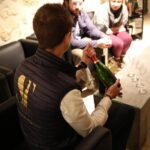
The meeting point is the EFFIA Parking Reims Station, at Cour de la Gare in Reims. The start time is 9:30 am, and the tour ends back at the same meeting point.
That arrangement is useful if you are staying in Reims or arriving by train. You do not need to arrange your own route through the villages or figure out how to connect the separate sites by public transport. The tour handles the movement between Reims and the vineyard area.
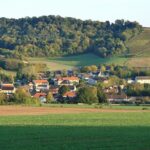
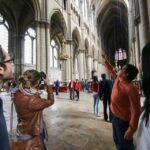
The drive is part of the experience, not just a transfer. On the way out, you pass through the western Montagne de Reims and its villages. The route includes Sermiers, Chamery, Ecueil, Sacy, and Ville-Dommange, with views of vineyards and rolling hills.
The first countryside section lasts about 30 minutes. It is mainly scenic, so keep your eyes outside rather than expecting a formal visit at each village. The descriptions point to the circus of Chamery, the quiet setting around Ecueil, the discreet character of Sacy, and Ville-Dommange perched on the hillside.
This is a good early introduction to the region. You begin to see that Champagne is not just a collection of brand names. It is a patchwork of villages, slopes, plots, cooperatives, and family producers.
At Chapelle Saint-Lié, start with the vines
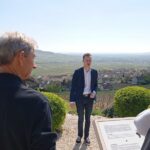
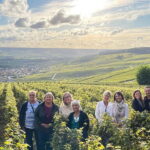
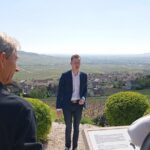
The first substantial stop is Chapelle Saint-Lié, where you taste the Brut Réserve vintage 2018 while looking over the winemaker’s plot called Sous Saint-Lié.
The location gives the tasting a useful sense of place. Instead of hearing about a vineyard in the abstract, you are beside the parcel itself, at the foot of the chapel. The view also helps explain why slope, exposure, and village location matter when grapes are grown for Champagne.
This is where the tour turns from sightseeing into practical wine education. You will learn about the stages of tending the vine. The details supplied for the visit do not list each individual task, so you should not expect a formal lesson plan with every seasonal operation. Still, the purpose is clear: connect the work in the vineyard with the Champagne in your glass.
Plan on about an hour here. You will likely spend time outside, so sensible clothing and shoes are important. The tour requires moderate physical fitness, and this stop may involve standing or walking on uneven ground.
The 2018 Brut Réserve is also a useful first tasting because it gives you a reference point for the rest of the day. Later, you can compare it with the Isid’or cuvée and the wines served with food.
Seeing presses and vats in Sermiers
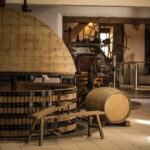
Next comes the cooperative in Sermiers, with about an hour devoted to production. This is one of the most valuable parts of the day for anyone who wants to understand what happens after harvest.
You will see the stages of production from the bunch of grapes through pressing and work with the vats, continuing toward bottling. The visit is not merely a cellar tasting. It shows the equipment and steps that turn fruit into a finished cuvée.
A cooperative visit also adds useful context. Champagne production is often associated with grand houses, but cooperatives are an important part of the region’s working wine culture. A visit here helps you see production at a local level, with the process made visible rather than hidden behind a tasting counter.
The wording of the experience mentions presses and vats, from the bunch to bottling. It does not promise that every phase of Champagne production will be demonstrated in detail, nor does it specify whether equipment will be operating during your visit. I would treat this as an explanation and viewing of the production stages, not a hands-on workshop.
For you, the value is simple: after seeing the vineyard, you can follow the grape into the cellar. That link makes the later tastings more meaningful.
Ville-Dommange and the Isid’or cuvée
The longest portion of the experience takes place in Ville-Dommange, lasting about two hours and 45 minutes. This is where the day gathers its main themes: production, cellar tradition, wood vinification, and food.
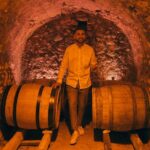
The visit begins at the cooperative cellar. Here you learn about the subtleties of vinification in wood and taste the Isid’or cuvée, made from wine associated with the cellar’s wood and barrels. The experience information uses a translated phrase that is not fully clear about the exact wine components, so it is best to think of Isid’or as the tasting linked to the wood-vinification section.
This is a particularly useful stop if you are curious about how vessels affect wine. The point is not simply that wood appears somewhere in the process. You will hear about the role of wood and barrels in shaping the wine, then taste a cuvée connected to that method.
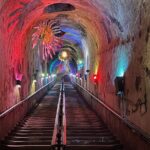
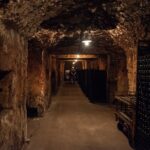
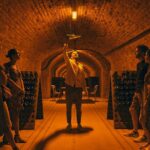
The setting changes again when you enter the typical Champagne cellar, excavated from chalk more than 200 years ago. Chalk is one of the defining materials of the Champagne region, and an old underground cellar gives you a physical sense of how local geology has shaped wine storage.
Do not expect this to be a grand underground attraction on the scale of a famous Reims Champagne house. The appeal is more intimate and traditional. You see a cellar with local character and connect it to the small-scale winemaking story of the day.

Three champagnes with local food
The final tasting takes place at the house in Ville-Dommange. It includes three champagnes and local specialties, with attention to food and wine pairings.
This is more useful than tasting several wines without context. Food changes how you notice acidity, fruit, texture, and finish. Even if you are new to Champagne, pairing gives you a practical way to compare the cuvées.
The tasting also rounds out the earlier stops. You have already seen the vines, the cooperative equipment, wood-related vinification, and the old chalk cellar. Now you can taste the result alongside regional food.
The supplied information does not name the individual dishes or specify the three exact champagnes served at the final table. One named wine is the Isid’or, and the earlier tasting is the 2018 Brut Réserve. You should not book this expecting a published menu or a guaranteed list of vintages beyond those stated.
Still, the combination of wine and local specialties is one of the strongest reasons to choose this experience. It gives the day a warm, personal finish rather than ending with a quick pour and a purchase counter.
What the six-hour schedule means for you
Six hours is long enough to build a real story, but it also makes this a substantial half-day commitment. The scheduled elements add up to roughly six hours:
- About 30 minutes traveling through the Montagne de Reims
- One hour at Chapelle Saint-Lié
- One hour at the Sermiers cooperative
- Two hours and 45 minutes in Ville-Dommange
- About 30 minutes returning to Reims station
The schedule leaves little room for independent wandering. You are moving with the group from one planned stop to the next, so choose this tour for structure and access rather than free time in the villages.
The small group limit helps. With no more than six people, you should have a better chance to hear explanations and ask about the wine, the vines, and the production choices. The tour is still not advertised as private, so do not assume you will have the entire experience to yourself.
You also need to be comfortable with tasting alcohol across the day. Champagne tasting is only offered to people over 18. Anyone under 18 cannot take part in the tastings, even if accompanying an adult.
Who will get the most from this experience
I would choose this tour if you want to understand Champagne beyond the label. It suits people who enjoy meeting a producer, seeing real vineyard villages, and asking how wine moves from grape to bottle.
It is also a strong choice for an English-speaking couple or a small group staying in Reims. The station meeting point is straightforward, and the tour removes the need to drive between several rural stops.
You may find it less suitable if you want a quick, glamorous visit to a major Champagne brand. The day is built around a winemaker, village cooperatives, working production spaces, and a traditional cellar. Its pleasures are hands-on and local rather than grand or theatrical.
It may also be a poor fit if you dislike planned schedules, have difficulty standing or walking, or prefer not to spend much of a day tasting wine. The required fitness level is moderate, and the tour covers several different places.
Practical booking advice and cancellation terms
Confirmation is provided when you book. The activity is near public transportation, and the start and end point is Reims station, but the tour itself includes transport through the vineyard area.
Free cancellation is available if you cancel at least 24 hours before the 9:30 am start time. Cancellations made less than 24 hours before the start are not refunded, and changes within that period are not accepted. The cut-off follows local time.
The experience requires a minimum number of participants. If that minimum is not reached and the tour is canceled, you will be offered another date or experience, or receive a full refund.
Because the tasting is limited to people over 18, check your group before booking. Also remember that the group maximum is six, so availability may be limited on popular dates.
Should you book The Secrets of Champagne?
Book it if you want a personal, producer-focused day that explains Champagne from vineyard to bottle. The best features are the small group, the direct winemaker connection, the Premier Cru villages, the production visit in Sermiers, the 200-year-old chalk cellar, and the final food pairing.
At $211.84, it is best value for someone who wants a full six-hour introduction rather than a single tasting. You are paying for time, transport, access to several types of sites, and a connected story about winemaking.
Skip it if you want a short visit, a major-brand cellar, or a day with lots of free time. For everyone else, especially wine lovers based in Reims, this is a thoughtful way to see the Champagne countryside and taste wines in the places that give them meaning.
FAQ
Where does the tour start?
It starts at the EFFIA Parking Reims Station, Cour de la Gare, 51100 Reims, France.
What time does the tour begin?
The start time is 9:30 am.
Where does the tour end?
The activity ends back at the meeting point at Reims station.
How long does the experience last?
The tour lasts approximately six hours.
Is the tour offered in English?
Yes. The experience is offered in English.
How many people can join the tour?
The maximum group size is six people.
Is Champagne tasting available to people under 18?
No. Champagne tasting is only offered to people over 18 years old.
What should I expect to see at the Sermiers cooperative?
You will learn about Champagne production, including the stages involving presses and vats, from the bunch of grapes through bottling.
What wines are specifically included?
The experience includes a tasting of the Brut Réserve cuvée from the 2018 vintage at Chapelle Saint-Lié and a tasting of the Isid’or cuvée during the Ville-Dommange cellar visit. The final tasting includes three champagnes, but the full list is not specified.
Can I cancel for a full refund?
Yes, if you cancel at least 24 hours before the experience start time. Cancellations made less than 24 hours before the start are not refunded.