REVIEW · REIMS
Champagne Guy De Chassey : Premium Tour and Tasting
Book on Viator →Operated by Champagne Guy de Chassey · Bookable on Viator
Champagne Guy De Chassey takes you past the polished tasting room and into the working heart of a family estate: its handmade vaulted cellars and manual riddling room. You will see how Champagne is handled the traditional way, then taste three premium cuvées from Premier Cru and Grand Cru vineyards.
I like the small maximum of 12 people, which gives Hélène room to explain the process without turning the visit into a speech for a crowd. I also like the mix of cellar work, vineyard context, and tasting. The trade-off is that this is mainly a guided look at the process, not a hands-on production session, so you may wish for more live action during the visit.
In This Review
- Key points at a glance
- A Grand Cru stop in Louvois, not central Reims
- What the two-hour visit covers
- Seasonal vines and the story behind the bottle
- Three Premium Champagnes at the finish
- Why the small group makes a difference
- The guide and the tone of the visit
- Is $46.27 a fair price?
- Planning your visit from Reims or Paris
- Who will enjoy this Champagne tour most?
- Should you book Champagne Guy De Chassey?
- FAQ
- Where does the Champagne Guy De Chassey tour begin?
- Where does the tour end?
- How long does the experience last?
- How many people can join the tour?
- What Champagne will I taste?
- Is alcohol included in the price?
- Is transportation included?
- Are morning and afternoon departures available?
- Can I cancel for a refund?
Key points at a glance
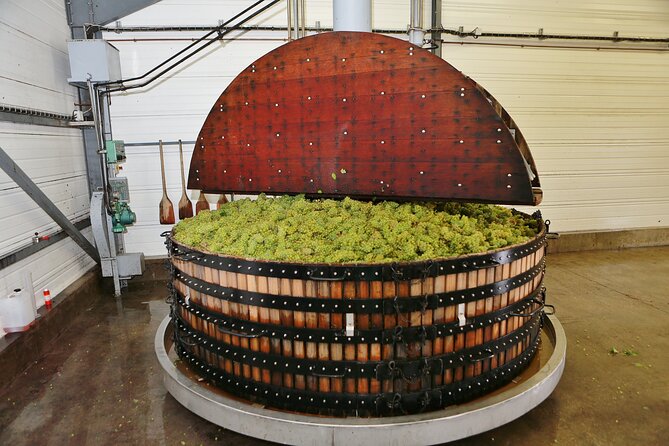
- Manual riddling room: See the traditional method of turning Champagne bottles by hand.
- Vaulted estate cellars: Walk through the handmade underground spaces where the wine develops.
- Three premium tastings: Sample three Champagnes from Premier Cru and Grand Cru vineyards.
- Louvois setting: Visit a Grand Cru estate in a winemaking village near Reims.
- Small-group format: The group is limited to 12 people.
- Seasonal vineyard interest: Depending on the time of year, you may see how weather affects the vines and compare grape varieties from France and beyond.
A Grand Cru stop in Louvois, not central Reims
Champagne Guy De Chassey is in Louvois, a winemaking village in the Champagne region. The meeting point is 1 Place de la Demi Lune, 51150 Val de Livre, France, so you need to plan your own way there. Private transportation is not included.
That location matters. You are not simply stopping at a city tasting bar in Reims. You are heading into the countryside to an estate connected to the vineyards and cellar work that shape the wine. If you are building a day around Champagne houses, this can add a more personal, producer-level stop.
The setting also means you should check your route before booking. The tour begins and ends at the same meeting point, and the experience lasts about two hours. Multiple morning and afternoon departures give you some flexibility, but the appointment is not a drop-in tasting.
You can also read our reviews of more food & drink experiences in Reims
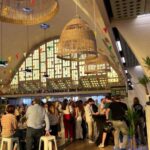
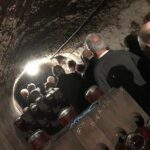
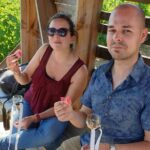
What the two-hour visit covers
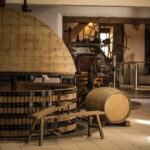
The visit starts with a guided walk through the estate. Hélène leads you through the production spaces and explains the traditional methods used at Guy De Chassey. Her style, based on the experience offered here, is personal rather than theatrical. She is there to answer questions and explain the rules and stages that govern Champagne production.
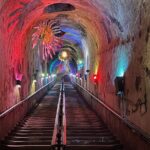
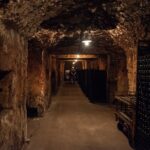
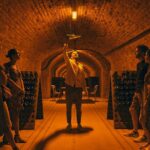
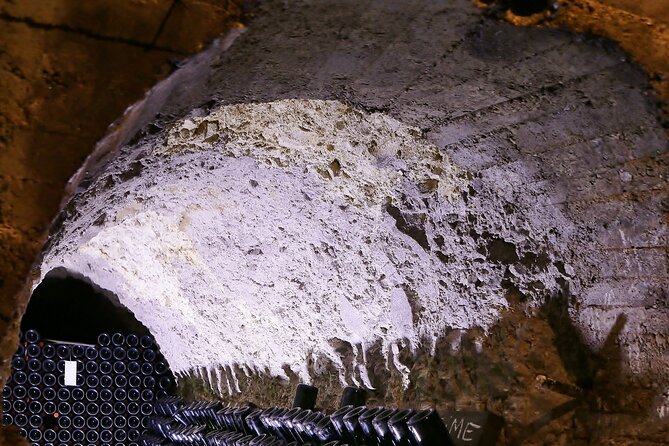
You will then see the vaulted cellars. Cellars are central to Champagne, since the wine spends time developing after the second fermentation. Here, the value is not only in looking at rows of bottles. It is in connecting the cool underground setting with the long process required before a bottle reaches your glass.
The estate describes these cellars as handmade, which gives the stop a more direct sense of place than a modern visitor center. You are seeing the physical spaces of the producer, not just a display built for tourists. Still, the available details do not promise that every stage of production will be active during your visit.
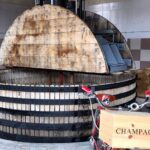
Next comes the manual riddling room. Riddling, known in French as remuage, involves turning bottles so sediment gradually collects near the neck. At Guy De Chassey, you can see the traditional manual setup and learn why this work matters.
This is one of the most distinctive parts of the tour. Many Champagne visitors hear about traditional riddling but never see the equipment or the method up close. The room makes a technical step easier to understand, especially if you are new to Champagne.
The visit is not described as a chance to operate the racks or take part in production. Go in expecting observation and explanation. One point of honest caution: if you want to see workers actively handling bottles at every stage, the timing of your visit may not deliver that. The focus is on the estate, its methods, and the spaces where the work takes place.
Seasonal vines and the story behind the bottle
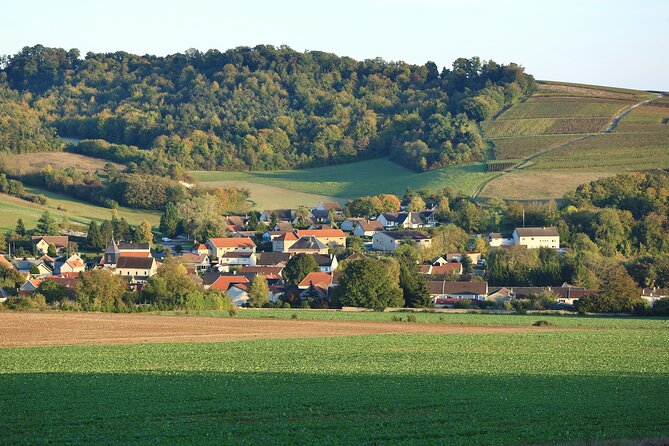
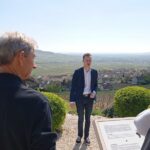
Depending on the season, you may also see how climate conditions affect the vines. The estate has a collection of vines and grape varieties from France and other parts of the world, adding another layer to the visit.
This part will naturally change with the calendar. A visit during the growing season may make the effect of weather easier to see in the vineyard. At another time of year, the cellar and explanation may carry more of the experience.
The vineyard section is useful because Champagne is not just a cellar product. The final blend begins with decisions in the fields, and weather has a direct effect on grapes. The tour gives you a chance to connect that point with the wine you taste later.
Do not expect a long vineyard walk unless the guide and season make it part of your particular visit. The stated format centers on the estate, cellars, riddling room, and tasting. The vines are an added seasonal element, not a guaranteed full itinerary in every month.
Three Premium Champagnes at the finish
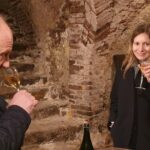
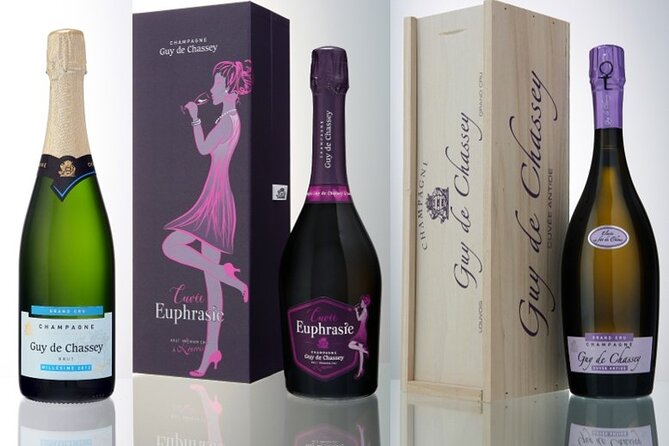
The tasting ends with three glasses of Premium Champagne. These come from the estate’s Premier Cru and Grand Cru vineyards in the Reims Mountain area.
That is a worthwhile tasting size for a two-hour visit. Three pours give you enough room to compare wines without turning the final section into a rushed sampling marathon. Pay attention to how the cuvées differ in style, balance, and finish, and ask Hélène what each bottle is designed to show.
The tasting is also where the earlier parts of the tour come together. You have seen the cellar and the manual riddling room, then you taste the result of that work. I find that this order helps a technical explanation stick. You are not just hearing a list of terms before drinking Champagne. You are seeing the setting first, then trying the wines.
The tasting includes alcoholic beverages, specifically three glasses of the estate’s Premium Cuvées. The information does not state the exact labels, grape blend, serving size, or whether additional pours are available, so do not assume a broader flight than the three included glasses.
The estate’s Champagnes are clearly a major part of the appeal. One visitor enjoyed them enough to buy three bottles afterward. That does not mean you should feel pushed to purchase wine, but it does point to the tasting having a practical use: you can decide if these are bottles you want to seek out later.
Why the small group makes a difference
The maximum group size is 12 people. That is not a private tour, but it is small enough to keep the cellar visit manageable and make questions easier.
I especially value this format in a producer visit. A large group can make a cellar feel like a queue, with people at the back hearing only fragments of the explanation. With 12 or fewer, you have a better chance to see the manual riddling room and hear the details from Hélène.
The intimate scale also suits the personal character of the estate. The strongest parts of the experience are its authenticity, the cellar access, and the chance to learn about the producer’s methods. The visit works best when you ask questions rather than simply follow the group from room to room.
The limit does not guarantee a private conversation or a custom itinerary. The guide still needs to keep the visit moving, and the exact amount of time in each area can vary. But compared with a large commercial Champagne attraction, this is a more contained and personal option.
You can also read our reviews of more wine tours in Reims
The guide and the tone of the visit
Hélène is the named guide associated with the experience. Her role is more than pouring the final glasses. She explains the production rules and methods, gives the cellar visit its context, and answers questions about the estate.
The feedback attached to this experience repeatedly praises the guide’s friendly, personal approach and the way she explains Champagne basics. That is important for first-time visitors. Champagne vocabulary can get dense quickly, and a good guide helps you understand the process without making you feel as if you need a wine degree.
The tour also has a genuine small-estate feel. You are learning about the history of the winery, seeing its cellar spaces, and tasting its own wines. The emphasis is on authenticity rather than a large-scale attraction with a fixed show.
At the same time, expectations matter. One visitor wanted to see more real action. That is a fair concern. The tour shows traditional equipment and explains how the process works, but it may not include active harvesting, pressing, bottling, or riddling while you are there. Champagne production follows a seasonal schedule, and a two-hour visit cannot show every stage.
Is $46.27 a fair price?
At $46.27 per person, the price is reasonable if you want more than a quick tasting. You receive a guided estate visit, access to the vaulted cellars and manual riddling room, and three Premium Champagne pours.
The value comes from the combination. Three glasses alone would not justify the price for every visitor. A simple tasting in Reims may cost less, depending on the venue. Here, you are also paying for the guide’s explanation and for access to working spaces that help you understand what is in the glass.
The price is strongest for someone who has already decided to spend part of the day exploring Champagne producers. You receive a compact two-hour experience that can fit into a wider schedule. It is also a sensible choice if you prefer a smaller estate to a major house with a more formal visitor route.
The value is weaker if your main goal is a long vineyard outing or a hands-on production workshop. Those are not promised. You are paying for a behind-the-scenes explanation, traditional cellar details, and a focused tasting.
The tasting may also appeal to buyers who want to find distinctive bottles. The estate’s wines come from Premier Cru and Grand Cru vineyards, and the three-glass format gives you a chance to decide if the house style suits you before buying anything.
Planning your visit from Reims or Paris
The tour is located in Louvois rather than at the meeting point of a central Reims attraction. You must arrange your own transportation, since private transport is not included.
That makes this experience easiest for you if you have a car or are already arranging transport around the Champagne villages. One booking used a drive from Paris as part of a wider Champagne outing, showing that the visit can fit into a longer day trip. The available information does not give a travel time or a provided transfer, so you should not book it on the assumption that transportation is included.
Choose a morning or afternoon departure that leaves you enough margin before and after the two-hour visit. The tour ends back at the meeting point, which makes it simple to continue your own route afterward.
The experience is booked an average of 44 days ahead, so last-minute availability may be limited. Confirmation is sent within 48 hours of booking, subject to availability. If your schedule is tight, allow time for that confirmation before arranging other nonrefundable plans.
You can cancel for a full refund up to 24 hours before the local start time. Changes or cancellations inside that window are not accepted for a refund.
Who will enjoy this Champagne tour most?
I would recommend this visit to you if you want to understand how Champagne is made and prefer a producer’s estate to a generic tasting counter. It suits first-time Champagne visitors because the guide covers the basic process, but it also offers enough cellar detail to interest people who already know the broad outline.
It is a good fit for couples, friends, and small groups who enjoy asking questions and comparing wines. The small-group limit keeps the pace personal, while the three tastings provide a clear finish.
It also suits you if you care about traditional methods. The manual riddling room is the unusual feature here, and it gives you something concrete to see rather than another spoken explanation of bottle aging.
You may want another type of tour if you need guaranteed production activity, a hands-on session, extensive vineyard time, or included transport from Reims. The tour can explain the work, but it does not promise that you will watch every stage happening live.
Service animals are allowed. The activity uses a mobile ticket, which you can keep on your phone for the visit.
Should you book Champagne Guy De Chassey?
Book it if your idea of a good Champagne stop is a personal estate visit followed by three serious tastings. The vaulted cellars and manual riddling room give the tour a clear purpose, and Hélène’s friendly explanations help turn unfamiliar production terms into something you can understand.
The main question is not the quality of the tasting. It is how much live activity you expect to see. If you want a working demonstration with bottles being handled throughout the visit, that may depend on the season and the day. If you are happy to learn through the spaces, equipment, and guide, this is a well-priced and focused two-hour experience.
Plan your own transport carefully, leave room for booking confirmation, and choose a departure that fits your wider route. For a small group and an authentic look at traditional Champagne methods, Guy De Chassey is a strong choice.
FAQ
Where does the Champagne Guy De Chassey tour begin?
The tour begins at 1 Place de la Demi Lune, 51150 Val de Livre, France.
Where does the tour end?
The activity ends back at the meeting point.
How long does the experience last?
The tour lasts approximately two hours.
How many people can join the tour?
The maximum group size is 12 travelers.
What Champagne will I taste?
You will taste three glasses of the estate’s Premium Cuvées from Premier Cru and Grand Cru vineyards in the Reims Mountain area.
Is alcohol included in the price?
Yes. Alcoholic beverages are included, specifically three Champagne tastings.
Is transportation included?
No. Private transportation is not included, so you need to arrange your own way to and from the meeting point.
Are morning and afternoon departures available?
Yes. The experience offers a choice of multiple morning and afternoon tour departures.
Can I cancel for a refund?
Yes. You can cancel at least 24 hours before the local start time for a full refund. Cancellations or changes made less than 24 hours before the start time are not accepted for a refund.